How Rivian Fixed 98,828 EVs Camera Bug Before Owners Even Knew
- Rivian recalled 98,828 R1T, R1S, and R2 vehicles in the US after finding that a software alert can block the rearview camera image right when a driver shifts into reverse.
- Unlike a typical recall, Rivian says more than 95 percent of the affected vehicles have already received the fix automatically through an over-the-air software update, with no dealer visit required.
- Owners will still get a formal notification letter in the mail on November 9, 2026, even with most trucks and SUVs already patched months earlier.
Most owners were fixed before they knew anything was wrong
Rivian Automotive told federal regulators on September 23, 2026 that it is recalling about 100,700 vehicles, more than half of every EV the company has ever built and sold, as a software glitch can hide the rearview camera image at the exact moment a driver needs it most. The recall covers 98,828 vehicles under the US filing: 34,088 R1T pickups from model years 2022 through 2026, 62,259 R1S SUVs from 2022 through 2027, and 2,481 units of the brand-new R2, Rivian’s smaller and cheaper model that only began shipping to customers this year. For most owners, the story ends there: Rivian says its own tracking shows more than 95 percent of the affected fleet already has the corrected software installed, pushed out quietly through an over-the-air update before the recall was even filed.
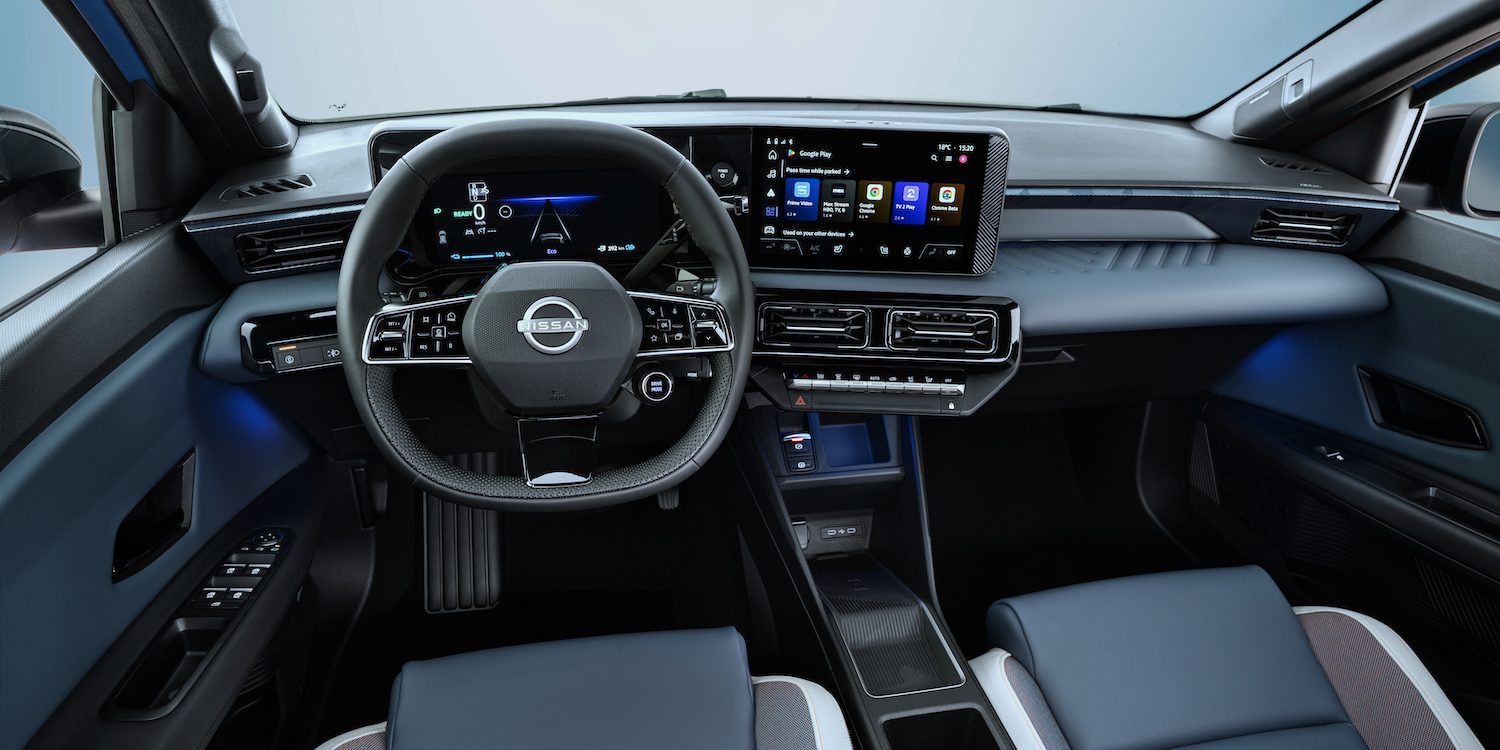
According to recall documents filed with the National Highway Traffic Safety Administration, the defect involves an on-screen safety alert or notification message on the center infotainment display that can overlap and obscure the rearview camera feed once the vehicle is shifted into reverse. Rivian gave a narrower explanation directly to reporters: in rare instances when the vehicle’s stability control is switched off, an alert asking the driver to turn it back on can sit on top of the camera view when shifting into reverse, and that overlap persists until the vehicle actually starts moving. The obstruction happens before the truck or SUV moves, so NHTSA classified it as a failure to meet Federal Motor Vehicle Safety Standard 111, the same rear-visibility rule at the center of several other 2026 camera recalls, including Ford’s separate Ranger recall and Stellantis’s 844,000-vehicle Jeep, Ram, Chrysler, and Dodge camera campaign.
Why a software bug can be fixed faster than a hardware one
The gap between this recall and Ford’s Ranger recall, filed within days of each other, illustrates something important about how modern vehicles get repaired. Ford’s Ranger screens fail from a physical component, a capacitor that cracks and shorts a circuit board, and there is no way to fix that without physically replacing hardware in a service bay. Rivian’s problem lives entirely in software logic, so the company could write a patch, test it, and push it to vehicles automatically the moment it had a fix ready, the same way a phone receives a security update overnight. Rivian’s own recall tracking, cited by industry outlet RivianTrackr, shows the underlying bug was resolved in software release 2026.23 for R1 vehicles and release 2026.31 for R2 vehicles, both of which reached the fleet before Rivian filed its formal recall paperwork with regulators. Every vehicle built after August 10, 2026 left the factory with the corrected software already installed, meaning the recall population is effectively shrinking every day as older software versions get replaced by routine updates.
Rivian has built its marketing around exactly this kind of remote update capability, telling customers on its own website that its vehicles are designed to evolve and gain new features over time the same way a smartphone does. This recall is the clearest real-world test of that pitch so far. A defect that would have required scheduling a service appointment, taking a day off work, and driving to a dealership in the traditional recall model instead resolved itself in the background for the overwhelming majority of owners, some of whom might never learn their vehicle was ever affected until the notification letter shows up.
What owners still need to do
Even with automatic patching covering most of the fleet, Rivian and NHTSA still require a formal paper trail, so every affected owner will receive a notification letter by mail describing the recall, expected to go out on November 9, 2026. Owners do not need to wait for that letter to check their own status. The single most important thing an owner can do is confirm their vehicle is connected to Wi-Fi or a cellular network. Vehicles that have been sitting disconnected, in storage, or without a data connection might not have received the update automatically and could still be running the vulnerable software. Checking for a pending software update through the vehicle’s own settings menu, or through the Rivian mobile app, will confirm whether the fix has already been installed.
For the small share of owners whose vehicles have not yet received the update, the practical workaround in the meantime is simple: if stability control has been manually turned off, turn it back on before shifting into reverse. That is the specific condition Rivian says triggers the overlapping alert. Owners can also confirm their vehicle identification number is included in the recall by searching it directly at nhtsa.gov/recalls or by calling the NHTSA Vehicle Safety Hotline at 1-888-327-4236. Rivian has said it is not aware of any accidents, injuries, or customer complaints connected to the defect, and the company is not asking most owners to do anything beyond making sure their vehicle can reach the internet to receive the update it likely already has.
An early signal for Rivian’s newest and most important model
The inclusion of 2,481 R2 units is notable given how early that model is in its production life. Rivian’s 2026 guidance called for full-year deliveries of between 62,000 and 67,000 vehicles, an increase of 47 to 59 percent over 2025, with much of that growth expected to come from the R2’s launch earlier this year. Rivian chief executive RJ Scaringe has told investors the R2 is expected to become the majority of the company’s sales volume by the end of 2027, which means the vehicles caught in this recall represent an early slice of the model line Rivian is counting on to carry its future growth. A software issue surfacing this early, and getting resolved this quickly through remote updates, is likely to become a reference point for how Rivian and its competitors handle defects in software-defined vehicles going forward.
Rivian’s support pages also list a separate, unrelated recall covering certain 2025 R1S and R1T vehicles for a front turn signal lamp that can fail to illuminate or flash, a hardware problem tied to Federal Motor Vehicle Safety Standard 108 that requires a physical lamp replacement at a service center rather than a remote fix. That earlier campaign affects roughly 3,829 vehicles and has no connection to the camera software issue, but it is a useful reminder that not every Rivian recall can be solved by a software update. When the underlying defect is physical, owners still need to schedule that dealer visit, the same as any other automaker’s customers.
What to do
Owners of a 2022 through 2026 R1T, a 2022 through 2027 R1S, or a 2027 R2 should open their vehicle’s software settings or the Rivian app within the next few days to confirm the current software version matches release 2026.23 or later for R1 models, or 2026.31 or later for R2 models. If the vehicle is up to date, no further action is needed. If it is not, connecting the vehicle to a strong Wi-Fi network overnight should trigger the download. Owners who prefer to confirm everything through official channels can still wait for the November 9 letter or call Rivian customer support directly to ask whether their specific vehicle identification number has received the patch.
Sources:
- CNBC: Rivian recalls about 100,700 vehicles over rearview camera issue
- Traders Agency: Rivian Recalls About 100,700 EVs Over Software Bug That Can Block Rearview Camera Display
- Reuters via WMBD: Rivian recalls nearly 99,000 vehicles over rearview camera display issue
- NHTSA: Search Safety Issues and Recalls

Leave a Comment
More in News

Average New Car Price Hits Record $51,109, Up 2.1% on October 2025
Bentley unveils 2026 Remembrance cars: A symbol of Remembrance and belonging [Photo Gallery]
California man considers buying new Toyota. Then he realizes he won’t be able to leave the state
Pennsylvania Raises School Bus Passing Fines to as Much as $500 in 2027

Honda Recalls 635,808 Pilots, MDXs and TLXs That Can Lose Power Steering
Trending on Motoring Chronicle

The new Mercedes-Benz C-Class: Refined strength. Trusted continuity [Photo Gallery]
What the New GOV.UK Wallet Means for Every UK Driver This Year

Dealer Body Links 66 Car Brands to Lower Resale Values and Slower Repairs

How a Deer Strike This Autumn Could Cost UK Drivers £2,713 in Repairs