DVSA Moves Electric Vans Under 4.25 Tonnes to Class 7 MOT From June
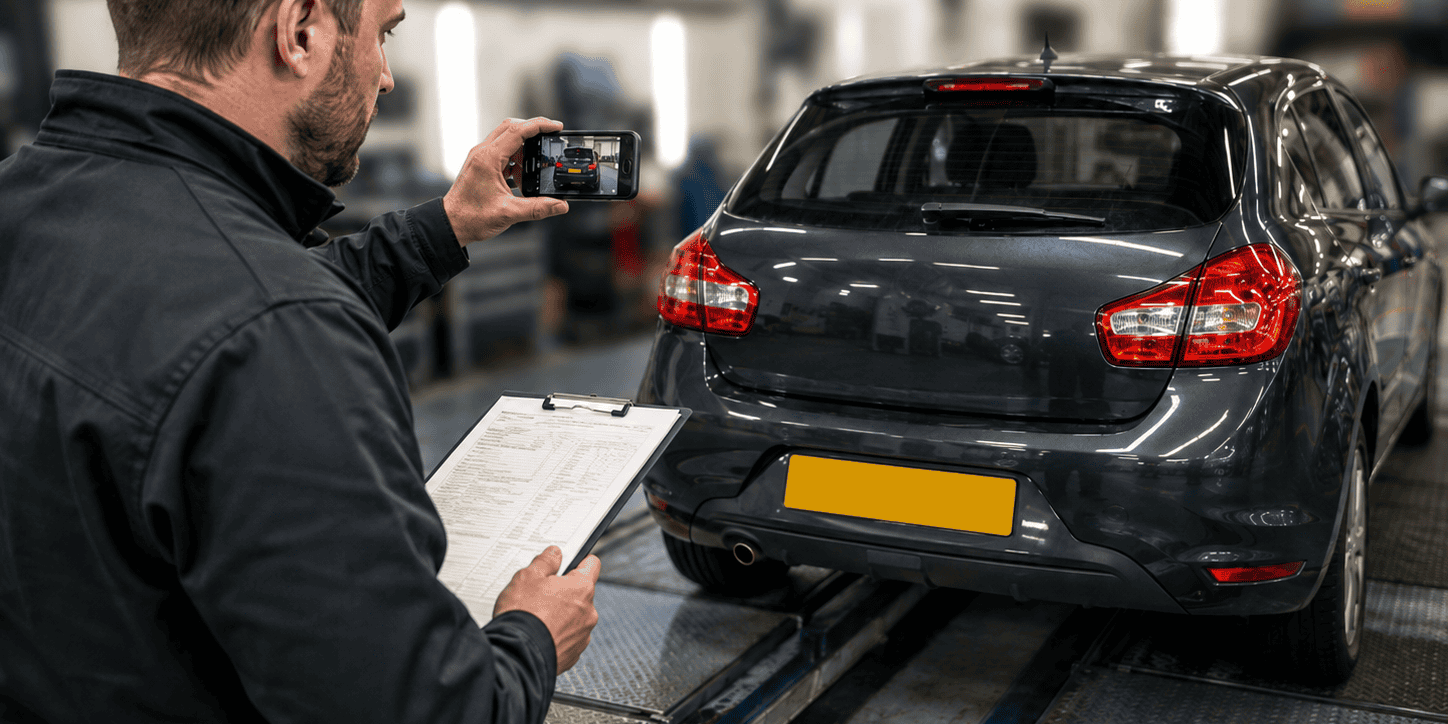
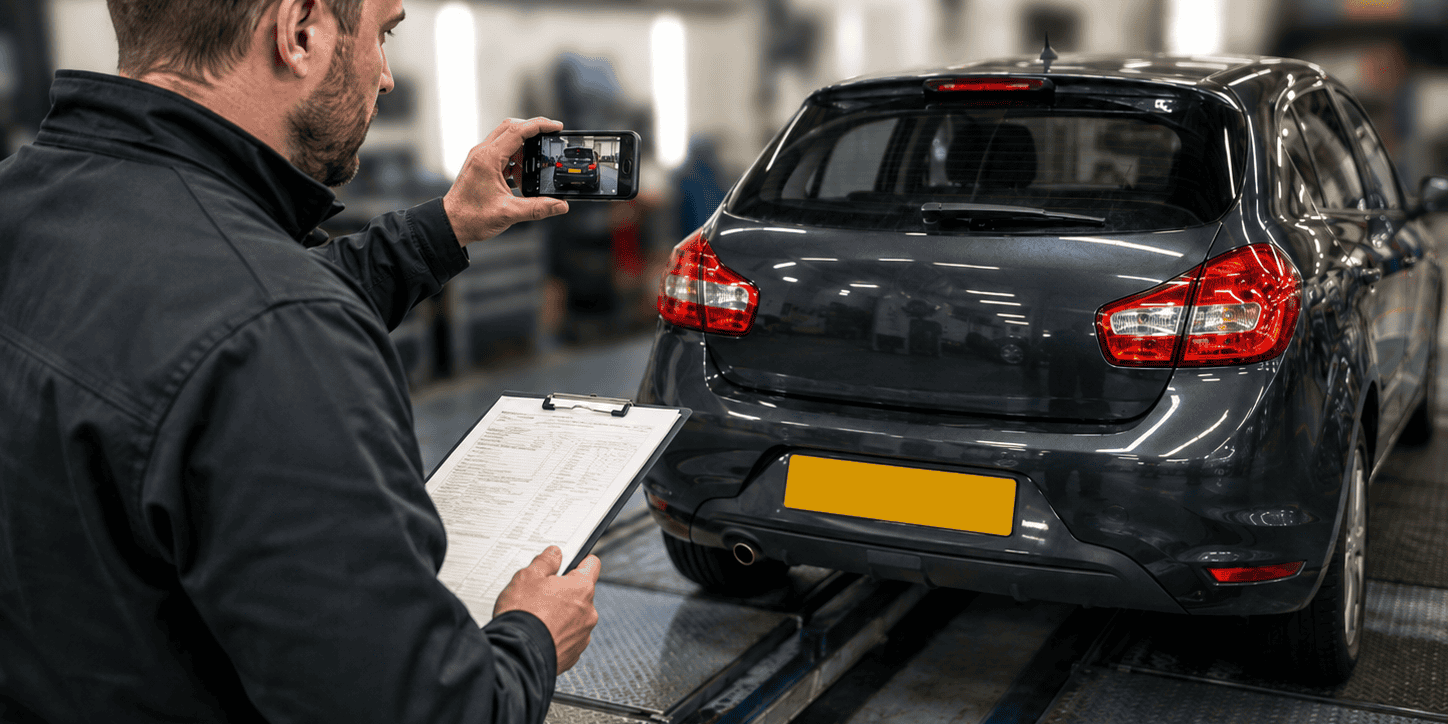
From 1 June 2026, electric vans between 3,501kg and 4,250kg move out of the annual HGV-style testing regime and into ordinary Class 7 MOT testing, with their first test now due three years after registration instead of one.
DVSA’s Special Notice 01-26 also lifts these vans out of assimilated EU drivers’ hours and tachograph rules, so drivers no longer need a tachograph card or face limits on how far the vehicle can travel from base.
The change applies only to fully zero-emission vans; anything fitted with a petrol, diesel or LPG range extender stays under the old, stricter regime.
Electric Vans Get a Simpler MOT, No Tachograph and Three Extra Years Before Their First Test
A heavier electric van used to come with a hidden cost that had nothing to do with its price tag. Once a zero-emission van’s design figure passed 3,500kg, usually from the mass of its battery pack rather than anything to do with its size or payload, the vehicle fell into the same testing regime as a small lorry. That meant annual roadworthiness tests at an authorised testing facility rather than an ordinary MOT centre, tachograph rules built for long-haul freight, and restrictions on how far the vehicle could operate from its registered base. From 1 June 2026, DVSA has removed that penalty for one specific band of electric vans.
What Changed and Why
The Goods Vehicles (Testing, Drivers’ Hours and Tachographs etc.) (Amendment) Regulations 2026 move zero-emission goods vehicles with a a design gross mass between 3,501kg and 4,250kg out of the heavy goods vehicle testing framework and into Class 7, the same MOT category used for diesel and petrol vans up to 3.5 tonnes. DVSA published the detail in MOT special notice 01-26, confirming that from 1 June 2026 these vehicles are tested at ordinary Class 7 stations, the same network DVSA data shows has wide variation in capacity across the country, rather than at DVSA-run authorised testing facilities.
The reason for the extra 750kg of headroom is simple: battery packs are heavy, and a zero-emission van built on the same chassis as a diesel equivalent can tip over the old 3.5-tonne threshold purely from the mass of the cells it carries, not from being any bigger or carrying any more. Under the old rules, a business running an electric version of a van it already knew well could find itself facing a completely different, more demanding testing and driver-hours regime for no operational reason at all.
Who This Hits
The change reaches tradespeople, delivery firms and small business owners who have bought, or are considering buying, a larger electric van for work that a standard 3.5-tonne model cannot quite manage, whether that is a loaded refrigerated delivery run or a fully kitted-out mobile workshop, the same operators already comparing clean air zone charges on older vans against the cost of upgrading. It also reaches the garages that test them: DVSA’s notice confirms that Class 7 testing stations must now accept and accommodate zero-emission vans in this mass band, expanding the pool of garages able to carry out the test well beyond the smaller number of authorised testing facilities that previously handled heavier commercial vehicles.
Only vehicles that produce zero grams of CO2 per kilometre qualify, meaning a van with no internal combustion engine at all. A hybrid van, or one fitted with a petrol, diesel or LPG range extender to top up the battery on longer runs, stays under the heavier vehicle regime regardless of its registered mass. Operators need to check their specific model against DVSA’s definition before assuming the lighter regime applies.
The Numbers Behind the Change
The headline figure is the shift from an annual first test to one due three years after registration, the same first-test interval that applies to an ordinary car or a diesel van under 3.5 tonnes. After that first test, Class 7 vehicles are tested annually, in line with standard MOT practice, rather than continuing under the more frequent heavy-vehicle testing calendar. DVSA’s special notice also confirms updated test standards for the affected vans, including a required minimum tyre tread depth of 1.6mm rather than the 1mm minimum that applied under the goods vehicle regime, and the fitting of speed limiters in line with Class 7 requirements.
On the drivers’ hours side, the regulations move these vans out of the assimilated EU rules on breaks, driving time and tachograph records entirely, and into the simpler GB domestic drivers’ hours regime that already applies to smaller vans. In practice, that removes the requirement for a driver card, the record-keeping obligations that come with it, and the operational limits on distance from base that applied when the vehicle was treated as a goods vehicle rather than a van.
What It Means for Running Costs
For a business running one of these vans, the combined effect is a lighter testing bill and less administrative overhead. A Class 7 MOT costs less than an authorised testing facility examination, the test can be booked at a far larger network of garages rather than a limited number of specialist test centres, and the vehicle no longer needs to visit a test station in its first year of use at all. Removing the tachograph requirement also removes the cost of tachograph calibration checks and the compliance burden of maintaining driver records for a vehicle that, in most cases, never left urban or regional delivery routes in the first place.
There is a trade-off worth noting. The heavier goods vehicle testing regime existed for a real reason: these vans are, in real terms, larger and carry more load than a standard van, regardless of whether their zero-emission drivetrain now qualifies them for a lighter testing calendar. A vehicle that goes three years without an independent roadworthiness check, rather than one, relies more heavily on the operator’s own maintenance discipline in the interim. Fleet operators moving vehicles into this category should factor that into their own servicing schedule rather than treating the extended MOT interval as a reason to check the van less often.
An Industry Complaint DVSA Has Now Acted On
Fleet operators and van leasing bodies had been raising this exact issue with the Department for Transport and DVSA for some time before the change took effect. Their argument was simple in substance, if not in the language DVSA had to use to fix it: a zero-emission van built to replace a familiar diesel model should not be pushed into a completely different, more expensive testing and driver-hours regime purely from the mass its battery adds that a fuel tank never did. Fleet bodies had specifically called for the MOT interval to be deferred and for tachograph rules to be lifted from these vehicles, arguing that the old approach was actively discouraging businesses from choosing the larger electric vans they otherwise wanted to buy.
DVSA’s response, confirmed in the 2026 amendment regulations and special notice 01-26, addresses both asks directly rather than offering a partial compromise. The scope is deliberately narrow, covering only vehicles between 3,501kg and 4,250kg that produce no CO2 at all, which limits the change to the specific band of electric vans that were being penalised for their drivetrain rather than their genuine size or purpose.
What Van Owners Should Do
Anyone who owns or operates a zero-emission van in this mass band should confirm with DVSA or their fleet management provider whether their specific vehicle now falls under Class 7, as the reclassification is not automatic paperwork the driver has to apply for but does affect where the next test needs to be booked. Garages that previously turned away vans in this mass band, for lacking authorised testing facility status, should also check whether their existing Class 7 equipment now qualifies them to test these vehicles, as DVSA’s notice widens which stations can carry out the work.
Buyers comparing a heavier electric van against a lighter model should treat the change as one factor among several rather than the deciding one. The three-year first test and the removal of tachograph rules do lower the running cost of operating one of these vans, but the underlying vehicle is still a larger, heavier machine than a standard 3.5-tonne van, and insurance, energy costs and payload capacity will still vary between models regardless of which MOT class a van falls into.
Sources:
DVSA, “MOT special notice 01-26: zero emission goods vehicles between 3,501kg and 4,250kg becoming class 7 vehicles”, gov.uk
The Goods Vehicles (Testing, Drivers’ Hours and Tachographs etc.) (Amendment) Regulations 2026: https://www.legislation.gov.uk/uksi/2026/501/made

Leave a Comment
More in News

How to Avoid a Surprise £300 Bill When Your Car Finance Deal Ends
Millions of Drivers Face a 6 Percent Car Insurance Jump This Quarter, Data Shows
Councils That Miss This Month’s Pothole Deadline Risk Losing a Third of Their Funding

Every UK Driver Wins as DfT Fines Weekend Roadworks Overruns £10,000 a Day

How Long Does a Timing Belt Last? The Age Limit Most Drivers Miss
Trending on Motoring Chronicle

Why a Federal Probe Into GM’s 6.2 Liter V8 Could Force an Even Bigger Recall

Colorado Now Forces Uber and Lyft to Investigate Assault Complaints in 7 Days

Largest fleet of bespoke Flying Spurs commissioned by world class resort [Photo Gallery]

Electric Mercedes-Benz GLC 250 Opens for UK Orders From £55,495 With 389-Mile Range