
How to Tell If Your Car Is Overheating (and What to Do Immediately)


- A rising temperature gauge or a red coolant light means the engine is running hotter than it should, and driving on can warp the cylinder head or blow the head gasket within minutes.
- Pull over as soon as it is safe, turn off the air conditioning, and switch off the engine rather than pushing on to the next junction or service station.
- Topping up coolant yourself costs next to nothing. Ignore the warning and a blown head gasket runs £550 to £2,000 in the UK (roughly $730 to $2,650), while a warped cylinder head can push the bill past £6,000 (about $7,950).
How To Tell If Your Car Is Overheating, And What To Do In The First Minute
The first sign is almost always the temperature gauge climbing out of its normal middle position toward the red section, sometimes alongside a red coolant warning light on the dash. Steam from under the bonnet, a smell of hot coolant, or the heater suddenly blowing cold air while the engine feels hot are the other giveaways. RAC Drive’s guidance is to pull over as soon as it is safe, switch off the air conditioning to give the engine a break, and open the windows for airflow rather than trying to reach a garage first.
Once you have stopped, turn the engine off. Do not open the bonnet or the coolant expansion tank straight away. The system is pressurised and can be close to boiling point, so RAC Drive recommends waiting at least 15 to 30 minutes before you touch anything under the bonnet. Opening a hot expansion tank cap too soon can send scalding coolant and steam straight upward, which is one of the more common roadside injuries mechanics see after a breakdown.
Why Coolant Warning Lights Come In Different Colours
A blue coolant light that appears when you first start the car, especially on a cold UK morning, simply means the engine has not yet reached its normal working temperature. That is routine and clears on its own within a few minutes of driving. A red coolant light, or a temperature gauge sitting in the red zone, means the opposite problem: the engine is too hot, not too cold, and needs attention straight away. A flashing red light is the most urgent version of that same warning and should be treated as an instruction to stop, not a suggestion.
What Actually Causes An Engine To Overheat
Low coolant is the most common trigger, usually from a slow leak at a hose, the radiator, the heater core, or the water pump, though gradual evaporation and a service that did not fully refill the system can also leave levels low. A stuck thermostat can trap coolant in the wrong part of the circuit and stop heat escaping, which is a common fault on cars with well over 80,000 miles on the clock. A weak or failing water pump cannot circulate coolant fast enough to keep the engine cool, especially at motorway speeds or climbing hills. A blocked radiator, whether from a damaged fin or debris such as leaves or road grime, cannot shed heat properly even with the coolant system otherwise working. Less often, the fault sits in the sensor itself and the warning is a false one, but that should be the last explanation you reach for, not the first.
A slipping or snapped auxiliary belt can also stop the water pump turning on some engine layouts, which is why a squealing noise from the engine bay just before a temperature warning appears is worth treating as connected rather than coincidental. Any coolant that needs regular topping up between services points to a leak somewhere in the system rather than normal consumption. A sealed cooling system should not lose meaningful amounts of coolant over time, so repeated top-ups are a sign to book the car in rather than a habit to keep up indefinitely.
What It Costs If You Stop In Time, Against What It Costs If You Do Not
Topping up coolant with the correct pre-mixed fluid for your car costs a few pounds and takes minutes once the engine has cooled. That is the outcome if you catch the warning early and stop driving.
Keep driving on an overheating engine and the risk moves to the head gasket, the seal between the engine block and cylinder head. UK repair costs for a blown head gasket typically run from £550 to £2,000, with most drivers paying £700 to £1,200 depending on the car: small cars from around £465 to £800, family cars £800 to £1,200, SUVs £1,200 to £1,850, and premium models £1,500 to £2,000 or more. If the overheating goes further and warps the cylinder head itself, industry cost guides put the total repair beyond £6,000. Push the engine hard enough for long enough and you are looking at the same £1,500 to £8,000-plus engine replacement range that applies to any severe engine failure in the UK. Stopping the car at the first warning sign, rather than nursing it to the next junction, is what keeps the bill in double figures instead of four.
Edge Cases: Traffic Jams, Towing, And Electric Cars
Sitting in stationary traffic on a hot day puts more strain on cooling systems than motorway driving does, as there is no airflow through the radiator, so a car that is already borderline on coolant is more likely to show a warning in a jam than on the open road. Towing a caravan or trailer, or carrying a heavy load up a long hill, has the same effect, as the engine works harder while getting less cooling airflow.
Electric cars use a coolant loop for the battery and motor rather than for a combustion engine, and a warning on an EV dashboard is more likely to relate to the battery thermal management system than to anything a driver can fix at the roadside. Treat any EV temperature warning as one for a dealer or specialist rather than the same do-it-yourself top-up that works on a petrol or diesel car. Hybrid cars usually carry a conventional coolant system for the petrol engine, plus a separate loop for the battery, so both sets of advice can apply depending on which warning appears.
What A Garage Will Check That You Cannot
A pressure test on the cooling system, where a garage seals it and pumps it up to check for a drop in pressure, finds small leaks that never show up as a visible puddle on the drive. A coolant dye test, using a fluid that glows under UV light, traces exactly where a slow leak is escaping from without needing to strip the engine down. Both checks are worth asking for if your coolant keeps running low without an obvious cause, rather than simply topping up every few weeks and hoping the problem does not get worse.
How To Lower The Odds Of It Happening Again
Checking the coolant level in the expansion tank once a month, alongside a tyre pressure check, takes under a minute and catches a slow leak long before it turns into a roadside breakdown. Look for the minimum and maximum marks printed on the side of the tank and top up with the fluid type listed in your handbook. Mixing coolant types can cause the additives to break down and stop protecting the system properly. A visual check under the car for damp patches, and a look at the radiator for bent fins or trapped leaves and road grime, takes only slightly longer and can catch a problem before the temperature gauge ever moves.
A cooling system service, which flushes out old coolant and replaces it with fresh fluid at the interval set out in your handbook, typically every two to five years depending on the manufacturer, keeps the corrosion inhibitors in the coolant working and reduces the chance of a hose or the water pump failing without warning. Skipping that service to save a modest bill now is one of the more common ways drivers end up facing the far larger head gasket repair costs described above.
Sources

Leave a Comment
More in News
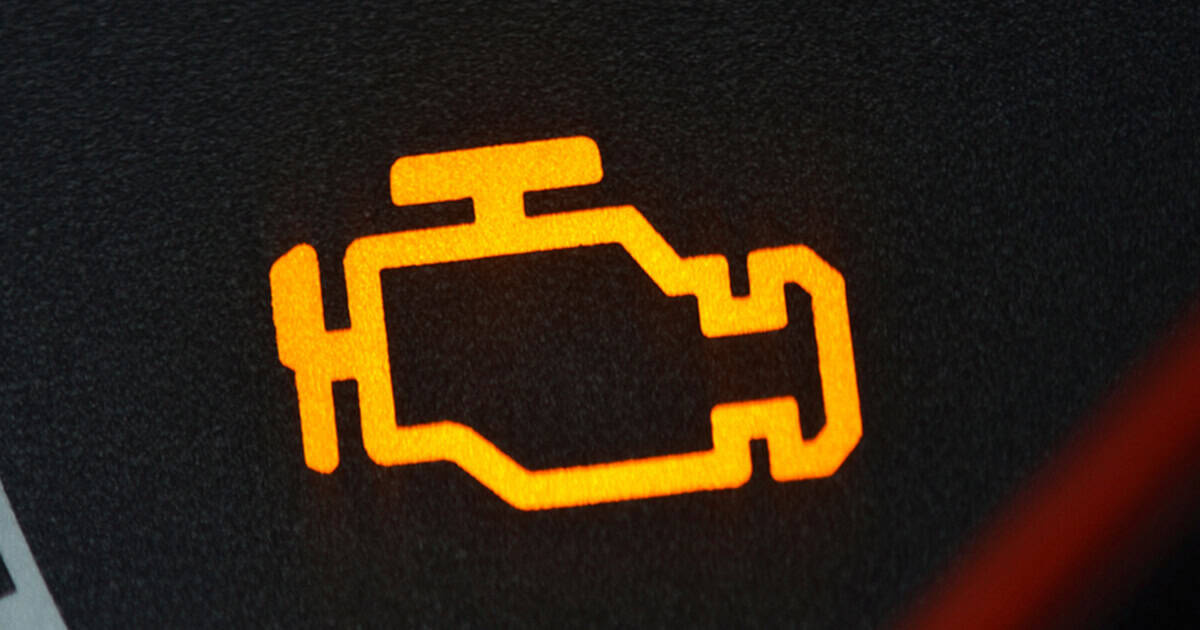
AA Data Shows Computer Faults Cost Drivers Up To £900 as Breakdowns Double

How a Deer Strike This Autumn Could Cost UK Drivers £2,713 in Repairs

Every UK Driver Faces an 11 Percent Crash Rise When the Clocks Go Back

What Your Oil Pressure Warning Light Actually Means (and When to Stop Driving)

GM’s Fuel Pump Recall Has Quietly Spread to Nine of Its Best-Selling Models
Trending on Motoring Chronicle

Why Parking in a Garage Could Add £54 to Your Car Insurance Bill

How to Tell if a Car Was Written Off Before You Buy It
Ferrari Amalfi Spider Unveiled

The Most Fuel Efficient Petrol Car In The UK Costs £18,699 And Returns 64.2 mpg
