Police Helped Recover 95 Percent of Tracker-Fitted Stolen Cars in a Record Year


- Tracker and UK police forces jointly recovered stolen vehicles worth a record £41.3 million in 2025, a 72 percent increase on the year before.
- Cars fitted with Tracker’s VHF technology are recovered 95 percent of the time, with half found within four hours and 80 percent returned to their owner within 24 hours, against a police recovery rate of just 13 percent for stolen cars generally.
- Police working with Tracker also shut down 78 illegal chop shops last year, a 30 percent rise, as thieves increasingly target cars worth £10,000 to £20,000 for resale or parts.
The Gap Between a Tracked Car and an Untracked One Has Never Been Wider
Car theft in the UK has not slowed down. What has changed is the size of the gap between drivers who fitted a tracking device and drivers who did not. New figures from Tracker and police forces show that cars carrying its VHF hardware are now recovered 95 percent of the time, while separate DVLA-linked data shows police recover only 13 percent of stolen cars overall. For anyone weighing up whether a tracking device is worth the money, that is the number that matters.
Why Most Stolen Cars Are Never Seen Again
Most stolen cars in the UK are found using automatic number plate recognition cameras, CCTV or a member of the public spotting the vehicle, none of which work once a car has been driven into a lock-up, had its plates swapped, or been broken down for parts. Once a vehicle is off the road network, conventional police methods have very little left to go on. That is reflected in the national recovery rate of around 13 percent, a figure that has barely moved despite years of rising theft numbers.
How Tracker’s VHF Technology Closes the Gap
Tracker’s system relies on very high frequency radio signals rather than GPS alone, which means it keeps transmitting even inside a steel container, an underground car park or a garage lined with signal-blocking material, the exact places thieves use to hide a car while they wait for interest to die down. Police forces have direct access to the tracking network, which lets specialist units follow a stolen vehicle in real time rather than waiting for a sighting.
The results from 2025 show what that access delivers. Half of all tracked recoveries happened within four hours of the theft being reported, and 80 percent of vehicles were back with their owner within 24 hours. Vehicles worth £10,000 to £20,000 made up the largest share of recoveries, while only 4 percent of recovered cars were worth more than £50,000, suggesting mid-range family cars and small SUVs remain the most common target rather than the high-value models often assumed to be at greatest risk.
Inside the Chop Shops Police Are Shutting Down
Tracking data does more than return individual cars. Following a signal back to where multiple stolen vehicles are being stripped for parts led police to close 78 illegal chop shops in 2025, a 30 percent increase on the previous year. Each closure typically disrupts the resale of parts from several vehicles at once, which is part of why the total value of vehicles recovered jumped 72 percent year on year while theft numbers themselves did not fall by anything like that margin. Tracker’s technology also helped recover 200 vehicles that were not fitted with its own hardware, after officers traced them to locations found through other tracked cars.
What Drivers Can Do to Improve Their Odds
A Thatcham-approved tracking device is the single biggest factor separating a 95 percent recovery rate from a 13 percent one, but it is not the only step worth taking. Park in a well-lit, overlooked spot rather than a quiet side street where a car can be worked on undisturbed. Keep key fobs in a Faraday pouch overnight to block the signal thieves use to clone and relay them into a car without touching the original key. Check whether your insurer offers a discount for a fitted tracker, since many do, which can offset some or all of the annual subscription cost. If your car is stolen, report it to police immediately and separately notify your tracking provider, since a faster start to the search significantly improves the odds of recovery within that critical first few hours.
Why Insurers Are Starting to Ask About Trackers
The gap between tracked and untracked recovery rates has started to show up in insurance pricing rather than just crime statistics. Insurers price a policy partly on the likelihood of paying out a total loss claim, and a car with a 95 percent recovery rate is a far smaller total loss risk than one with a 13 percent rate. Some insurers now ask directly whether a vehicle has a Thatcham-approved tracking device fitted, and a small but growing number make one a condition of cover for models that appear on the most-stolen lists, including several popular family hatchbacks and SUVs.
For drivers of those models, the maths is simple. A tracking subscription typically costs between £150 and £300 a year depending on the technology used. Against that sits the cost of losing a car outright, the excess on a stolen-vehicle claim, and the higher premium that often follows a claim regardless of fault. Drivers who already carry full cover should ask their insurer directly whether fitting a tracker would reduce their premium, since the discount is not always advertised and often has to be requested.
The Cars Thieves Keep Coming Back For
The pattern in the recovery data lines up with what police forces have been reporting all year: keyless entry systems remain the weak point thieves exploit most often. Relay devices that capture and amplify a key fob’s signal through a wall or window let a thief unlock and start a car in under a minute without ever touching the key. Because this method leaves no broken glass or forced locks, many owners do not realise how their car was taken until they check for it and find it gone. Vehicles in the £10,000 to £20,000 bracket are attractive to organised theft rings because they are common enough to resell quickly through informal channels or strip for parts that fit thousands of other cars on the road, which is exactly the profile of vehicle a chop shop is built to process at volume.
Reporting a Theft Quickly Still Makes the Biggest Difference
Every recovery statistic in this data set depends on speed. A car reported stolen within minutes gives a tracking network and police the best possible window to intercept it before it reaches a lock-up or crosses into another force area. Delaying a report, even by an hour or two while a driver double-checks whether the car was simply moved or towed, measurably reduces the odds of getting it back. Owners who fit a tracker should also make sure the subscription is active and the payment details on file are current, since a lapsed subscription silently switches a car back to the 13 percent national average without the owner realising anything has changed.
None of this means untracked cars are defenceless, but the figures make clear that a fitted device changes the odds more than almost any other single precaution a driver can take, well above steering locks, dashcams or extra alarms, none of which help once a car is already gone.
Sources:

Leave a Comment
More in News

Arkansas Truck Sweep Puts 393 Out of Service, 183 English Violations

Driver Sentenced to 14 Months in Detention After 100mph Carlisle Chase

Steiner backs Vasseur but gives Ferrari two-year warning
Blue Badge Uptake Among People Entitled Without Assessment Falls From 46% to 37%
Woman’s plug-in hybrid minivan is driving ‘funny.’ Then the dealership takes it for 5 months
Trending on Motoring Chronicle

Why 22 Percent of Drivers Wrongly Trust Five-Star Cars to Protect Them, AA Finds
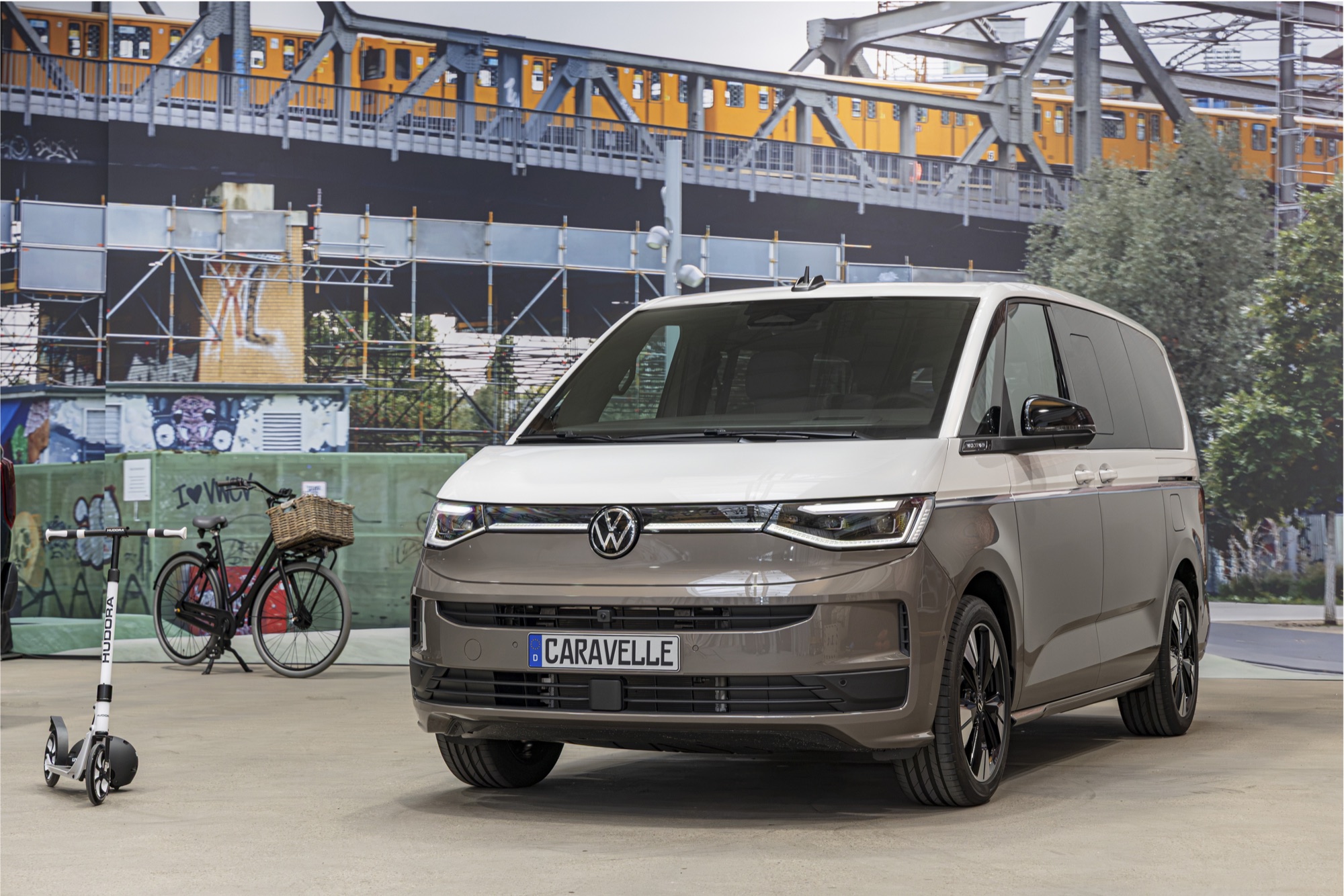
Volkswagen Caravelle Seven-Seater Priced From £41,960 Before VAT or £499 a Month on PCP
Councils Need £18.6 Billion and 12 Years to Fix Every Pothole on Britain’s Roads

How Driving Without a Valid MOT Could Soon Cost You Penalty Points Under New Road Safety Plans