
UK Drivers Face £200 in French Tolls and €140 Fines for Missing Stickers
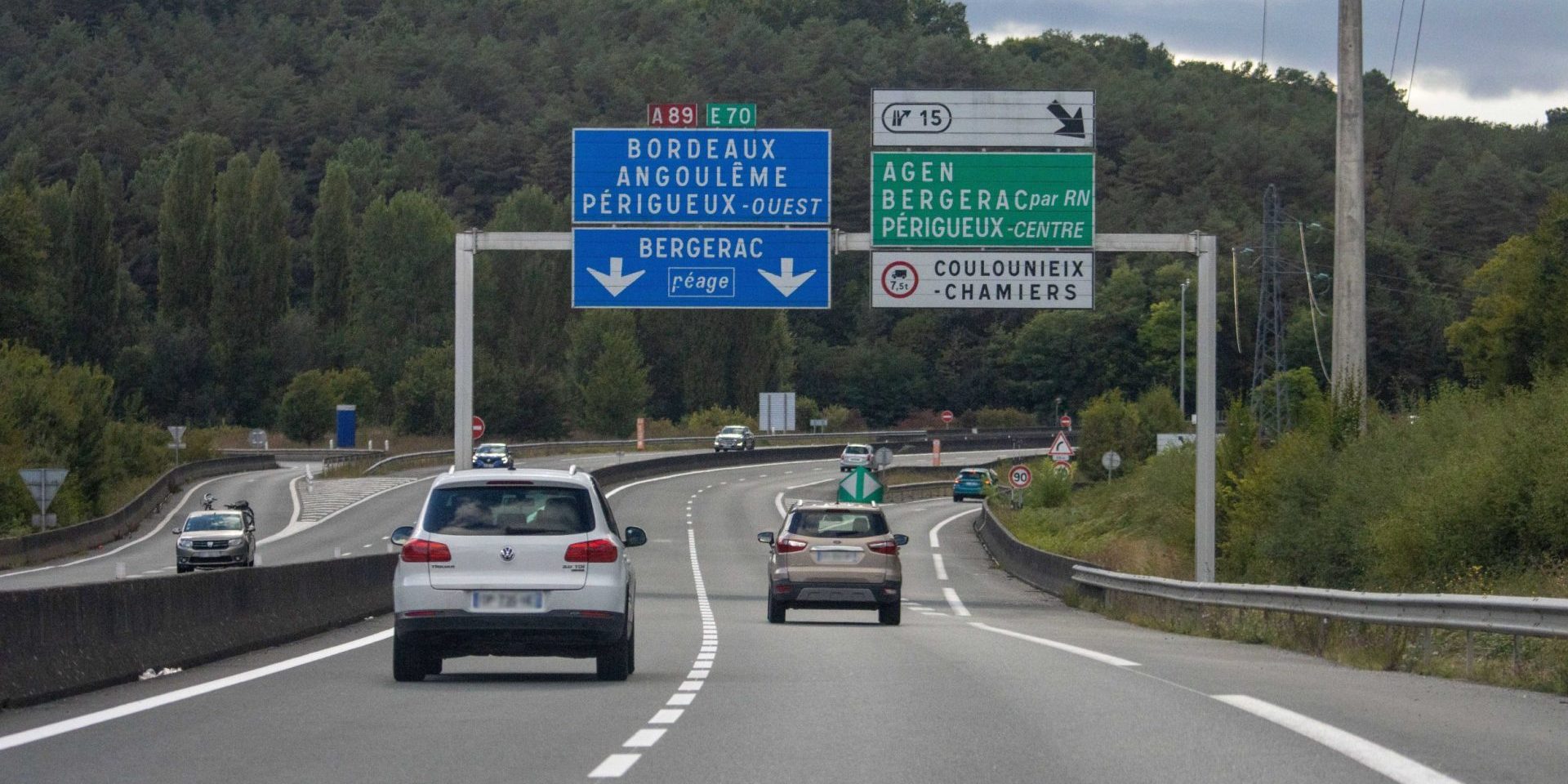
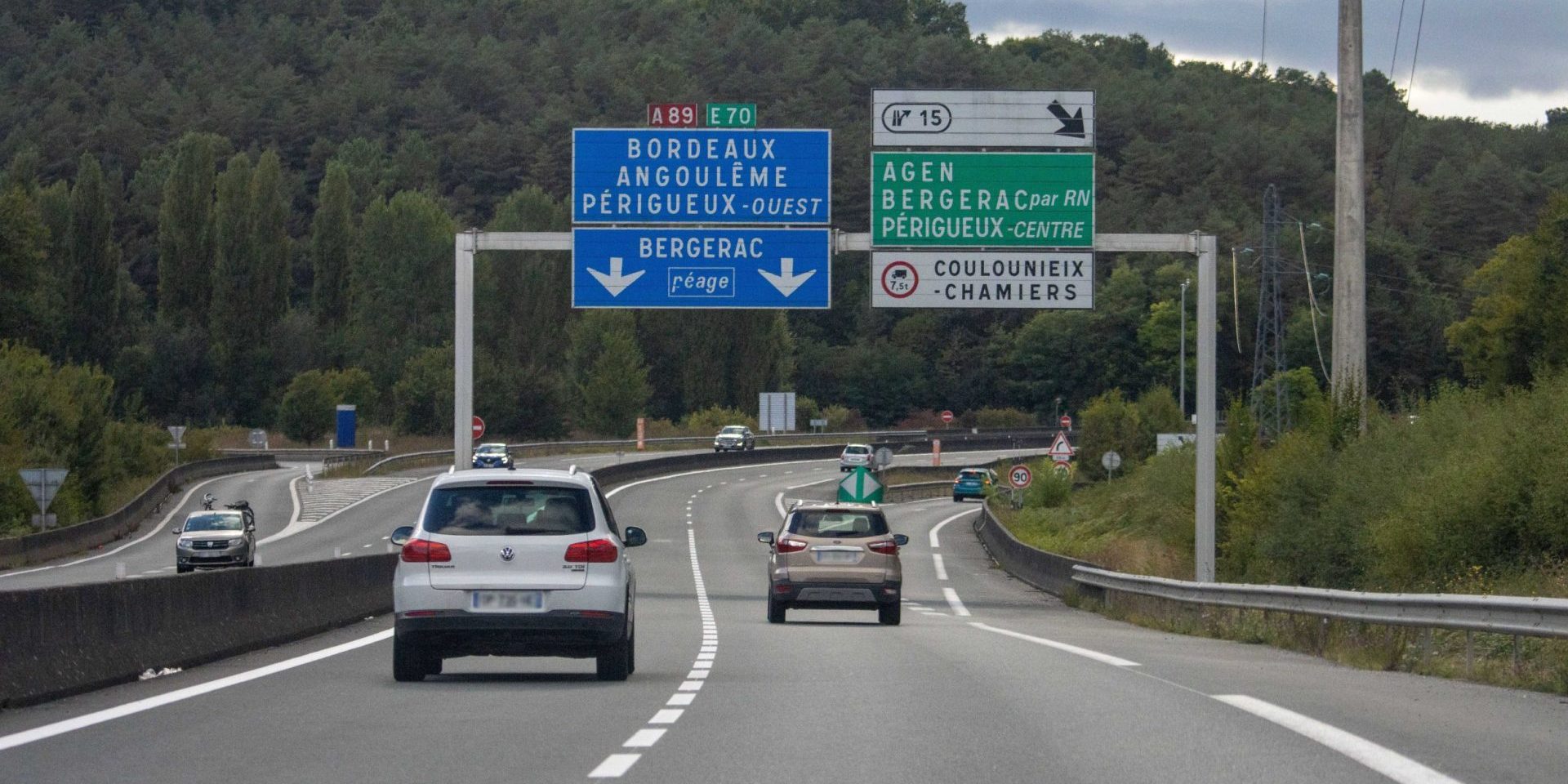
A return motorway drive from the UK to the south of France can cost more than £200 in toll charges alone, and road safety organisation GEM Motoring Assist is warning holiday drivers that unfamiliar rules and missing equipment could add hundreds more in fines. With summer getaway traffic building across the Channel, GEM says a few hours of preparation will save drivers from expensive surprises.
The warning comes as record numbers of UK motorists plan to drive abroad this summer, many for the first time after updated post-Brexit requirements changed what documents and equipment British cars need to carry in Europe.
French Tolls That Add Up Fast
France operates one of Europe’s most extensive toll motorway networks, and the costs catch many British drivers off guard. A family driving from Calais to Nice on the autoroute will pay upwards of £100 in tolls each way, with the exact figure depending on vehicle class and route. Larger vehicles, including those towing caravans, pay a higher rate at every barrier.
Most French toll plazas accept contactless card payments, but not all. Drivers heading south through Spain or Italy face similar toll systems with their own payment quirks. GEM advises researching toll costs and payment methods before departure, as queueing at a cash-only lane without euros wastes time and risks a fine for obstructing traffic flow.
Free alternative routes exist on France’s national roads, but they add significant time. A journey from Calais to the Cote d’Azur that takes around nine hours on the autoroute can stretch beyond 14 hours on toll-free roads.
Fines for Missing Stickers and Equipment
UK-registered vehicles driven in Europe must display a UK sticker or have “UK” incorporated into the number plate design. Drivers without one face fines of up to €140. The old “GB” sticker is no longer valid.
France requires a Crit’Air anti-pollution vignette for any vehicle entering a city with a population above 150,000. Automated ANPR cameras enforce the zones without warning, and fines start at €68 for cars and €135 for vans. The sticker costs just a few euros and can be ordered online, but processing takes several weeks, so drivers need to plan ahead.
Spain has introduced an even bigger change. From 1 January 2026, the red warning triangles that drivers have carried for decades are no longer accepted for roadside breakdowns. Every vehicle on Spanish roads must carry a working V-16 emergency warning light that links to Spain’s DGT traffic platform and reports the location of a stranded vehicle automatically. These devices cost between €20 and €40 and are available at Spanish service stations, but checking availability before crossing the border is safer than hoping to find one en route.
Reflective vests are compulsory in France, Spain, Italy and Austria. In France, every occupant of the vehicle needs their own vest, and anyone who steps out of a car at the roadside without one faces a fine of up to €135. Warning triangles remain compulsory in France (two are required) and in most other European countries.
Documents You Cannot Drive Without
James Luckhurst, head of road safety at GEM Motoring Assist, says the biggest risk is leaving home without the right paperwork.
“Driving abroad can be an exciting and rewarding experience, but it brings additional risks that shouldn’t be underestimated,” says Luckhurst. “Fatigue, unfamiliar road systems and unexpected costs can quickly turn a holiday journey into something stressful and potentially risky. The key is preparation: plan your route, understand the rules of the road in each country, and make regular stops to stay alert. A well-prepared driver is a safer driver.”
Every UK driver heading to Europe needs: a valid UK driving licence, a valid passport, the vehicle’s V5C registration document (the original, not a photocopy), a valid motor insurance certificate confirming European cover, and an International Driving Permit if travelling outside the EU to countries that require one.
A missing licence, passport, insurance certificate or registration document means police can prevent the driver from continuing the journey. The vehicle can be seized until the correct documents are produced, and fines apply on top.
Fatigue Kills on Long European Drives
GEM highlights that driver tiredness contributes to up to 20% of collisions on major roads, with long, monotonous motorway driving in unfamiliar countries posing a particular risk. The organisation recommends stopping every two hours, sharing driving duties where possible, and avoiding departures between 2am and 6am, when the body’s circadian rhythm is at its lowest.
French speed limits drop in wet weather, from 130 to 110 km/h on autoroutes and from 110 to 100 km/h on dual carriageways. Speeding fines across Europe range from around €20 for minor offences to more than €800, with serious cases leading to on-the-spot driving bans and vehicle impounding. Many countries now share enforcement data with the UK through the EU’s Cross Border Enforcement Directive, meaning a fine incurred in France or Spain can follow a British driver home.
Low-emission zones in major European cities, including Paris, Brussels, Berlin and Milan, restrict older and more polluting vehicles from entering central areas. Fines for non-compliance vary by country but are enforced by camera and arrive by post. Checking which zones a planned route passes through, and whether the vehicle qualifies for entry, takes minutes online and can prevent a fine of €68 or more.

Leave a Comment
More in News
What the FCA Court Delay Means for Your Average £830 Car Finance Payout

What Counts as Fair Wear and Tear When You Hand Back a PCP Car

Every Car Since 2012 Can Fail Its MOT Over a £60 Warning Light

Start Rescue Warns Nine in Ten UK Drivers Blinded by Headlight Glare

GEM Warns Drivers to Give Pedestrians and Horse Riders Extra Space This Weekend
Trending on Motoring Chronicle

How Nearly 70 Percent of Stolen Cars Are Never Returned to Their Owners

Glasgow Begins Britain’s Largest 20mph Rollout With £100 Fines for Speeding Drivers
Why Tesla Is Giving Away Free Tires to Fix a Dangerous Cybertruck Wobble

Maryland Drivers Face Up to $1,500 in Fines for Snow-Covered Cars Starting October 1
