
Honda Recalls Nearly 4,000 New Pilots and Passports Over Loose Subframe Bolts

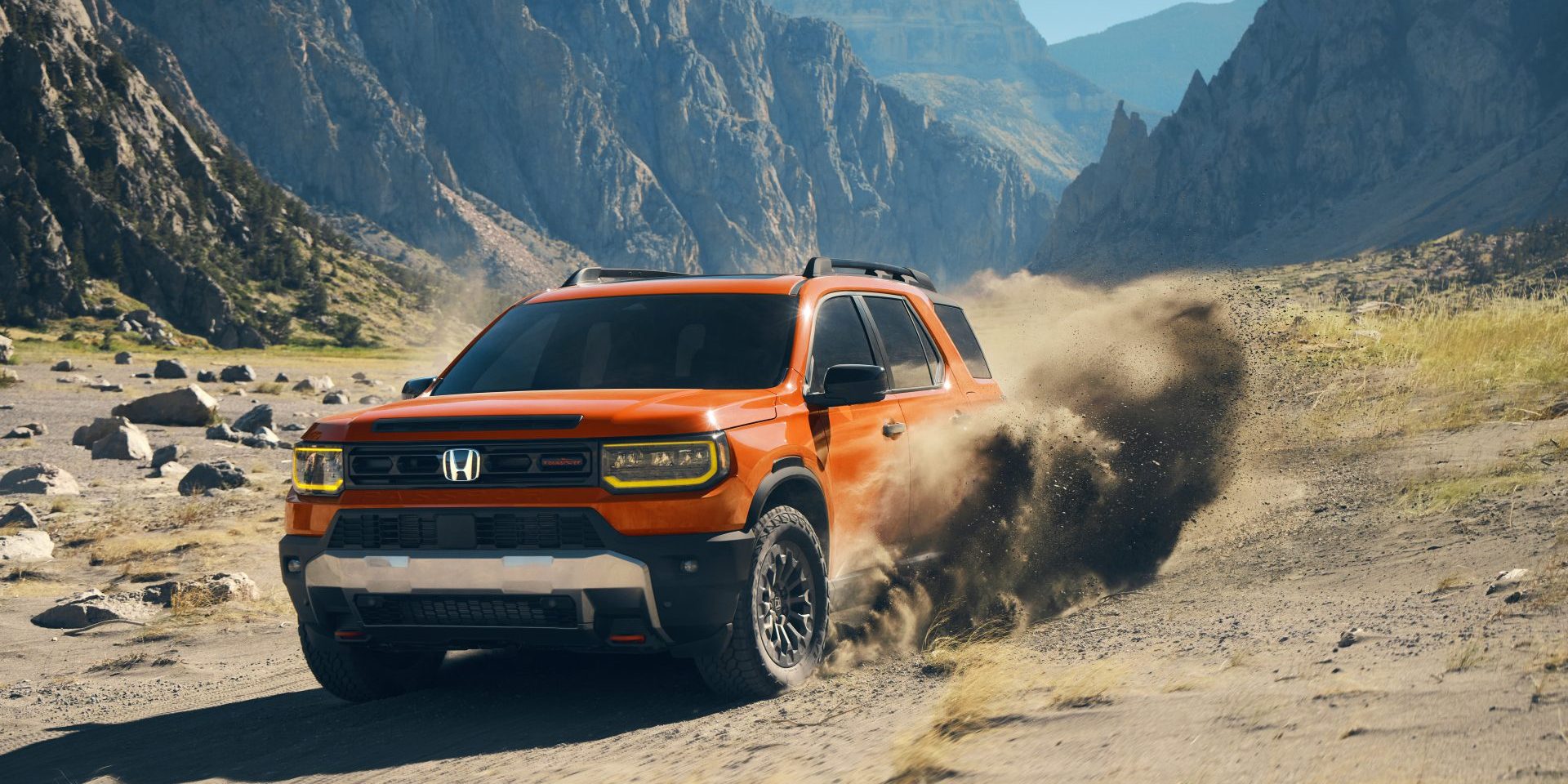
Honda is recalling 3,933 brand-new 2026 Pilot and Passport SUVs: the bolts holding the rear subframe in place were never tightened correctly at the factory. If the bolts loosen further under normal driving loads or after an impact, Honda warns the rear subframe could partially or fully detach from the vehicle, raising the risk of a crash. Owners will get a letter from Honda directly, and the repair itself is free.
This is a narrow, assembly-line recall rather than a widespread design flaw, but it lands on the same two model names Honda already recalled by the hundreds of thousands earlier this summer for an entirely different problem, which makes it easy for owners to mix the two up.
Honda’s own recall filing points squarely at a change to the assembly line itself, not a design change to the vehicles. A new subframe pallet, the tooling that holds the subframe in position while the bolts are driven, was introduced at Honda’s Alabama plant, and the tightening equipment’s calibration was not updated to match it. That is the kind of narrow, equipment-level error that quality checks are built to catch, and in this case Honda’s own review caught it within weeks of the affected vehicles rolling off the line.
How This Happened on the Assembly Line
According to Honda’s filing with NHTSA, the trouble started when a new rear subframe pallet was introduced on the production line at Honda’s Alabama plant. The bolt-tightening equipment’s settings were not properly evaluated or adjusted for the new pallet, and Honda also found inadequate grease application, an improperly adjusted gearbox on the tightening equipment, and a misaligned subframe pallet clamp. Together, those four issues reduced how effectively the bolts were torqued down on the assembly line.
Honda’s own filing describes the root cause in unusually specific terms for a recall notice, naming each individual equipment failure rather than issuing a generic statement about a manufacturing defect. That level of detail suggests Honda traced the problem to a discrete set of production days rather than a broader systemic issue across its Alabama plant, which helps explain why the affected population is so narrow compared with Honda’s other 2026 recalls.
The affected window is tight: 2,134 Pilot units built between April 27 and May 15, 2026, and 1,799 Passport units built between May 4 and May 15, 2026, for a combined 3,933 vehicles. Honda says drivers could notice abnormal noise or reduced stability as an early warning sign before anything more serious develops. Both figures come directly from Honda’s own manufacturing records, which the automaker says represent every vehicle that could plausibly have passed through the affected assembly window, rather than a broader estimate.
Do Not Confuse This With Honda’s Other Pilot Recall
Honda already issued a much larger rear subframe recall this summer covering 880,514 Pilots, Passports, Ridgelines and Acura MDXs, that one caused by corrosion that can weaken the subframe over years of road salt exposure in 23 states. That recall targets older vehicles with years of wear on them. This new recall covers only brand-new 2026 models built in a three-week window in April and May, and the cause has nothing to do with rust. It is a torque specification that was never applied correctly in the first place.
Owners of a 2026 Pilot or Passport should check their VIN against both recalls separately at recalls.honda.com. A vehicle built in the affected window this spring could theoretically fall under only one campaign, and the fixes are unrelated even though both involve the same part of the vehicle.
What Happens at the Dealership
Honda’s remedy is simple in practice: a dealer inspects the rear subframe bolts and retightens or replaces them to the correct torque specification, at no cost to the owner. Dealer notification for the repair procedure began around July 2, 2026, meaning service departments already have the parts and instructions on hand. Owner notification letters are scheduled to go out around August 24, 2026, so some owners could go weeks without formal word even though dealers are already prepared to handle the fix.
That gap between dealer readiness and owner notification is common across NHTSA recalls generally, and it is worth owners knowing about rather than assuming a recall does not apply to them simply for lack of a letter showing up yet. Calling ahead or checking online closes that gap immediately, and most Honda dealers can pull up a VIN’s recall status on the spot without an appointment.
Owners who want to move faster than the mail can check eligibility immediately by visiting recalls.honda.com or recalls.acura.com and entering their VIN, or by calling Honda’s recall line at (888) 234-2138. A vehicle confirmed in the recall can typically get an appointment scheduled before the formal notification letter even arrives, and dealers generally treat a self-reported VIN match the same way they treat a mailed notice once it is verified in Honda’s own system.
Why Subframe Bolts Matter So Much
The rear subframe is the structural cradle that holds the rear suspension, and on many crossovers, parts of the drivetrain, connected to the rest of the vehicle’s body. When subframe bolts loosen, the effects compound over time: components shift slightly under load, that movement wears the mounting points further, and eventually ride quality, handling and, in the worst case, structural integrity all suffer. It is the same underlying failure pattern behind other subframe and mounting-bolt recalls this year, including a GM transfer case issue that prompted a stop-driving order and separate rollaway recalls tied to loose fasteners elsewhere in the drivetrain.
Torque specifications on structural fasteners like these are not arbitrary numbers. Engineers calculate them to account for the vibration, road impacts and cornering loads a subframe will absorb over the life of the vehicle, with a safety margin built in above what normal driving is expected to produce. A bolt tightened below that specification loses part of that margin immediately, even if the vehicle drives normally for months before any symptom appears.
For most owners, the practical takeaway is narrow: check the VIN, and if it falls in the affected production window, get the free inspection scheduled rather than waiting for noise or handling changes to show up first. Bolts that were never torqued to spec do not always give a warning before they fail, which is exactly why Honda is reaching out directly instead of waiting for complaints to arrive.
Buyers cross-shopping a used 2026 Pilot or Passport in the coming months should build a VIN check into their pre-purchase routine alongside the usual title and accident history search. A recalled vehicle sold before the repair is completed still carries the open defect until a dealer addresses it, and a private-party seller could easily be unaware a recall exists at all.
Rental fleets and dealer loaner programs face the same exposure. A vehicle built in the affected window could be circulating as a loaner or short-term rental before its owner notification letter ever arrives. Anyone renting or borrowing a 2026 Pilot or Passport this fall has no easy way to check the VIN themselves, which puts the burden back on the fleet operator to run its own recall check rather than waiting on Honda’s mailed notice.
Honda has logged several separate Pilot- and Passport-related safety actions in 2026 alone, spanning corrosion, assembly torque and other issues across different production runs. For a family cross-shopping either model right now, the practical lesson is to run a VIN check at the point of sale rather than relying on a general reputation for reliability. Two vehicles built even a few weeks apart can carry entirely different recall histories, and a completed recall repair, confirmed on paper by the selling dealer, is worth asking for as part of any used SUV purchase this size.
Sources:

Leave a Comment
More in News

Is It Illegal to Have Lights On in Your Car?

New Volvo XC60 and XC90 Plug-In Hybrids Offer Up to 78 Miles of EV Range

Electric Car Repairs Now Cost UK Drivers 19 Percent More Than Petrol Cars
What Actually Happens If You Skip a Car Service

Classic Car Owners Now Pay £154 a Year to Insure, Up 26 Percent
Trending on Motoring Chronicle

What Your Engine Oil Color Is Actually Telling You

2027 Lexus NX Drops Gas-Only Engine, Goes Fully Hybrid With 40-Mile EV Range

Bentayga ‘X’ Concept revealed at FAT Ice Race as part of new Bentley Partnership
Kia Recalls 462,869 Telluride SUVs Over a Seat Motor Fire Risk
