
Why One in Eight Drivers Has Cut Their Cover and Risk a £4,900 Bill
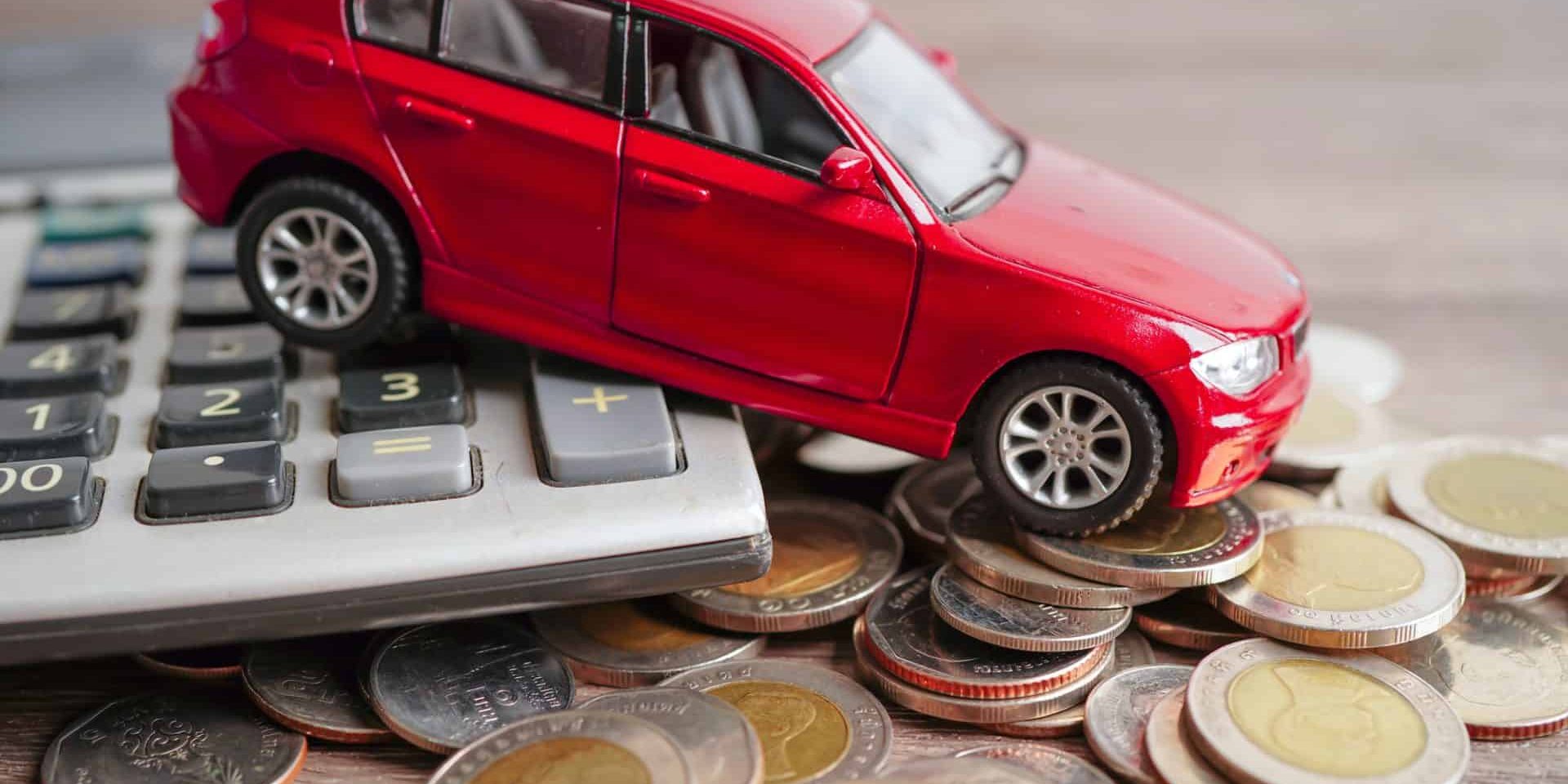
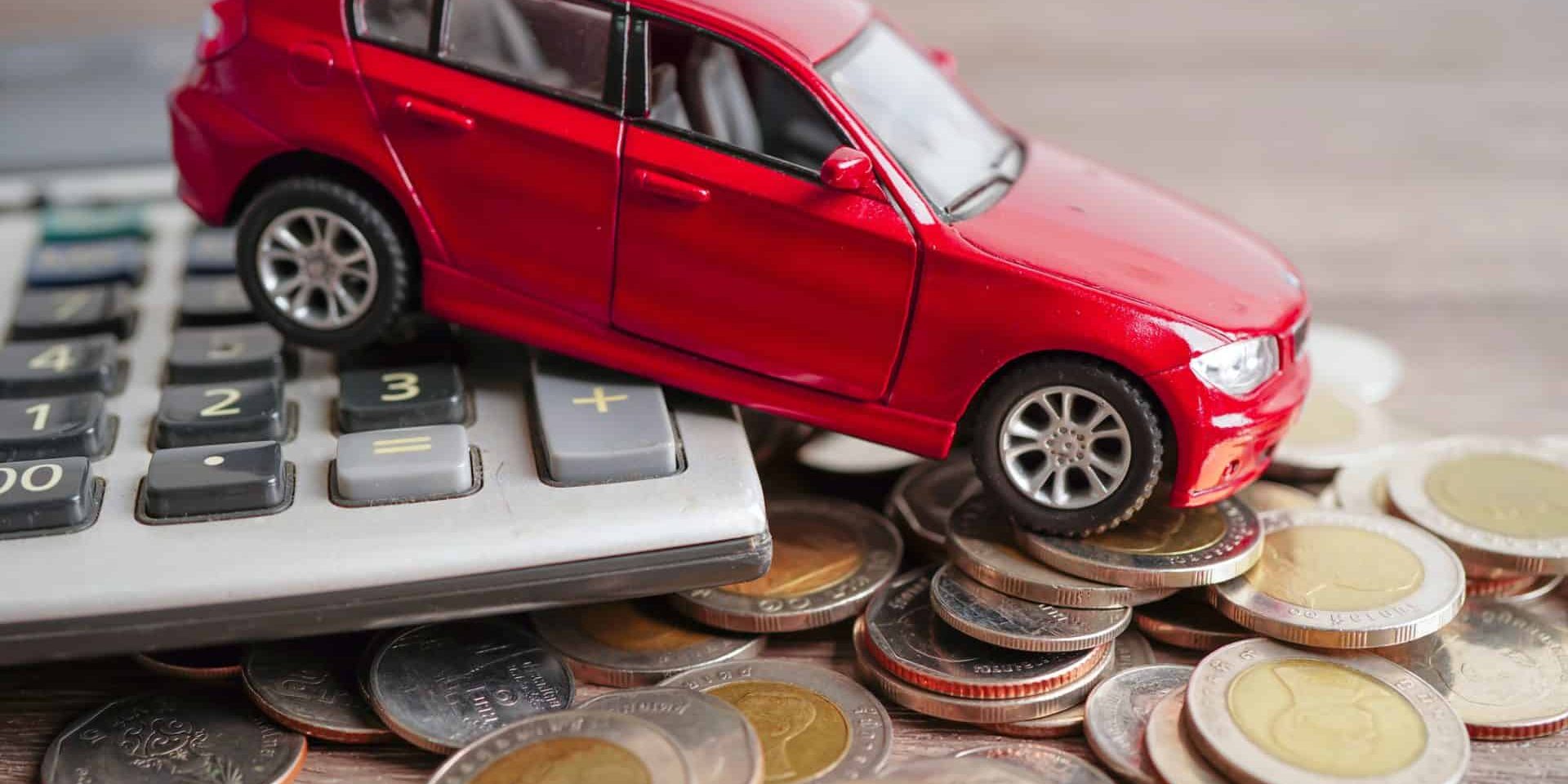
If your car insurance renewal landed with a number that made you wince, you are not alone, and the way millions of drivers are responding could be storing up a far bigger bill. New figures from the Association of British Insurers show that around one in eight UK adults has cancelled cover, dropped to a cheaper level of protection, or gone without insurance entirely in the past year to save money. The trouble is that the saving is often tiny while the risk is enormous. The average motor insurance claim now sits above £4,900, and an accidental damage claim averages £3,699. Strip back your cover to shave a few pounds off the monthly payment and you could be the one left holding a four figure repair bill.
This guide explains what underinsurance actually looks like, why the cheapest policy on the screen is frequently a false economy, and the practical moves that really do cut your premium without leaving a hole in your protection.
What the latest insurance figures really show
The ABI’s first quarter data for 2026 puts the average premium paid at £560. That is broadly flat on the previous three months and about £30 lower than the same point a year earlier, so the headline picture is one of prices easing back from their 2024 peak. Beneath that average, though, the pressure on household budgets has not gone away. The ABI found that 15 per cent of policyholders had reduced the level of cover on their policy over the past two years, and that 81 per cent of those in financial difficulty were paying their premium in monthly instalments rather than in one annual sum.
Paying monthly feels easier, but it is rarely free. Most insurers treat instalments as a credit agreement and add interest, so the annual cost can climb by anywhere from around 10 to 30 per cent compared with paying up front. For a £560 policy that can mean handing over £60 or more purely for the privilege of spreading the cost.
Why cheaper cover can cost you more
The instinct when money is tight is to switch from comprehensive cover to third party, fire and theft, or to bare third party only. It sounds logical. In practice it often backfires twice over. First, third party only policies have for years carried a reputation as the home of higher risk drivers, so insurers frequently price them higher than comprehensive cover for the same person and car. It is worth getting quotes for both, because the cheaper sounding option can be the dearer one.
Second, third party only does exactly what the name says. It pays out for damage you cause to other people, their vehicles and their property, but it does nothing for your own car. If you cause a collision, or your car is damaged by a hit and run driver, or it is written off in a single vehicle accident, you are on your own. With the average accidental damage claim now at £3,699 and total losses on modern cars running well into five figures, that is a gamble most drivers cannot afford to lose.
Insurers paid out £2.9bn in motor claims in the first quarter of 2026 alone, with £1.9bn of that going on vehicle repairs. The reason repair bills keep climbing is the technology packed into ordinary cars. A modern windscreen is no longer just glass. It can carry cameras and sensors for lane keeping and automatic braking that all need recalibrating after a replacement. A minor bumper scrape can involve parking sensors, radar units and painted trim that turn a once cheap job into a specialist one.
The hidden ways drivers end up underinsured
Underinsurance is not only about choosing a lower tier of cover. It often creeps in through the detail of the policy, and some of it can void a claim entirely.
Under declaring your annual mileage to nudge the price down is a common one. If you tell the insurer you drive 5,000 miles a year and the odometer says otherwise after a claim, the insurer can reduce the payout or refuse it. The same applies to understating who drives the car. Naming a parent as the main driver when a son or daughter is really the one behind the wheel, known as fronting, is insurance fraud. It can lead to a cancelled policy, a refused claim and a criminal record.
Setting the agreed value or market value too low to save money is another trap. If your car is written off, the insurer pays out based on the cover you bought, so a deliberately low figure leaves you short of the money you need to replace the vehicle. And cancelling useful add ons without thinking can hurt later. Dropping legal expenses cover, for example, can leave you unable to recover your excess and other costs after a crash that was not your fault.
Going without any cover at all is the most dangerous saving of the lot. Driving uninsured is an offence that carries a fixed penalty of £300 and six points, and a court can impose an unlimited fine and a driving ban. Police can seize and crush the car. The cost of those consequences dwarfs any premium.
There is a knock on effect that catches out even careful drivers. If you are hit by someone who turns out to be uninsured, the Motor Insurers’ Bureau exists to step in, and the cost of compensating those claims is spread across every honest policyholder through their premiums. So the rise in drivers stripping back or dropping their cover does not just put those individuals at risk, it nudges up the price everyone else pays. That is part of the reason premiums have proved so stubborn even as other costs have eased.
What to do to cut costs without cutting protection
There are legitimate ways to bring a premium down that do not leave you exposed. Start by comparing comprehensive and third party prices side by side rather than assuming the lower tier is cheaper. Always be truthful about mileage, your job description and who drives the car, because honest details protect the claim you are paying for.
If you can manage it, pay annually to avoid instalment interest. If the lump sum is the problem, consider a nought per cent purchase credit card to spread the cost instead of the insurer’s finance, then clear it within the interest free period. Raising your voluntary excess can lower the premium, but only set it at a level you could actually pay if you had to claim tomorrow. Adding an experienced named driver, fitting an approved alarm or tracker, and parking off road overnight can all reduce the price for the right driver.
Shop around at every renewal rather than letting the policy roll over, since loyalty rarely pays. Start about three weeks before the renewal date, which research has repeatedly shown tends to produce the cheapest quotes. Check whether you are doubling up on cover you already hold through a packaged bank account or a breakdown membership. The goal is a policy that still pays out properly when you need it, bought for the lowest honest price, rather than a cheap looking policy that collapses at the worst possible moment.
It is also worth considering a telematics or black box policy if your premium is being driven up by your age or a short claims history. These reward steady, lower mileage driving with a lower price, and for younger drivers in particular the saving can be substantial without sacrificing the level of cover. If you run more than one car in the household, a multi car policy can bring each vehicle in cheaper than insuring them separately. The principle running through all of this is the same. Reduce the price by changing how you buy and how you drive, not by cutting the protection that the policy exists to provide. A premium is only ever a saving if the cover behind it still does its job on the day you have to make a claim.
For more on how repair costs are reshaping premiums, see our coverage of why the average car repair bill has climbed sharply and how premiums have fallen from their recent peak.
Sources:
- https://www.abi.org.uk/news/news-articles/2026/
- https://www.creditstrategy.co.uk/knowledge-hub/uk-motor-insurance-crisis-drivers-cut-back-or-go-uninsured
- https://www.which.co.uk/news/article/whats-happening-to-car-insurance-premiums-arTnq0Z643Yh
- https://www.gov.uk/driving-without-insurance

Leave a Comment
More in News

How to Clear a Musty Car AC Smell Before It Costs a £300 Repair

14 Percent of Keyless Car Owners Faced a Relay Theft Attempt, DVLA Data Shows

I travelled down the Champs-Élysées and around the Arc de Triomphe in a self-driving car

Every New Car Buyer Could Lose EV Discounts as Manufacturer Fines Drop by £3,000

What the Government’s Zero VAT Cut on Home Power Means for Every Electric Driver
Trending on Motoring Chronicle

Timeless elegance and speed: a glimpse into the design process of the Bugatti Tourbillon [Photo Gallery]
2026 Nissan LEAF named The Drive’s Best EV of 2026
How to set up your mirrors to cut blind spots
Why Your Car Battery Dies in Cold Weather and the Fix That Works
