
Why The Average Car Repair Bill Just Hit £3,699 Even As Premiums Hold


The average UK driver paid £560 for their car insurance in the first three months of 2026, but the bills sitting underneath that headline figure tell a much less reassuring story. New Association of British Insurers data shows the average accidental damage claim has climbed to £3,699, an 8 per cent jump on the previous quarter, with parts prices, sensor calibration and the complexity of modern cars now adding hundreds of pounds to even routine repair jobs. Insurers paid out £2.9 billion in claims in the quarter, £1.9 billion of it on vehicle repair alone.
The headline that premiums have stopped rising is a relief after two years of brutal increases. The detail behind the numbers explains why no driver should plan on next year’s renewal being any cheaper than this year’s. The ABI’s Q1 2026 figures, published on 30 April, set out the clearest picture yet of a market where the insurer’s revenue line has stabilised while the cost line keeps climbing. Something, eventually, has to give.
What The ABI Q1 2026 Numbers Actually Say
The average comprehensive motor premium for the first quarter of 2026 was £560. That is up by £1 on Q4 2025, which is so small it amounts to statistical noise. Compared with Q1 2025 the figure is down by £20, and adjusted for inflation it is down by around £38. This is the third quarter in a row in which the headline premium has barely moved, ending the run of nine consecutive quarters of significant year-on-year falls that began in mid-2024 after the 2022 to 2024 surge.
The claims side is where the story shifts. The £2.9 billion paid out in Q1 covers everything from vehicle repair and theft replacement to personal injury and third-party property damage. Repairs alone took £1.9 billion of that, up 3 per cent on Q4. But the average accidental damage claim, the figure that most often determines what an individual incident costs an insurer, has risen sharply. At £3,699 it is 8 per cent higher than three months earlier and represents a record high for that line of the ABI tracker.
The ABI itself has been clear about the cause. Higher parts prices, more expensive electronic components, and the growing complexity of modern vehicles now stretch the time and the materials needed to repair a car after a knock that would once have been straightforward. The trade body warned that while road safety improvements and falling claim frequency are helping to hold premiums down, the cost of each individual claim is heading the other way.
Why A Simple Bumper Now Costs So Much
The most useful way to understand the £3,699 figure is to imagine a routine car park bump. Ten years ago, a back-into-a-bollard scrape would have meant a new plastic bumper cover, a quick respray and a few hours of labour at a body shop. The job would have rolled in somewhere in the low hundreds of pounds. Today the same hit on a modern hatchback comes with a parts list of half a dozen items the bodyshop did not need to think about a decade ago.
The bumper itself is no longer just a plastic shell. It houses the front or rear parking sensors, which retail at around £75 each from main dealers and need to be replaced as a set if cracked. It carries a radar unit for the automatic emergency braking system, which can cost £400 to £600 by itself. On many cars it also holds a forward-facing camera tied into the lane keep assist system. Even where the existing units survive the impact, they need to be recalibrated to factory tolerance after refitting, a process known in the industry as ADAS recalibration that runs from £350 for a basic single-sensor job to over £900 for a multi-sensor reset.
Paint is more expensive too. Tinted and multi-coat factory paints used on modern cars often need a refinishing process that requires specific mixing, multiple layers and longer cure times. A 2026 model in a metallic premium colour can easily add a few hundred pounds to a paint job over a flat finish from a decade ago. None of this is exotic. Every body shop dealing with cars built in the past five years sees these costs on every job. They have simply piled up to the point where the average claim figure now reads like a small car insurance excess used to.
Where The Numbers Hit Drivers
The £3,699 figure is not just an insurer’s accounting problem. It feeds directly into the price the rest of the market pays. Insurers price risk on the basis of expected loss, and a small rise in the average cost of a claim feeds into every quote that comes after. The mechanism is what kept premiums climbing through 2022 and 2023, when the gap between claims inflation and premium inflation flipped sharply against insurers and the cost of cover for many drivers more than doubled.
The current truce, where insurers have absorbed the rise in claims costs without immediately pushing premiums higher, depends on a few things continuing. Claim frequency, the number of accidents per insured car, needs to stay broadly stable. Vehicle theft, which spiked in 2024 around keyless relay attacks, has eased a little and needs to keep doing so. And the second-hand market for parts, particularly for newer cars with proprietary sensor units, needs to stop tightening. None of these is guaranteed.
The ABI’s own forecast, repeated by Mervyn Skeet, the trade body’s director of general insurance policy, in the Q1 commentary, is that claims inflation will run at 8 to 10 per cent through 2026 as parts pricing, supply disruption and EV repair complexity all push in the same direction. If that forecast holds, the gap between what insurers are paying out and what they are taking in cannot stay at its current level indefinitely. Premiums could begin to climb again in the second half of the year, and renewal letters in October and November are likely to start showing the first signs of pressure.
Who Gets Hit Hardest
Within the average, some drivers are already paying a great deal more than others. Newly qualified drivers continue to face the steepest premiums, with the ABI’s earlier age-band data showing 18 to 20 year olds paying multiples of the figure quoted for drivers in their 40s. EV drivers are seeing premiums that lag the market for a discount mainly because EVs tend to be newer, owned by higher-postcode customers and driven fewer miles, but those headline savings are offset by EV-specific repair surcharges when an incident does happen.
The most acute impact is on owners of higher-spec vehicles fitted with advanced driver assistance systems. The very technology that is reducing the frequency of crashes is increasing the cost of each one. A car with adaptive cruise, lane keep assist, blind spot monitoring, emergency braking and a 360 degree camera array can have as many as eight radar and ultrasonic sensors and three cameras integrated around the body, each one a potential casualty in a low-speed collision and each one requiring a calibration after refit.
Premium brand cars with proprietary parts pricing sit at the top of the cost league. Range Rovers, Mercedes G-Class and BMW X7 models routinely produce damage claims well into five figures even for minor incidents. Mainstream hatchbacks and crossovers fitted with mid-trim ADAS packages, which is most family cars sold since 2022, are sitting comfortably in the £3,000 to £6,000 zone for any meaningful body damage.
What To Do Before Your Renewal Lands
The single most useful thing a driver can do this year is shop the market early. The ABI data shows that drivers who renew automatically tend to pay significantly more than drivers who get fresh quotes 21 to 28 days before their renewal date. The Financial Conduct Authority’s pricing rules introduced in 2022 ban dual pricing, but they do not stop renewal premiums creeping above the best new business price an insurer will offer, and they certainly do not stop competing insurers undercutting your incumbent.
Tighten the variables you can control. Mileage is the easiest. Telematics policies aside, premiums are sensitive to declared annual mileage. If your real mileage is lower than the figure on your last renewal, reflect that on the next quote. Adding a named driver with a clean licence and a few years of no-claims experience can also lower the premium, particularly for younger drivers. Increasing your voluntary excess can save a chunk on the premium but only makes sense if you can comfortably absorb the larger number in the event of a claim.
Watch the parts and labour clauses on your policy. Some insurers now offer policies that restrict repairs to manufacturer-approved bodyshops, which can help with quality but can extend repair times when networks are stretched. Others allow non-genuine parts on cosmetic work, which can lower the claim cost but may affect resale value. The cheapest premium is not always the right policy, particularly for cars in the £3,699 average damage band.
And read the small print on ADAS coverage. Some policies treat recalibration costs as part of the body repair claim. Others classify it separately and may apply a different excess. Given that a calibration alone can now cost the equivalent of a holiday weekend, knowing the answer before you crash is worth the ten minutes it takes to check.
Sources:
- ABI: Motor premiums remain stable, but cost of repairs still high (Q1 2026 release)
- Insurance Age: Motor premiums remained stable in Q1, ABI data
- Insurance Times: Motor premiums stable in Q1 2026 despite cost of repairs increasing
- CollisionWeek: UK motor insurance premiums hold steady in first quarter
- Which?: What’s happening to car insurance premiums

Leave a Comment
More in News

Why Gas Prices Are Falling From Their October Record High
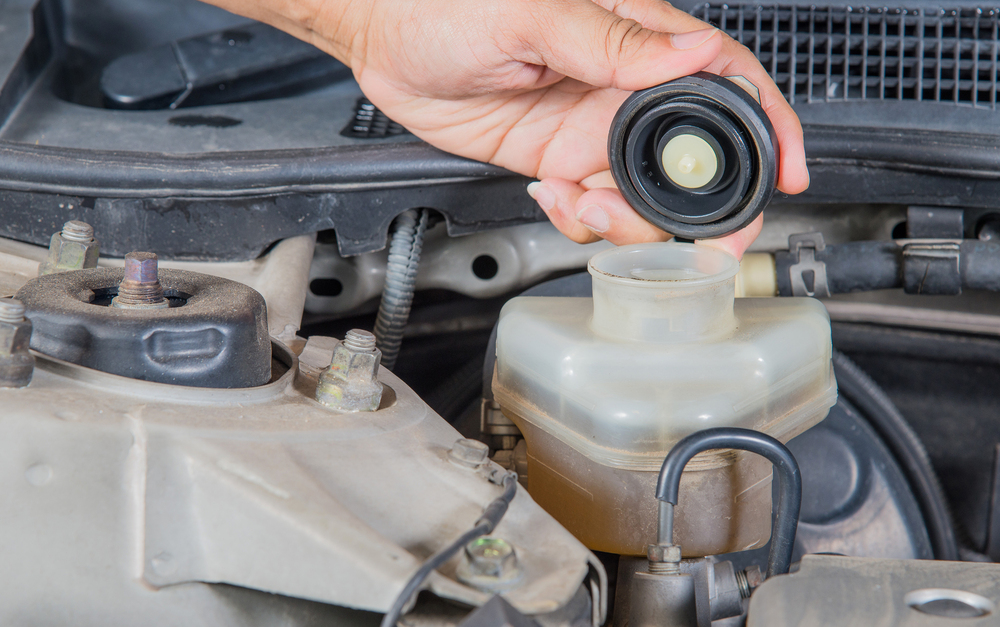
Mercedes Recalls 30,000 Maybach and S-Class Models Over Failing Brake Hoses

How to Clear a Musty Car AC Smell Before It Costs a £300 Repair

14 Percent of Keyless Car Owners Faced a Relay Theft Attempt, DVLA Data Shows

I travelled down the Champs-Élysées and around the Arc de Triomphe in a self-driving car
Trending on Motoring Chronicle

McLaren’s carbon fibre heritage and DNA: From the revolutionary MP4/1 Formula 1 car to the new W1 ultimate supercar [Photo Gallery]

Exterior accent colours extend Bentley palette beyond 46 billion possibilities [Photo Gallery]

Bentley Motors announces bold new direction for its Foundation

Over 1 Million Honda Hybrids Recalled as Tire Repair Kit Bottles Can Burst
