Massachusetts Proposes Nation-Leading Rules for Uber and Lyft Drivers


Massachusetts regulators want to rewrite the rulebook for Uber and Lyft, and the changes would touch nearly everyone who drives for a living in the state and anyone who books a ride from a phone. The Department of Public Utilities opened a formal rulemaking this year to tighten background checks, add new driver training requirements, and push rideshare fleets toward electric vehicles, a package officials call nation-leading.
What the New Rules Would Change
The DPU’s Transportation Network Company Division has regulated Uber, Lyft and three smaller rideshare companies for nearly a decade, overseeing more than 104,000 certified drivers in the state. Over that span the division has run over 800,000 background checks, handled thousands of driver appeals, and levied more than $6 million in civil penalties against the companies for compliance failures. The proposed regulations expand the list of offenses that disqualify a driver, including suspended or revoked driving privileges earned in any state, and add a rule against letting an unvetted person drive on someone else’s rideshare account.
Background checks would also get broader and more frequent. Companies would have to pull a driver’s criminal and motor vehicle history from every state where that driver has lived or held a license over the past seven years, not just their current state, and would need to run a fresh check whenever a driver’s personal information changes, such as a new license from another state. The third-party firms that perform these background checks would face new accreditation requirements of their own, meant to guarantee their results hold up.
New Protections Riders Would Notice
Passengers would gain a stronger version of ride verification technology already built into the Uber and Lyft apps, letting riders confirm more easily that the car pulling up is really the one they booked. The rules would also make it simpler for a passenger to share live trip details with a trusted contact or law enforcement in an emergency. Riders under 16 would need an adult with them for any trip, closing a gap that has let unaccompanied minors book rides on a parent’s account.
Companies would also be required to run an annual recall check on every vehicle used to provide rides, catching the kind of open safety recall that might otherwise go unaddressed on a driver’s personal car. Drivers would get mandatory yearly training covering safe driving, distracted driving prevention, human trafficking awareness, and how to serve passengers who use wheelchairs or travel with service animals. Companies that violate the driver-related rules would face a $500 fine per violation.
The Electric Vehicle Push and Driver Pushback
The regulations also lean into electrification. TNCs would have to file biennial reports on their progress moving fleets to battery power, building on a state law that already requires rideshare companies to work toward that goal. Starting in 2024, the state’s Ride Clean Mass program has paid out roughly $1.45 million in vouchers to about 300 rideshare drivers to help cover the upfront cost of buying or leasing an electric vehicle, and officials say the rebates remain open to qualifying drivers.
A separate, related proposal has drawn louder objections from drivers themselves. It would require any vehicle a rideshare company owns or leases out to drivers, as opposed to a driver’s own personal car, to be electric within a year of taking effect. At a June hearing, drivers told regulators the mandate would raise their costs and cut into their earning time. Uber driver Jim Klot, who has worked for the platform for 11 years, said charging stations often carry waits of up to three hours on top of the roughly two hours a full charge can take, time that comes directly out of a driver’s ability to earn fares. The rule would not apply to a driver’s privately owned vehicle, and paratransit and wheelchair-accessible vehicles are excluded as well.
Why Massachusetts Is Moving Now
DPU Chair Jeremy McDiarmid described the package as an attempt to set a national standard for how states police rideshare companies, calling passenger safety and fair treatment of drivers in the background-check process the top priorities behind the rewrite. Commissioner Liz Anderson said the changes would create new standards for both companies and drivers so that everyone gets the safest possible ride, while Commissioner Staci Rubin tied the electrification piece to transportation’s status as the largest source of greenhouse gas pollution in the state, arguing the rules can advance that goal without leaving drivers to absorb the cost alone.
Transportation is not a small part of the Massachusetts economy or its climate plan, and rideshare vehicles rack up far more miles per year than the average personal car. State officials see the sector as an outsized lever for cutting emissions, but the June hearing made clear that drivers who own or lease their vehicles want any transition paid for, not just mandated.
How Massachusetts Compares With Other States
Rideshare oversight varies widely from state to state. Some states leave background checks almost entirely to Uber and Lyft’s own internal processes, with limited state auditing of the results. California requires annual re-screening and expanded the list of disqualifying offenses under a 2026 law, while several states still rely on a single check performed when a driver first signs up, with no requirement to repeat it unless a complaint triggers a review. Massachusetts already stood out for running its own parallel background-check program on top of what the companies do internally, and the proposed rules would extend that state-level check to cover a driver’s full multi-state history rather than just their current address.
The gap is a real risk for riders who cross state lines regularly: a driver who lost a license in one state for a serious violation could otherwise pick up a clean rideshare certification in a neighboring state that never checks that record. Massachusetts regulators say closing that loophole, rather than any single new fine or penalty, is the change most likely to keep a passenger safer on an average trip.
What Drivers Should Watch For
Current rideshare drivers in Massachusetts do not need to take any action yet: the rules are still in draft form and have not been finalized. Once adopted, drivers should expect the annual training requirement to arrive through the Uber or Lyft app rather than a separate state-run course, with completion tracked by the platform and reported to the DPU. Drivers who have lived in more than one state over the past seven years should be ready for a background check that reaches further back and further afield than what they went through when they first signed up, and should not be surprised if the process takes longer than a same-day approval.
Drivers who lease or rent their vehicle through a company program, rather than driving their own car, are the ones most directly affected by the electric vehicle fleet mandate under consideration. Anyone in that position who wants a say in the final rule can still submit comments or watch for the next public hearing: the DPU has not closed the docket on the fleet electrification piece, even with the written comment window on the broader safety package already passed.
What Happens Next
The DPU published its draft regulations through the Secretary of the Commonwealth and has scheduled two public hearings to gather feedback from drivers, riders and rideshare companies before finalizing anything. The written comment period on the safety and background-check regulations closed July 2, and the DPU is now reviewing that feedback alongside testimony from the June hearing on the EV fleet mandate. No effective date has been set, and the rules could still change based on the comments regulators received.
Riders who want to track the proposal can follow the DPU’s rulemaking docket directly through the Transportation Network Company Division’s page on Mass.gov, where the agency posts hearing notices and the final text once adopted. Drivers with questions about how the background-check changes or the EV rules might affect their certification can also contact the TNC Division directly rather than relying on secondhand summaries from the rideshare companies themselves.
For now, nothing changes for a Massachusetts rider booking a trip this week. The rules that will apply once the DPU finalizes them, and the timeline for the electric vehicle fleet requirement in particular, remain the two details worth watching for anyone who drives for Uber or Lyft in the state or depends on rideshare service to get around.
Sources:

Leave a Comment
More in News

Garage Complaints to the Motor Ombudsman Jumped 22 Percent as Payouts Hit £4,308

How Cap HPI Data Shows Some Used Electric Cars Losing 29 Percent of Value
POPLA Cancelled Nearly Half of 107,000 Parking Fines UK Drivers Challenged

What a Flashing Oil Pressure Light Means for Your Engine and How to React
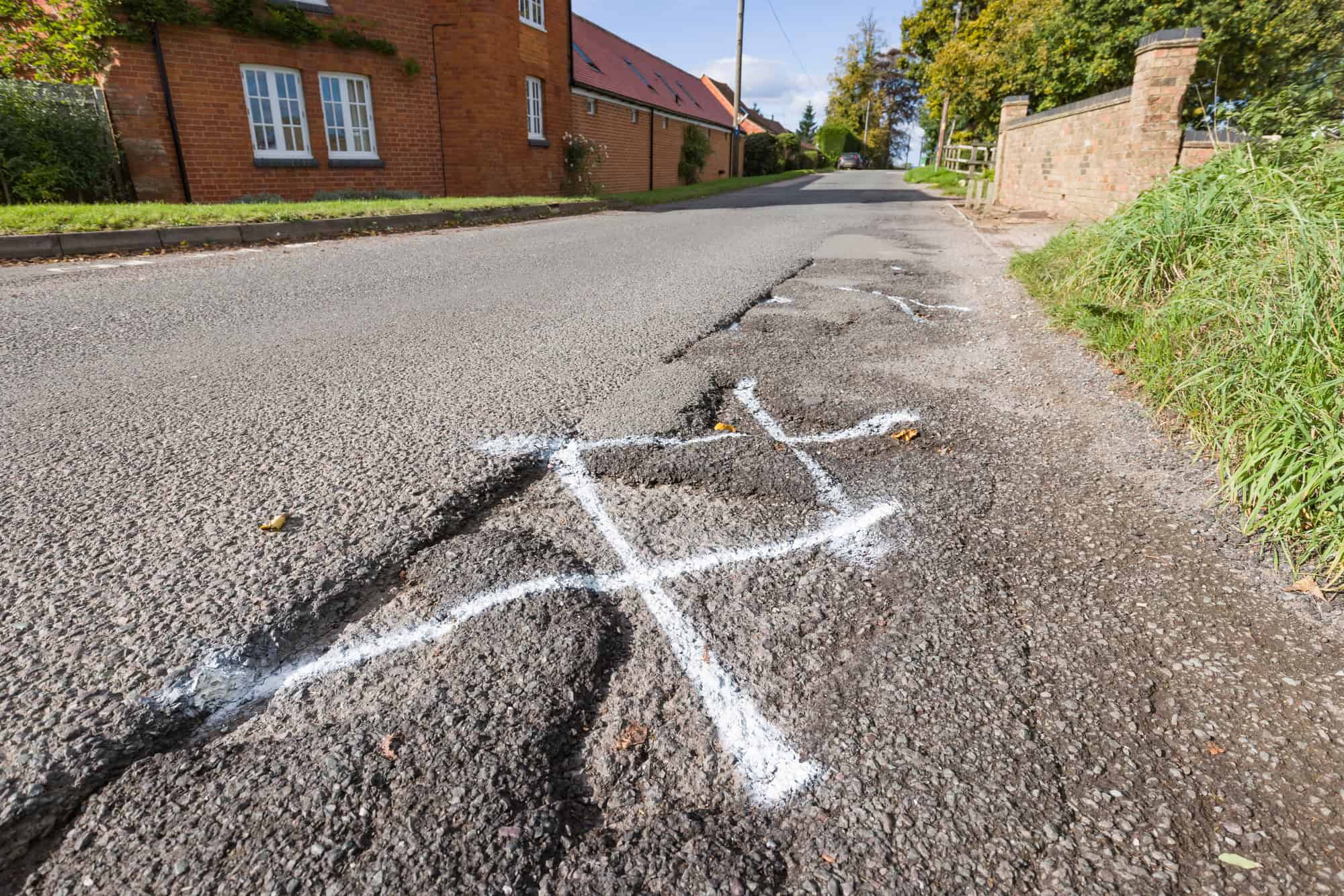
Every UK Driver Can Force Council Pothole Repairs Using a Free 1980s Law
Trending on Motoring Chronicle

2027 Toyota Corolla Adds 60th Anniversary Edition, Prices Start at $23,325
Dacia Duster and Bigster Hybrid 155 Prices Cut by Up to £1,750
Your Car’s Tiny Bump Now Costs £3,699 To Fix. Here’s Why

The new Mercedes-Maybach S-Class: True class runs deep