
Why Home EV Charging Now Costs Half as Much as Gas at 5 to 6 Cents a Mile
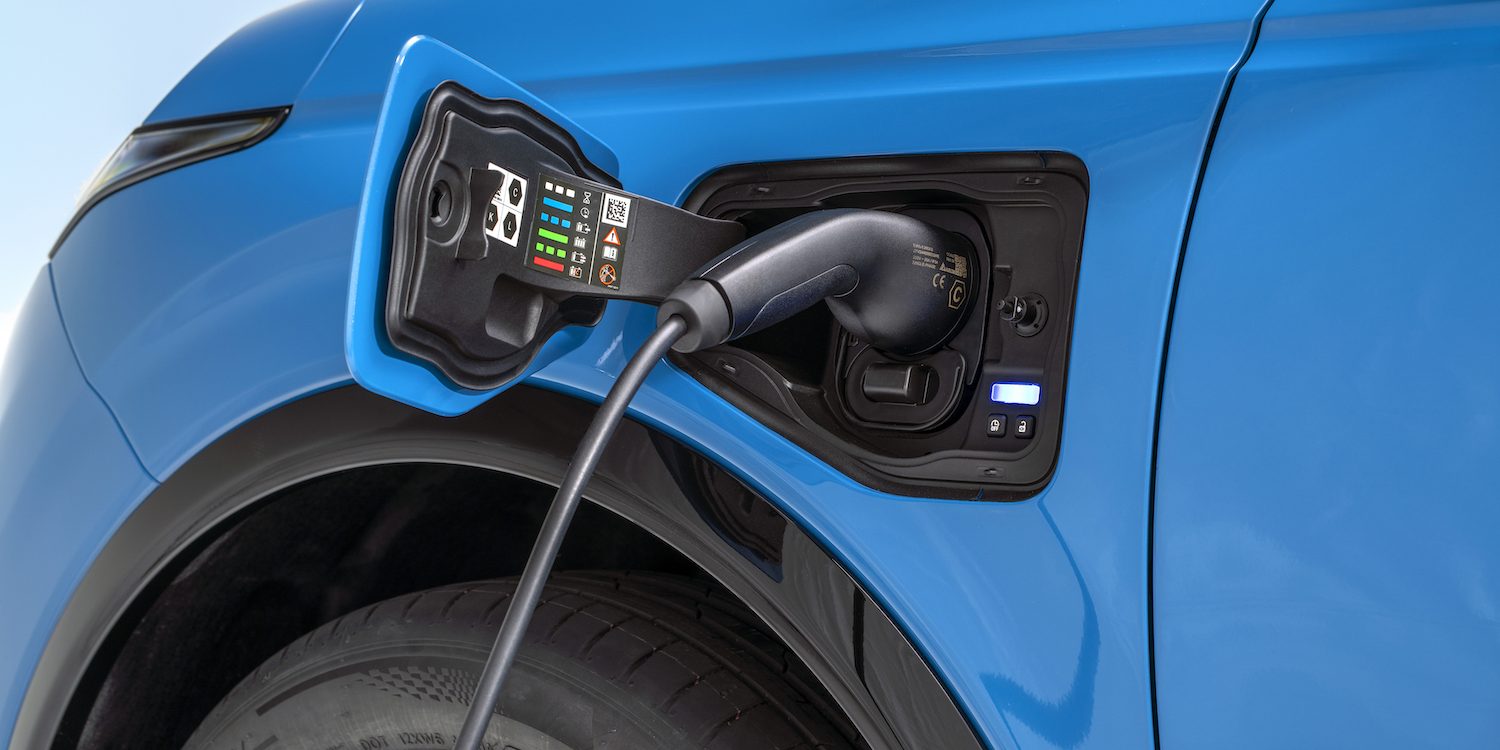
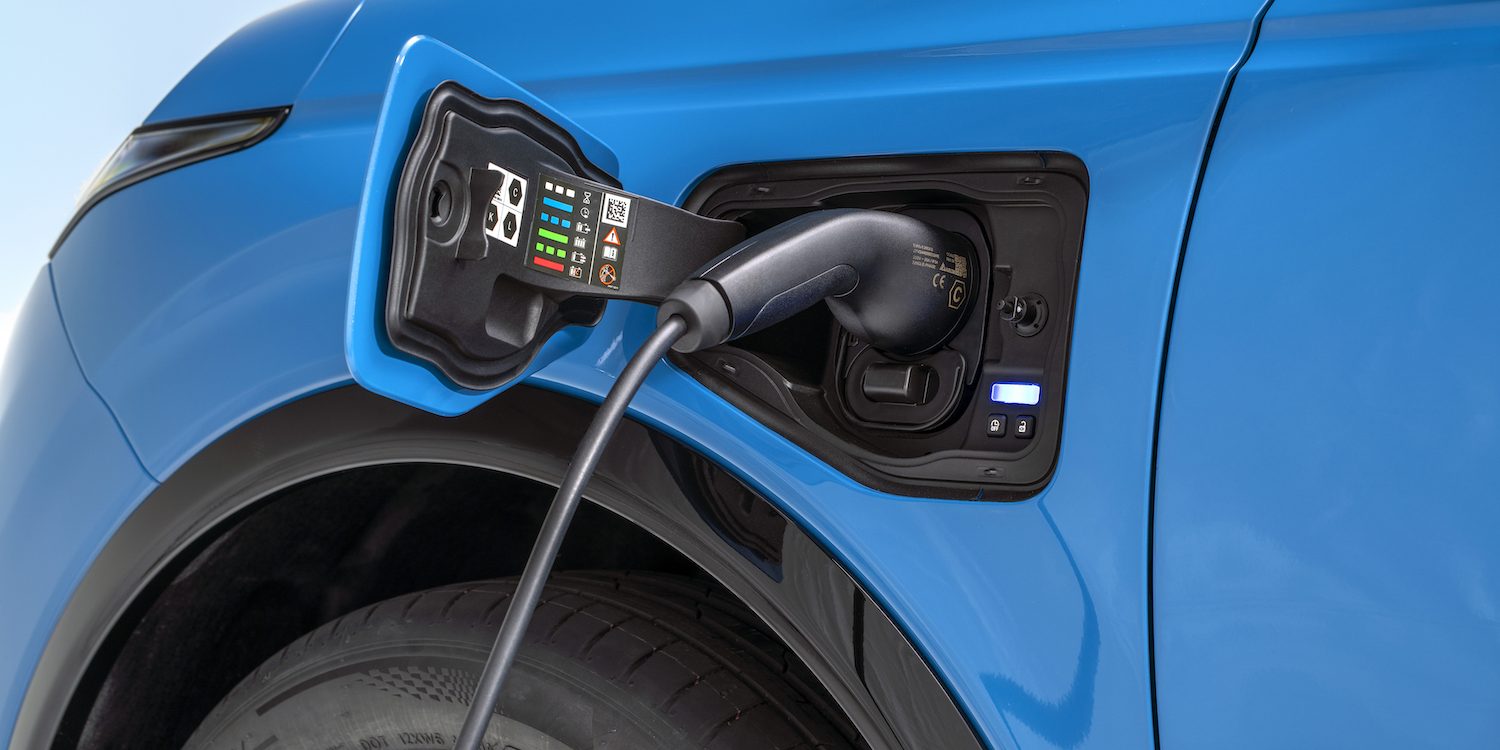
Plugging in at home now costs an electric vehicle owner roughly 5 to 6 cents per mile, according to new consumer guidance from EVIQO, a maker of home Level 2 chargers, built on data from the US Energy Information Administration and AAA. A gas car averaging 30 miles per gallon costs closer to 13 cents per mile at today’s pump prices. That gap, more than double, is the number drivers actually feel every month on their electricity and fuel bills.
The guidance lands at a pointed moment. AAA’s national average for regular gasoline sits near $3.94 a gallon as of this week, residential electricity averages about 18.8 cents per kilowatt-hour nationally as of April, and the federal tax credit that once offset the cost of installing a home charger expired for any unit placed in service after June 30, 2026. Drivers comparing an EV purchase against a gas car, or wondering whether their existing charger still pays for itself, are left doing the math largely on their own.
That gap between electricity and gasoline costs has widened over the past year as electricity rates have stayed relatively flat while gas prices swung with global oil markets. AAA’s national average bounced between roughly $3.80 and $4 a gallon for much of the summer as Middle East tensions rattled crude prices, while home electricity rates moved only a few cents in either direction over the same stretch.
The Math Behind 5 to 6 Cents a Mile
Most EVs use 25 to 35 kilowatt-hours to travel 100 miles. At the national average residential rate of roughly 19 cents per kWh, that works out to 5 to 6 cents a mile. Anyone can run the same formula for their own home: take the kilowatt-hours a vehicle uses per 100 miles, divide by 100, and multiply by the local electricity rate.
Location changes the outcome sharply. In lower-cost states charging around 13 cents per kWh, the per-mile figure drops even further. In expensive markets such as California or parts of New England, where rates can top 30 cents per kWh, home charging still costs less than gasoline, just by a smaller margin. A full charge illustrates the spread clearly: a 60 kWh compact EV costs about $7.80 at 13 cents per kWh, $11.40 at the national average, and $18 in a 30-cent market. A 100 kWh truck or full-size SUV runs from $13 to $30 for the same range of rates.
What This Saves Over a Month and a Year
The average American driver covers about 1,000 miles a month, according to Federal Highway Administration figures cited in the guidance. At home electricity rates, that comes to roughly $50 to $65 a month for most EVs. Covering the same distance in gasoline runs closer to $125 a month at today’s prices. Stretched across five years of ownership, the fuel savings alone reach several thousand dollars, before factoring in the lower routine maintenance costs EVs typically carry compared with gas engines.
Where a driver charges counts almost as much as what they drive. Home Level 2 charging averages about 19 cents per kWh, while AAA puts the national public charging average near 41 cents per kWh, with peak-hour DC fast charging running higher still. A full 75 kWh charge that costs about $14 at home can run $30 to $38 at a public fast charger. That gap is why most EV owners are told to treat public charging as a road-trip tool rather than a daily habit, reserving it for the miles home charging cannot cover.
Apartment renters and anyone without a dedicated driveway or garage face a different calculation entirely: they often have no choice but to rely on public charging for most or all of their miles. For that group, the home-versus-public gap is not a savings opportunity but a real cost disadvantage compared with EV owners who can plug in overnight at a house, a factor that state and utility rebate programs have increasingly tried to address through workplace and multifamily charging incentives.
The Federal Charger Credit Is Gone, but Other Incentives Are Not
The federal Section 30C credit, worth 30 percent of a charger and its installation up to $1,000, expired under the One Big Beautiful Bill Act for any charger placed in service after June 30, 2026. Households that installed before the deadline can still claim it on IRS Form 8911 when they file. For anyone installing now, that specific credit is off the table.
Utility-level rebates have not disappeared, and several remain active heading into the back half of 2026. ComEd in Illinois pays up to $1,000 toward a residential Level 2 installation, rising to $2,500 for income-qualified customers who enroll in a time-of-use rate, through the end of the year. Los Angeles’s LADWP rebates up to $1,000 on a qualified home charger, and Michigan’s Consumers Energy pays up to $500, doubling to $1,000 for income-qualified households. Most of these programs run first-come, first-served and can change funding levels over the course of the year, so confirming the current offer for a specific address before buying is worth the extra few minutes.
Households outside those specific utility footprints should still check their own provider’s website directly. Rebate programs of this kind exist in dozens of markets beyond the three named here, and each one changes on its own separate schedule.
State-level programs sit on top of whatever a local utility offers. California, New York, Massachusetts, Colorado and Washington all run their own EV-related incentives that can stack with a utility rebate, ranging from purchase credits to dedicated charger installation grants for lower-income households. None of these state programs replaces what the federal charger credit used to provide, but combined with a utility rebate and an off-peak electricity plan, they can still bring the effective cost of a home charger close to what buyers paid before the federal credit expired.
Switching to Off-Peak Rates Beats What the Tax Credit Ever Paid
Time-of-use electricity plans offer a second lever drivers can pull without waiting on any government program. A driver covering 1,000 miles a month uses roughly 300 kWh of charging energy. Shifting that load to an overnight rate that runs 5 to 7 cents below the standard price saves $15 to $20 a month, or $900 to $1,200 over five years, a figure that matches or exceeds the $1,000 ceiling the now-expired federal credit ever offered a single household.
Getting there takes a few practical steps: buy a UL- or ETL-listed, Energy Star-certified Level 2 charger, as certification remains the most common eligibility requirement across the utility rebate programs still standing; confirm the current incentive for the exact installation address, as offers shift throughout the year; and enroll in a time-of-use plan with the local utility before scheduling installation, so the charger can start saving money from its first night in service. Drivers installing outdoors should also check that the unit carries an IP66 or NEMA 4 weatherproof rating, which stands up to rain, snow and heat without a separate enclosure.
Amperage is worth getting right too. A 40-amp plug-in unit on a standard NEMA 14-50 outlet covers most daily driving for a typical sedan or crossover, while a 48-amp hardwired unit suits larger trucks, big-battery SUVs and households running more than one EV off the same circuit. Certified 40-amp units now start just under $400 before any rebate is applied, putting the hardware cost itself within reach even without a state or utility incentive attached.
None of this requires a new EV purchase to count. Owners who already have a charger installed and have not switched to an off-peak plan are leaving the same savings on the table as someone who never installed one at all. The rate a driver pays, not just where they plug in, decides how much a full charge actually costs.
Sources:

Leave a Comment
More in News

What an AdBlue Warning Light Really Means Before Your Diesel Refuses to Restart

How Bus Lane Cameras Earned Councils £37.7 Million by Fining UK Drivers This Year
Every New Car Buyer Could Get Bigger Discounts as Britain Misses Its EV Target

Drivers Using Rapid EV Chargers Pay 79p a kWh, Up 4 Percent, Zapmap Shows
How to Tell DVLA You Sold Your Car (and Avoid the Buyer’s Fines)
Trending on Motoring Chronicle

Mercedes-AMG presents highly exclusive special edition for start of the new movie F1 – one of the most exciting and intense racing films of all time [Photo Gallery]

Only 44 Percent of UK Drivers Think They Would Pass Today’s Theory Test

What Illinois Drivers Over 79 Need to Know as Road Tests End July 1

New 2026 Nissan Z Heritage Edition revealed with retro cues from 300ZX
