
Home EV Charging Costs Rise Up to £52 a Year After July’s Energy Price Cap Increase
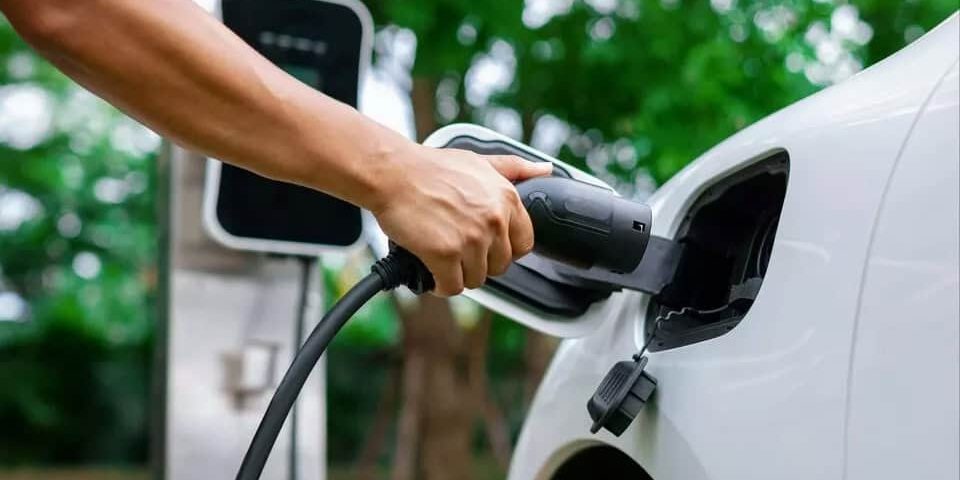
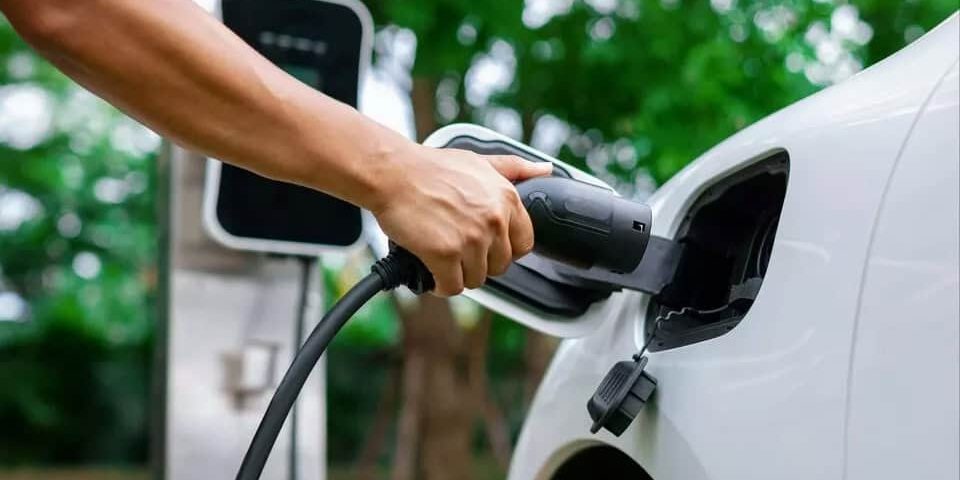
Charging an electric car at home just got more expensive. Ofgem’s quarterly price cap rose on 1 July, pushing the maximum rate that suppliers can charge default-tariff customers for electricity up by 13.5 per cent, and drivers who top up overnight on a standard variable tariff will now pay between £20 and £52 more a year to keep their car charged.
What Changed on 1 July
Ofgem reviews the energy price cap every three months, setting the maximum unit rate and standing charge that suppliers can apply to customers on standard variable tariffs. The cap does not fix bills directly, as actual costs depend on how much energy a household uses, but it sets the ceiling.
From 1 July, the typical dual-fuel household on a capped tariff paying by direct debit will see its annual bill rise to £1,862, an increase of £221, or 13.5 per cent, on the previous three-month period. The electricity unit rate climbed from 24.67p per kWh to 26.11p per kWh, with the daily standing charge also edging up to 57.19p. Ofgem has attributed the rise to continued disruption in global oil and gas markets linked to the conflict in the Middle East, which has pushed wholesale energy costs higher across the board.
For drivers who plug in at home, the change lands directly on the cost of every charge. A full charge of a 60kWh battery at the new default rate now costs £15.67, up from £14.80 in the previous quarter. That difference looks small on a single charge, but it compounds across a year of regular top-ups, and only applies to the roughly 40 per cent of UK households who charge on a standard variable tariff rather than a dedicated EV deal.
How Much Extra You’ll Pay, Model by Model
The exact increase depends on battery size and how many miles a driver covers, but analysis of the new rate shows a clear pattern. Tesla Model 3 owners charging exclusively on a default tariff face an extra £33 a year. Cupra Born and MG4 drivers are both looking at increases of more than £32 annually. The steepest rise falls on BMW iX3 owners, whose larger battery pushes the additional annual cost to around £52.
Smaller-battery cars fare better. A driver with a compact EV doing modest mileage might see an increase closer to £20 a year. Ofgem has been clear that the rise only affects households on standard variable tariffs; anyone on a fixed-rate deal is protected until that fix ends, regardless of what happens to the cap in the meantime.
Even with the increase, home charging on a default tariff remains far cheaper than filling up with petrol or diesel. At current pump prices, covering the same distance in a petrol car costs roughly three times as much as charging an EV on the new capped rate, and closer to seven times as much for a driver on a dedicated off-peak EV tariff. The rise dents, rather than erases, the financial case for going electric, though it will sting for owners who chose an EV specifically on the promise of near-negligible running costs.
The increase arrives at an awkward moment for the used EV market and for drivers who switched to electric partly on the promise of cheap running costs. Public charging has also become more expensive this year, though some networks have cut prices at selected sites this summer to compete for custom, and a government review into public charging costs is still working through its findings after prices rose 38 per cent earlier this year.
Why the Price Cap Only Tells Half the Story
The single most important detail for EV owners is that the price cap only applies to standard variable tariffs. Most dedicated EV tariffs are fixed or time-of-use products that sit entirely outside the cap, and for drivers who can shift their charging into an off-peak window, these deals make the July increase almost irrelevant.
Intelligent Octopus Go currently charges around 7p per kWh in its overnight window, roughly 11:30pm to 5:30am, with rates varying slightly by region. E.ON Next Drive sits close behind at about 6.7p per kWh overnight, OVO’s Charge Anytime tariff charges a comparable rate, and British Gas Electric Driver comes in nearer 9p. Compare any of those figures with the new 26.11p default rate and the gap becomes obvious: a driver on an off-peak EV tariff can charge a 60kWh battery for around £4 to £5, against £15.67 on the capped standard rate.
That gap exists as suppliers accept a lower margin overnight, when national electricity demand is low, in exchange for a higher rate in daytime hours that covers a household’s other electricity use. The arrangement works well for anyone who can plug in before bed and unplug in the morning, but it works against drivers who need to charge in the daytime or who don’t have off-street parking to install a home charger in the first place.
What To Do If You’re Still on a Standard Tariff
Drivers paying the default rate for home charging have a few practical options before the next price cap review in October.
Switching to a dedicated EV tariff is the most direct fix, but it requires a working smart meter, as suppliers need to bill the off-peak hours separately from daytime use. Most major suppliers will arrange a smart meter installation as part of the switch if a household doesn’t already have one, though this can take several weeks to schedule.
Before switching, drivers should check the peak rate and the off-peak one. EV tariffs typically charge more than the standard rate in daytime hours to fund the cheap overnight window, so anyone who regularly uses a tumble dryer, oven or other heavy appliances in the daytime needs to weigh that cost against the charging saving. It’s also worth checking for exit fees on fixed-term EV tariffs before committing, especially for drivers who might move house or change car within the contract period.
For drivers who can’t access an off-peak tariff, timing still affects the bill. Setting a car to charge automatically overnight, even on a standard variable rate, avoids nothing on price but does reduce the risk of accidentally topping up in the more expensive winter evening peak once clocks change and demand patterns shift.
What Happens Next
Ofgem’s next price cap announcement is due in late August, covering the October to December period. Wholesale gas and electricity prices have been volatile through 2026 amid the Iran conflict’s effect on oil and LNG shipments through the Strait of Hormuz, and any further escalation could push the cap higher again in the autumn review. A cooling of tensions, by contrast, could bring the cap back down, as has happened at points earlier this year when prices briefly eased.
Separately, the government is examining a wider cut to VAT on public charging, after a tax tribunal ruled in February that public EV charging should qualify for the reduced 5 per cent domestic rate rather than the standard 20 per cent. HMRC is appealing that ruling, but if it fails, the roughly 40 per cent of households without a driveway who rely on public chargers could see costs fall significantly, even as home charging costs rise under the new cap.
For now, the practical takeaway for anyone charging at home is simple: check which tariff you’re on, and if it’s a standard variable rate, work out whether an off-peak EV tariff would leave you better off. For most drivers who can charge overnight, it will.
Sources:

Leave a Comment
More in News
Every Electric Car Driver Will Now Pay 3p a Mile From 2028 (and What It Adds Up To)
Older Cars and Vans Now Cost Drivers £780 Annually in Clean Air Zone Charges
Why Government Delayed a 2p Fuel Duty Rise That Still Hits Drivers in December
AA Data Shows Computer Faults Cost Drivers Up To £900 as Breakdowns Double

How a Deer Strike This Autumn Could Cost UK Drivers £2,713 in Repairs
Trending on Motoring Chronicle
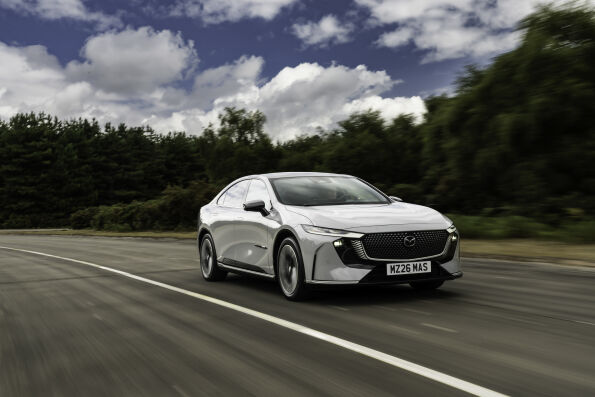
Mazda6e Lands in UK This Summer from £38,995 with Half-Price Home Charger Offer
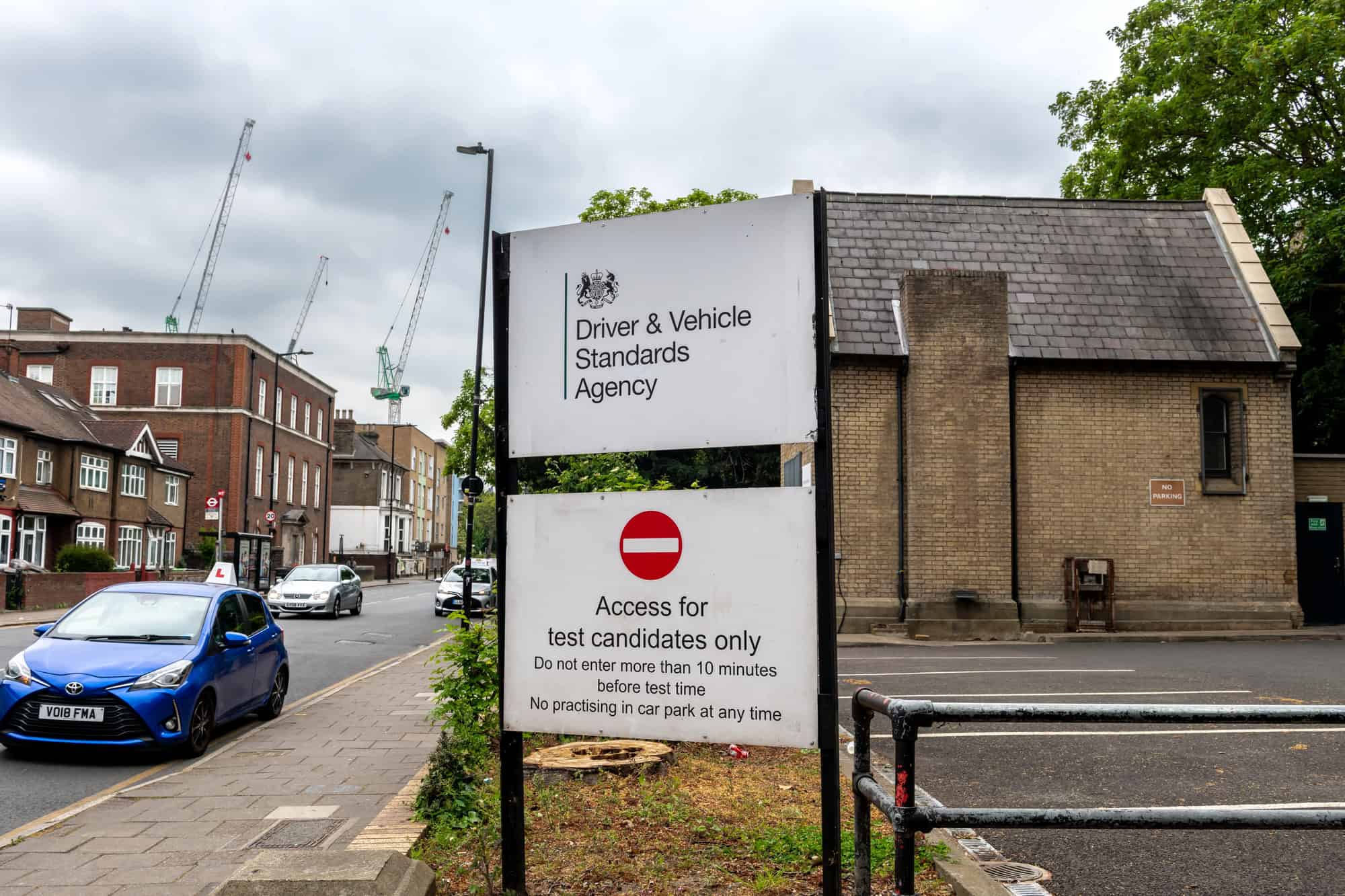
DVLA Medical Licence Delays Averaged 11 Weeks All Year, Official Figures Confirm
Millions of UK Drivers Face a Record £4,900 Car Insurance Claim, ABI Reveals

New Renault Megane E-Tech Electric Gains 67kWh Battery and 310-Mile Range
