Every Electric Car Driver Will Now Pay 3p a Mile From 2028 (and What It Adds Up To)


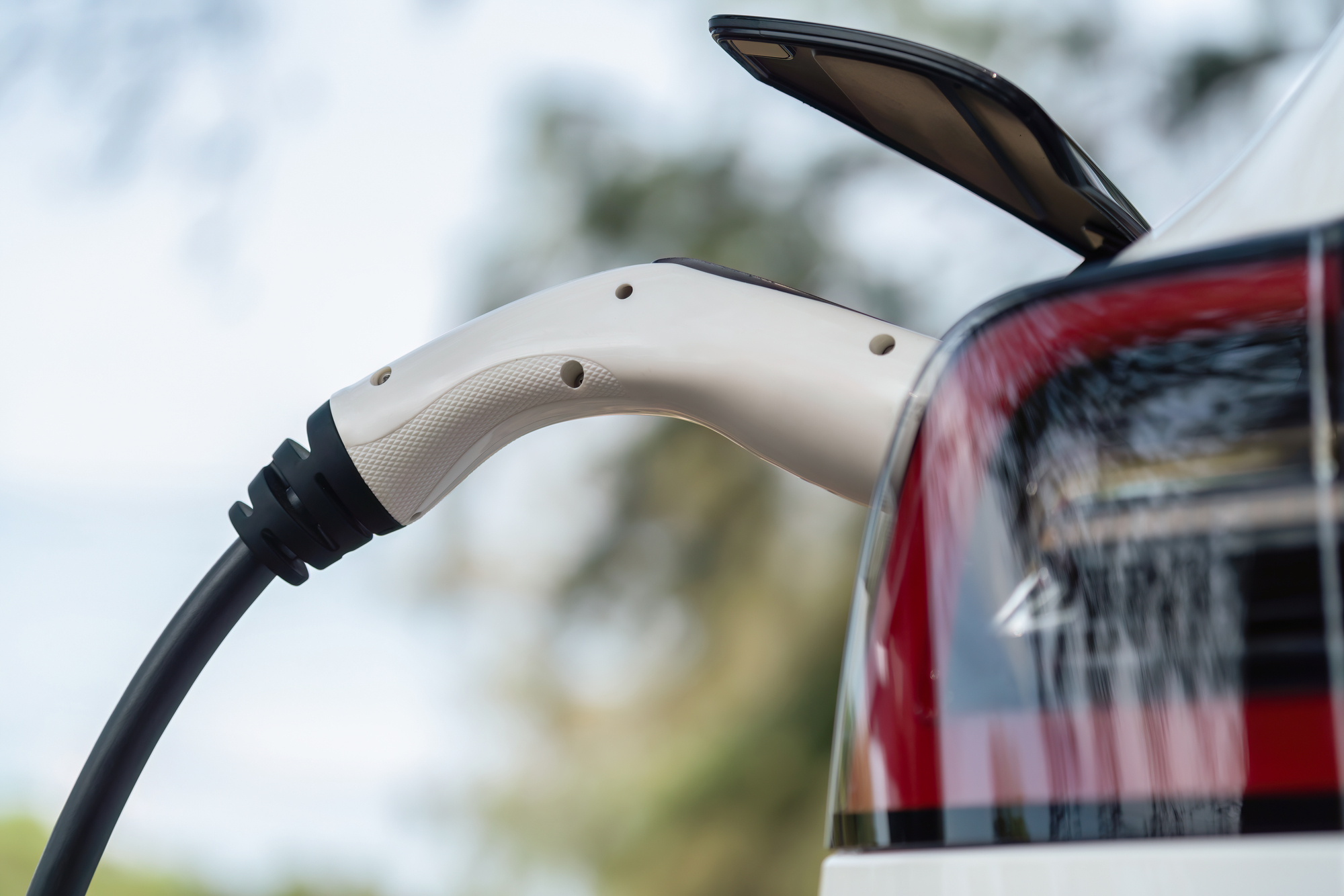
- A new mileage based tax called eVED starts on 1 April 2028, charging electric car drivers 3p for every mile and plug-in hybrid drivers 1.5p a mile.
- The average electric car driver covering 7,400 miles a year will pay about £222 in eVED, roughly half what a petrol driver covering the same distance pays in fuel duty.
- Mileage is verified through the annual MOT and paid alongside road tax, and winding back an odometer to dodge the charge becomes a new criminal offence.
Why electric car owners are about to get a road tax bill that moves with the miles they drive
Electric car owners have had eight years of driving past the pumps without paying a penny in fuel duty. That ends on 1 April 2028, when HM Treasury introduces Electric Vehicle Excise Duty, a new charge that taxes electric and plug-in hybrid cars by the mile rather than by the tank. The rates were confirmed in a government response published in July 2026, after a consultation that drew more than 5,000 replies from drivers, fleets and the motor industry.
Fully electric and hydrogen fuel cell cars will be charged 3p for every mile driven. Plug-in hybrids and range extender vehicles pay half that, at 1.5p a mile, as they already contribute to fuel duty through the petrol they burn. For the average UK driver, who covers around 7,400 miles a year according to government mileage data, that works out at roughly £222 a year for a fully electric car, or about £18.50 a month. A plug-in hybrid driver covering the same distance would pay close to £111 a year.
Put next to what a petrol or diesel driver already pays, the new charge looks modest. Fuel duty currently adds up to roughly 6p a mile once it is built into the price at the pump, so a petrol driver covering 7,400 miles a year hands over close to £444 in duty alone, before the cost of the fuel itself. An electric driver on eVED will still pay less than half that. The incentive to switch does not disappear. It simply gets smaller.

Who it hits, and how the DVLA will actually collect it
Every owner of a battery electric, hydrogen or plug-in hybrid car will be brought into eVED from April 2028. Vans, buses and heavy goods vehicles are excluded from this first phase. The government has built the new charge onto the existing vehicle tax system rather than creating a separate scheme, so there is no new app or portal to register with.
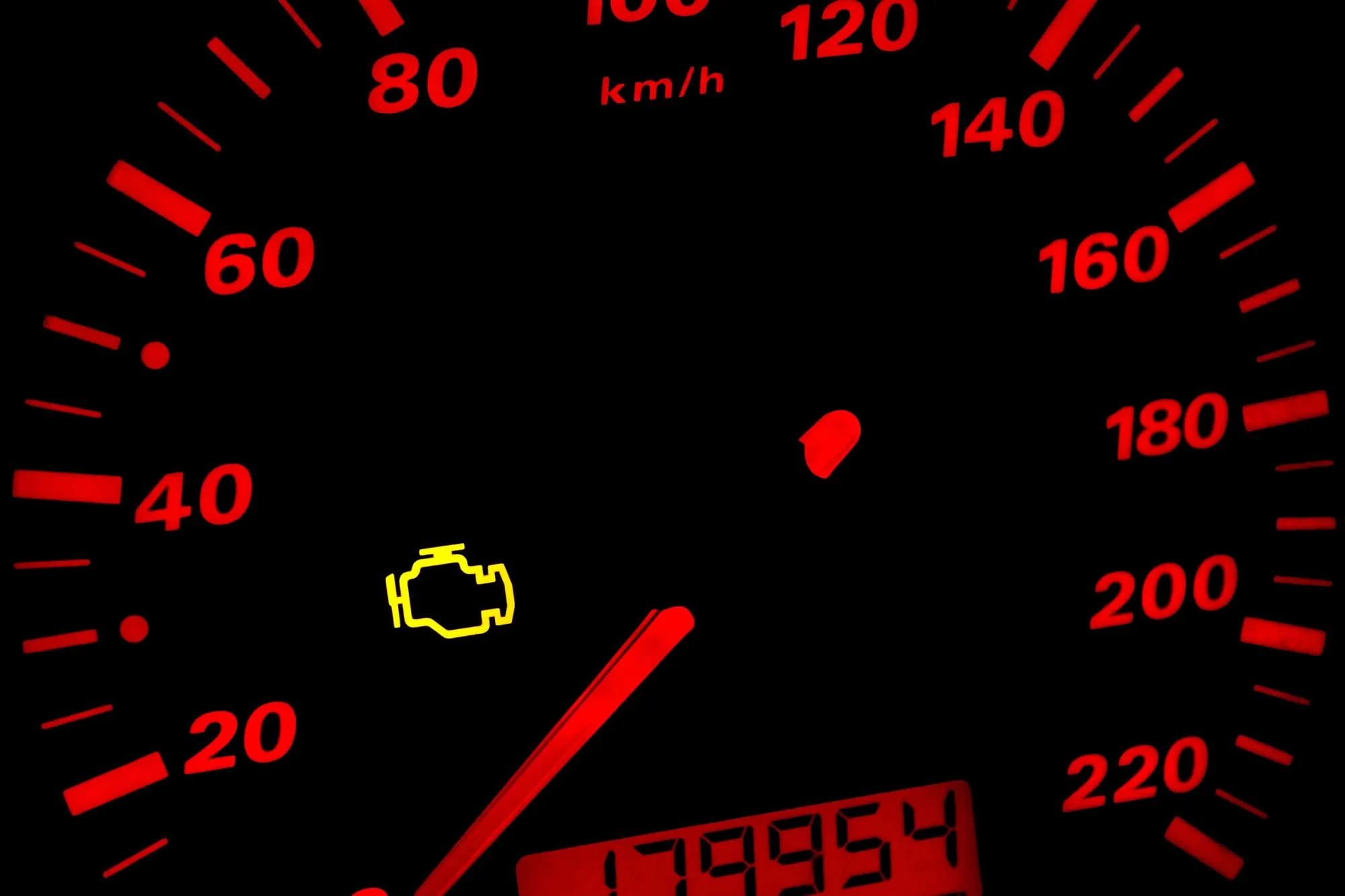
When a driver renews their road tax, they will submit an odometer reading and estimate how many miles they expect to drive over the coming year. Payment can be made monthly, every six months or annually, in the same way VED works today. That estimate is then checked against the real figure recorded at the car’s next annual MOT test, as the MOT already logs mileage as a matter of course. Drive more than estimated, and the difference is billed. Drive less, and the credit carries forward to the following year.
One detail that caused concern in the consultation has been dropped. Officials had originally proposed extra mileage checks for cars under three years old, which do not yet require an MOT. After hearing from the industry, the government scrapped that plan, so newer electric cars will not face additional inspection purely to satisfy eVED.
A new offence has been created alongside the charge. Deliberately tampering with an odometer to reduce a recorded mileage and lower an eVED bill will now count as a criminal act, closing off the obvious way round the system.
What it costs if your circumstances change, and the parts the government backed away from
Drivers who lose their job, fall ill or see their financial circumstances change unexpectedly will be able to self-certify hardship and claim back overpaid eVED, provided the amount involved is more than £100. The government has said further refund scenarios will be set out by the end of 2026, though the detail of how claims will be assessed has not yet been published.
Privacy was the other flashpoint. Ministers confirmed there will be no trackers fitted to cars and no location data collected to calculate the bill, a direct response to memories of the last time a UK government tried road pricing. A 2007 petition against a proposed national road pricing and tracking scheme drew 1.8 million signatures and briefly overwhelmed the Downing Street website, and the plan was shelved within weeks. That history explains why this version leans so heavily on self reported mileage and MOT verification rather than any form of monitoring. Miles driven abroad still count toward the total, as deducting them would have required tracking a car’s location rather than simply reading its odometer.
Fleets and leasing companies, who register the largest share of new electric cars, will be able to handle eVED in bulk across their vehicles rather than filing an estimate for each one individually. A form of optional connected vehicle technology is also being developed for drivers who would rather have their mileage reported automatically, though take up will not be compulsory.
Why the Treasury needs the money, and what softens the blow
The reasoning behind eVED is more about arithmetic than ideology. Fuel duty currently brings in between £24 billion and £27 billion a year, money that helps fund schools, hospitals and road repairs. The Office for Budget Responsibility has warned that receipts from fuel duty could fall close to zero by 2050 as more drivers switch to electric power, as the tax is charged per litre of fuel sold rather than per mile driven. A freeze on fuel duty rates that ran from 2011 until the 2025 Budget is estimated by the OBR to have already cost the Treasury around £120 billion in foregone revenue. Without a replacement, the shift to electric cars threatens to blow a steadily growing hole in the public finances.
Alongside eVED, the government has put together a £7.5 billion package aimed at keeping the switch to electric cars on track. The Electric Car Grant, which knocks money off the price of eligible new electric models, has been boosted to £2 billion in total. A further £200 million has been allocated to public charging infrastructure. The Expensive Car Supplement threshold, an extra VED charge that currently applies to cars costing more than £40,000, is being raised to £50,000 for electric vehicles, sparing many mainstream electric models from the surcharge. In the first three years of eVED, 80 percent of the revenue it raises will be reinvested directly into EV support schemes.
The reaction from the industry has been mixed. The Society of Motor Manufacturers and Traders called eVED the wrong measure at the wrong time, warning it risks denting demand in a market it says is still fragile. The RAC accepted the fiscal logic but said it could slow the pace of the switch to electric cars. The AA backed the principle and welcomed the decision to rule out tracking technology, while pushing for the system to stay simple for rural and less well off drivers, who tend to cover more miles out of necessity rather than choice. Green Alliance, an environmental group that supports road pricing in general, has asked the government to delay eVED until 2030 to avoid slowing EV uptake at a sensitive stage in the transition.
What to do before the charge arrives
There is nothing to sign up for yet. The changes take effect from 1 April 2028, and draft legislation has been published alongside the consultation response, so the plan is close to final rather than a proposal that might still be dropped. From 2029-30, the rate will rise each year in line with inflation, so the 3p a mile figure will not stay fixed for long.
Drivers who lease or plan to sell an electric car in the next few years should track how mileage credits transfer with a change of owner, as the detail for the used market has not been finalised. Anyone buying an electric car now, or considering one before 2028, can use the rates already confirmed, 3p a mile for a full electric and 1.5p for a plug-in hybrid, to work out roughly what the new charge will add to their running costs. For most drivers doing average mileage, the answer is still less than £20 a month, and still cheaper than the fuel duty a petrol equivalent would rack up over the same distance.
Sources:
- HM Treasury, The introduction of Electric Vehicle Excise Duty (eVED): Consultation Response, July 2026
- GOV.UK, Consultation on the Introduction of Electric Vehicle Excise Duty (eVED)
- Office for Budget Responsibility, Fuel duties forecast
- UK Tax Calculators, Pay-Per-Mile: Electric Vehicle Excise Duty From 2028
- SMMT, Budget brings gains but EV market made more fragile

Leave a Comment
More in News
How to Tell DVLA You Sold Your Car (and Avoid the Buyer’s Fines)
Every New Car Buyer Could Get Bigger Discounts as Britain Misses Its EV Target

What Your Tyre’s Age Actually Means (and When Old Tyres Need Replacing)

Why Drivers Over 70 Pay £480 for Car Insurance While Everyone Else’s Bills Fall

Gas Prices Hit a Record High for October as California Tops $6.34 a Gallon
Trending on Motoring Chronicle

Discovery gears up for luxurious road trips with new Tempest and Gemini editions [Photo Gallery]
Croydon Drivers Still Owed £6.9 Million From Traffic Fines a Court Ruled Unlawful

What does Skoda VRS stand for?

MOT Failure Repair Bills Jump 70 Percent as Nine Million Drivers Face Higher Costs