Croydon Drivers Still Owed £6.9 Million From Traffic Fines a Court Ruled Unlawful
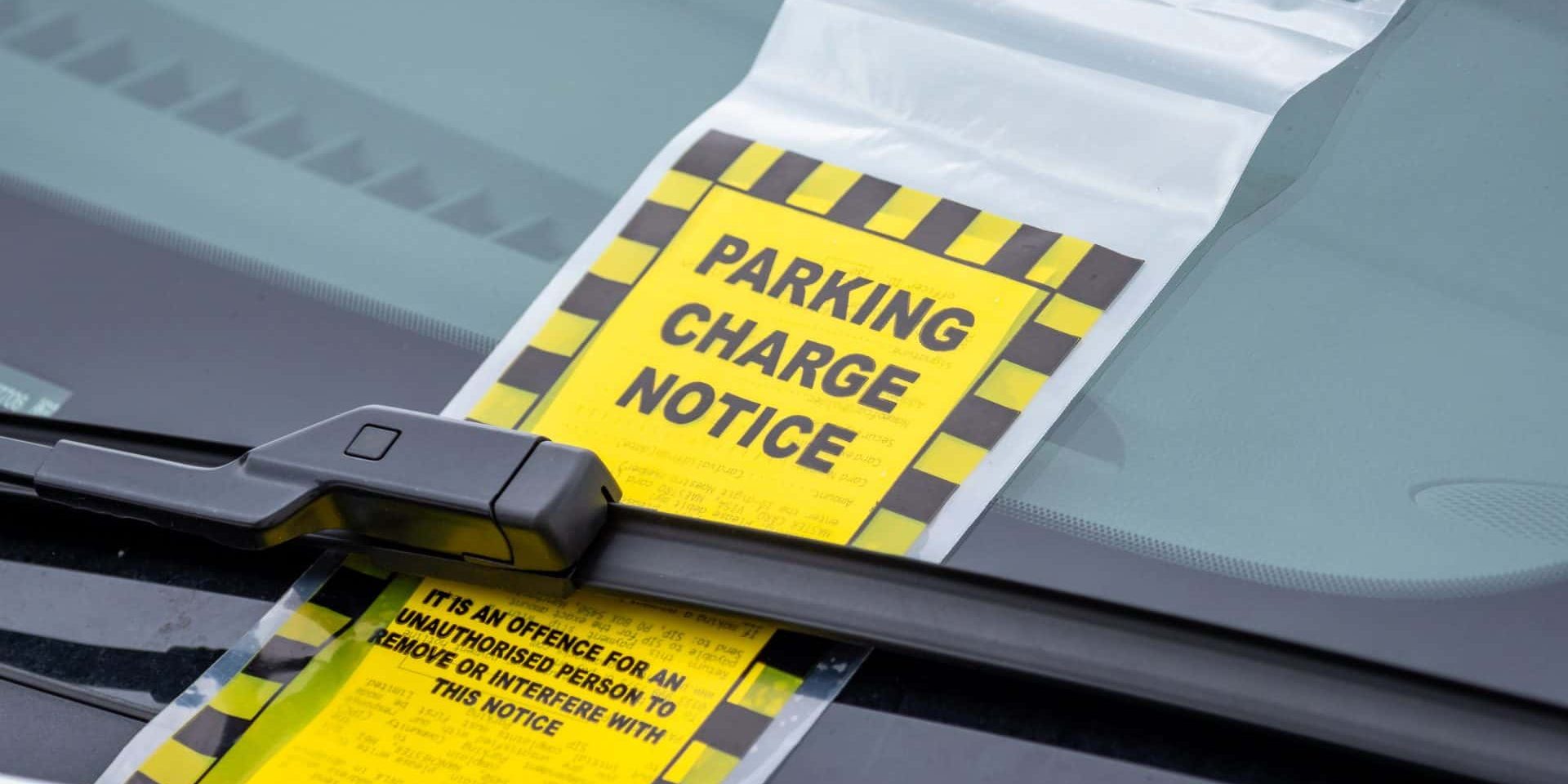
Croydon Council collected £7.2 million in penalty charge notices from six traffic camera schemes that a High Court judge later ruled unlawful. Five months after that ruling, the council has repaid just £360,962 of it. Fewer than one in ten of the 45,000 drivers who were fined have received their money back.
Why a judge quashed six of Croydon’s traffic schemes
The six Healthy Neighbourhood schemes sat on Albert Road, Dalmally Road, Elmers Road, Holmesdale Road, Parsons Mead and Sutherland Road. Camera-enforced barriers stopped through traffic on these residential streets, and any driver caught ignoring them faced a penalty charge of up to £160.
In March 2026, Mr Justice Pepperall ruled that Croydon’s decision to make the schemes permanent in February 2024 broke the law. The judge examined public comments made by Croydon’s mayor, Jason Perry, in the run-up to that decision and concluded that protecting enforcement income, not road safety or air quality, drove the council’s choice.
“Taking the relatively modest benefits of the schemes into account together with the mayor’s apparent lack of public enthusiasm for the road safety or health case for these schemes, and his clear and repeated comments before and after the vote as to his hands being tied by the budgetary considerations, I am satisfied on the balance of probabilities that the dominant purpose for these orders making the schemes permanent was the need to safeguard the revenue raised by enforcement,” the judge wrote. “Such purpose was unlawful and I therefore quash the orders.”
Croydon chose not to appeal. Officials removed the barriers and stopped enforcement immediately. Every fine issued on the six streets between 30 March 2024 and 4 March 2026 became refundable. Fines issued before that date stand, as the earlier version of the schemes had been administered lawfully.
Low traffic neighbourhoods sit among the most contested pieces of transport policy in England. Supporters point to falling traffic on residential streets and safer routes for children walking to school. Critics say some councils have used the schemes to raise money rather than cut pollution or collisions, and Croydon’s case gives that argument a High Court ruling to point to. National analysis published by the Daily Mail in 2022 estimated councils were collecting £100 million a year from low traffic zone fines across England, a figure that has only grown as more schemes went camera-enforced.
The £10 million bill facing a cash-strapped council
Croydon’s own finance director, Conrad Hall, has told council scrutiny meetings that refunding the fines will cost around £7.5 million, on top of £2.5 million to £3 million in enforcement income the council expected but will no longer collect. That puts the total financial hit at roughly £10 million for a borough that has already needed emergency government support to balance its books.
A Freedom of Information request submitted to the council found that by 20 June 2026, it had received 5,624 refund applications. Of those, 4,182 had been approved, and £360,962 had actually reached drivers’ bank accounts. Set against the £7.2 million the six schemes generated, that leaves close to £6.9 million still sitting with the council.
Hall told a scrutiny committee in April that no extra staff would be assigned to process the refund claims. The council has not written to the 45,000 people whose contact details it already holds to tell them they are owed money. Instead, a claim form sits several links deep on the council’s website, with no dedicated phone line or email address for people chasing a refund.
Some readers of local news site Inside Croydon, which submitted the Freedom of Information request, have reported waiting weeks or months after filing a claim before any money arrived.
The refund bill lands on a council already under financial strain. Croydon effectively declared itself bankrupt in 2020 under a Section 114 notice and has raised Council Tax by 33% over Perry’s time as mayor. Private Eye magazine named Croydon among the country’s worst-run councils for the eighth time in nine years in its January 2026 Rotten Boroughs round-up. A £10 million bill for a scheme a judge found existed mainly to protect income adds another line to that record.
A pattern that has played out before
Croydon is not the first London borough to be caught out this way. Lambeth Council lost a similar case over its West Dulwich low traffic neighbourhood and adopted the same approach: no automatic refunds, a claim form buried on the council website, and the burden placed on the driver to prove they were owed money. Almost six months after that ruling, Lambeth had repaid less than 10% of the roughly £1.5 million it owed.
Both cases point to the same incentive. A council that collected millions from a scheme a court has ruled illegal has every financial reason to make reclaiming that money slow and difficult, and very little reason to speed the process up. Unless drivers actively pursue what they are owed, much of it could simply go unclaimed.
The gap between what councils collect and what they hand back once a court intervenes is rarely published in one place. Croydon’s figures only came to light after a local journalist filed a Freedom of Information request and kept asking for updates. Drivers in other boroughs facing court challenges to their own camera schemes, including Lambeth and neighbouring authorities running similar low traffic zones, have no equivalent public tracker showing how many refunds have actually been paid out. That leaves individual drivers with little way of knowing whether their council is moving quickly or sitting on the money, short of asking directly.
How to check if you’re owed money and claim it back
If you were fined for driving through Albert Road, Dalmally Road, Elmers Road, Holmesdale Road, Parsons Mead or Sutherland Road between 30 March 2024 and 4 March 2026, you can apply for a refund directly through Croydon Council’s website. Search “Croydon LTN penalty refund request” or go to the parking section of croydon.gov.uk and look for the low traffic neighbourhoods refund form.
You will need the penalty charge notice number if you still have it, along with your vehicle registration, address and bank details, so the council can verify the claim before paying out. If you no longer have the original notice, check your bank or card statements for a payment to Croydon Council’s parking account around the date you believe you were fined.
Keep a copy of everything you submit and note the date. Given how slowly the council is working through the backlog, a written record makes it easier to chase a response if weeks pass without a reply. If you have moved house or changed your bank details after paying the fine, update these directly with the council rather than assuming an old payment method will still work.
The refund only covers fines from the period the six schemes were unlawful. If you were fined before 30 March 2024, the earlier version of the scheme was lawfully administered and that fine is not refundable.
If several weeks pass with no acknowledgement, contact Croydon Council’s parking services team directly and ask for a reference number and a timeframe for a decision. Councillors representing the affected wards, including Waddon and Norbury, have raised the slow pace of repayments at scrutiny meetings, and a written complaint that cites the council’s own published figures on outstanding claims can help move a stalled case along. Drivers who paid a fine by cheque or through a third party, such as a hire company or employer, should also flag this when applying, so the refund reaches whoever actually paid the penalty.
Anyone who believes a similar camera-enforced scheme in their own area might share the same legal weakness, meaning it was kept in place chiefly to protect income rather than for a genuine safety or environmental purpose, can ask their council for the minutes and officer reports behind the decision to make it permanent. Under the Pepperall ruling, that question of underlying purpose is now central to whether a scheme can lawfully continue.
Sources:

Leave a Comment
More in News
What to Do in a Motorway Breakdown (and When to Stay Inside)

How to Jump Start a Car Safely (and What a New Battery Costs)

Every Driver Gets Five Minutes Grace as Government Freezes Parking Charges at £100
How a Pothole Claim Now Costs UK Drivers £5,380 on Average This Year

Every Electric Car Driver in London Could Pay TfL Up to £3,780 a Year
Trending on Motoring Chronicle

What the New Private Parking Code Means for Every Driver Who Gets a Ticket

Why Truckers Who Fail an English Test Can Now Be Pulled Off the Road

Why Hyundai Is Telling 94,622 Genesis Owners to Park Outside
Surrey Drivers Wrongly Fined Since 2020 Can Claim Parking Refunds From June