Electric Car Drivers Can Now Charge for 59p a Unit at 600 UK Sites This Summer
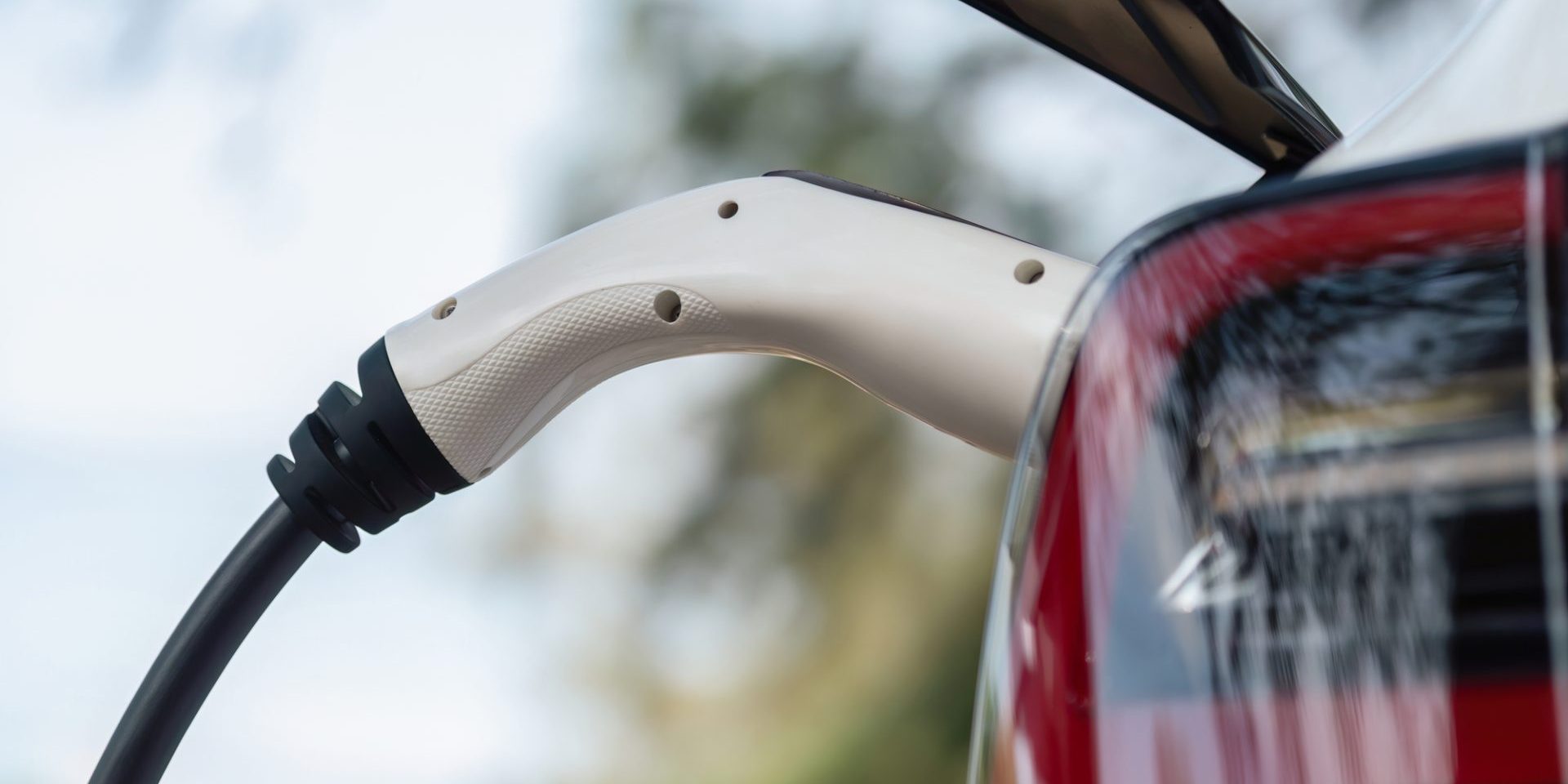

Public rapid charging has been getting steadily more expensive, with Zap-Map’s price index showing the ultra-rapid network running close to 80p per kWh earlier this year, a rise of roughly 10 per cent on the year before. Against that backdrop, Motor Fuel Group has cut its ultra-rapid rate to 59p per kWh for the whole of summer, a price roughly a quarter below where the wider market has been sitting.
The discount applies across the entire MFG EV Power network from 1 July to 30 September, covering more than 2,000 charging bays at almost 600 locations. MFG says the cut amounts to a 20p per kWh saving compared with its previous rate, working out at around £6 off a typical charge.
What the New Price Actually Means at the Plug
A typical family electric car with a 60kWh battery charging from near-empty to full at 59p per kWh comes to roughly £35.40, compared with close to £47 at last year’s ultra-rapid average and higher again at some of the more expensive networks currently charging 70p to 89p per kWh. Over a summer of regular top-ups on longer journeys, that gap adds up quickly for anyone relying on public charging rather than a home wallbox.
MFG’s chargers run at 150kW, 300kW and up to 400kW, fast enough in ideal conditions to add around 100 miles of range in 10 minutes on a compatible car. There is no subscription fee and no separate connection charge, and drivers can pay by contactless card or through the MFG app, removing two of the more common complaints about public charging: unpredictable membership costs and apps that only work with one network.
Where You Will Find the Chargers
MFG is the UK’s largest independent forecourt operator, and its EV Power sites are increasingly attached to places people already stop rather than standalone charging hubs. The company has installed chargers at almost 300 Morrisons supermarkets, alongside sites at Greggs, Pret A Manger, Burger King, Subway and Costa locations, meaning a charging stop can double up as a food or coffee break on a long drive.
Martin Symes, EV Director at Motor Fuel Group, described the discount as a deliberate move to win over drivers considering the switch to electric. “This summer price drop is our commitment to British EV drivers,” he said. “We are putting you first, cutting our ultra-rapid charging rate to just 59p/kWh so that your summer journeys are cheaper, greener and hassle-free. With thousands of chargers across the UK and now one of the lowest rapid-charging prices in the country, there has never been a smarter time to go electric.”
How This Fits the Wider Charging Cost Comparison
Public charging prices sit well above what most drivers pay to charge at home. Ofgem’s energy price cap for the period to 30 September puts the default electricity tariff at 26.11p per kWh, meaning a driver who can charge overnight on their own driveway is still paying well under half of MFG’s new summer rate, let alone the roughly 80p per kWh average elsewhere on the rapid network. That gap is one of the reasons campaigners have long argued charging costs unfairly penalise the estimated one in three UK households without off-street parking, who rely on public infrastructure for most or all of their charging.
MFG’s move does not close that gap, but it narrows it substantially for drivers who need to charge in public: those who lack a driveway, are travelling further than their home charge covers, or simply want the speed of a rapid charger on a motorway journey. The company says the discount sits alongside a wider £400 million investment pledge for its charging network and a 2030 target of more than 3,000 ultra-rapid chargers, suggesting the summer price is intended as a taste of where it wants public charging costs to sit longer term rather than a one-off promotion.
The VAT Gap Nobody Is Cutting Yet
Behind every public charging price sits a tax difference that MFG’s discount does not touch. Electricity supplied to a home is taxed at the reduced VAT rate of 5 per cent, while HMRC’s long-standing position is that electricity supplied through public charge points is taxed at the standard 20 per cent rate, as a public charger is not classed as a domestic premises under the rules. A community charge point operator, Charge My Street, won a tribunal ruling earlier this year arguing the 20 per cent rate should not apply, but HMRC confirmed it is appealing that decision, meaning the higher rate remains in place for now.
The AA has estimated that drivers could save around £4.80 per charge at an ultra-rapid charger if the VAT rate were brought down to match the 5 per cent paid on a home electricity bill. Campaigners argue the gap disproportionately hits exactly the drivers MFG’s discount is aimed at: people without a driveway or home charger who have no choice but to rely on public infrastructure, often on lower incomes than drivers with off-street parking. MFG’s summer price cut narrows the cash difference at the pump, so to speak, but the underlying tax treatment that keeps public charging structurally more expensive than home charging has not changed.
What To Check Before You Rely On It
The 59p per kWh rate applies specifically to the MFG EV Power ultra-rapid network and runs until 30 September, so drivers should not assume the same price applies at other operators’ chargers, including those at the same fuel station forecourts in some cases. Checking the price displayed on the charger or within the MFG app before plugging in remains worthwhile, as public charging pricing across the industry still varies by location, time of day and connector speed.
Drivers planning longer summer trips can use the MFG app or the wider Zap-Map app to locate sites in advance, especially on routes where charger availability rather than price is often the bigger obstacle. For anyone still deciding whether to switch to electric, the current gap between home and public charging costs is worth factoring into the calculation alongside any discounted public rate, as most of the running-cost advantage of going electric still comes from charging at home rather than on the road.
How MFG’s Rate Compares Across the Market
Rapid and ultra-rapid charging prices vary considerably between operators, and MFG’s 59p rate puts it toward the cheaper end of the market for the summer period rather than the outright lowest. InstaVolt has run a flat rate closer to 70p per kWh around the clock, while some ultra-rapid motorway service station chargers, including certain Ionity sites, have priced above 80p per kWh at peak times. Tesla’s Supercharger network, now open to non-Tesla vehicles at many UK sites, tends to sit in a similar band to MFG’s discounted rate but fluctuates by location and time of day.
The practical lesson for drivers is that price alone should not decide where to charge on a long trip. Charger reliability, the number of bays at a site and whether it sits near useful amenities, exactly the advantage MFG is leaning on with its supermarket and food-chain locations, often count as much as a few pence per kWh once a driver is factoring in a stop they need to make anyway rather than a special detour purely to find the cheapest rate.
For drivers without their own charger, planning around a supermarket shop or a coffee stop rather than a dedicated charging trip can end up saving more time overall than chasing the single cheapest site on an app, even before the 59p rate is taken into account. Families driving further afield this summer, to the coast or to visit relatives, are the group most likely to notice the difference between paying 59p and paying closer to 80p or 89p a unit, as a longer trip usually means at least one and often two rapid top-ups along the way rather than a single short session.
Sources:

Leave a Comment
More in News

GM Will Pay $220 Million to Settle Claims It Sold Driver Data to Insurers

How to Service Your Car at an Independent Garage Without Voiding the Warranty
Tyres Make Up 60.6% of Dangerous MOT Defects While Lights Fail 10.4% of Cars

Vehicle Offences Fell 6.7% to 312,231 but Rose 19.9% in Gwent, ONS Shows
Every Driver Missing a ULEZ Payment Faces £180 as TfL Accepts 72% of Challenges
Trending on Motoring Chronicle

Taking pride in perfection: The first officially certified and uniquely authentic Bugatti EB110 America [Photo Gallery]
How to Claim Your $2,000 Mercedes-Benz Settlement Before September 30

DVSA Shows Learners in Some Postcodes Pay Twice as Often for a £75 Retest

Why Your Next Car’s Theft Risk Now Comes With Its Own Rating