Why 500,000 Drivers Are on the Road Illegally Without Realising Their Licence Expired


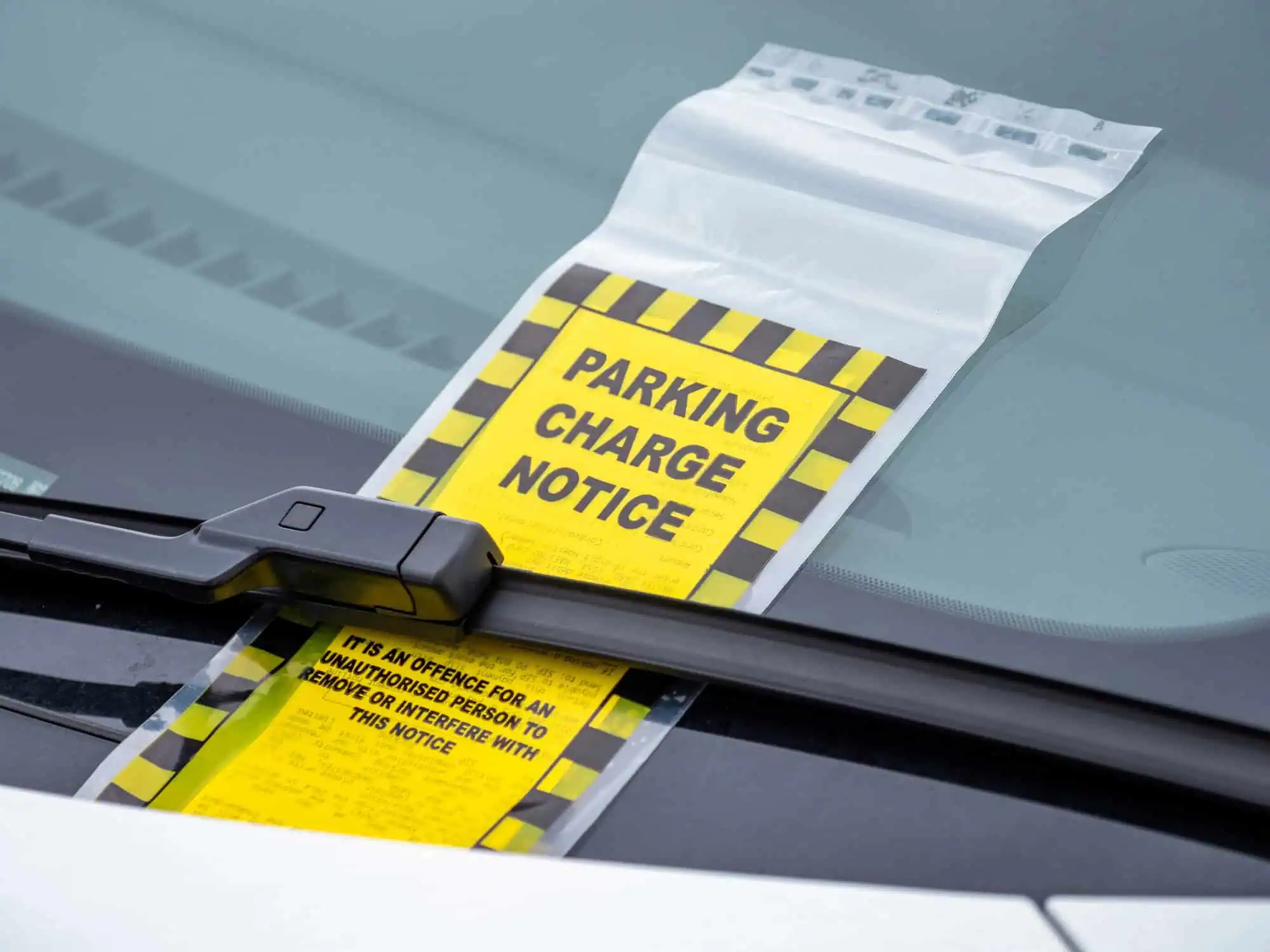
Almost 2.7 million UK photocard driving licences are set to expire during 2026, and a large number of drivers do not realise the clock has run out on theirs. Separate data shared with Co-op Insurance by the DVLA suggests more than half a million motorists in Britain could already be driving on an out of date licence, with almost 300,000 photocards that lapsed between July and December 2025 still not renewed. Driving on an expired photocard is not a paperwork technicality. It can land you with a fine of up to £1,000, and in some circumstances it can leave your insurance worthless.
The catch is that the date is easy to miss. A photocard licence has to be renewed every ten years, far longer than the gap on a passport, so the expiry can creep up while you assume everything is in order. The good news is that checking takes seconds and renewing is cheap. Here is how to tell whether yours has expired, what the penalties really are, and how to put it right.
Why so many licences are expiring at once
The reason a single year sees millions of expiries comes down to the ten year cycle. Large numbers of photocards issued a decade ago all reach the end of their validity in the same window, and 2026 happens to be one of those peak years. Alongside the 2.7 million photocards due to expire, the DVLA data points to more than two million licence holders whose actual entitlement to drive is also expiring during 2026, for example where a medical or age related renewal falls due.
The problem is that the photocard expiry is separate from your entitlement to drive. Your right to drive a car generally lasts until you are 70, but the plastic card itself must be renewed every ten years to keep your photo and details current. Many drivers conflate the two and assume that because they passed their test years ago and have driven ever since, their licence must still be valid. The card in your wallet may say otherwise. With almost 300,000 cards that expired in the second half of 2025 still not renewed, the data suggests a steady stream of drivers are simply forgetting.
It is a particular risk for anyone who has moved house, changed name, or filed their licence away and not looked at it since. If your address is out of date you can also be fined separately, and you will not receive the DVLA reminder that is meant to prompt renewal in the first place. That makes a quick manual check the only reliable way to be sure.
What it costs you to get caught
Driving with an expired photocard is an offence, and the penalties are more serious than many drivers expect. You can be fined up to £1,000 if you are caught driving without a valid licence. While the police often deal with genuine oversights proportionately, the £1,000 figure is the maximum the law allows, and it is the headline reason this is worth sorting out promptly.
The bigger financial risk can be your insurance. Motor insurers require you to hold a valid licence, and driving on a lapsed one can give an insurer grounds to refuse a claim or treat the policy as invalid. If you were involved in a collision while your photocard had expired, you could find yourself personally liable for repair costs that an insurer would normally cover, which can run to many thousands of pounds. In the most serious cases, driving without a valid licence can lead to the police seizing the vehicle and even prosecution.
It is worth separating the photocard issue from the related but different rules around medical conditions and older drivers, which the DVLA is also grappling with as demand rises. Our report on how the DVLA expects 900,000 medical licence reports this year explains how a notifiable health condition can affect your entitlement to drive, which is a separate process from renewing the plastic card.
How to check and renew your licence
Start by finding the expiry date on the card itself. Turn your photocard over to the front and look at section 4b, which shows the date your photocard runs out. Do not confuse it with section 4a, which is the date the card was issued, or with the entitlement dates shown against each vehicle category lower down. If 4b has already passed, your card has expired and you should renew it straight away. If it is within a couple of months of expiring, renew now rather than waiting for a reminder that may not arrive if your address is out of date.
Renewing is quick and inexpensive. The cheapest way is online through the official gov.uk service, which costs £14, and you can use an existing digital photo or have a new one taken. Renewing by post costs £17. Be careful to use the genuine gov.uk website and avoid the copycat sites that charge an inflated fee for the same service, because the official process is the only one you need. You will require your National Insurance number, your current address details and, for the online route, a valid UK passport if you want the system to reuse your passport photo.
A few common mistakes catch people out. Some drivers assume the green paper counterpart still matters, but that was abolished back in 2015, so the photocard is the document that counts. Others keep driving on a card that expired while they were abroad for an extended period, not realising the ten year limit kept running. And a surprising number of people renew through an unofficial website that adds a hefty handling fee on top of the standard charge, paying far more than the £14 gov.uk price for no extra benefit. Sticking to the official service avoids all three traps.
If you are approaching 70, the rules change. From your 70th birthday you must renew your licence to keep driving, and then renew it every three years after that. This renewal is free, but it does still need to be done, and it is another point at which drivers can unknowingly lapse. Whatever your age, you can keep driving while your renewal application is being processed, provided you meet certain conditions and your previous licence was valid, which is helpful given that processing can take time at busy periods.
What to do today
The single most useful action is to physically dig out your licence and read the date in section 4b. It takes less than a minute and removes any doubt. If it has expired, renew online at gov.uk for £14. If your address or name is out of date, update those at the same time, both to stay legal and to make sure future reminders actually reach you. If you are unsure whether your entitlement to drive is current, you can check your driving record free of charge through the gov.uk view your driving licence service, which shows what you are allowed to drive and any penalty points.
It is also a sensible moment to check on family members who may be less likely to notice a reminder, particularly older relatives approaching or past 70, and anyone who has recently moved. A lapsed photocard is one of the easiest motoring problems to fix and one of the most expensive to ignore, given the potential £1,000 fine and the risk to your insurance. With running costs already stretched, the last thing any driver needs is an avoidable penalty or a rejected claim. If you want to understand how those wider costs are moving, our coverage of car insurance premiums and rising repair bills puts the numbers in context.
With almost 2.7 million cards expiring this year, the odds that yours, or one belonging to someone in your household, is among them are higher than you might think. A 60 second check now could save a four figure fine later.
Sources:

Leave a Comment
More in News

What a Coolant Warning Light Means Before It Costs You a £1,000 Repair
Progressive’s Profit Fell 3 Percent Even as It Added 1.4 Million Car Insurance Policies

NHTSA Picks 23 Vehicles for 2027 Crash Tests and Adds a New Pedestrian Safety Score

GAP Insurance Paid Back Just 6 Percent of What Drivers Paid, FCA Figures Show

A £4,300 Vauxhall Made Hagerty’s List of Classic Cars Worth Watching in 2026
Trending on Motoring Chronicle

Why Vehicle Theft Jumped 21 Percent to Its Fastest Rise in a Decade

The all-new 2026 Audi A6 redefines the mid-size luxury sedan
What the Scrapped Four Year MOT Plan Means for Every Car Owner

The Easiest and Hardest Places to Pass Your Driving Test in Britain Revealed