
Two in Five Drivers Now Switch Off Their Car’s Built-In Safety Systems


New cars are now packed with more safety technology than ever, and a striking number of drivers are switching much of it off the moment they get in. Fresh figures from the Driver Power 2026 survey suggest around two in five UK motorists disable active safety systems such as lane keeping aids and speed warnings, frustrated by beeps, tugs at the wheel and warnings they find more irritating than helpful. The result is a growing gap between the technology regulators insist new cars must have and the way real drivers actually use it.
If you are buying a new or nearly new car, this matters for both your wallet and your safety, because some of these systems genuinely help while others can be retuned rather than killed off entirely. Here is what the survey found and how to live with the tech in modern cars.
What the Driver Power 2026 survey found
The annual Driver Power survey, one of the largest polls of UK car owners, recorded a sharp fall in overall satisfaction this year. Owner satisfaction dropped to 84.2 per cent, down from 89.6 per cent in 2024, a fall of more than five percentage points. The survey points squarely at increasingly complex and often intrusive in car technology as the main reason.
Satisfaction with safety features fell by almost 8 per cent, the steepest decline of any of the survey’s ten categories. The reason is not that drivers reject safety, but that they find the way these systems are implemented annoying. An estimated 41 per cent of motorists report switching off active safety systems soon after starting the car, a figure echoed in separate research by the charity Brake, which found well over a third of drivers do the same and cite the constant alerts as a nuisance.
The frustration extends to how cars are controlled. As physical buttons give way to large touchscreens, satisfaction with cabin usability has fallen from 87.8 per cent to 81.4 per cent over three years, while satisfaction with the balance between touch and physical controls dropped from 89.1 per cent in 2024 to 84 per cent in 2026. Drivers complained of having to dig through multiple menus to do something as basic as adjusting the climate control, often while moving, which raises obvious questions about distraction.
Why new cars have so much of this tech
The flood of safety systems is not the carmakers acting alone. Vehicle safety rules now require around 18 active assistance technologies on new car models, a package that includes intelligent speed assistance, autonomous emergency braking, lane keeping assistance, driver drowsiness and attention warnings, and reversing detection. These rules apply to new models being approved for sale, which is why even modest hatchbacks now arrive bristling with sensors and chimes. We set out the full list in our guide to the safety systems every new car must now have.
The intention is sound. Intelligent speed assistance, for example, uses cameras and map data to read the limit and warn you, or gently resist, if you go over. In principle that should cut speeding and the fines and points that come with it, a particular risk given how often a sat nav or in car system can show the wrong speed limit. The problem flagged by drivers is execution: warnings that fire on the wrong limit, lane systems that nudge the wheel on faded markings, and attention monitors that scold you for glancing at a mirror.
It does not have to be this way
The survey offers a clear piece of evidence that the technology itself is not the enemy. The Tesla Model 3, the overall winner of Driver Power 2026, also topped the Safety Features category with an impressive 89.7 per cent score. That suggests drivers will accept and even welcome these systems when they are well designed, intuitive and unobtrusive, and that the dissatisfaction elsewhere is about poor implementation rather than the existence of the tech.
There is also relief on the horizon for anyone who misses real switches. Euro NCAP, the influential European crash test body, is beginning to reward manufacturers who reintroduce physical controls for essential functions such as indicators, hazard lights, wipers and the horn. Because a strong Euro NCAP rating is a powerful marketing tool, that change in stance is likely to nudge the whole industry back towards buttons and dials for the things you reach for most often, rather than burying them in a touchscreen.
The safety risk of switching everything off
While the frustration is understandable, disabling every system the moment you start the engine carries a real downside. Autonomous emergency braking, in particular, has a strong record of preventing or reducing the severity of low speed collisions, and is one system most experts would urge drivers to leave on. The danger is that a blanket switch off, born of annoyance with one intrusive feature, also turns off the genuinely protective ones.
There is a knock on effect for insurance and resale too. Active safety kit is increasingly factored into insurance pricing and into a car’s appeal on the used market, so systems that work well are part of what you are paying for. Routinely defeating them does not change the premium, but it does mean you lose the protection you are funding.
What to do
The smartest approach is to tune rather than torch. Spend time in the settings menu, ideally while parked, and adjust each system rather than disabling it wholesale. Many cars let you soften the volume or sensitivity of speed and lane warnings, which removes most of the irritation while keeping the safety net. Learn which functions reset every journey, as some, such as speed warnings, switch back on each time by regulation, and decide which you will leave alone.
If you are shopping for a new car, treat the technology as part of the test drive, not an afterthought. Try changing the temperature, the radio and the demister using only the controls, and see how distracting it feels at speed. Cars that keep physical buttons for core functions, or that let you build shortcuts to the settings you use most, will be far less frustrating to live with day to day.
Finally, keep autonomous emergency braking switched on whatever else you adjust, learn the one or two shortcuts that silence the alerts that bother you most, and give intelligent speed assistance a fair trial before judging it, as it can save you from a fine on an unfamiliar road. The Driver Power results show the industry is at a crossroads between digital ambition and everyday usability, and the cars that get the balance right are the ones owners rate most highly.
Sources:

Leave a Comment
More in News
West Sussex Council Raises Drivers’ Parking Permits Up to 36 Percent This October
What Your Alternator Warning Light Actually Means (and How Long You Can Keep Driving)
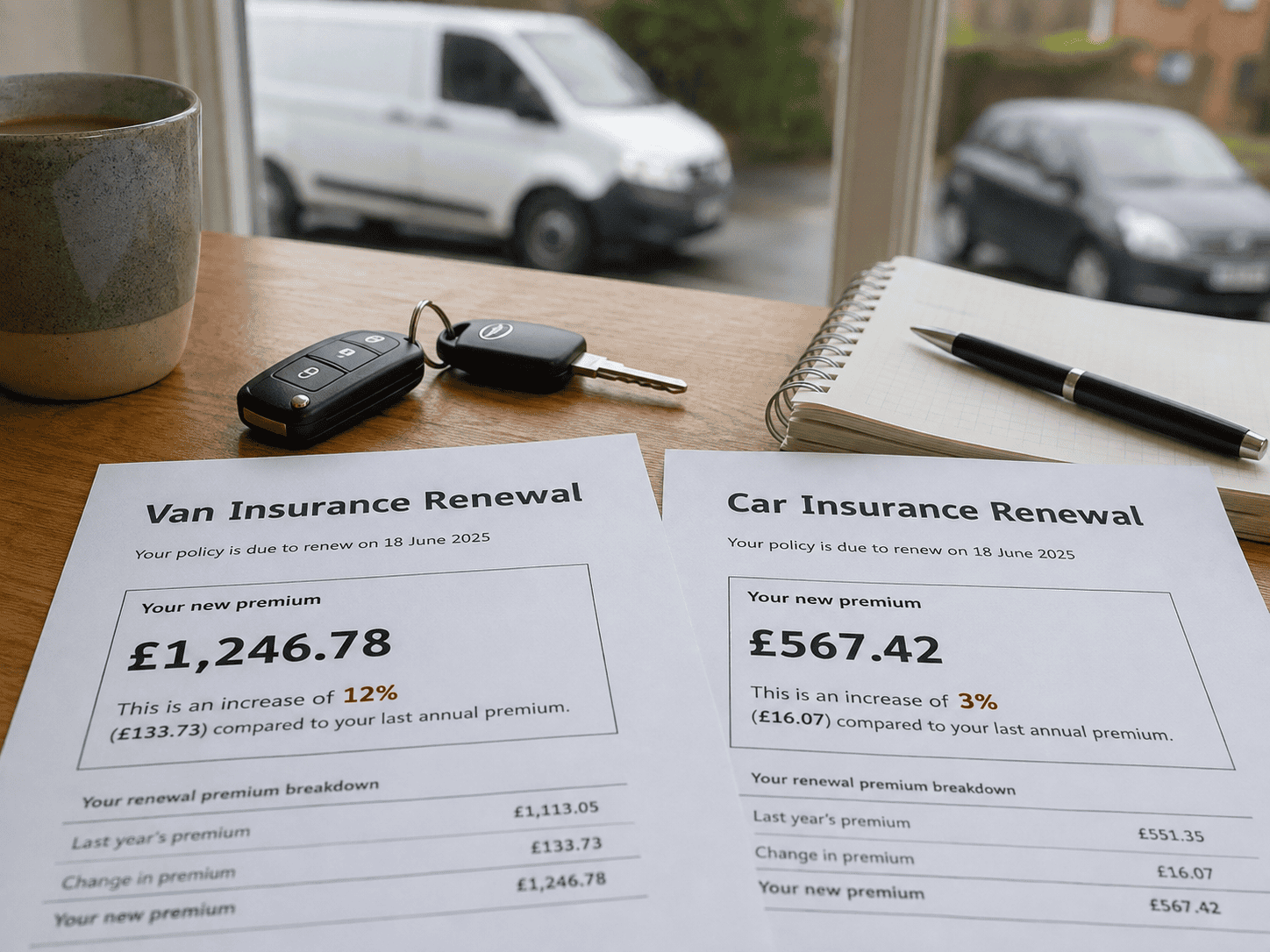
Van Drivers Now Pay £1,767 for Insurance as Consumer Intelligence Reveals a Rise

Why Washington Just Rolled Back Fuel Economy Rules on New Cars

Honda Prelude Gets Limited Edition Colour Scheme for Europe
Trending on Motoring Chronicle
Used Electric Car Owners Are Losing Up to £15,000 in Resale Value This Year

What Euro 7 Means for Every New Car Buyer From November and Why It Could Cost You More
Mazda6e Lands in UK This Summer from £38,995 with Half-Price Home Charger Offer
What Michigan USAA Drivers Must Know Before the Oct 8 Deadline
