Six Points in Two Years Still Wipes Out a New Driver’s Licence With No Court Hearing


Every year hundreds of thousands of people pass their driving test and tear up their L plates, but a rule that catches many of them out is one few are warned about properly. Under the Road Traffic (New Drivers) Act 1995, anyone who reaches six or more penalty points within two years of passing their first test loses their licence automatically. There is no court hearing, no plea for leniency, and no discretion. The licence is revoked, and the driver is sent back to square one. With AI cameras now catching mobile phone use without a human ever reviewing the moment, a single mistake can wipe out a new driver’s licence in seconds.
Here is how the rule works, why it is easier than ever to reach six points, and the steps that keep a hard won licence intact.
How the New Drivers Act works
The law applies to every driver who passed their first full driving test after 1 June 1997. For two years from the date you pass, you are on a probationary period. If you accumulate six or more penalty points during that window, the DVLA revokes your licence. Unlike the totting up system that applies to experienced drivers, this happens administratively the moment a fixed penalty or court decision pushes you to six points. The authorities are under no obligation to warn you that you are close to the threshold.
Once revoked, you are treated as a learner again. You must reapply for a provisional licence, display L plates, and pass both the theory test and the practical driving test a second time before you can drive unaccompanied. Until you do, you cannot drive on your own. The points themselves stay on your record, so passing the tests again does not wipe the slate clean. For a young person who relies on a car to get to work or college, the disruption and cost of starting over can be significant.
Why it is now easier to reach six points fast
The reason this rule has become more dangerous for new drivers is that a single offence can now reach the six point threshold on its own. Using a handheld mobile phone at the wheel carries six penalty points and a 200 pound fine. For a driver in their first two years, that one offence is enough to trigger revocation immediately. The same is true of any combination of smaller offences that add up to six, such as two speeding tickets at three points each.
Enforcement has also intensified. A network of AI cameras that detect mobile phone use and seatbelt offences has expanded to permanent sites across England and Wales, capturing drivers without a human operator at the point of detection. You can read how the technology works in our report on why AI speed cameras are catching thousands of drivers for phones and seatbelts. At the same time, the spread of 20mph limits across towns and cities has driven a sharp rise in speeding endorsements, with close to a million drivers picking up points for exceeding limits on non motorway roads in a single year. For a probationary driver, the margin for error has rarely been thinner.
The catch that surprises drivers
A common misunderstanding is that the two year clock protects you once it runs out. It does not, if the offence happened during the probationary period. What counts is the date of the offence, not the date the points are added. A new driver who commits an offence in month 23 of their probation, but whose conviction is processed after the two years end, can still have their licence revoked. The points relate back to when the offence was committed.
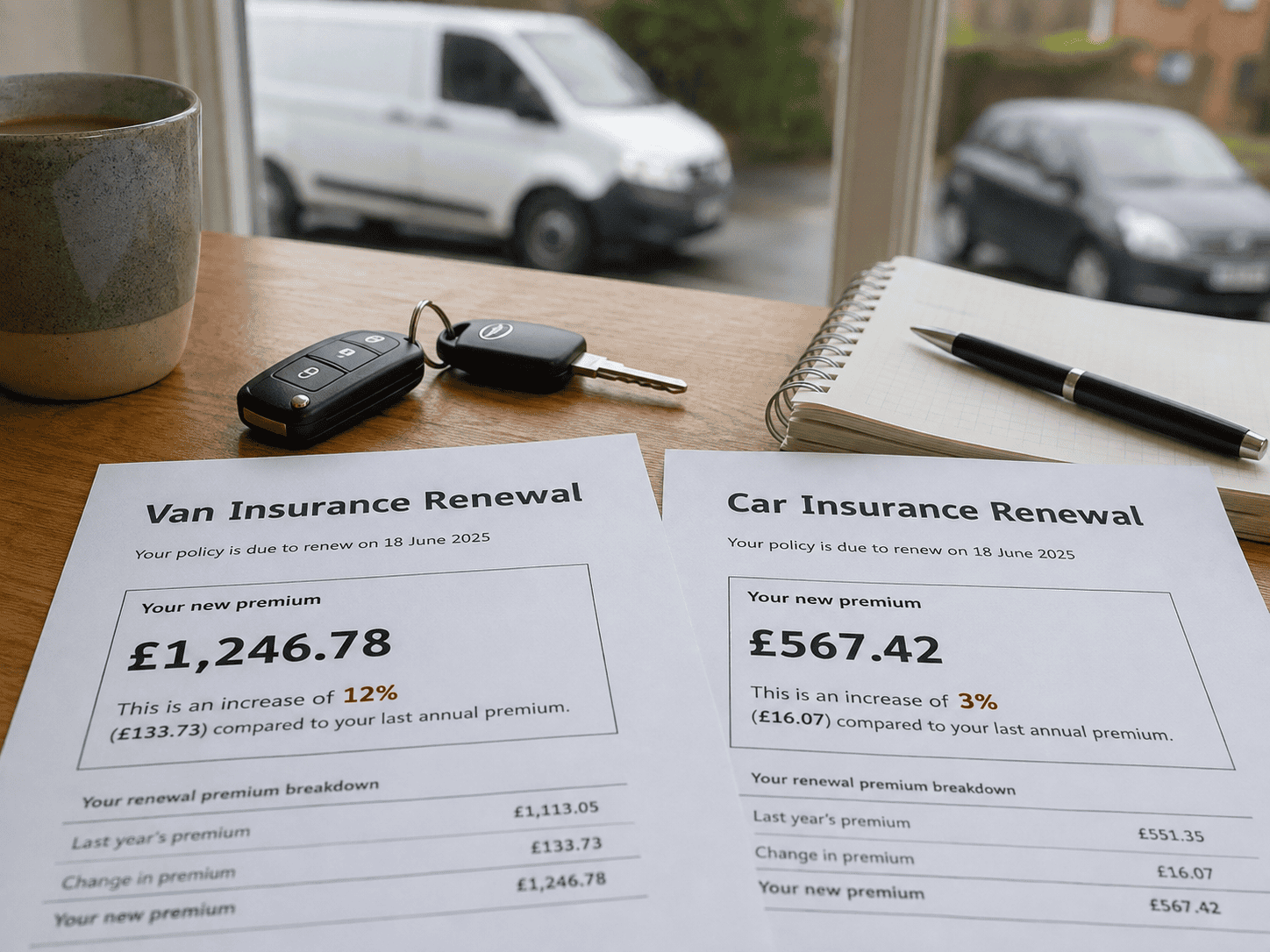
There is also no equivalent of the exceptional hardship plea that experienced drivers can make at 12 points to keep their licence. Because revocation under the New Drivers Act is automatic and handled by the DVLA rather than a court, there is no hearing at which to argue that losing your licence would cost you your job. This is one of the starkest differences between the new driver rule and ordinary totting up, and it catches people who assume a magistrate will hear their side. Points are not just a driving problem either, as even three of them can push up the cost of cover, as we explain in our piece on how three penalty points could add to your annual insurance bill.
What to do in your first two years
The practical advice is simple but easily forgotten. Treat the first two years as the highest risk period of your driving life and drive accordingly. Put your phone out of reach and on do not disturb before you set off, so there is no temptation to glance at it. Pay close attention to speed limits, especially the 20mph zones that now blanket residential areas, and remember that enforcement tolerances are tighter than many drivers assume. Knowing exactly how many points you carry helps too, and you can check your driving record free on the gov.uk website.
Many new drivers also choose a telematics or black box insurance policy, which rewards careful driving with lower premiums and can reinforce good habits during the riskiest period. Some take an advanced course such as Pass Plus to sharpen their skills after passing. If the worst happens and your licence is revoked, the route back is to reapply for a provisional and pass the theory and practical tests again, so it pays to understand the rule before a single lapse undoes two years of driving. The threshold is unforgiving by design, and the only reliable defence is to stay well clear of it.
The cost of getting caught goes beyond the inconvenience of retaking your tests. Booking another theory test and practical test, paying for refresher lessons and arranging insurance with points on your record can run to several hundred pounds, and the points stay visible to insurers for years. Insurers treat a revoked new driver as a higher risk, so premiums that were already high for a recently qualified driver can climb further still. There is also a knock on effect on work and study for anyone who needs a car to commute, since there is no quick route back once the licence is gone.
If you believe points were issued in error, the time to challenge them is before they are confirmed, not after revocation, because once the DVLA acts the process is administrative and difficult to reverse. Keeping a clear head about your record, querying anything that looks wrong promptly, and above all avoiding the offences that carry six points in one go are the only dependable ways to come through the probationary period with your licence intact.
Sources:

Leave a Comment
More in News

UK Diesel Drivers Pay £17 More Per Tank as RAC Warns of Further Rises

Every Driver With an Older or Modified Car Risks a £1,000 DVSA Fine

The Warning Signs Your Car Battery Is About to Die

Why Your Car Has No Spare Tyre (and What To Do About a Flat)

What the End of Federal Highway Funding on September 30 Means for Your Commute
Trending on Motoring Chronicle

UK New Car Market Posts Best May Since 2019 as Private Buyers Return
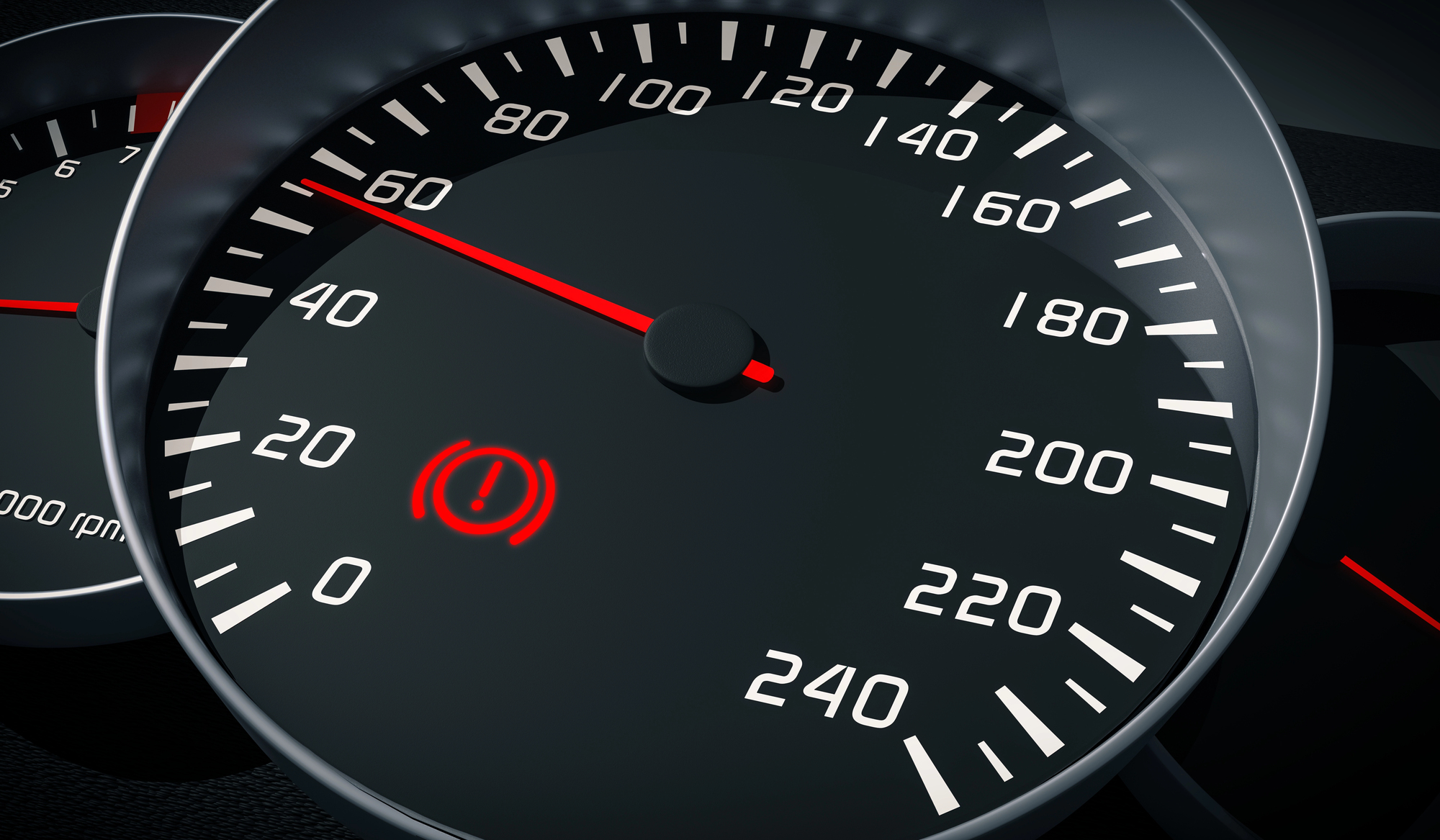
Brake warning signs, explained simply
Hyundai Recalls 96,310 Tucson SUVs Over a Dashboard That Can Go Blank While Driving

Hay Fever Can Impair Your Driving As Much As Alcohol, And Most Drivers Have No Idea