
Why Britain’s Smart Motorways Delivered Billions Less Than the Government Promised
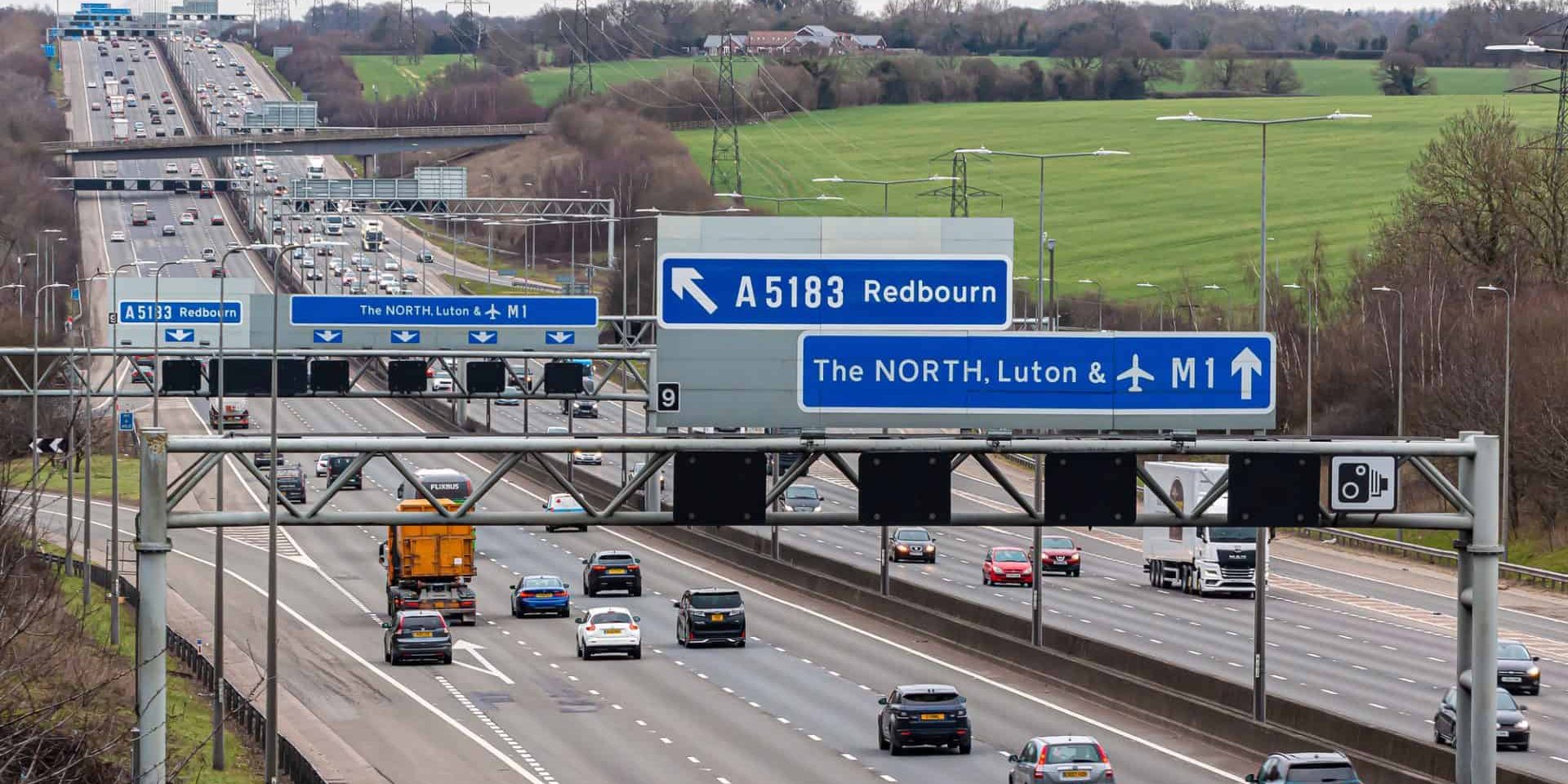
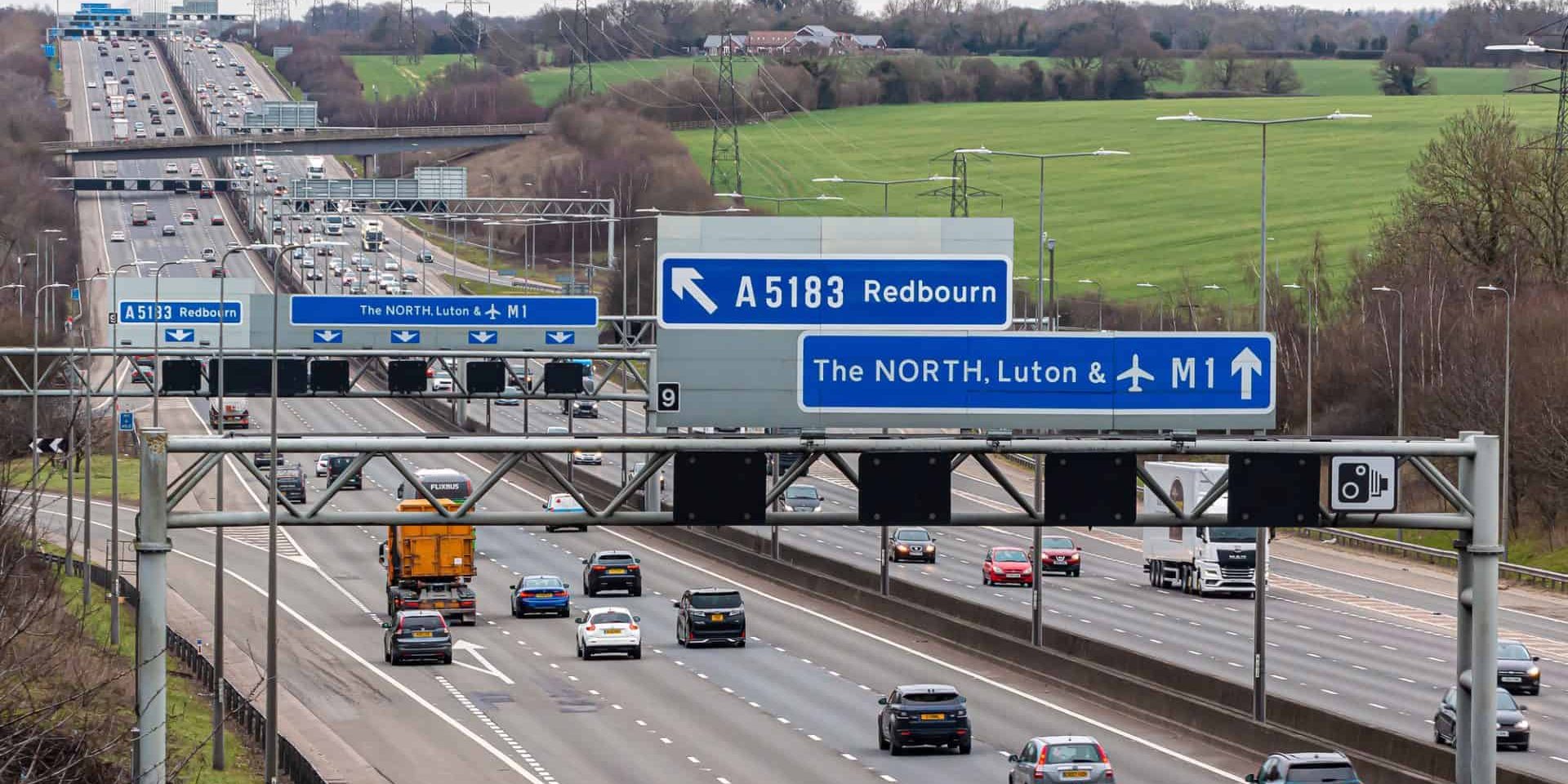
The smart motorway was sold to drivers as a clever way to squeeze more capacity out of Britain’s busiest roads without the cost and disruption of widening them. More than a decade on, the official verdict is in, and it is brutal. A series of five year evaluations published by National Highways shows that most of these schemes have delivered a fraction of the economic benefit promised, several have made the surrounding economy worse off, and a number have seen serious injuries rise rather than fall. For the millions of drivers who use them every day, the numbers confirm what many already felt in the pit of their stomach when the hard shoulder disappeared.
The findings come from a batch of Post Opening Project Evaluation reports, the standard way the government checks whether a major road scheme has done what it was supposed to. Of the 16 five year evaluations published, just three are on track to deliver the value for money that was originally forecast. The rest range from underwhelming to, in the words of the assessments themselves, very poor.
The money that never arrived
The economic case for smart motorways rested on a simple promise. By turning the hard shoulder into a running lane and using technology to manage traffic, the schemes would cut congestion, speed up journeys and add up to roughly £10 billion of benefits to the economy over their lifetime. The evaluations now show they have delivered under £2 billion. That is less than the schemes cost to build in the first place, which means that on a pure cost benefit basis, several have actively lost the country money.
That figure does not include the bill for trying to make the roads safer after the fact. Following sustained public concern and a national stocktake, National Highways spent around £900 million retrofitting extra emergency areas and upgrading the radar and camera technology used to spot stopped vehicles. In other words, the country paid to build the roads, paid again to patch their biggest safety weakness, and still ended up with a benefit far below what was promised.
Two stretches stand out as the worst performers. The all lane running section of the M25 between junctions 23 and 27, and the M6 between junctions 5 and 8, have both been rated very poor for value for money. These are not quiet rural bypasses. They are some of the most heavily used motorway sections in the country, which makes their failure to deliver the forecast benefits all the more striking.
A mixed and worrying safety picture
Safety was always the most sensitive part of the smart motorway debate, because the central objection was simple. Take away the hard shoulder and a driver who breaks down in a live lane has nowhere safe to go. The evaluations show the safety record is uneven, and in some places it has gone the wrong way.
On the all lane running section of the M3 between junctions 2 and 4a in Surrey and Hampshire, the number of people killed or seriously injured has risen by almost a third since the scheme opened. The M1 has also seen increases on some stretches. National Highways argues that, taken as a group, most schemes still meet their predicted safety improvements, and it points to examples that have performed well. The controlled motorway on the M25 between junctions 16 and 23, which kept a hard shoulder and used variable speed limits, recorded both faster journeys and an improved safety record. The lesson buried in that contrast is that managing speed is one thing, but removing the hard shoulder is the change drivers fear, and the data does not give a clean reassurance that the fear was misplaced.
The spacing of the emergency refuge areas remains a sore point. The current standard aims for a refuge roughly every three quarters of a mile, close enough that a coasting car has a reasonable chance of reaching one. On older all lane running sections the gaps can stretch to about a mile and a half, and a significant share of all lane running mileage still has refuges further apart than the modern standard. If your car loses power between two widely spaced refuges, you can be left exposed in a live lane for far longer than anyone would want.
Drivers have lost confidence
The erosion of trust is now measurable. An AA survey carried out in early 2026 found that 46 per cent of drivers feel nervous or anxious when using a motorway without a permanent hard shoulder, almost double the 23 per cent recorded only a year earlier. The motoring body has described this as a growing confidence gap, with drivers reporting that they feel markedly safer on conventional motorways where the hard shoulder is always there to aim for.
That anxiety has real effects on behaviour. Nervous drivers move out of the left hand lane earlier and cluster in the middle and outside lanes, which reduces the very capacity the smart motorway was meant to create. The plan to build any new smart motorways was scrapped in 2023, but the existing network is staying, so tens of millions of journeys a year will continue to take place on roads that a large share of the public no longer trusts.
What to do if you break down on a smart motorway
Because the hard shoulder may not be there, knowing the drill in advance is the single best protection. If you sense a problem developing, try to leave at the next exit or reach an emergency refuge area, which are marked with orange surfacing and blue signs. If you can get to one, stop as far to the left as possible, put your hazard lights on, leave the vehicle by the left hand door if it is safe, get behind the safety barrier, and use the emergency telephone in the refuge or call National Highways on 0300 123 5000.
If you cannot reach a refuge and you are stuck in the left hand lane, keep your seatbelt on, switch on your hazards and call 999 immediately so the control room can set a red X to close your lane and send help. If you are stranded in a live running lane and cannot get out of the vehicle safely, stay belted in with your hazards on and ring 999. The same calm, practised response that helps in any breakdown is set out in our guide to staying safe after the AA was called to a surge of summer breakdowns, and the rules on the red X signs that protect a closed lane are covered in our explainer on the six penalty points now facing drivers who ignore a smart motorway red X. The technology and the warning signs only work if every other driver obeys them, which is why enforcement of the red X has been stepped up even as confidence in the roads themselves has fallen.
For now, the official evaluations leave the government with an awkward legacy. The roads are built, the money is spent, and the benefits have largely failed to appear. Drivers cannot undo that, but they can make sure they know exactly what to do in the moment that matters most, on a stretch of road that was supposed to be smart but has too often proved anything but.
What happens to the network now
With no new smart motorways being built, attention has turned to making the existing ones less dangerous. The retrofit programme has added hundreds of extra emergency areas so that, in theory, a stranded driver is never too far from a place of relative safety. Stopped vehicle detection radar, which is designed to spot a stationary car within seconds and alert the control room to close the lane, has been rolled out across the all lane running network. National Highways says these measures bring the roads up to the safety level originally intended.
Campaigners are not convinced. They argue that technology can fail, that detection still relies on a human operator setting a red X quickly enough, and that none of it changes the basic problem of a driver having no hard shoulder to aim for in the first place. The evaluations give both sides ammunition. The schemes that kept a hard shoulder and simply managed speed tend to perform best on both cost and safety, while the all lane running schemes that removed it dominate the list of poor performers. For drivers, the practical takeaway is unchanged. Treat every all lane running stretch as a road where you must plan your escape early, because the margin for error is smaller than on a traditional motorway.
Sources:

Leave a Comment
More in News

Defrosting Your Windscreen the Wrong Way Can Crack It in Seconds This Autumn

Aion V review: Promising debut EV from a new brand to the UK

Only 33 Percent of UK Drivers’ Car Insurance Complaints Succeed With the Financial Ombudsman

What Actually Happens When You Make a Car Insurance Claim After a Crash
London Drivers Pay £577 for Car Insurance, 76 Percent More Than Wales, Go.Compare Reveals
Trending on Motoring Chronicle

The Bugatti F.K.P. Hommage: Honoring the Veyron and its visionary creator

Celebrating a unique pre-series Veyron Super Sport World Record Edition, reborn with La Maison Pur Sang

What Your Airbag Warning Light Actually Means (and Is It Safe to Drive?)

How Long Beach’s New Speed Cameras Will Fine Drivers Starting This Fall
