Why Ignoring a Smart Motorway Red X Now Risks Six Points and Your Licence
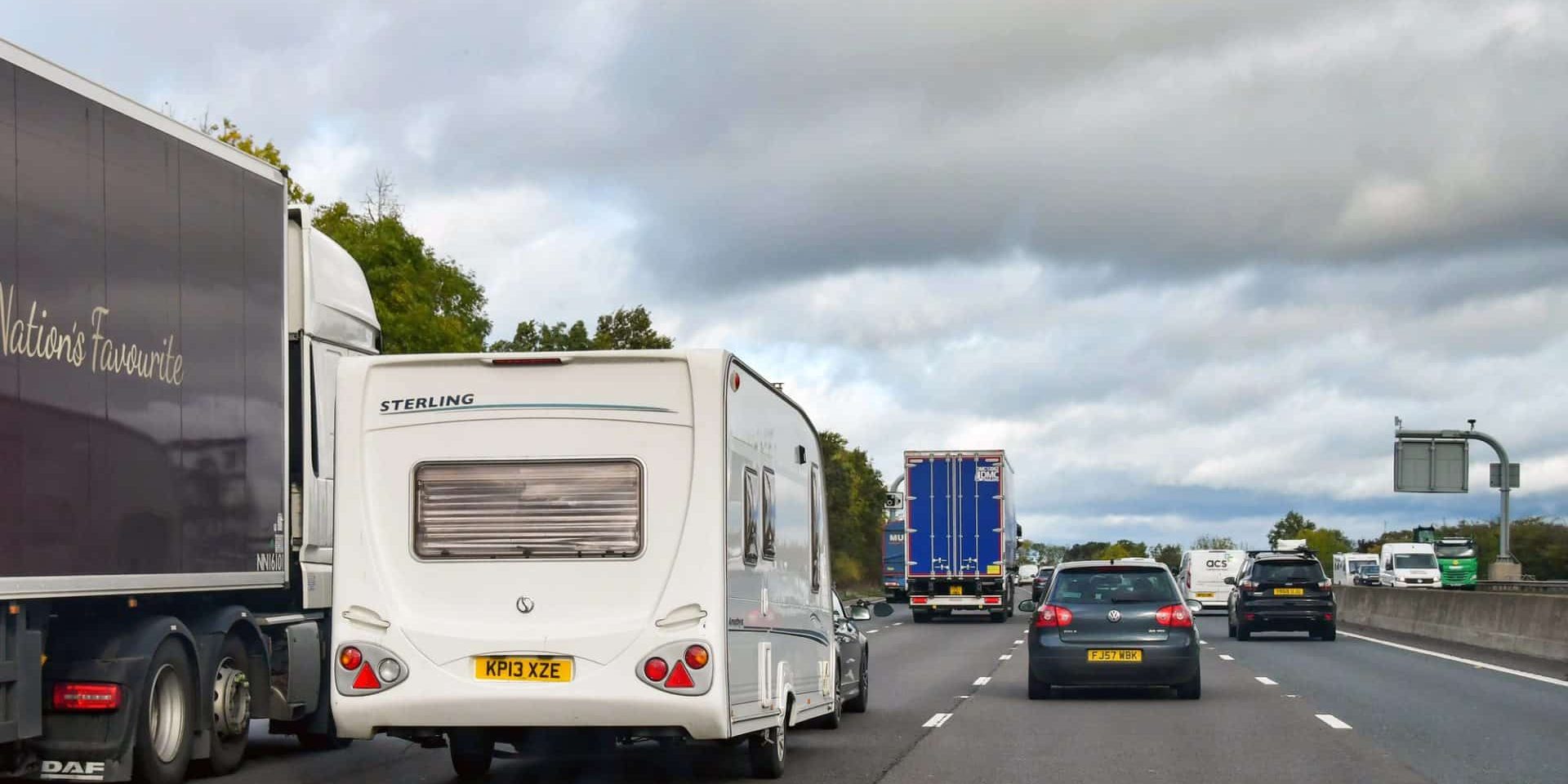
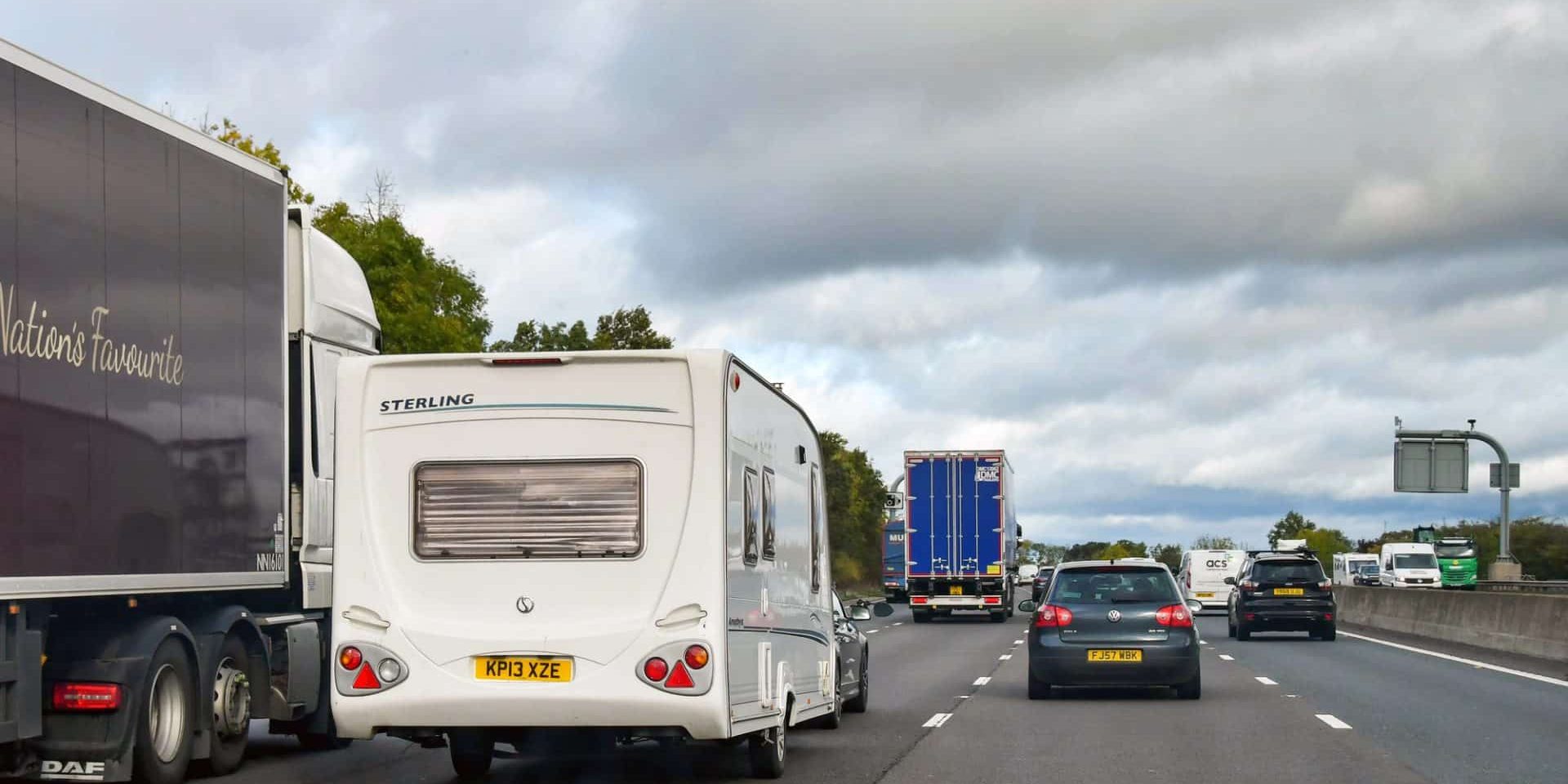
A red X above a motorway lane is not a suggestion. It is a legal instruction to move out of that lane, and ignoring it now carries a penalty that can take you to the threshold of a driving ban in a single offence. The rules have always been clear, but enforcement has become more systematic, cameras are operating on more stretches of smart motorway than ever before, and the consequences of driving under a red X have been upgraded to reflect how dangerous the behaviour actually is.
If you are unclear on exactly what the red X means, when it applies, and what the consequences of ignoring it are, this breakdown covers everything you need to know before you next use a smart motorway.
What a Red X Actually Means and Why It Appears
The red X is displayed on the overhead gantry signs above individual lanes on motorways. It means that lane is closed and you must not drive in it. The reasons a lane closes vary: there may be a broken-down vehicle stopped in that lane, an accident, debris in the road, an emergency vehicle working in the lane, or road maintenance taking place. On an all lane running smart motorway, where the former hard shoulder has been converted into a permanent live lane, a red X over that lane is the primary signal that something is blocking it ahead.
The critical point is that you will not always be able to see the reason when the sign first comes into view. The blockage may be around a bend, over a crest, or further ahead than your stopping distance allows. The sign is displayed early enough to give you time to move into an open lane safely. By the time you can see whatever is causing the closure, it may be too late to stop or manoeuvre.
This is why enforcement treats the red X as absolute. A driver who passes under a red X and then brakes hard because they did not expect the broken-down car in the lane ahead is exactly the kind of incident the sign was designed to prevent. The sign’s purpose is to separate that driver from the hazard, not to warn them about it when they are already close.
The Penalty: Six Points and a Fine of Up to £100
Driving in a lane marked with a red X is a fixed penalty offence. The current penalty is six points on your licence and a £100 fine. The six-point sanction is the same as driving through a red traffic light. It is also worth being clear about what six points means in practical terms: a driver who receives a further six-point offence within three years will reach 12 points and face a totting-up disqualification by a magistrates’ court, which typically results in a six-month ban.
For newer drivers, the threshold is even lower. Anyone who received their licence less than two years ago will have their licence revoked automatically on reaching six points, requiring them to retake both theory and practical tests. A single red X offence is therefore enough to end driving privileges for a new driver entirely.
Prosecution through the courts rather than a fixed penalty notice is also possible for more serious cases, particularly where ignoring a red X contributed to a collision. Court-imposed penalties have no fixed limit and can include disqualification.
How Enforcement Has Changed and Why More Drivers Are Being Caught
The increased number of drivers receiving penalties for red X offences in recent years reflects a genuine change in enforcement capability rather than simply a change in the law. National Highways has installed enforcement cameras at more locations across the smart motorway network, and those cameras operate continuously rather than relying on police officers to be present with camera equipment.
The cameras photograph vehicles travelling in a closed lane and the images are processed as part of a standard enforcement pipeline. Drivers who receive a notice of intended prosecution in the post for a red X offence are often surprised, particularly if they felt the lane appeared clear when they drove through it. The camera does not assess whether the lane looked passable to the driver. It records whether the vehicle was in the lane while the red X was displayed.
National Highways data from 2024 and 2025 showed a consistent pattern of tens of thousands of red X enforcement actions per year across the motorway network, with numbers rising as camera coverage expanded. The organisation has been explicit that enforcement will continue to increase as the programme of camera installation on smart motorways progresses.
The Smart Motorway Context: Why This Enforcement Increased
The heightened focus on red X enforcement is directly linked to the ongoing controversy about all lane running smart motorways. The conversion of hard shoulders into permanent live lanes across hundreds of miles of UK motorway removed the space where a broken-down driver could wait safely. On a traditional motorway, a vehicle that stops on the hard shoulder is largely protected from live traffic. On an all lane running smart motorway, a stopped vehicle is in a lane that other drivers are using at motorway speeds.
The red X is the primary safety mechanism that protects stationary vehicles and their occupants on all lane running sections. When a vehicle stops, sensors or patrol officers identify the hazard and activate the red X above that lane as quickly as possible. The time between a vehicle stopping and the red X being displayed is the period of maximum risk, and it is why the DVSA has consistently advised that if your vehicle is struggling on a smart motorway you should try to reach a refuge area rather than stopping in a live lane.
Drivers who ignore the red X once it is displayed are removing the one protection available to a stranded motorist and their family sitting in a car that cannot move. The fatalities that have occurred on all lane running smart motorways since their introduction have repeatedly involved vehicles stopped in live lanes being struck by traffic. This is the context in which the six-point penalty exists and why enforcement authorities have been unwilling to treat the offence as minor.
Common Misunderstandings That Lead to Offences
Several recurring misunderstandings result in drivers passing under a red X without intending to break the law.
The first is the belief that the red X only applies when there is a visible obstruction. It does not. The sign creates the obligation regardless of what you can or cannot see ahead. If the X is displayed, you must not be in that lane.
The second is uncertainty about what to do when a red X appears above a lane you are already driving in. The correct response is to signal and move into an adjacent open lane as soon as it is safe to do so. You are not required to stop immediately or brake sharply. You need to leave the closed lane in a controlled, safe manner at the earliest opportunity. Continuing in the lane because it feels too difficult to change lanes is not a defence.
The third is confusion between a red X and a speed limit shown on the same gantry. Speed limits shown on smart motorway gantries are mandatory in the same way as a fixed speed limit sign, but they do not indicate a closed lane. A red X specifically is the diagonal red cross displayed on a lane signal, distinct from the speed limit circles shown above other lanes.
What to Do If You Drive Under a Red X
If you believe you have passed under a red X, whether because you did not notice it in time, were in a position where changing lanes was unsafe, or were unsure of the sign, the priority is to move into an open lane as soon as it is safe. There is no benefit in continuing further into the closed lane.
If you receive a notice of intended prosecution, you have the option to contest it if you have evidence that the sign was not displaying correctly, that you were in an emergency situation, or that there is some other valid circumstance. The police or National Highways will have photographic evidence from the enforcement camera. Legal advice before deciding how to respond to a prosecution notice is sensible for any offence carrying six penalty points.
For most drivers, the practical takeaway is straightforward. On any motorway with overhead gantry signs, check each gantry as you approach it. If a lane ahead shows a red X, begin planning your lane change immediately. Do not wait until you are directly under the sign. The sign exists to give you time to respond safely, and responding promptly is both the legal requirement and the behaviour that keeps everyone on the road safer.

Leave a Comment
More in News

Florida Orders Removal of License Plate Reader Cameras From State Roads
Annapolis Speed Cameras Go 24/7 Starting September 8, With Fines Up to $425

Why NHTSA Is Investigating Nearly 1 Million GM Trucks and SUVs for Engine Failure

How to Claim Your $2,000 Mercedes-Benz Diesel Settlement Before September 30

How California’s New Car-Buying Law Ends Hidden Dealer Fees Starting in October
Trending on Motoring Chronicle
New A46 Speed Cameras Go Live in Warwickshire With £100 Fines for Drivers

Bentley Motors announces bold new direction for its Foundation

Smoke Returns to NASCAR, Tony Stewart Joins Ram’s Free Agent Program With Kaulig Racing at Daytona Truck Race
EXP 15 makes public debut at Monterey Car Week [Photo Gallery]