
What the Scrapped Four Year MOT Plan Means for Every Car Owner


If you were hoping to skip a year of MOT bills, the news is not in your favour. The government has scrapped its plan to delay a car’s first MOT until it is four years old, meaning the long-standing rule stays exactly as it was. Your car still needs its first test three years after it was registered, and then every year after that. For owners of newer cars, that is one less saving to look forward to, but for road safety it removes a gap that critics warned could have left dangerous faults unchecked.
The decision draws a line under a debate that ran for much of the past year. Alongside it, a series of smaller MOT changes have come into force for 2026 that affect what happens when you take your car in, from a crackdown on fraudulent certificates to new checks for electric cars. Here is what every driver needs to know.
The plan that was dropped
The proposal, floated in a high-profile government consultation, would have pushed the first MOT back from three years to four. Ministers had suggested it could save motorists money by removing one test from a car’s early life. The idea was rejected after a strong response from safety groups and the motoring industry, who argued the savings were not worth the risk.
The data settled the argument. Around one in ten cars fails its very first MOT, often on dangerous tyres or worn brakes. Those are exactly the faults that would have gone unspotted for an extra year had the first test been delayed to four years. Ministers concluded that the potential safety risk outweighed any saving, and the so-called 3-1-1 rule, first test at three years then an annual test, remains firmly in place.
When your car actually needs its first MOT
The rule is simple and unchanged. Your car needs its first MOT exactly three years after the date it was first registered, not three years after you bought it. Once it passes that first test, it must be inspected every 12 months thereafter. Miss the anniversary and the certificate lapses, with consequences we set out below.
There is also reassuring news on cost. The MOT fee has been frozen for 2026, with the maximum a garage can legally charge for a standard car held at £54.85. For a motorcycle the cap is £29.65. Those are ceilings, not fixed prices, so it pays to shop around. Many garages offer tests for between £35 and £45 to win your custom, though some hope to make the difference back on any repairs they find, so use a trusted garage and do not feel pressured into work you did not expect.
What has changed for 2026
While the frequency has not changed, several other reforms have. The biggest is a crackdown on what the testing body calls ghost MOTs, where a certificate is issued for a car that never actually entered the garage. The DVSA says ghost MOTs account for 80 percent of all MOT fraud. To stop it, more garages must now photograph your car and its number plate in the test bay, creating a digital proof that the vehicle was physically present. A pilot involving more than 13,000 images has already run, so do not be surprised if your tester snaps your car with a tablet or phone.
From 9 January 2026, a loophole around banned testers was also closed. Previously, a tester hit with a two or five year ban could sometimes still work behind the scenes at a garage. Now anyone serving such a ban is barred from any MOT-related role, so a rogue tester cannot influence your result from the sidelines. The aim is to protect the integrity of the certificate you rely on when buying or selling a car.
Electric and hybrid owners face new checks too. Testers must now carry out a detailed visual inspection of high-voltage cables, usually identified by their bright orange casing, along with the charging port and the traction battery. Because electric cars are heavier, battery mountings are a particular focus, with testers looking for damage, leaks or corrosion. If the orange high-voltage insulation is frayed or a component is visibly damaged, it is an immediate major fail. Separately, from 1 April 2026, newly opened or modernised test bays must use stronger jacking equipment, with a two-tonne minimum working load, because large SUVs and heavy battery packs can strain older lifts.
These changes form part of a wider tightening of the rules around vehicle checks and enforcement that drivers have seen this year. For the bigger picture on how the rules are shifting, see our overview of the biggest shake-up of driving laws in years.
The £1,000 fine for missing your MOT
There is no grace period. The moment your certificate expires, it is illegal to drive the car on a public road, and you could face a fine of up to £1,000. If the car is found to have a dangerous fault, penalty points and a far larger fine can follow. The only legal exception is driving directly to a pre-booked MOT appointment, so you cannot simply nip out hoping not to be caught.
The simplest protection is a reminder. The official DVLA service will text or email you before your MOT is due, and free online tools let you check the exact expiry date using your registration. Booking a week or two early also gives you breathing room to fix any minor issues and retest without driving illegally. With suspension and other age-related faults now among the leading reasons cars fail, an early booking is sensible, as our look at why suspension faults top the MOT failure list explains.
How to avoid a needless fail
A surprising number of MOT failures come down to simple things you can check yourself in ten minutes before the test. Top up your screenwash, because an empty bottle is an automatic fail. Clear any dashboard warning lights, especially the ABS and airbag lights, which will fail the car if they stay lit. Check your tyre tread with a 20p coin: if the outer band of the coin is visible when you slot it into the groove, you are likely below the 1.6mm legal limit and need new tyres.
Worn or smearing wiper blades are another cheap fail, often a £10 fix. Test all your lights, including number plate and brake lights, and ask someone to watch while you press the pedal. Make sure the horn works and the windscreen is free of large chips in the driver’s line of sight. None of these guarantees a pass, but they remove the most avoidable reasons a car gets turned away, saving you a retest fee and the hassle of a second trip.
The bottom line is that nothing has been relaxed. Your first MOT is still due at three years, every test after that is annual, and the penalties for letting cover lapse are as strict as ever. What has changed is the system around the test, with photo evidence, tougher rules on testers and new electric car checks all designed to make the certificate you receive more trustworthy. For owners, the safest approach remains the oldest one: book early, fix the easy stuff yourself, and never let the expiry date slip past.
Why the MOT history counts when buying used
The crackdown on ghost MOTs is not only about safety on the road, it also protects used car buyers. A car’s full MOT history is free to view online using its registration, and it shows every pass, fail and advisory note going back years. The new photo evidence makes it far harder for a fraudster to fake a clean record, which is good news if you are buying privately or from a smaller trader.
Before you hand over any money for a used car, run the registration through the official MOT history checker. Look for a sudden jump in mileage between tests, which can hint at clocking, and read the advisory notes, which flag parts that were close to failing such as tyres, brakes or suspension. A car with a long run of clean passes and consistent mileage is a far safer buy than one with gaps, retests or a recent change of testing garage. Treat any seller who cannot explain a missing year of history with caution.
Sources:

Leave a Comment
More in News
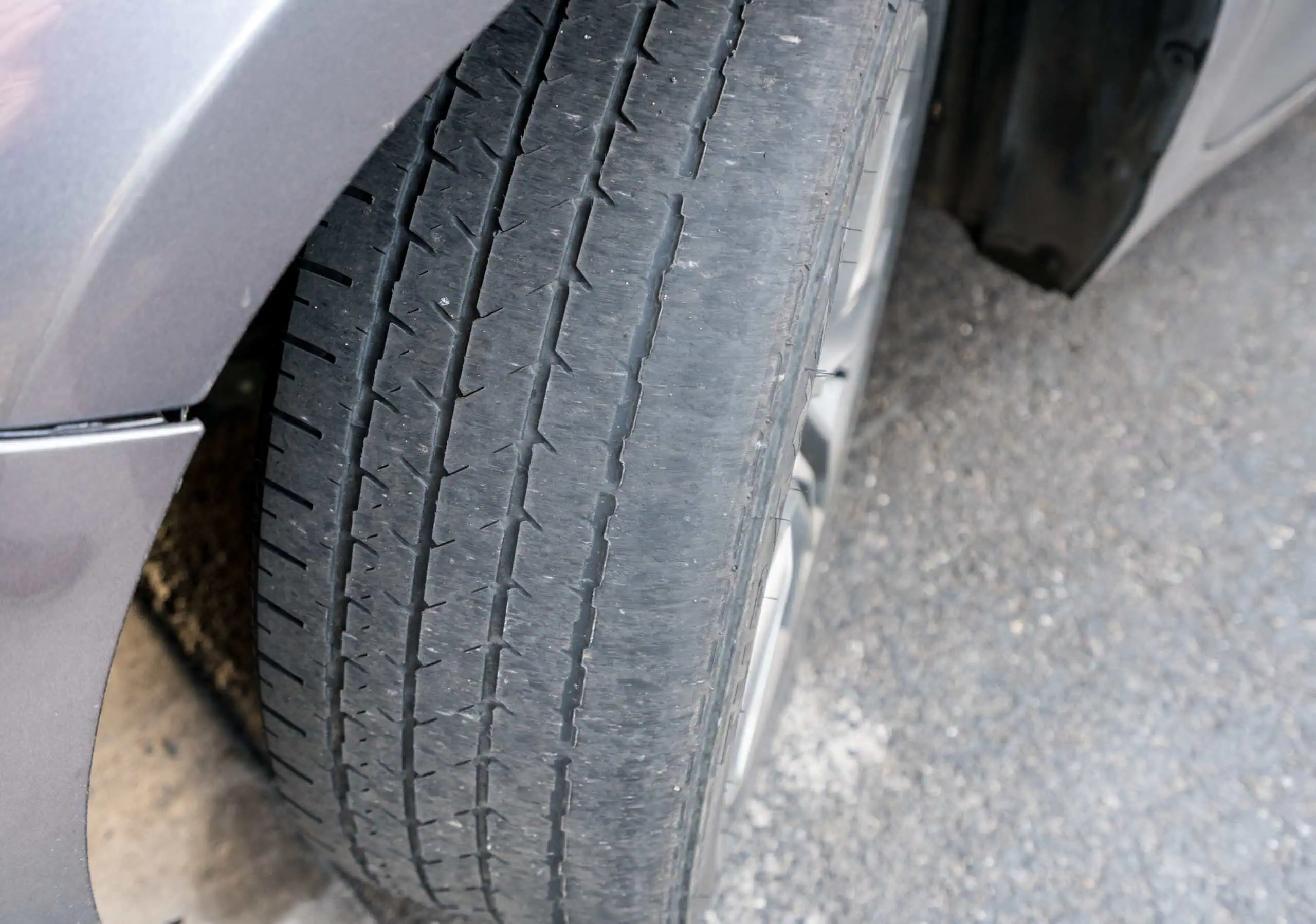
Every Illegal Tyre Now Risks Drivers a £2,500 Fine and Three Penalty Points

Every Driver Ignores This Dashboard Light and It Costs Them Their MOT

What the New GOV.UK Wallet Means for Every UK Driver This Year
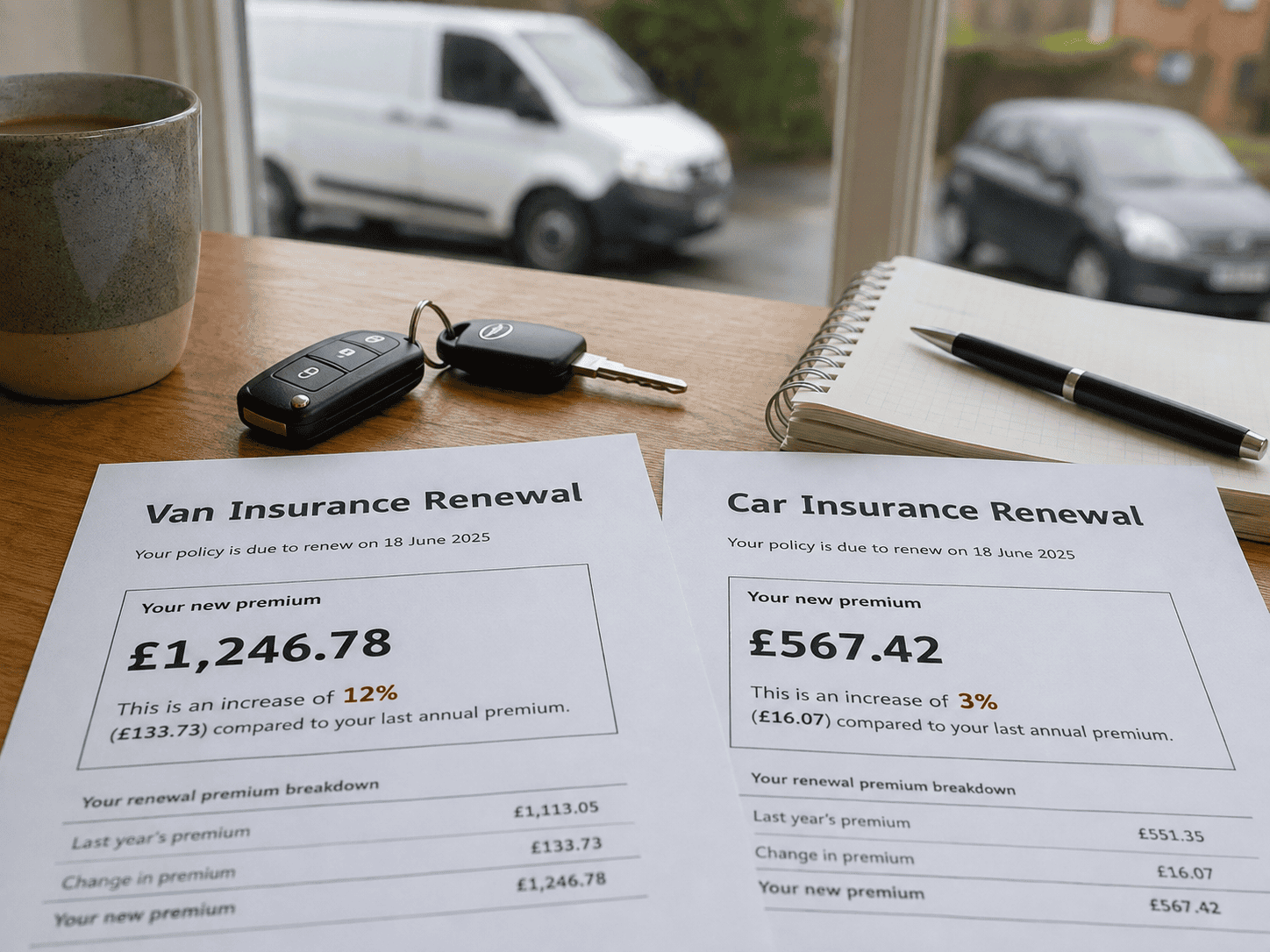
Insurers Pay Out £3.2 Billion as Average Car Cover Premium Hits £566, ABI Reveals

Why Bus Lane Cameras Earned UK Councils Millions in Fines This Year
Trending on Motoring Chronicle

KGM Musso EV Becomes UK’s Cheapest Electric Pick-Up at £39,995

What to Do When Fines Arrive for a Car You Were Not Driving as Plate Cloning Jumps 41 Percent
How Long Does Transmission Fluid Last Before Going Bad?

What Drivers Need to Know About This Week’s National Drive Sober Crackdown
