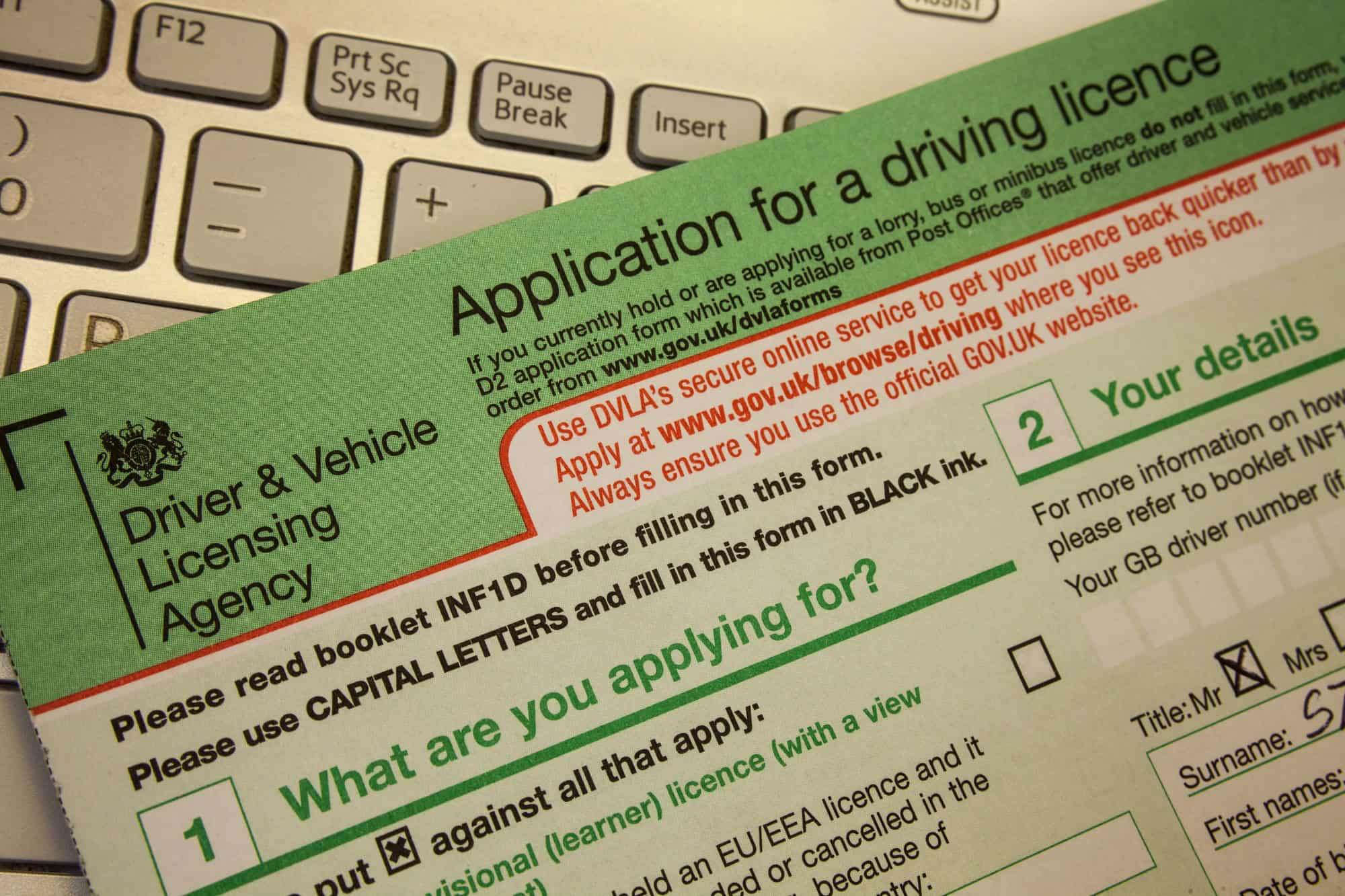
Company Car Tax Rises in 2026 as Electric Models Move to a 4 Percent Rate


Anyone running a company car will pay a little more tax from this spring. The Benefit-in-Kind (BIK) rate that decides how much you are taxed on the private use of a company vehicle has gone up again, and for electric cars it has moved from 3 per cent to 4 per cent from 6 April 2026. The increase is small in percentage terms but it lands on millions of employees with a company car, and it is the latest step in a planned climb that will keep nudging these bills upward every year to the end of the decade.
The good news for the large number of drivers who have switched to an electric company car is that the sums still work heavily in their favour. Here is what has changed, what it means in pounds rather than percentages, and why an electric company car remains one of the most tax-efficient ways to drive.
How company car tax works
If your employer gives you a car you can use privately, the taxman treats that perk as a form of income and taxes it. The amount you pay is built from three figures: the car’s P11D value, which is broadly its list price including most options, an “appropriate percentage” set by the government according to the car’s carbon dioxide emissions and fuel type, and your own income tax rate.
Multiply the P11D value by the appropriate percentage to get the taxable benefit, then apply your income tax rate to that benefit. A cleaner car carries a lower appropriate percentage, so it generates a smaller taxable benefit and a smaller bill. This is the lever the government has used for years to push company fleets toward low-emission and electric vehicles, and it is the appropriate percentage that changed on 6 April.
For fully electric cars, the appropriate percentage rose from 3 per cent to 4 per cent for the 2026/27 tax year. At the other end of the scale, the highest-emitting petrol and diesel cars sit at the capped rate of 37 per cent, and most diesels that do not meet the cleaner RDE2 standard carry a 4 per cent surcharge on top of their emissions-based figure, also capped at 37 per cent. The gap between an electric car at 4 per cent and a thirsty conventional car at 37 per cent is enormous, and that gap is the whole story.
What it costs in real money
Percentages mean little until you turn them into a monthly figure. Take a £40,000 electric car and a basic-rate taxpayer on the 20 per cent income tax band. Under the old 3 per cent rate, the taxable benefit was £1,200 a year, producing a tax bill of £240 a year, or £20 a month. Under the new 4 per cent rate, the taxable benefit rises to £1,600 a year, lifting the bill to £320 a year, or £26.67 a month.
That is an extra £80 a year for a basic-rate taxpayer on a £40,000 electric car. A higher-rate taxpayer on the 40 per cent band would pay double the tax on the same benefit, so roughly £640 a year against £480 before, an increase of about £160. These are real rises, but they remain modest compared with what the same drivers would pay on a petrol or diesel model.
Consider the contrast. A £40,000 petrol car sitting near the top 37 per cent band would generate a taxable benefit of £14,800 a year. For a basic-rate taxpayer that is around £2,960 in tax annually, and for a higher-rate taxpayer close to £5,920. Set the electric car’s £320 against the petrol car’s £2,960 for the same list price, and the reason company drivers have flocked to electric models becomes obvious.
Why electric company cars still win
The 1 percentage point rise does not change the underlying maths. Even after the increase, an electric company car is taxed at a fraction of the rate applied to a conventional one, and salary sacrifice schemes, where an employee gives up part of their gross salary in exchange for the car, remain one of the most cost-effective routes into an electric vehicle precisely because the BIK charge is so low.
Drivers should be aware that the appropriate percentage for electric cars is set to keep climbing. It rises again to 5 per cent for 2027/28, and from 2028 the annual steps get larger, taking the rate higher still by the end of the decade. The trajectory is deliberate: the Treasury wants to recover some of the tax it forgoes as fleets electrify, while keeping electric cars clearly cheaper than combustion models for years to come. For anyone weighing up a salary sacrifice deal, the rising rate is worth modelling across the full term of the agreement rather than just the first year.
What drivers and employers should do
If you already run an electric company car, there is nothing to do beyond noting the slightly higher deduction on your payslip from April. If you are choosing a new company car, the appropriate percentage and the P11D value are the two numbers that decide your bill, so an electric model with a sensible list price will almost always produce the lowest tax. Pushing the list price up with options raises the taxable benefit, so the same restraint that helps with road tax helps here too.
Employees considering a salary sacrifice car should ask their employer for an illustration that runs across every year of the lease, including the scheduled rate rises, so the later years hold no surprises. Employers, meanwhile, can still use the low electric rate as a recruitment and retention benefit, but should make sure staff understand that the figure is creeping up rather than fixed. You can check the appropriate percentage for any specific company car using HMRC’s company car tax tools at gov.uk. The headline for 2026 is straightforward: company car tax has gone up, but the electric advantage is alive and well.
Sources:
- https://www.fleetnews.co.uk/fleet-faq/what-are-the-current-bik-bands-/3/
- https://www.whatcar.com/advice/owning/company-car-tax-guide/n9352
- https://www.gov.uk/calculate-tax-on-company-cars
- https://motoringchronicle.com/?p=44141
- https://motoringchronicle.com/?p=44108

Leave a Comment
More in News
Why a Cracked Windscreen Now Costs Drivers Up to £800 to Fix

Used Car Dealer Directors Sentenced After Leaving Buyers Thousands Out of Pocket

Five Parking Firms Are Behind Nearly Half of 7.2 Million DVLA Driver Requests

Nearly One in Three Mobile Phone Driving Cases Now Ends in Crown Court

Why Your Electric Company Car Just Got More Expensive to Run
Trending on Motoring Chronicle

What Does an Exhaust Resonator Do?

From Coastal Luxury to Marble Hills: Esperienza Terra Versilia [Photo Gallery]
Electric Car Drivers Can Now Charge for 59p a Unit at 600 UK Sites This Summer

Hyundai Highlights Electric Car Heatwave Features Like Remote Cooling and Power Outlets