
What the Digital Driving Licence Means for Drivers (and the £1,000 Fine to Avoid)
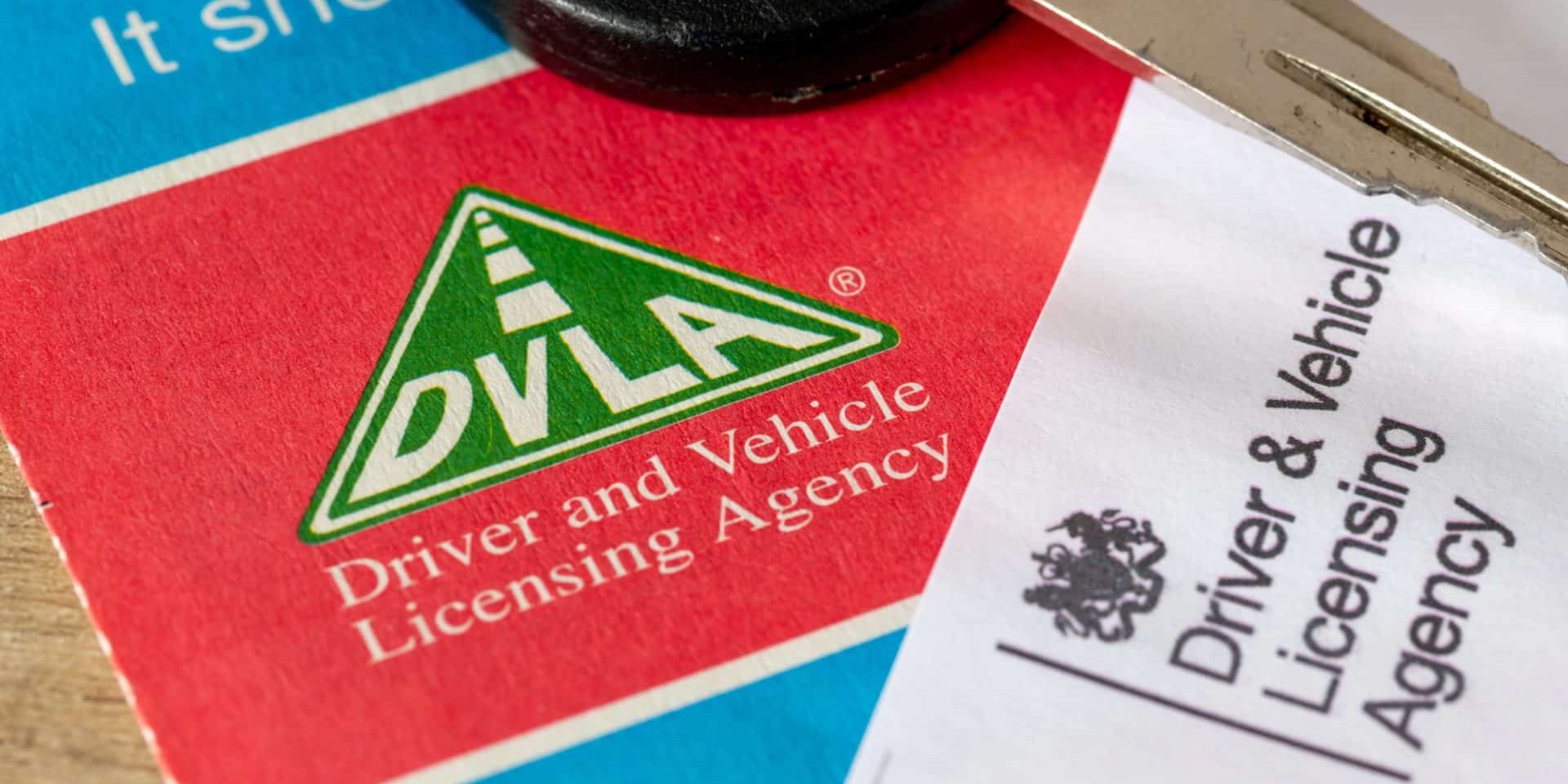

A digital version of the British driving licence is on its way, letting drivers store their full entitlements on a smartphone through the official GOV.UK Wallet. Testing began earlier in 2026 and a full public rollout is expected over the summer, with the programme due to complete by the end of 2027. The plastic photocard is not being scrapped, the digital licence is optional, and physical cards will keep being issued and accepted for years. But the switch is a good moment to check one thing that already catches drivers out: keep your licence details up to date or you risk a fine of up to £1,000. Here is what is changing and what you should do now.
What the Digital Driving Licence Is
The digital licence is a secure copy of your photocard held inside the GOV.UK Wallet, accessed through the GOV.UK One Login app. To set it up you download the app, verify your identity, and your licence details are loaded onto the phone. It carries the same information as the plastic card: your name, photograph, licence number, date of birth, address, expiry date and your driving entitlements, including categories, any restrictions and recorded medical conditions.
The aim is to let your phone do jobs the card does today, from proving your entitlement to drive to confirming your age or identity, without digging out a piece of plastic. The government has described it as the first document to go into a wider digital wallet that will eventually hold other official credentials too. For drivers, the early use is simple: a backup of your licence that lives on the device you already carry everywhere.
When It Arrives and Whether Plastic Disappears
The rollout is being staged rather than switched on overnight. Industry testing of how digital licence data can be shared with third parties came first, followed by the public launch through the app, with the full programme expected to run into 2027. That cautious timetable is deliberate, giving people time to get used to the technology before it becomes commonplace.
Crucially, the plastic photocard is not being abolished. The digital licence is optional, and physical licences are expected to keep being issued and accepted up to around 2030. Nobody will be forced to use a smartphone version, which is an important reassurance for drivers who do not own a smartphone, are not comfortable with apps, or simply prefer a card they can hand over. The two formats are designed to sit side by side for years.
That said, the direction is clear. As more services learn to read a digital licence, the smartphone version is likely to become the default for many younger drivers, while the card endures as the fallback. The sensible approach is to treat the digital licence as a convenience to adopt when you are ready, not a deadline to panic about.
The £1,000 Fine You Should Clear Up Now
Whether your licence is plastic or digital, the law requires the details on it to be correct, and the penalty for ignoring that is steep. You can be fined up to £1,000 if you fail to tell the DVLA when you change your name or address. It is one of the most commonly broken rules on the road, precisely because it feels minor and is easy to forget after a house move.
Updating your address is free and can be done online at gov.uk in a few minutes, and you can keep driving while you wait for the new licence to arrive. The DVLA will issue the replacement at no cost. There is a sensible exception: you do not need to report a genuinely temporary move, such as a student living away from a permanent home address during term time. For anything more settled, though, an out-of-date licence is both an offence and a practical headache.
The digital rollout makes this more pressing, not less. When your licence moves onto a phone, it pulls the details the DVLA already holds, so any errors or stale information come with you. Sorting out your address, name and photo now means the digital version you eventually create starts off accurate. It is also worth remembering that the photocard itself must be renewed every ten years, a separate deadline that carries its own fine of up to £1,000 if missed.
Security, Privacy and Practical Questions
A common worry is what happens if you lose your phone. The digital licence is protected behind the phone’s own security, requiring facial recognition, a fingerprint or a secure PIN to open, so someone who picks up your handset cannot simply read your credentials. Because the card remains valid, losing or breaking a phone does not leave you unable to prove you can drive, since the plastic licence still works.
Another question is whether the police and other bodies will accept it. Acceptance will grow as systems are updated to read the digital format, which is part of why the rollout is being phased. In the early period it is wise to carry, or at least retain, your physical licence as well, particularly for situations such as hiring a car abroad, where overseas systems may not recognise a UK digital licence for some time.
What To Do
First, check your current licence today. Make sure the address, name and photo are correct and that the card has not passed its ten-year renewal date, and if anything is wrong, fix it free at gov.uk before the digital version launches. Second, decide at your own pace whether the digital licence suits you, and if it does, use only the official GOV.UK One Login app to set it up, never a third-party site claiming to offer a digital licence, as those are a fraud risk.
Third, keep your photocard safe even if you go digital, as it remains the reliable fallback. And if you help an older or less tech-confident relative with their motoring admin, reassure them that nothing is being taken away and the card is going nowhere for years. For more on how this fits the broader overhaul of motoring rules, see our guide to the biggest shake-up of driving laws in years, and our look at why older drivers value their independence on the road.
Beyond simply proving you can drive, the digital licence is being positioned as an everyday identity tool. Because it carries your date of birth and photo, it could in time be used to confirm your age when buying age-restricted goods, or to verify your identity for services that currently demand a passport or a scan of your card. The government has been open that the driving licence is the first credential in a wallet intended to hold other official documents later, which is why so much attention is going into getting the security and data-sharing rules right before wider use.
For many drivers the appeal will be convenience. A licence on the phone is harder to leave at home, quicker to show, and easy to keep alongside other travel and payment apps. Car hire, test drives, and any situation where you need to prove entitlement on the spot could become smoother once the receiving systems can read the digital format. In the meantime, the practical advice is unchanged: the card is still the document that works everywhere, so keep it with you while the digital network catches up.
There are legitimate concerns to weigh, too. Digital exclusion is a real issue for people without smartphones or reliable internet, which is exactly why the card is staying. Privacy campaigners will watch closely how data is shared with third parties and how much information a checker can see, since a digital licence could in principle reveal only what is needed for a given check rather than every detail on the card. Those design choices will shape how comfortable drivers feel, and they are worth following as the rollout widens through the rest of the year.
Sources:
- https://www.gov.uk/government/news/digital-driving-licence-coming-this-year
- https://www.gbnews.com/lifestyle/cars/dvla-warning-fines-digital-driving-licence-2026
- https://www.rac.co.uk/drive/advice/legal/drivers-licence-fine/
- https://www.gov.uk/change-address-driving-licence

Leave a Comment
More in News

What an AdBlue Warning Light Really Means Before Your Diesel Refuses to Restart

How Bus Lane Cameras Earned Councils £37.7 Million by Fining UK Drivers This Year
Every New Car Buyer Could Get Bigger Discounts as Britain Misses Its EV Target

Drivers Using Rapid EV Chargers Pay 79p a kWh, Up 4 Percent, Zapmap Shows
How to Tell DVLA You Sold Your Car (and Avoid the Buyer’s Fines)
Trending on Motoring Chronicle
Belfast Drivers Pay £892 for Car Insurance, £309 More Than Causeway Coast, Quotezone Shows

What Illinois Drivers Over 79 Need to Know as Road Tests End July 1
How 19 Million Drivers Will Make This the Busiest Bank Holiday Weekend Since 2024

Ford Recalls 158,664 Mustangs, Broncos and Explorers Over Sudden Power Loss
