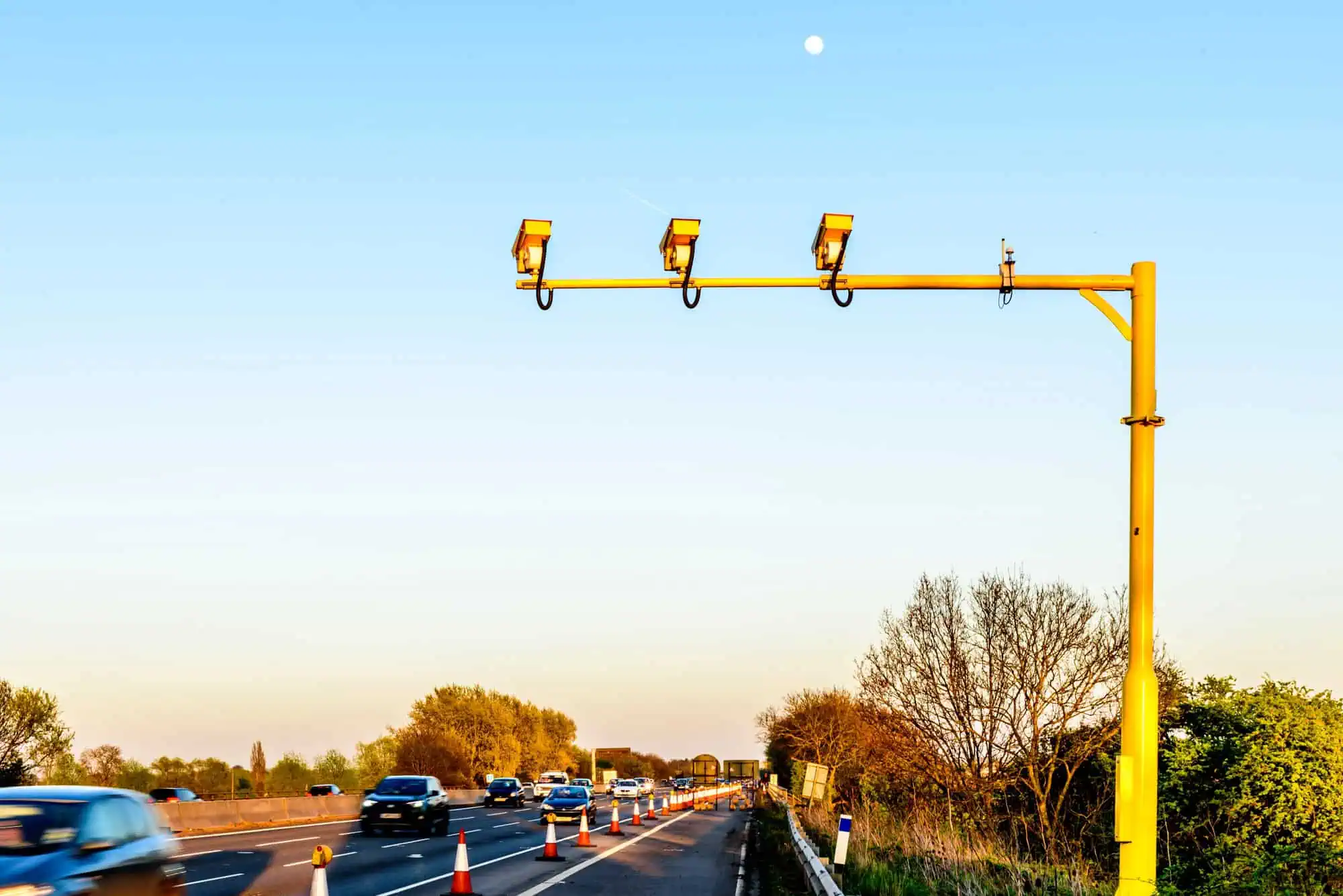
HMRC Mileage Rate Rises to 55p a Mile for Drivers Who Use Their Own Car for Work


For the first time in well over a decade, the amount you can claim back for driving your own car for work is going up. The Chancellor has confirmed that the Approved Mileage Allowance Payment, the rate used by millions of employees and self employed workers, will rise by 10p to 55p a mile, with the change backdated to April. It is a small looking number that adds up to a meaningful sum for anyone who clocks up business miles, and it ends a freeze that had quietly eroded the value of the allowance for fourteen years.
If you drive to client meetings, between work sites, on home visits or to any temporary workplace in your own vehicle, this affects you directly. The money is tax free, it is yours by right rather than a favour from an employer, and many people do not claim everything they are entitled to. Here is what the rise means in pounds and pence, and how to make sure you collect it.
What is changing
The Approved Mileage Allowance Payment, usually shortened to the mileage rate, is the figure HMRC lets an employer pay you tax free for using your own car on work journeys. It is meant to cover not just fuel but the whole cost of running the car for those miles, including wear and tear, servicing, tyres, insurance and depreciation. For years the rate has stood at 45p a mile for the first 10,000 business miles in a tax year, dropping to 25p a mile after that. The change lifts the main rate to 55p a mile, backdated to April, which means journeys you have already made this tax year qualify at the higher figure.
It is worth being clear about what counts as a business mile. The drive from home to your normal place of work does not qualify, because that is treated as ordinary commuting. Journeys to a temporary workplace, between two work locations, or out to see customers and suppliers do qualify. For a self employed person, trips made wholly for the business count, and the mileage method can be used instead of working out the actual running costs of the vehicle.
Who benefits and by how much
The maths is easy to follow. On the first 10,000 business miles, the jump from 45p to 55p is worth an extra 10p a mile. A community nurse, a sales rep or a tradesperson who covers the full 10,000 miles in a year is therefore £1,000 better off than they would have been under the old rate, simply for journeys they were already making. Someone driving 5,000 business miles gains £500, and even a few hundred miles a year is worth tens of pounds that would otherwise have stayed in the Treasury.
The people who gain most are those whose jobs put serious miles on a private car. Care workers driving between visits, engineers covering a region, charity and council staff doing home calls, and self employed contractors moving between sites all stand to collect hundreds of pounds more a year. Martin Lewis described the increase as a really important change for drivers who use their cars for work, and for households where the family car doubles as a work vehicle, the extra allowance helps offset the rising cost of fuel, insurance and repairs.
There is a catch worth understanding. The allowance is the maximum an employer can pay you tax free. Some employers choose to pay less than the approved rate, and in that case the higher figure does not automatically appear in your pay. The good news is that you can claim tax relief on the shortfall yourself, which is covered below.
Why the rate was frozen for so long
The 45p rate had been in place since 2011, and the freeze became increasingly hard to defend as the years passed. When the figure was set, petrol cost far less than it does now, insurance premiums were lower and the price of servicing and parts had not climbed to today’s levels. By leaving the rate untouched for fourteen years, successive governments allowed inflation to chip away at its real value, so that drivers were effectively subsidising their employers for the privilege of using their own cars.
Motoring and business groups had lobbied for an increase for years, pointing out that the true cost of running a car a mile had long overtaken 45p for many drivers, particularly those with older vehicles or low annual mileage where fixed costs such as insurance and depreciation weigh heavily. The 10p rise does not fully close that gap, but it is the first acknowledgement in well over a decade that the cost of motoring has moved on. Whether the rate is reviewed more regularly from here, rather than being left to stagnate again, remains to be seen.
How to claim what you are owed
The first step is to keep a proper record of your business mileage. A simple log of the date, the journey, the reason and the miles covered is enough, and many people use a phone app or a spreadsheet to track it. Without a record you cannot substantiate a claim, so start now if you do not already keep one.
If your employer pays the full approved rate, the money comes through your expenses and there is nothing more to do. If your employer pays less than the approved rate, or nothing at all, you can claim Mileage Allowance Relief on the difference from HMRC. For example, if your employer pays 30p a mile and the approved rate is 55p, you can claim tax relief on the 25p a mile gap. The relief is given at your tax rate, so a basic rate taxpayer gets 20 per cent of the shortfall back and a higher rate taxpayer 40 per cent. Claims can usually be backdated up to four tax years, so it is worth checking whether you have missed out in the past.
Employees can make a claim through their Self Assessment tax return if they complete one, or by using HMRC’s online service or a P87 form for smaller amounts. Self employed workers simply record the mileage in their accounts and claim it as an allowable expense. As with the car finance scheme, there is no need to pay a third party company to do this for you, and doing so will only cost you a slice of the money.
What to do
Start logging every business journey with the date, route, purpose and mileage. Check what rate your employer actually pays, because the rise to 55p is the tax free maximum rather than a guarantee. If you are paid less than the approved rate, claim Mileage Allowance Relief from HMRC on the difference, and consider backdating a claim for up to four years. If you are self employed, make sure your accounts reflect the new rate for journeys from April onwards. Keep the records safe in case HMRC asks to see them, and avoid paying a claims firm for something you can do yourself for free. With running costs climbing across the board, every pound of allowance you are entitled to is worth collecting.
One point that catches people out is that the rate is the same whatever fuel your car uses. A driver in an electric car claims the identical 55p a mile as someone in a petrol or diesel model, even though their energy costs may be far lower, because the allowance is designed to reflect the total cost of running and depreciating the vehicle rather than fuel alone. The flip side is that separate, lower advisory rates apply when you drive a company car and claim back the fuel only, so it is important not to confuse the two systems. The 55p figure is specifically for using your own private vehicle on business journeys.
Sources:

Leave a Comment
More in News

Drivers of Britain’s Dirtiest New Cars Now Pay £5,690 in HMRC’s Year-One Tax

What Your ABS Warning Light Actually Means (and Is It Safe to Drive?)

Buyers of Popular Electric Cars Miss a £3,750 Government Grant Rivals Get

Why Truckers Can Now Drive 16-Hour Days as Diesel Hits $6.29 a Gallon

What Limp Mode Actually Means (and What to Do When It Happens)
Trending on Motoring Chronicle

Maserati MCPURA brings the pure essence of Italian performance on the roads of Versilia
How Fuel Finder’s Reporting Failures Are Costing Drivers £40 a Year
How Ohio’s New Catalytic Converter Law Aims to Stop a $115 Million Crime Wave

Automobili Lamborghini and Italian State Police: 20 years of collaboration in service to the nation [Photo Gallery]