How New Van Tachograph Rules in Five Weeks Could Cost Your Business Up to £1,200 Per Vehicle
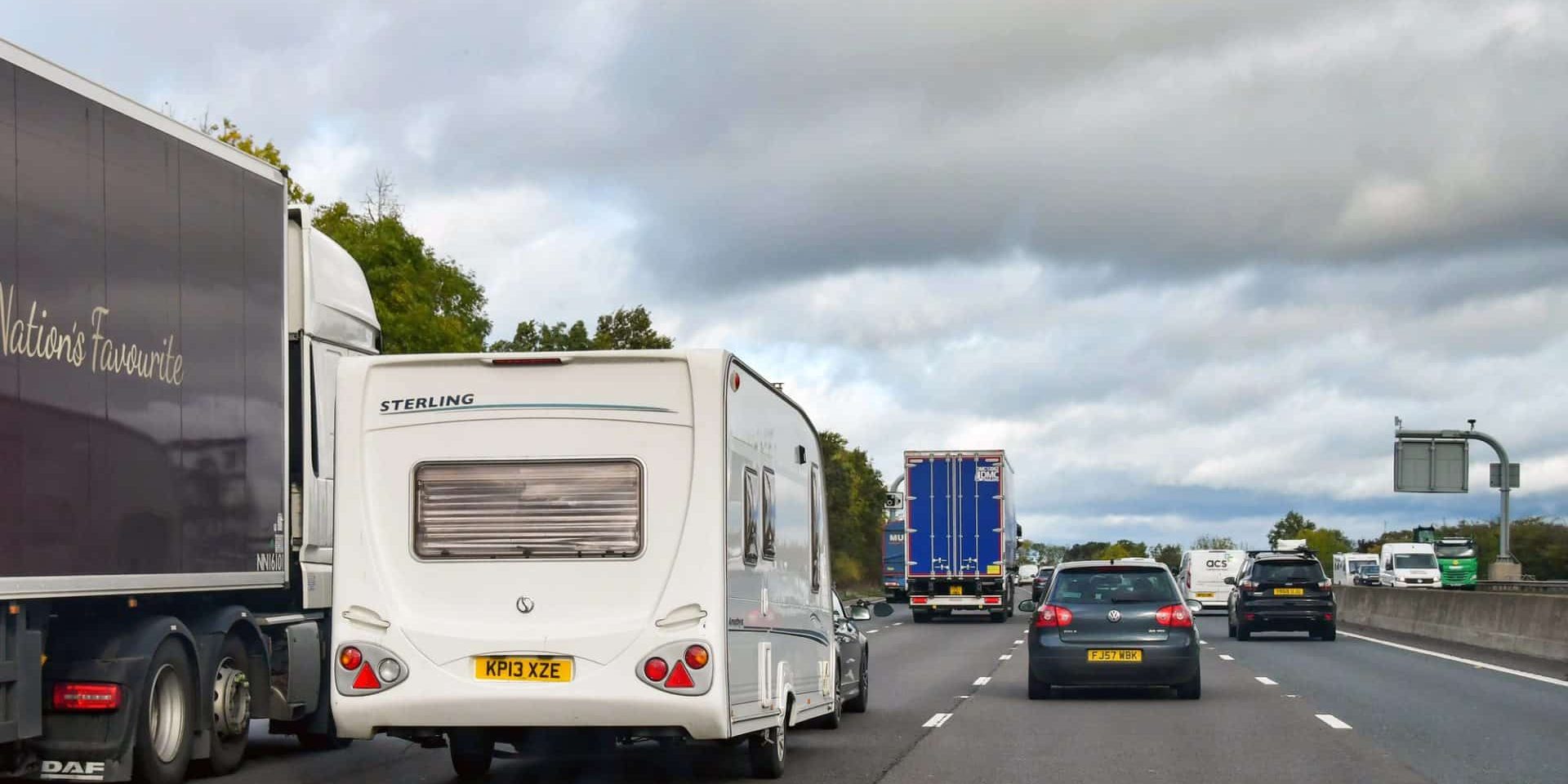
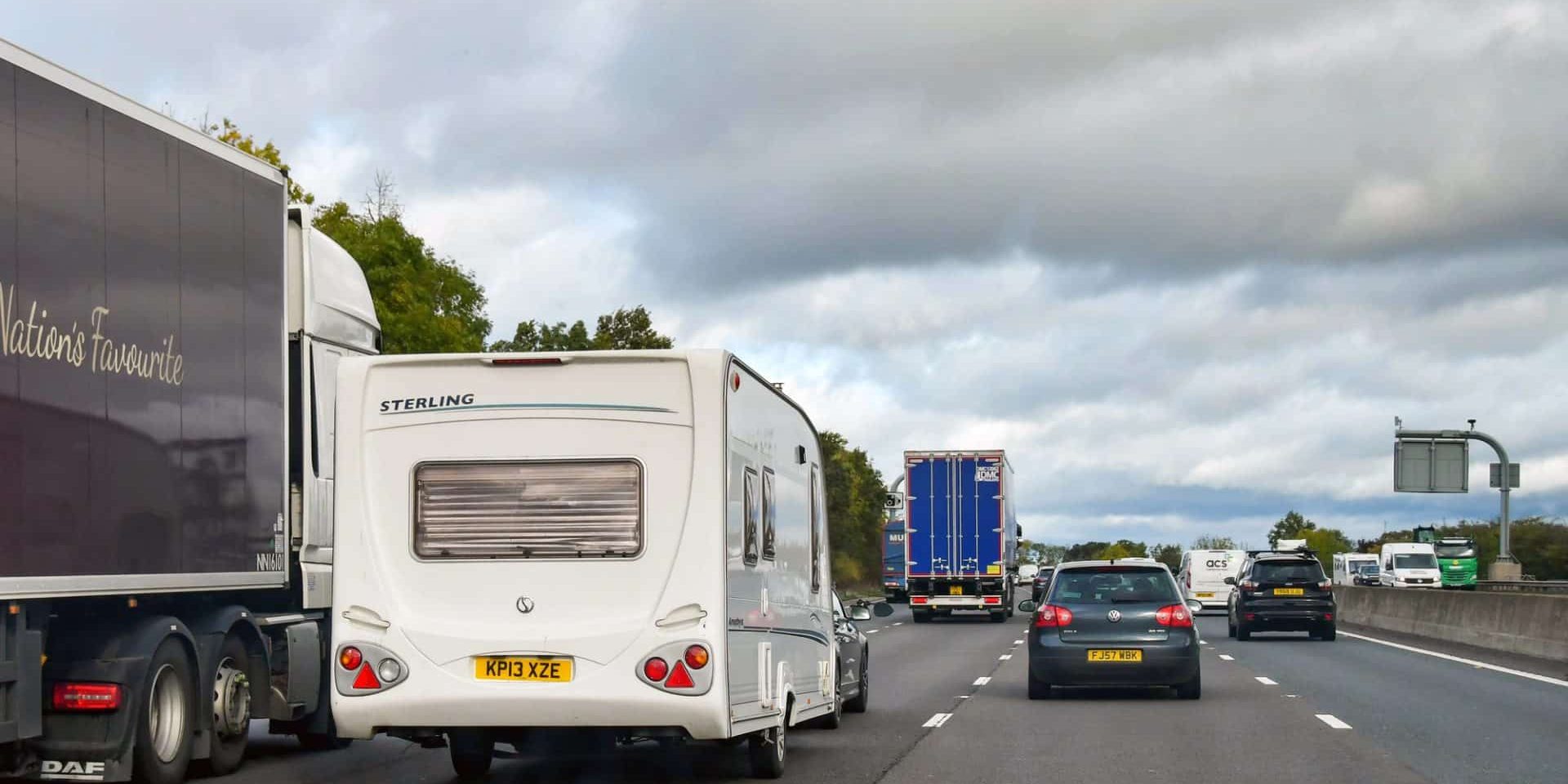
A significant new rule for van operators comes into force on 1 July 2026, and with fewer than five weeks to go, many smaller businesses that send vehicles across the Channel or into Europe have still not started preparing. From that date, vans and light commercial vehicles with a Maximum Authorised Mass between 2.5 tonnes and 3.5 tonnes, used for international commercial freight transport for hire and reward, must be fitted with a second-generation smart tachograph, known in industry shorthand as the Smart Tachograph 2 or G2V2. The hardware alone costs between £600 and £1,200 per vehicle installed at an approved tachograph centre, and that is before driver training, compliance administration and the cost of redesigning routes that no longer work under the new rest rules.
Crucially, fitting the tachograph is only half of the obligation. Once a van is brought into scope by the rules, it must also operate under the full EU Regulation 561/2006 drivers’ hours framework, which imposes strict limits on daily and weekly driving time, mandates minimum rest breaks and sets fortnightly maximums. Routes that were previously run in a single long push may no longer be legal. For businesses relying on flexible, last-minute international van deliveries, the operational consequences can be just as significant as the hardware cost.
Which Vans and Journeys Are Caught by the New Rules
The rules apply to vehicles with a Maximum Authorised Mass (MAM) of between 2.5 and 3.5 tonnes undertaking international journeys for hire and reward. “Hire and reward” means you are being paid to carry goods belonging to someone else. Typical examples include courier vans delivering commercial parcels across Europe, tradespeople transporting equipment or supplies to job sites in France or Germany, and small logistics operators running cross-Channel routes from Kent or Holyhead.
The geographic scope covers international journeys into or through any EU member state, plus Iceland, Liechtenstein, Norway and Switzerland. There is one additional area that frequently catches UK operators off guard: Northern Ireland. Operators based in Northern Ireland who regularly cross into the Republic of Ireland should check their position carefully, as that journey counts as an international crossing and brings the vehicle within scope of the new rules, even though many drivers experience it as a domestic trip with no border formalities on the road itself.
The rules do not apply to vehicles operating solely within Great Britain. If your fleet of vans between 2.5 and 3.5 tonnes never crosses an international border, you are not affected by this particular requirement and continue to operate under the existing GB domestic drivers’ hours framework, which does not require tachographs for vehicles under 3.5 tonnes. Equally, if you are carrying your own goods in your own van for your own business, as opposed to carrying goods belonging to a paying customer, you may qualify for the “own account” exemption. This removes the tachograph obligation even on international journeys in most circumstances, provided driving is not the driver’s primary occupation.
What a Smart Tachograph 2 Actually Does and What It Costs
A Smart Tachograph 2 is a tamper-evident recording device fitted to the vehicle’s dashboard that tracks driving time, rest periods, speed and location. The second-generation version, which has been mandatory in new heavy goods vehicles since August 2023, communicates with GNSS satellite systems to record precise position data and uses short-range wireless technology that allows enforcement authorities to interrogate the tachograph remotely without stopping the vehicle. Authorities at European border crossings and at roadside enforcement points can download tachograph records from a moving vehicle using roadside readers, which represents a substantial increase in enforcement capability compared to the previous generation.
Fitting a Smart Tachograph 2 requires a visit to an approved tachograph centre, which must be authorised by the DVSA. The vehicle must be calibrated at the time of fitting and re-calibrated every two years thereafter and after any repair to the odometer or speed sensor. The combined cost of the hardware unit and fitting typically falls between £600 and £1,200 per vehicle depending on vehicle type and workshop rates. Each driver operating a tachograph-equipped vehicle must hold a digital driver card, issued by the DVLA in the UK at a cost of £32. The card is inserted into the tachograph whenever the driver is on duty. Processing time for driver cards can run to six to eight weeks, meaning any operator who has not yet applied is already at risk of being without cards by 1 July.
The BVRLA (British Vehicle Rental and Leasing Association), which represents van fleet operators across the UK, issued a warning in March 2026 that approved tachograph centre appointment slots were already filling up in many regions. Businesses that leave the upgrade until mid-June risk being unable to find a compliant fitting slot before the deadline. The DVSA maintains a searchable list of approved tachograph centres at gov.uk, and it is worth checking local availability before assuming a booking will be straightforward to arrange at short notice.
The Drivers’ Hours Rules That Come With the Tachograph Obligation
Once a van is subject to the new rules, its driver must follow EU Regulation 561/2006 in full. The principal limits are a daily driving maximum of nine hours, extendable to ten hours no more than twice in any calendar week; a weekly driving maximum of 56 hours; a fortnightly maximum of 90 hours across any two consecutive weeks; and a mandatory 45-minute break after every 4.5 hours of continuous driving. The 45-minute break can be taken in two parts, provided the first part is at least 15 minutes and the second is at least 30 minutes and they are taken in that order.
These limits are considerably tighter than the informal working practices of many small van operators who are accustomed to loading up and driving door to door over a long day without tracking precise rest periods. A courier who currently drives from Birmingham to Cologne in a single stint of 11 hours will not be able to run that route legally once their van comes into scope. The tachograph records every minute of driving and rest, and enforcement authorities in Germany, France and the Netherlands have substantial experience of issuing on-the-spot fines to van drivers operating without a required tachograph or in breach of drivers’ hours limits. Penalties in those countries are substantially higher than in the UK.
Logistics UK, the trade body for freight operators, has also flagged that the drivers’ hours changes affect journey planning at the route design level, not just at the driver compliance level. Some routes that currently work commercially because they can be run in one leg will need to be redesigned to include a rest stop, which changes timing, may require advance booking of rest facilities, and in some cases makes certain same-day deliveries impossible. Businesses should plan their route structures now, before 1 July, not after.
What to Do Before 1 July 2026
The first step is a fleet audit. Work through your vehicle list and identify every van with a MAM between 2.5 and 3.5 tonnes. Check which of those vehicles are used for international journeys. Determine whether those journeys are for hire and reward or own account. If any vehicles qualify, the preparation steps are sequential. Apply immediately for driver cards from the DVLA, allowing up to eight weeks for delivery. Find an approved tachograph centre via the DVSA’s online list and book a fitting appointment for each affected vehicle. Budget for hardware, fitting and calibration. Brief your drivers on the EU drivers’ hours rules, including the break requirements. Review your international routes and redesign any that would result in daily driving time exceeding nine hours.
DVSA guidance on the new rules is available at gov.uk/guidance/tachographs. The BVRLA and Logistics UK have published operator guides in plain English. National Compliance Training and the RTITB (Road Transport Industry Training Board) offer tachograph training courses for drivers who have not worked with the equipment before. These courses typically run for one day and cover both the practical operation of the device and the legal requirements around record keeping.
For operators who are uncertain whether their specific journeys and vehicles are caught by the rules, Backhouse Jones solicitors, who specialise in transport law, offer a free initial assessment. Given that penalties for operating in the EU without a required tachograph can run to several thousand euros per offence, getting the legal position right before 1 July is worth the investment of time. The deadline is firm and there is no indication from the DVSA or DVLA of any grace period after 1 July for operators who simply did not prepare in time.
Sources:

Leave a Comment
More in News
HMRC Fuel Duty Rises Will Add £2.75 to Every Tank of Petrol by March

Is a Pickup Truck a Car?

Tool Theft Now Costs UK Tradespeople an Average £2,646, Simply Business Reveals

How to Appeal a Parking Fine (and Actually Win Your Case)

Birmingham’s Clean Air Zone Has Now Raised £57 Million From Non-Compliant Drivers
Trending on Motoring Chronicle

How Insurance Fraud Adds Up to £50 to Every Honest Driver’s Premium
Every Tenth Driver Risks a £2,500 DVSA Fine by Skipping MOTs to Save Cash

What Happens If You Ignore a Check Engine Light? Key Risks Explained

Honda UK Launches Eight-Year Warranty That Transfers to Used Buyers From 1 June