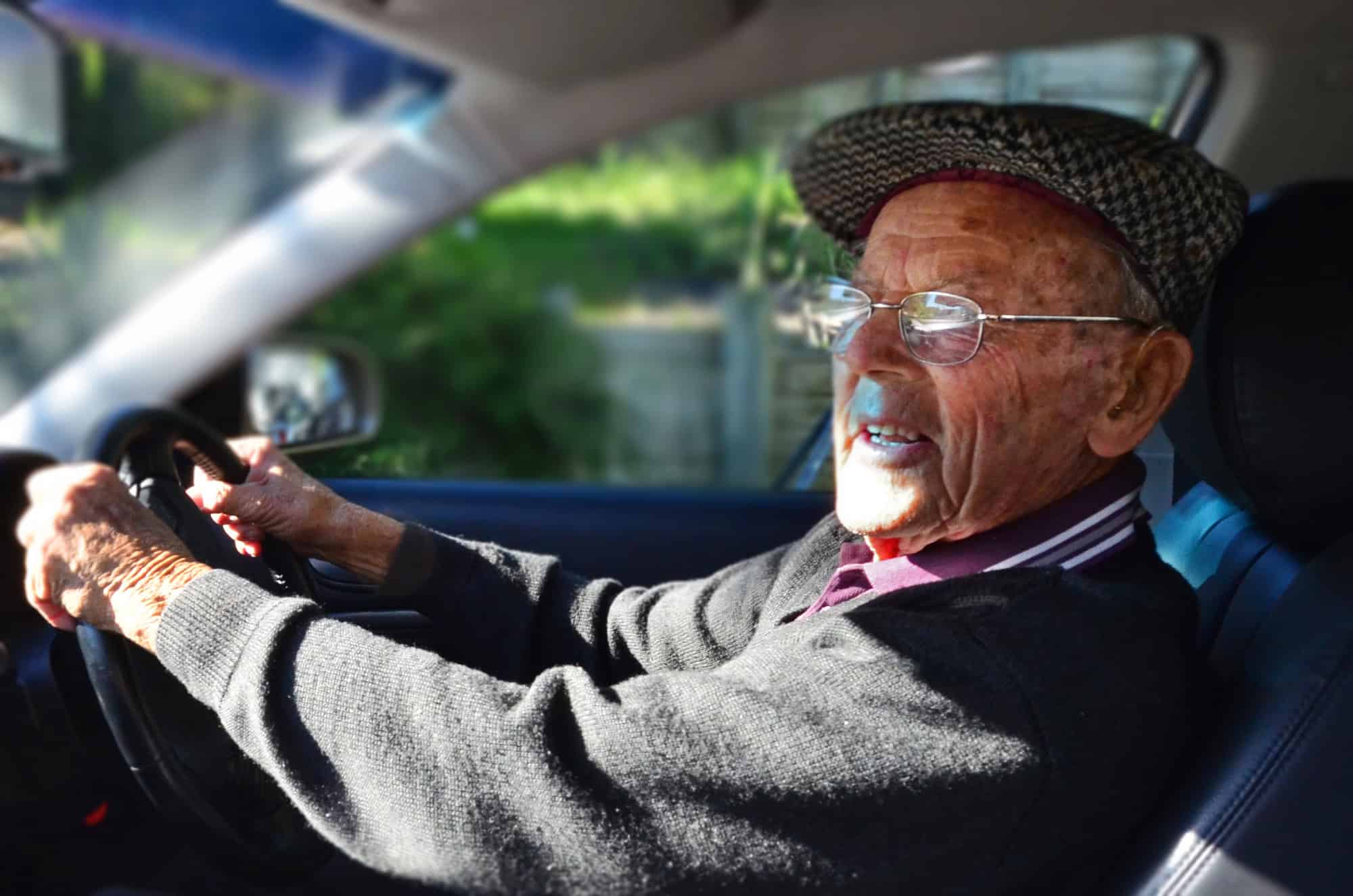
What Drivers With a Current MOT Need to Know About Outstanding Safety Recalls


Millions of drivers in the UK hold a valid MOT certificate and assume their vehicle is in full legal and roadworthy order. But a growing number of motorists are discovering that a passed MOT does not protect them from the consequences of an outstanding manufacturer safety recall, and that ignoring a recall notification could expose them to a fine, void their insurance, or leave them liable in the event of an accident.
The DVSA has issued renewed warnings about the risks of driving a vehicle with a known uncorrected defect. Here is what you need to know about recalls, how they interact with the MOT, and what the consequences of inaction could be.
What Is a Vehicle Safety Recall?
A vehicle safety recall is a formal notice issued by a manufacturer when it identifies a defect in a production vehicle that could pose a risk to occupants or other road users. The recall instructs owners to bring their vehicle to a dealership so that the fault can be corrected free of charge. Recalls can cover anything from a faulty airbag to a brake system defect, a fuel leak risk, or a software problem that causes a vehicle to behave unexpectedly.
The number of vehicles subject to active recalls in the UK at any given time runs into the millions. The DVSA maintains an online tool that allows any vehicle owner to enter their registration number and check whether a recall has been issued. Manufacturers are required to notify registered keepers by post, but the system depends on vehicles being registered to their current keeper, which is not always the case with recently sold secondhand vehicles.
What Does the MOT Actually Check?
The MOT test assesses whether a vehicle meets minimum roadworthiness standards on the date of the test. Testers check a defined list of components including lighting, brakes, steering, tyres, emissions, and visibility. What the MOT does not check is whether the vehicle is subject to an outstanding manufacturer recall.
A vehicle can pass its MOT with a clean result and still have an active, uncorrected recall outstanding. The two systems operate independently. The MOT certificate confirms the vehicle met the required standard at the point of testing, but it provides no verification of defects that fall outside the test scope or that were introduced through a manufacturer notification issued after the test date.
Why Ignoring a Recall Could Cost You
The legal position in the UK is that driving a vehicle with a known safety defect, even one you were notified of but chose not to act on, could be treated as driving a vehicle in a dangerous condition. If an accident occurs and it is found that an outstanding recall was relevant to the cause, the driver and owner could face significant liability.
Insurance policies typically exclude cover for claims arising from known defects that have not been rectified. If you received a recall notice, did not act on it, and then made a claim following an accident connected to the recalled component, your insurer could decline the claim or seek to recover costs from you. A passed MOT certificate would not change that position, because the MOT does not verify recall status.
The DVSA has the authority to remove vehicles from the road if they are considered dangerous. While enforcement has historically been focused on commercial vehicles, the regulator has made clear that persistent failure to respond to a recall notice is not without consequence for private motorists either.
How Do You Know If Your Car Has an Outstanding Recall?
The simplest way to check is to use the government’s free vehicle recall checker at gov.uk. You enter your vehicle’s registration number and the tool returns any outstanding recalls registered against it. The check takes under a minute and costs nothing. It is worth running this check when buying a used vehicle as well as periodically on vehicles you already own, since recalls can be issued at any point in the life of a model.
Manufacturers are required to write to the registered keeper when a recall is issued. If you bought a vehicle secondhand and the previous owner did not update the V5C, recall notices may have gone to the previous address. Ensuring your vehicle’s registered keeper details are current with the DVLA is a straightforward step that reduces the risk of missing a critical notification.
What Happens If You Receive a Recall Notice?
If you receive a recall notice, you should contact your nearest dealership for that brand and book the vehicle in for the corrective work. Dealers are required to carry out recall repairs free of charge regardless of whether the vehicle is still under warranty or how old it is. The work is funded by the manufacturer, and you should not be asked to contribute to the cost.
Recall repairs vary in complexity. Some can be completed in a few hours during a service visit, while others may require the vehicle to remain at the dealer for several days if replacement parts need to be ordered. In cases where the defect is assessed as making the vehicle unsafe to drive before the recall work is completed, the dealer or manufacturer is expected to provide alternative transport arrangements.
Are Recall Repairs Free of Charge?
Yes. Recall repairs are always carried out free of charge by the manufacturer, through the franchised dealer network. This applies regardless of the age of the vehicle, whether it has changed hands, or whether any warranty has expired. The cost is borne entirely by the manufacturer as part of its legal obligation to correct the identified defect.
There is no financial reason to delay booking a recall repair. The only cost to the driver is the time taken to drop the vehicle off and collect it. For serious defects, a courtesy car or collection and delivery service is typically offered, meaning the disruption to the driver can be kept to a minimum.
What Should Drivers Do Now?
If you have not checked your vehicle for outstanding recalls recently, doing so takes under a minute using the gov.uk vehicle recall checker. If a recall is showing, contact the relevant dealership and arrange for the work to be carried out. There is no cost to you and no reason to delay.
If you are buying a used vehicle, run the recall check as part of your standard pre-purchase process. An outstanding recall does not necessarily mean you should walk away, but it should either be resolved before you take ownership or factored into the negotiation if the seller is willing to arrange the repair first.
The broader point is that a valid MOT is an important document, but it is not a comprehensive guarantee of a vehicle’s current safety status. Keeping your DVLA records up to date, checking the recall register periodically, and responding promptly to any recall notice you receive are all straightforward steps that protect you, your passengers, and other road users.

Leave a Comment
More in News

How to Read the Numbers on Your Tyre Sidewall (and Buy the Right Replacement)

How to Claim Your $28 Refund From State Farm’s Louisiana Total Loss Settlement

Why Tesla Still Has No Fix for 20,349 Model 3 and Y Headlights That Blind Oncoming Drivers
Toyota Recalls 8,521 C-HR EVs Over a Software Bug That Cuts Power While Driving
What Actually Happens If You Put the Wrong Fuel in Your Car
Trending on Motoring Chronicle
Does Turning Off the Engine at Lights Save Fuel?

GM opens new UK advanced design studio, showcases Corvette-inspired concept car [Photo Gallery]

Walmart’s EV Charging Network Quietly Becomes One of the Nation’s Largest

The final W16 era milestone: the first W16 Mistral now leaves the Bugatti Atelier [Photo Gallery]