
Why Millions of Drivers Must Update Their DVLA Records Before Digital Licences Arrive
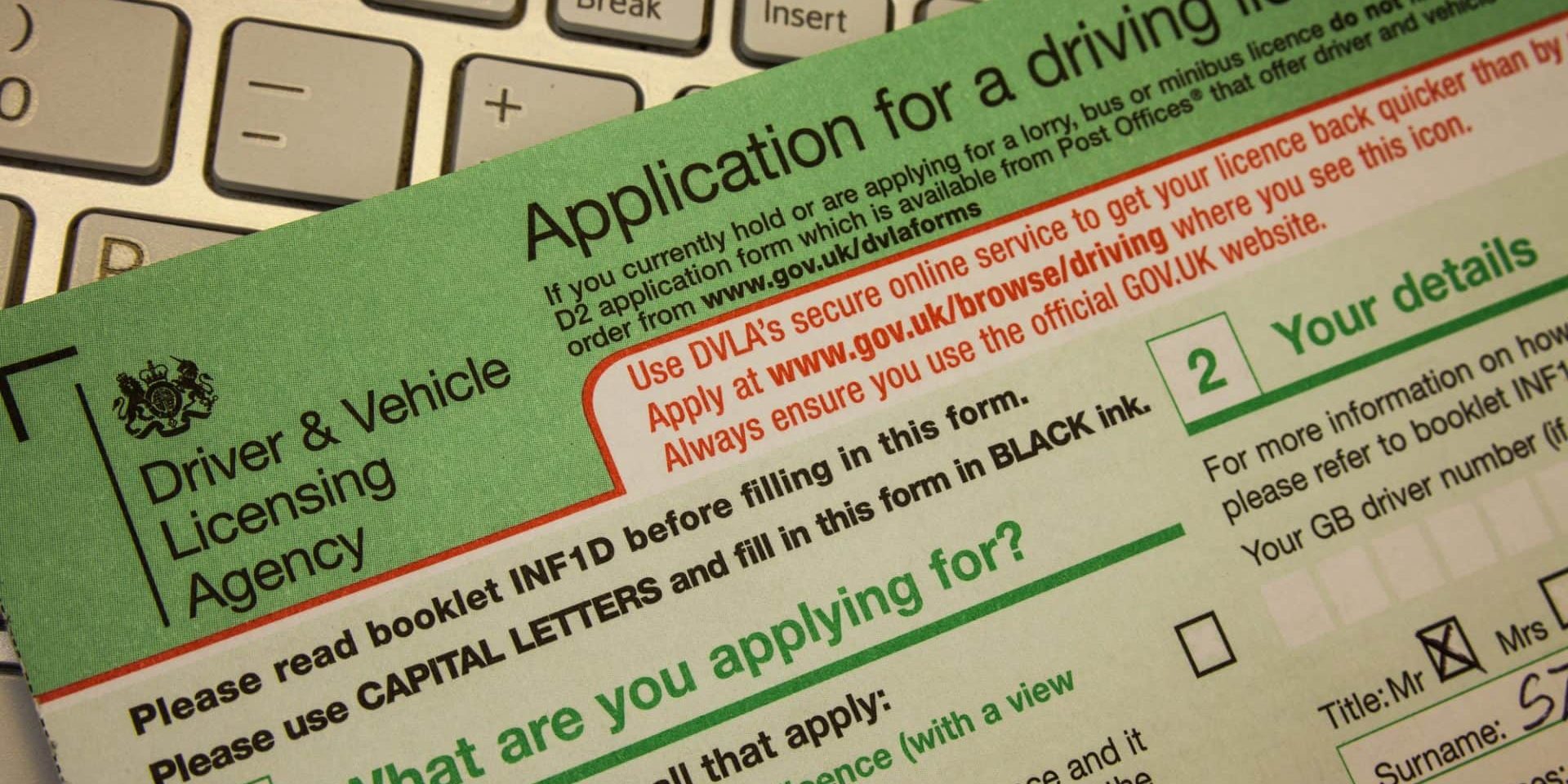
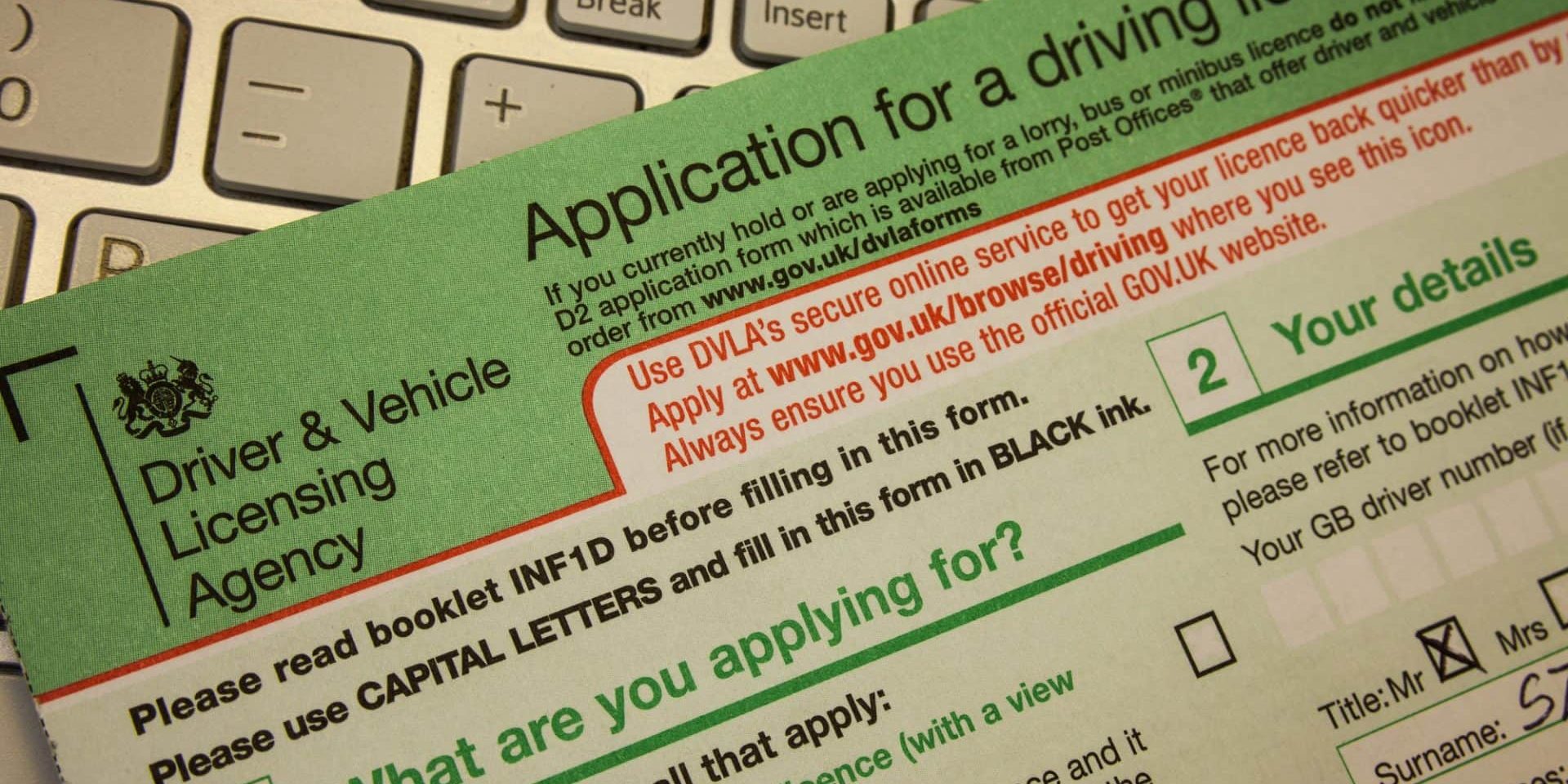
The DVLA is preparing to roll out digital driving licences across the United Kingdom, and millions of drivers with outdated records on the agency’s database face the prospect of fines if their details are wrong when the system goes live. The digital licence, which will be accessible via a government-backed smartphone app, will link directly to the DVLA’s central database. Any discrepancy between what a driver thinks their licence says and what the database actually holds will become immediately visible to police, insurers, and roadside enforcement systems.
The rollout timetable, updated by the DVLA in early 2026, points to a phased national launch beginning in the second half of this year. Updating records now is free. Updating them after an enforcement notice or fine is considerably more expensive.
What Is the Digital Driving Licence?
The digital driving licence is not a replacement for the physical photocard. The DVLA has confirmed that the photocard will remain a valid form of identification and proof of entitlement to drive for the foreseeable future. The digital version is an additional format, stored on a smartphone, that can be used in situations where you would previously have needed to carry the plastic card.
The underlying data comes directly from the DVLA’s database, which means the digital version will reflect exactly what the agency holds, including any penalty points, medical restrictions, categories of entitlement, and the address registered against the licence.
The government’s framework for the digital licence is built on the same infrastructure being used for the NHS app and the digital identity verification system being rolled out across several government departments. The initial rollout is expected to cover England, Scotland and Wales. Northern Ireland operates its own licensing system through the DVA and is implementing a separate but compatible digital solution.
Why Outdated Records Are a Problem
The DVLA estimates that a significant proportion of UK licences carry at least one detail that does not match the holder’s current circumstances. The most common discrepancy is an out-of-date address.
Under existing law, drivers are already legally required to notify the DVLA within seven days of moving to a new address. Failure to do so carries a fine of up to £1,000. In practice, enforcement of this rule has been minimal because there has been no simple mechanism for checking address accuracy at the roadside. The digital licence changes that. When an officer or automated system checks a digital licence, the address stored on the DVLA database is the address that shows up. If that address is three years out of date, it is visible in real time.
Beyond addresses, the categories of entitlement recorded on a licence can also be incorrect. Drivers who passed additional tests, such as the towing entitlement (BE), or who held provisional entitlements that should have been removed, sometimes find that their record does not reflect their current legal position. Drivers who received manual-only restrictions following an automatic vehicle pass, and who have since passed in a manual, need to ensure that restriction has been cleared from the record.
Medical conditions are another area where records frequently diverge from reality. The DVLA requires drivers to notify it of certain medical conditions that may affect their fitness to drive. Some drivers are unaware of this obligation and have never declared a condition that should be on their record. Others declared a condition years ago and have not updated the DVLA following treatment or recovery. The digital licence will display the medical flag status associated with the licence, and any mismatch between the recorded status and a driver’s actual medical history creates legal exposure.
The Fine for Not Updating
The existing penalty for failing to notify the DVLA of an address change is up to £1,000. This penalty sits in the Road Traffic Act and has not been changed as part of the digital licence rollout. However, the DVLA has indicated that it intends to use enforcement campaigns linked to the digital licence launch to identify and pursue drivers with outdated records.
There is also a secondary financial risk. Motor insurance policies typically require the policyholder to notify the insurer of a change of address. Drivers who have not updated their DVLA address and whose insurer address also does not match their current home may find, in the event of a claim, that both the licence and the insurance policy carry the wrong address. Insurers have used address discrepancies as grounds to void policies in disputed claims, though courts have been inconsistent on when this is permissible.
For penalty points, the implications are different. Points are recorded against the DVLA record automatically when a Fixed Penalty Notice is accepted or a court endorsement is made. Drivers cannot change this data themselves. However, drivers who believe their points record is incorrect, for example because a disqualification period has expired and the points should have been removed, should check their record and request a correction if needed.
How to Check and Update Your DVLA Record
The DVLA’s online service allows licence holders to view their driving record, including all endorsements and entitlements, at gov.uk/view-driving-licence. You will need your driving licence number, National Insurance number, and postcode as registered with the DVLA.
If the postcode shown does not match your current home, you need to update your address. This can be done online at gov.uk/change-address-driving-licence for most drivers. The service is free and takes around five minutes. You will receive a replacement photocard at your new address within approximately three weeks.
If you have a medical condition that you have not declared to the DVLA, the relevant forms are available at gov.uk/health-conditions-and-driving. Different conditions require different forms, and the DVLA’s guidance lists which conditions must be reported and which you are permitted to self-assess without notification. Failure to report a notifiable condition is a criminal offence and can also affect insurance validity.
For entitlement queries, including disputes about which vehicle categories are recorded on your licence, the DVLA’s contact centre can be reached online or by post. Changes to entitlement categories cannot currently be made online and require a form submission in most cases.
When Will the Digital Licence Launch?
The DVLA has been careful not to commit to a fixed launch date, citing the complexity of the underlying infrastructure and the need for extensive security testing. The agency’s published roadmap for 2026 describes a phased rollout beginning with a limited beta later this year, with broader availability expected in 2027.
The beta phase will be invitation-based, offering the digital licence to a defined group of users before the general launch. Details of how to apply for the beta have not yet been published, but the DVLA has said information will be available through its website and the GOV.UK Notify service.
The phased approach means that updating your records now creates no immediate visible change for most drivers. The physical licence remains fully valid in the meantime. The practical urgency is not about using the digital licence today. It is about ensuring that when the database is used to populate the digital version, what it holds is accurate.
What the Digital Licence Can and Cannot Be Used For
The DVLA has stated that the digital licence will be accepted as proof of age and identity for a range of purposes, including age verification in shops and bars, car hire, and roadside checks by police using the DVLA’s own systems. It will not, initially, be accepted as travel identification for flights within the UK or as a substitute for a passport at international borders. The digital identity framework being developed by the government for travel purposes is a separate project with a longer timeline.
For car hire, several major rental operators have indicated they will accept the digital licence from launch, subject to the driver also providing a check code generated through the DVLA’s online service. The check code system already exists for paper licence holders and will be extended to the digital format. This approach avoids handing the physical card to a rental company that would otherwise retain it for the duration of the hire.
The Broader Push Toward Digital Identity
The driving licence is one of several government-issued documents being adapted for digital use as part of the broader programme set out in the Digital Identity and Attributes Trust Framework. Other documents under consideration for digital versions include the Blue Badge, the Veteran’s ID card, and eventually the passport in a domestic context.
The driving licence is the first to reach the implementation phase partly because the DVLA’s database is more centralised and more regularly updated than those underpinning other identity documents, and partly because there is a clear operational case for digital roadside checking that justifies the infrastructure investment.
For drivers, the immediate action is simple. Log into the DVLA’s view-driving-licence service, check that the address, entitlements, and endorsements on your record are accurate, and if anything is wrong, use the free update service to correct it before the digital rollout moves forward. Doing it now costs nothing. Discovering the discrepancy at the roadside when the digital system is live will cost considerably more.
Sources:
- https://www.gov.uk/government/publications/digital-driving-licence-roadmap-2026
- https://www.gov.uk/view-driving-licence
- https://www.gov.uk/change-address-driving-licence
- https://www.gov.uk/health-conditions-and-driving

Leave a Comment
More in News
English Councils Banked a Record £1.1 Billion From Every Driver’s Parking Fines Last Year
How DVLA Promises 99% of Licences in Three Days After Admitting Services Fall Short
What to Do in a Motorway Breakdown (and When to Stay Inside)

How to Jump Start a Car Safely (and What a New Battery Costs)

Every Driver Gets Five Minutes Grace as Government Freezes Parking Charges at £100
Trending on Motoring Chronicle

How DVSA Found 70 Percent of Vans Unsafe to Drive at Roadside Checks
New EU Border Checks Are Now Live for Every Driver Crossing the Channel This Summer

Councils Fined More Than 57,000 Drivers for Blocking EV Charging Bays Last Year

Lamborghini Revuelto Miura 60° Homage: special series pays tribute to the first super sports car
