
Mind the Kerb: English Councils Get New Powers to Fine Drivers Who Park on Pavements
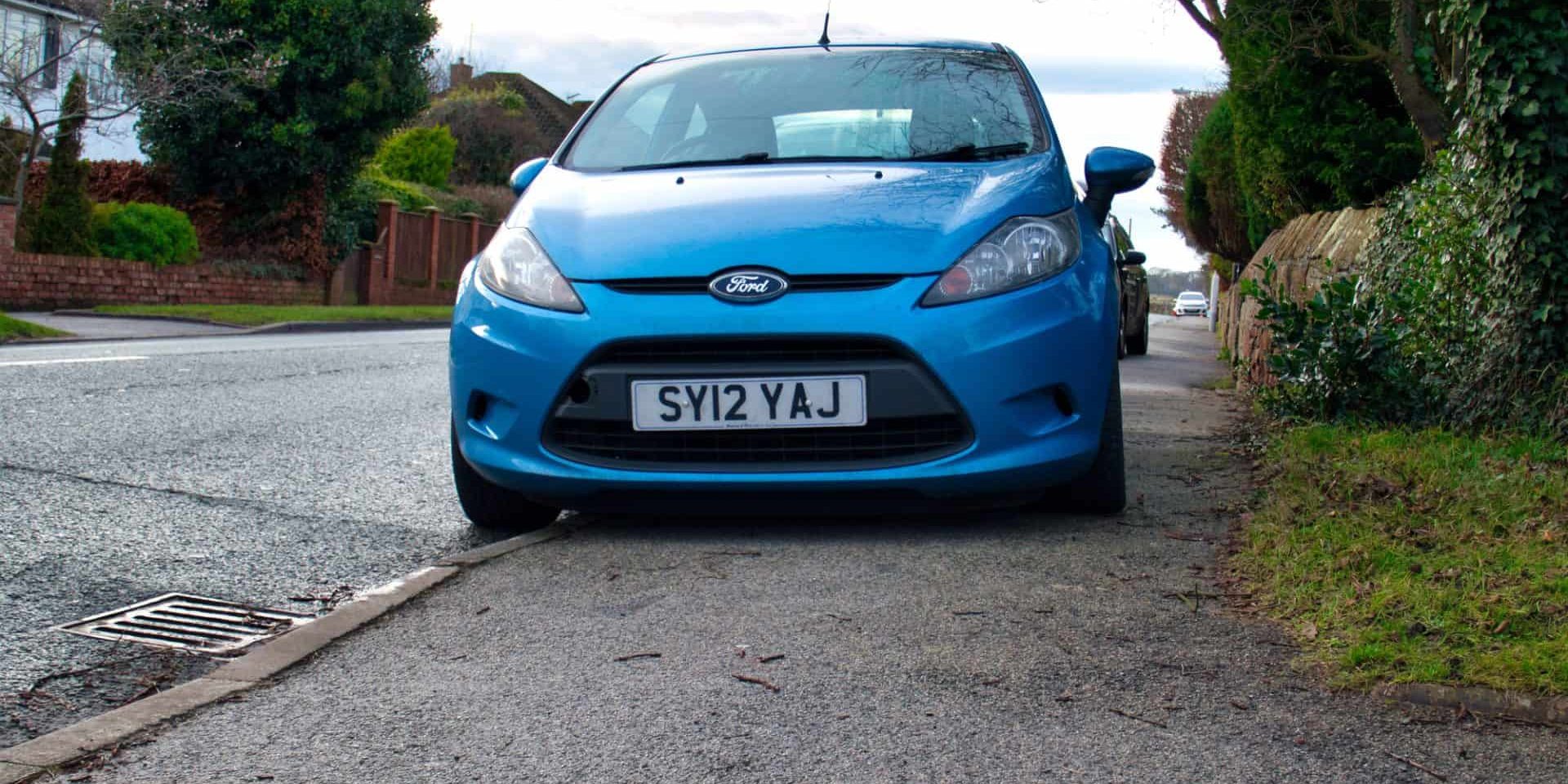
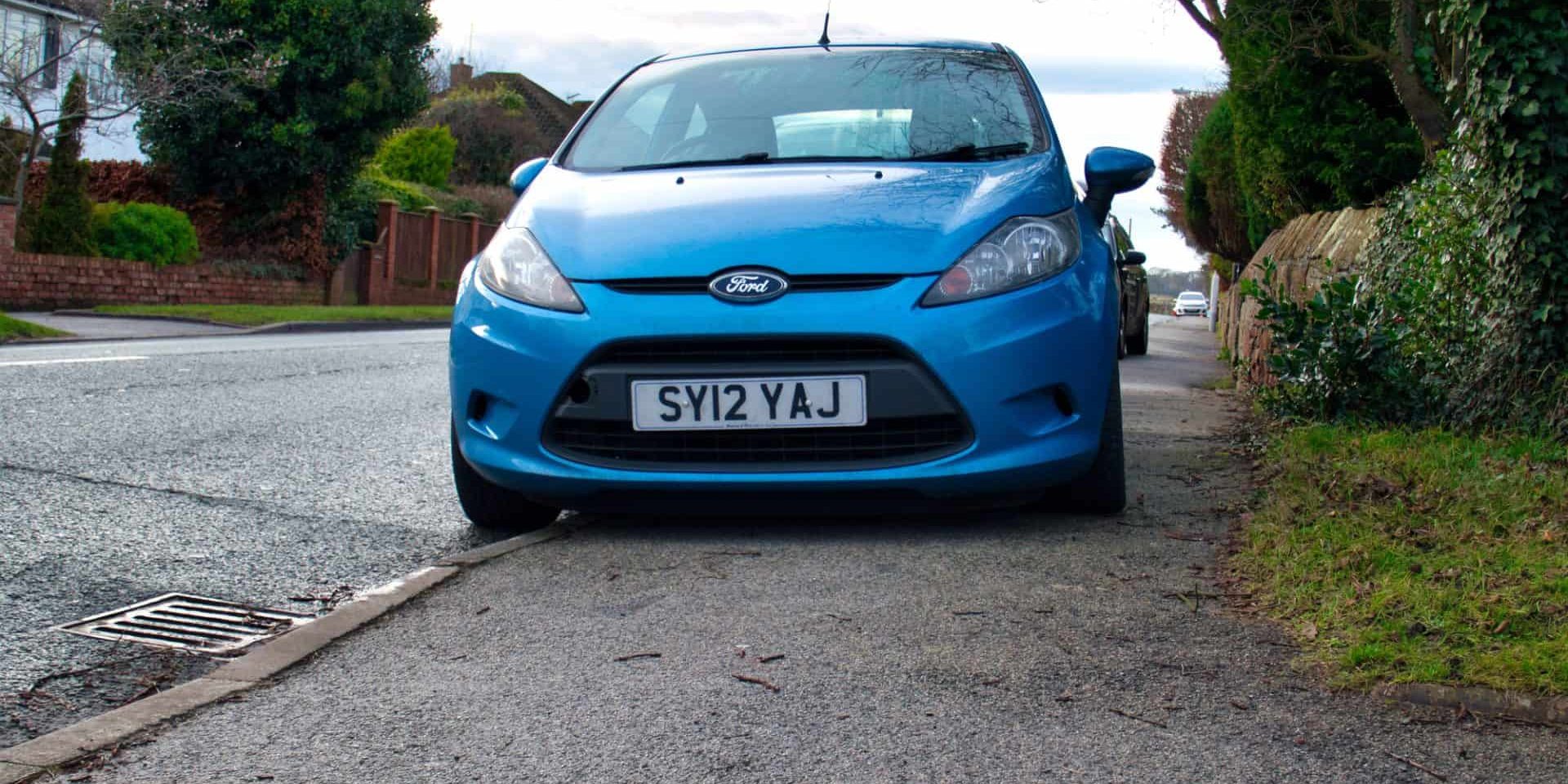
Drivers who regularly park on pavements in England have been put on notice. The English Devolution and Community Empowerment Bill received Royal Assent on 29 April 2026, and among its provisions is a set of new enforcement powers that will allow local councils to designate streets where pavement parking is prohibited and issue fines to drivers who ignore the rules. For millions of pedestrians, wheelchair users, and people with pushchairs who have long complained about having to step into the road because of vehicles blocking the pavement, this represents a significant shift in who holds the power to act.
The change brings England a step closer to Scotland and London, where pavement parking has already been banned outright. In the rest of England and Wales, only police officers currently have the power to fine drivers for obstruction or dangerous parking on a pavement. Council civil enforcement officers, who deal with the vast majority of everyday parking offences, have until now been limited to on-road infractions such as double yellow line violations. That is what the new legislation is beginning to change.
What the New Law Actually Does
The legislation does not immediately create a blanket ban on pavement parking across all of England. What it does is give local transport authorities the framework to designate individual streets where pavement parking is prohibited, then use civil enforcement powers to back that up. Councils will be able to prohibit what the legislation terms “unnecessary obstruction” on pavements within those designated areas.
Lilian Greenwood MP, Minister for Local Transport, said: “Pavement parking is an issue that resonates deeply with communities. The government is committed to building safer, more inclusive streets.” A Department for Transport spokesperson added: “Pavement parking can make it harder for people to get around safely. We’re giving local leaders the powers to tackle problem parking in their communities.”
The government has not yet published the precise secondary legislation governing how councils will implement these powers or what the specific fine amounts will be. Until that guidance arrives, the extent to which individual councils can begin enforcement remains uncertain. The powers exist in primary legislation, but local authorities will need to go through a process of formally designating affected streets before any fines can be issued.
Why Pavement Parking Has Been Such a Persistent Problem
The scale of public frustration is clear from the data. A government consultation on pavement parking received over 15,000 responses, with 81% of individuals and 96% of organisations identifying it as a significant problem in their area. An RAC survey of 1,709 UK drivers carried out in September 2025 found that 83% supported new rules to tackle the practice, suggesting this is one of the rare issues where drivers themselves broadly agree change is needed.
The impact falls hardest on those with the least ability to simply step into the road. The RNIB’s Erik Matthies described how vehicles parked on pavements “force blind and partially sighted people into the road” when they can no longer navigate the pavement safely. “This is stressful and highly dangerous,” he said, warning that a patchwork of local restrictions rather than a consistent national rule could create particular difficulties for visually impaired people who rely on familiar, predictable environments to move safely through their communities.
Wheelchair users and parents with pushchairs face similar difficulties. Even a vehicle that is only partly on the pavement can narrow the usable width to the point where a mobility scooter or a double buggy cannot pass, forcing people into the road regardless of traffic conditions at the time.
What Drivers Need to Know Now
For now, pavement parking in England remains enforceable only by police, not council officers, outside London and Scotland. That will begin to change once secondary legislation is published and individual councils start the formal process of designating streets. The government has not confirmed a timeline for that process.
The RAC’s Rod Dennis emphasised that most drivers already agree that no pavement user should be forced into the road, and that the new powers should focus on genuinely problematic parking rather than situations where partial pavement parking does not obstruct anyone. He supported proposals that allow councils to target problem parking while still permitting partial pavement use in narrow streets where it helps keep traffic flowing without causing difficulty to pedestrians.
The AA’s Jack Cousens offered a note of caution, recommending that councils carry out street-by-street assessments before applying restrictions. In some residential streets, particularly Victorian terraces with no off-road parking, a blanket pavement ban could displace vehicles onto already congested carriageways. The government has acknowledged this tension, stating that local authorities will need to weigh the needs of all road and pavement users when making designation decisions.
Drivers who currently park on pavements regularly, particularly in urban areas with active and well-resourced councils, should start thinking now about whether their habits will remain permissible once local designations are in place. There will not be a single national switch-on date. Enforcement will roll out council by council and street by street over the months and years ahead.

Leave a Comment
More in News

How to Clear a Musty Car AC Smell Before It Costs a £300 Repair

14 Percent of Keyless Car Owners Faced a Relay Theft Attempt, DVLA Data Shows

I travelled down the Champs-Élysées and around the Arc de Triomphe in a self-driving car

Every New Car Buyer Could Lose EV Discounts as Manufacturer Fines Drop by £3,000

What the Government’s Zero VAT Cut on Home Power Means for Every Electric Driver
Trending on Motoring Chronicle

The rigorous quality assessment behind every W16 Mistral

What the New 76 Plate Means for Drivers Buying a Car From September
What Connecticut’s New Highway Safety Law Means for Your Phone and Your Wallet

Lamborghini Revuelto Miura 60° Homage: special series pays tribute to the first super sports car
