
Electric Shock: Used EVs Are Now Britain’s Most Commonly Clocked Cars

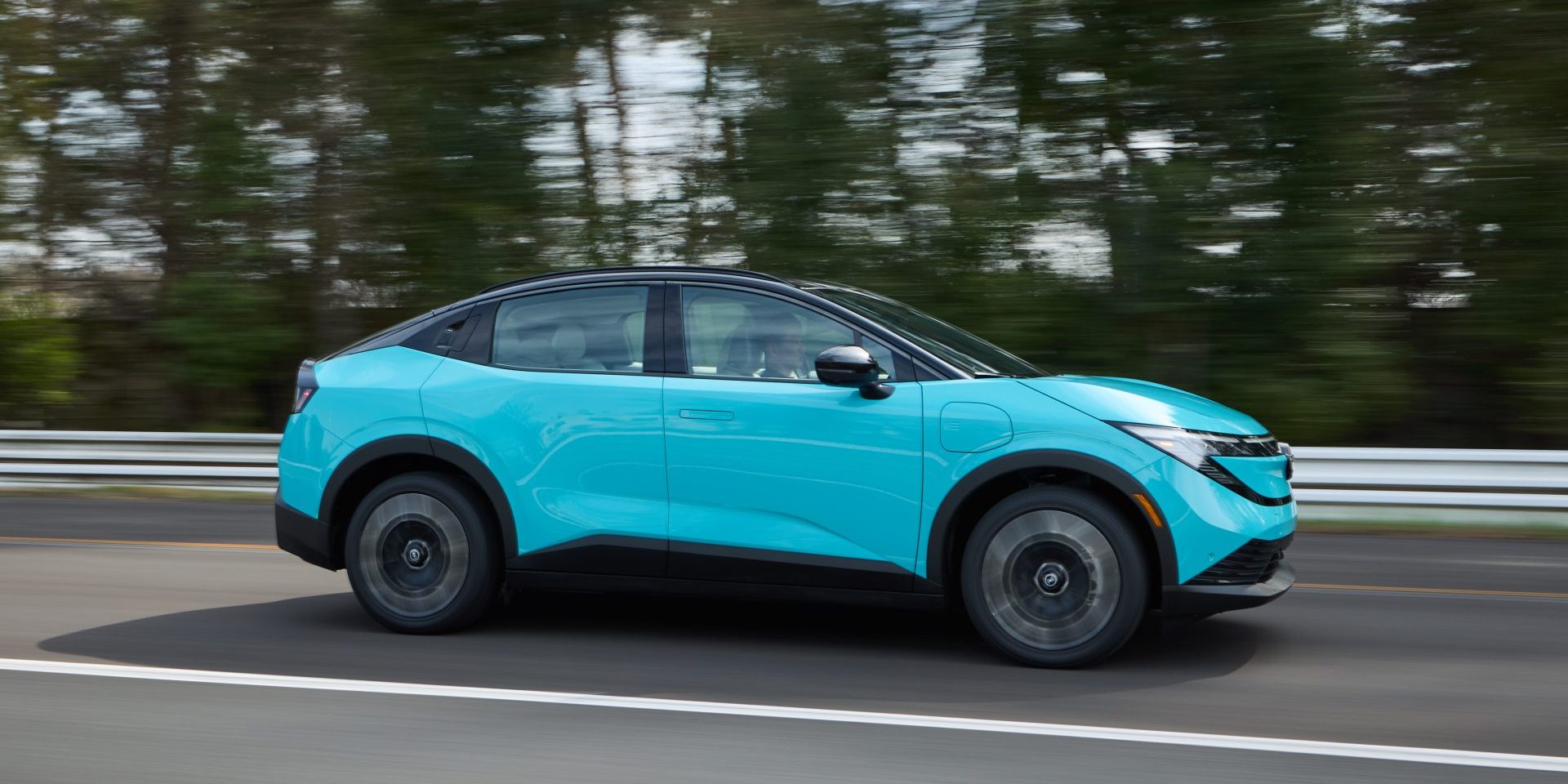
If you are in the market for a used electric vehicle, new data should give you pause before you hand over a deposit. Analysis from vehicle history platform carVertical has found that electric cars are now the most commonly clocked vehicles in the UK, with 3% of used EVs checked showing evidence of mileage tampering. That puts EVs ahead of diesel cars (2.8%), petrol cars (2.5%), and hybrids (2%), making them the highest-risk category in the used car market for mileage fraud.
The findings arrive at a moment when more UK drivers than ever are considering switching to used EVs as a way to reduce their fuel costs. With petrol averaging 157p per litre and diesel close to 189p amid ongoing disruption to global oil supply, the appeal of low-cost home charging is real. But buying a clocked electric car could turn that saving into a serious financial loss, leaving drivers with a vehicle that has suffered more wear than its odometer suggests and, in the worst cases, a battery that is far closer to the end of its life than the asking price implied.
Which EV Brands Carry the Highest Risk
The carVertical data, which covers vehicle history checks carried out on used EVs in the UK, reveals a significant spread of risk across different brands. Among electric cars checked, Kia topped the list with mileage discrepancies found in 13.6% of vehicles checked, equivalent to roughly one-in-eight. Nissan came second at 12.4%, followed by Renault at 4%, Audi at 2.7%, and Volkswagen at 1.8%.
The Kia and Nissan figures are striking given that the Kia EV6 and Kia Niro EV, along with the Nissan Leaf, are among the most popular used EV choices for budget-conscious buyers. These are not niche or obscure vehicles; they are mainstream choices that appear regularly in used car listings at accessible price points.
In the hybrid market, Kia again led the risk table with 11% of hybrids checked showing discrepancies, ahead of Volvo at 4.8%, Mercedes-Benz at 2.8%, Lexus at 2.3%, and Toyota at 1.8%.
How Big Is the Average Mileage Rollback
One notable detail from the carVertical research is that while EVs are the most likely vehicle type to have been clocked, diesel cars experience the largest average mileage rollbacks when fraud does occur. The average diesel odometer was wound back by around 35,000 miles, compared to around 28,000 miles for petrol cars, 25,000 miles for hybrids, and 15,000 miles for EVs.
That lower average rollback on EVs does not mean the fraud is less damaging. With an electric car, even a 15,000-mile discrepancy can have a disproportionate financial impact. Battery health, which directly affects range and long-term reliability, degrades with use. A car presented as having covered 30,000 miles that has in fact done 45,000 may not reveal that difference in a short test drive, but it will show up in battery diagnostics and, eventually, in real-world range that falls well short of what was advertised.
Why Electric Cars Have Become Prime Targets
There is a straightforward commercial logic to the rise of EV clocking. Fraudsters follow demand, and demand for used EVs has grown significantly as fuel costs have increased. A clocked car looks cheaper on paper because lower mileage typically justifies a higher asking price, and buyers focused on the monthly savings from not visiting a petrol station may pay less attention to due diligence than they otherwise would.
There is also a common and dangerous misconception that electric cars are harder to clock than older vehicles. Matas Buzelis, motoring expert at carVertical, told Wales 247: “Many people still assume newer cars and electric cars are too advanced to be tampered with, but that simply is not the case. Fraudsters follow demand, and as more drivers shop the used EV market, those cars become a more attractive target.”
He added: “Mileage is not always as fixed as drivers might expect in an EV. While these cars rely on digital systems, the data can still be altered using specialist odometer tools to access onboard electronics or replace key components, meaning the reading on the dashboard does not always tell the full story.”
The problem may intensify further. The government is planning to introduce a pence-per-mile charge on EVs and hybrids from 2027 as part of road pricing reform. If implemented, that would create a new financial incentive for fraudsters to reduce the indicated mileage on high-mileage EVs before sale, potentially making the clocking problem considerably worse still.
What to Do Before Buying a Used EV
Buzelis said: “Buying a used EV should not be a gamble. The safest approach is to compare several cars side by side and leave no car unchecked during the shortlisting process. Looking at more than one vehicle history report makes it far easier to spot what stacks up on mileage, condition and value, and what does not.”
Before committing to a purchase, request a full vehicle history check from a recognised provider such as HPI or carVertical, or use the DVLA’s free MOT history checker at gov.uk/check-mot-history. Cross-reference the odometer reading against service history, MOT records, and any available battery management system logs. Many modern EVs record mileage across multiple onboard systems, and inconsistencies between those records can indicate tampering.
A pre-purchase battery health check from a qualified technician is also worth the cost. Several specialist EV workshops offer these, and the results will tell you far more about the true condition of the vehicle than the dashboard readout alone. For popular models such as the Nissan Leaf and Kia EV6, owner community forums share real-world battery degradation data by mileage bracket, giving you a useful benchmark before you buy.
Sources:

Leave a Comment
More in News

How DVSA Found 70 Percent of Vans Unsafe to Drive at Roadside Checks

Every New Car Buyer Faces a £1,469 Gap Between Dealer Offers and Real Prices

RAC Data Shows Diesel Drivers Nearing a Record Price as Tanks Cost £107

What a Slipping Clutch Actually Means (and What It Will Cost to Fix)

Aberdeen’s Low Emission Zone Fined Drivers Almost £4 Million in a Single Year
Trending on Motoring Chronicle

FBI Investigates Dark Web Sale of 153 Million US Driver’s Licenses

Automotive Couture: The Art of Color, Material and Finish for the Bugatti Tourbillon

Never Leave These 10 Things Inside Your Car

Half of Gen Z drivers give their car nicknames, with Baby being the most common
