How Long Brake Pads Actually Last and What Garages Charge When You Leave It Too Late
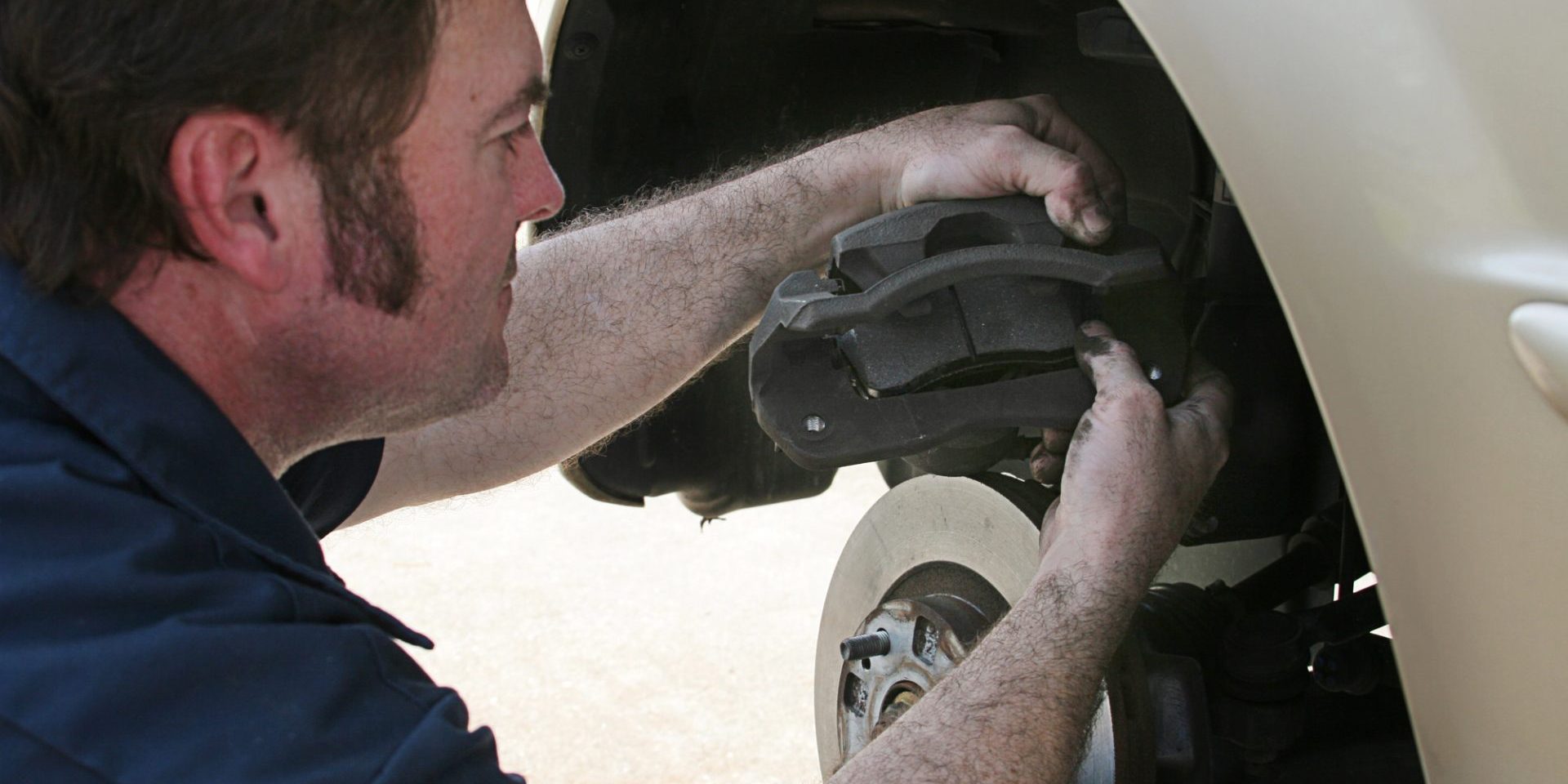

Most brake pads last between 25,000 and 70,000 miles, though some premium brands reach 100,000 miles. The average lifespan is typically 3 to 5 years, depending on driving habits, vehicle weight, and brake system type. Regular inspection every 12 months helps catch wear before it becomes dangerous. Front pads wear two to three times faster than rear pads on most cars.
What Is the Average Lifespan of Brake Pads?
Brake pad longevity varies significantly depending on the materials used and your driving patterns. Standard organic brake pads commonly last 25,000 to 50,000 miles. Semi-metallic pads tend to reach 50,000 to 70,000 miles. Ceramic pads, which are more expensive upfront, often deliver 70,000 to 100,000 miles of usable life.
In terms of time rather than distance, most brake pads wear out within 3 to 5 years. This matters for people who drive fewer miles annually. Someone driving 5,000 miles per year might keep the same brake pads for 10 years, while a driver covering 20,000 miles annually could need replacements every 2 to 3 years.
The thickness matters too. New brake pads start at approximately 12 millimetres thick. Most mechanics recommend replacing them when they reach 3 to 4 millimetres. Once they drop below 2 millimetres, you’re driving with brake material that’s unsafe and risks damaging the rotor.
Luxury vehicles and performance cars sometimes use premium pads that last longer. Hybrid cars are famous for having brake pads that last significantly longer than petrol vehicles as regenerative braking does much of the work. The friction brakes engage less frequently, meaning less wear.

What Factors Affect How Quickly Brake Pads Wear?
Several things determine whether you’ll get 25,000 miles or 100,000 miles from a set of brake pads. Driving style makes an enormous difference. Aggressive drivers who brake hard and suddenly wear pads much faster than smooth, gradual brakers. Stop-and-go city driving accelerates wear compared to motorway cruising where braking happens infrequently.
Traffic conditions directly impact pad lifespan. Heavy urban congestion means constant braking. Motorway driving with long stretches between braking events stretches pad life considerably. Towing a caravan or trailer adds significant weight, increasing the force needed to slow down and wearing pads faster.
Vehicle weight plays a role that many owners overlook. Heavier cars need more braking force to stop, which generates more friction and heat. A fully laden family car will wear pads faster than the same model driven with minimal cargo. Overloading your vehicle puts extra strain on brake components.
Climate and terrain matter as well. Mountains and hills demand constant braking to control speed, especially on descent. Riding the brakes downhill instead of using engine braking causes rapid pad deterioration. Cold climates can extend pad life as brake fluid performs better in cooler conditions, though the constant moisture exposure from salt spreads corrosion.
The quality of your braking system affects how long pads survive. Older brake systems with worn rotors or callipers increase friction and heat, shortening pad life. Misaligned wheels cause uneven braking force distribution, wearing one side of the pads faster than the other. That’s why wheel alignment is crucial for your brakes.
Brake fluid condition influences pad wear indirectly. Contaminated or degraded brake fluid reduces braking efficiency, making your brakes work harder. This increased effort generates more heat and friction, speeding up pad wear. Brake fluid needs replacing roughly every two years to maintain optimal system performance.
Driving habits around sudden stops matter enormously. Drivers who anticipate stops and brake gently preserve pads far longer than those who brake reactively. Smooth deceleration spreads the braking effort across more time, reducing the heat and force applied to pads in any single stop.
Front vs Rear Brake Pads: Which Wears Faster?
Front brake pads invariably wear faster than rear pads. Most cars use a front-biased braking system where roughly 70 to 80 percent of braking force comes from the front wheels. This is by design. When you brake, the vehicle’s weight transfers forward, putting more pressure on front tyres and requiring more braking force from the front axle.
You’ll typically replace front pads two to three times before changing rear pads once. If your front pads are good for 50,000 miles, rear pads might manage 120,000 to 150,000 miles. Rear pads often outlast two complete front pad replacements.
Some vehicles with older or worn brake systems show more severe front-to-rear differences. Performance cars and sports vehicles can wear front pads even faster from aggressive braking demands. Conversely, vehicles with automatic emergency braking systems can distribute braking more evenly, reducing the gap between front and rear pad wear.
The rear brake system on many modern vehicles uses a load-sensing proportioning valve. This valve adjusts how much braking force goes to the rear based on vehicle load and deceleration rate. The system essentially fine-tunes braking distribution to keep rear pads from wearing out prematurely, which helps protect them from excessive wear.
You shouldn’t assume your rear pads are fine just as fronts need replacing. Have both checked during every service. Some drivers discover their rear pads are in decent condition after 80,000 miles while fronts are done. Others find rear pads need attention sooner as of heavy towing or frequent loaded driving.
Signs Your Brake Pads Are Getting Low
Most modern cars alert you when brake pads need attention. A warning light on your dashboard indicates pad wear sensors have triggered. Don’t ignore this light. It exists specifically to catch worn pads before they damage rotors.
Listen for squealing sounds when braking. Brake pads include a small metal tab that touches the rotor when friction material gets thin. This deliberately creates an annoying squeal to warn you it’s time for replacement. Some brake pads squeal even when there’s plenty of material left, while others fail silently until serious wear occurs. Brake squealing can happen on cold mornings even with good pads, so use other indicators too.
Grinding sounds mean you’ve waited too long. This noise indicates the metal backing plate is contacting the rotor directly as friction material is completely gone. Grinding means rotor damage is already happening. Stop driving and get brakes serviced immediately.
Soft or spongy brake pedal feel sometimes indicates pad wear. If your pedal sinks further than normal before engaging braking force, pads might be thin. This can also indicate air in the brake lines or failing brake fluid, so get it checked properly.
Longer stopping distances suggest possible pad wear. If your car takes noticeably longer to stop from the same speed, have brakes inspected. This could be worn pads, contaminated fluid, or other system problems.
Visual inspection tells you plenty if you can see your brake pads. Most brake discs have a window in the wheel that lets you peek at pad thickness. Compare pad thickness on different wheels. If some are much thinner than others, uneven wear is happening. Understand common brake warning signs so you catch problems early.
Vibration through the brake pedal while stopping indicates warped rotors from excessive heat caused by worn pads. The metal is no longer flat, so pads contact unevenly. This develops when people ignore pad wear and continue driving with nearly bald brakes.
What Happens If You Ignore Worn Brake Pads?
Ignoring worn brake pads leads to a cascade of expensive problems. Initially, you lose braking efficiency. Your stopping distance increases, which means you need more space to slow down from motorway speeds. In emergency situations, this extra distance could mean the difference between avoiding a crash and hitting something.
When friction material is completely gone and metal backing plates grind directly on rotors, heat builds up rapidly. Brake fluid can boil in extreme cases, causing complete brake failure. This is genuinely dangerous. You could lose all braking power on a downhill section or in an emergency.
Rotor damage happens fast once grinding starts. A new rotor costs far more than catching pad wear early. Replacing severely damaged rotors might cost 200 to 400 pounds per axle. Replacing pads costs 100 to 200 pounds typically. The financial difference is substantial.
Brake fluid contamination accelerates. Worn pads shed tiny metal particles that circulate through the fluid. This debris damages seals in the brake system, creating leaks. Callipers can seize from metallic contamination, requiring expensive replacement.
Your vehicle becomes illegal to drive. MOT tests include brake pad checks. Excessively worn pads result in automatic failure. You then cannot legally drive the car until repairs are completed.
Safety risks extend beyond stopping power. Brake fade happens when pads overheat. The friction coefficient drops, meaning brakes don’t grip as effectively. Downhill sections become terrifying. Mountain driving becomes genuinely hazardous. Performance in emergency braking diminishes significantly.
Uneven pad wear creates pull during braking. The car tugs to one side as one wheel has more braking force than others. This makes steering unpredictable during hard stops and increases accident risk.
How to Make Your Brake Pads Last Longer
Smooth, gradual braking extends pad lifespan dramatically. Instead of waiting until the last moment to brake, begin slowing down earlier. Anticipate traffic stops ahead. Release the accelerator earlier and let momentum carry you forward while you gently apply brakes. This distributes braking force over a longer distance, reducing wear.
Avoid heavy loads when unnecessary. Towing trailers, roof racks full of cargo, and overstuffed boots all increase braking demands. The heavier your vehicle, the harder brakes work to slow it. Keep loads reasonable for regular driving.
Use engine braking on descents. Shift into a lower gear going downhill and let the engine’s compression slow the vehicle. This reduces reliance on friction brakes and keeps them cooler. Engine braking is free and prolongs pad life considerably.
Maintain proper tyre pressure and condition. Underinflated tyres increase rolling resistance, making brakes work harder to slow the car. Check tyre tread properly and maintain correct pressures. Well-maintained tyres grip better, requiring less hard braking in panic situations.
Service your brakes on schedule. Regular brake inspections catch problems early. Stuck callipers, contaminated fluid, and damaged rotors all force pads to work harder. Preventive maintenance keeps everything working efficiently.
Keep your brake system clean. Brake dust accumulates on pads and rotors. Regular wheel cleaning prevents corrosion and keeps pads functioning optimally. Rust reduces friction, making pads work harder to achieve the same stopping power.
Avoid riding the brakes. Don’t hold your foot on the brake pedal while rolling. This applies constant pressure and generates unnecessary heat. Use cruise control on motorways and release brakes completely between stops.
Check wheel alignment regularly. Misaligned wheels cause uneven tyre wear and uneven braking force distribution. Wheel alignment importance cannot be overstated for brake longevity. Proper alignment distributes braking evenly across all four pads.
Replace brake fluid on schedule. Most manufacturers recommend every two years. Fresh fluid maintains optimal braking performance, reducing the work required from friction brakes. Old fluid absorbs moisture and loses effectiveness.
Consider premium brake pad materials. Ceramic pads cost more but last considerably longer than organic pads. For high-mileage drivers, the upfront cost of ceramic pads is offset by fewer replacements needed over the vehicle’s lifetime.
When Should You Replace Brake Pads , and What Does It Cost?
Replace brake pads as soon as they reach 3 to 4 millimetres of friction material remaining. Don’t wait for them to wear completely. Worn pads reduce stopping power and risk damaging rotors.
Your MOT will fail if pads fall below minimum thickness. Check your MOT certificate to see what thickness is considered the limit. Most testers use 1.5 millimetres as the fail point, but you should replace them well before this.
If you drive heavily in urban traffic, check pads annually. If you mostly motorway drive, inspection every 18 to 24 months is reasonable. Use wear indicators as a guide rather than a hard deadline. When warning lights illuminate or squealing starts, book an appointment within a week or two.
Front pad replacement typically costs 80 to 200 pounds depending on vehicle type and pad quality. Rear pads cost slightly less, usually 70 to 150 pounds. Some vehicles charge more for premium pads. Performance vehicles and luxury brands run higher, sometimes 250 to 400 pounds for complete front replacement.
Labour time is usually 1 to 2 hours per axle. Mechanics often charge 40 to 60 pounds per hour, though some dealers charge more. A complete four-wheel pad replacement might cost 200 to 500 pounds including labour and parts.
Rotor replacement adds significant cost. New rotors cost 100 to 250 pounds per axle before labour. If worn pads have damaged rotors, you’ll need new rotors as well. This can double your repair bill. That’s why catching pad wear early saves money long-term.
Some garages offer pad replacement specials. Shopping around saves money. Independent garages often undercut main dealers by 30 to 40 percent. Use the same quality standards though. Budget brands sometimes mean quicker wear.
Labour costs vary by location and garage type. London garages typically charge more than smaller towns. Mobile mechanics sometimes offer better rates than fixed establishments. Get a few quotes before deciding.
If you enjoyed this article, be sure to follow us on Microsoft Start.
Brake Pad FAQs
Can I drive with low brake pads?
You can drive with low brake pads, but you shouldn’t. Worn pads reduce stopping power, increase stopping distance, and risk damaging rotors. If your pad warning light is on, book servicing soon. Continuing to drive while ignoring worn pads endangers yourself and others on the road. Modern cars alert you specifically so you’ll take action before safety becomes critical.
Do all four brake pads wear at the same rate?
No. Front pads wear two to three times faster than rear pads. Some vehicles show uneven wear across left and right sides if wheels are misaligned. Alignment issues affect brake wear significantly. Have all four pads inspected rather than assuming rear pads are fine when fronts need replacing.
Are ceramic brake pads worth the extra cost?
Ceramic pads cost more upfront but last 20,000 to 50,000 miles longer than organic pads. For drivers covering 15,000 miles annually, ceramic pads easily justify their cost through fewer replacements. They also run cooler and produce less dust than metallic pads. For most drivers, ceramic is the better choice even with higher initial expense.
What temperature do brakes reach when stopping?
Normal braking generates temperatures between 100 and 300 degrees Celsius. Hard braking or repeated stops can push temperatures toward 400 to 600 degrees Celsius. Extreme conditions like long mountain descents can exceed 700 degrees. High heat accelerates pad wear and can damage components. That’s why engine braking on descents is important. Check brake fluid condition monthly as heat degrades it faster.
How long do brake pads last in hybrid cars?
Hybrid vehicles typically achieve 70,000 to 100,000 miles from a single set of brake pads. Regenerative braking recovers energy during deceleration and does most of the work, meaning mechanical brakes engage less frequently. Some hybrid owners report needing brake pad replacement only once in 150,000 miles, though this varies by driving style and vehicle weight. The reduced braking demands of hybrid systems significantly extend pad lifespan compared to conventional petrol vehicles.

Leave a Comment
More in News

How to Free a Frozen Handbrake (and What a New Cable Costs)

What Winter Tyres Actually Do for UK Drivers (and Whether You Need Them)
Renewing Car Insurance on the Day Cover Ends Costs Drivers £331 More, MoneySupermarket Shows

Every Driver Faces £500 Seatbelt Fines as AI Cameras Flag 19,145 Possible Offences

How to Remove Moisture From Inside Your Headlight Before It Costs You £500
Trending on Motoring Chronicle
How Oxford’s New Traffic Filters Work and the £70 Fine Drivers Must Avoid
How Stamford’s New School Zone Speed Cameras Will Fine Drivers Starting This Month
How One in Three Used Cars Sold in Britain Still Has Hidden Finance Owing

Why brakes squeal on cold mornings