
Hyundai Motor and Kia Unveil ‘Vision Pulse,’ Driver Safety Technology that Detects Beyond Obstacles


Hyundai Motor Company and Kia Corporation today announced the development of ‘Vision Pulse,’ a groundbreaking driver safety technology. Utilizing ultra-wide band (UWB) signals, this pioneering technology accurately pinpoints the position of obstacles around a vehicle in real time, significantly improving driving safety.
What is Vision Pulse Technology?
Vision Pulse employs UWB modules installed in vehicles to emit signals. If nearby vehicles, bicycles or pedestrians also have UWB modules — such as certain smartphones, wearables and trackers — the system measures the time it takes for signals to travel between the modules, calculating their exact positions. When a potential collision is detected, the system issues alerts, reducing the likelihood of an accident and greatly enhancing safety.
The technology can be integrated into vehicles through additional UWB modules. However, vehicles equipped with Hyundai Motor and Kia’s ‘Digital Key 2’ already include these modules, requiring no additional hardware for use.
Redefining Urban Safety with Accurate and Economical UWB
Current blind spot detection technologies rely on fixed devices or relatively slow communication networks, hindering their accuracy and processing speed. Vision Pulse eliminates these limitations by leveraging UWB modules for precise and rapid communication via UWB radio waves, ensuring high accuracy, while also offering cost efficiency by utilizing UWB modules that are already integrated into many vehicles. Furthermore, it reduces reliance on expensive sensors such as LiDAR and radar.
UWB operates on GHz bandwidth, ensuring minimal interference from other signals and exceptional diffraction and penetration capabilities. Vision Pulse can detect objects even in complex urban intersections with an impressive 10-centimeter margin of error, across a 100-meter radius. The technology maintains over 99 percent detection accuracy under adverse weather or nighttime conditions and offers rapid communication speeds of 1–5 milliseconds, ensuring effective real-time safety management.
Hyundai Motor and Kia also enhanced the practicality of the technology by developing and applying algorithms capable of accurately predicting the positions of multiple objects, even when they are moving at high speeds around the vehicle.
Broad Application Potential
Hyundai Motor and Kia also expect Vision Pulse to extend its utility beyond driving assistance. For example:
- Industrial Mobility: Prevents collisions in work environments such as warehouses by adapting on mobility in industrial conditions, thereby reducing industrial accidents.
- Disaster Response: Locates individuals buried under debris during emergencies.
Campaign Video – Sight Beyond Seeing: The Technology That Sees the Unseen
Hyundai Motor and Kia showcased Vision Pulse in a newly-released campaign video titled ‘Sight Beyond Seeing: The Technology That Sees the Unseen.’ The video highlights the deployment of Vision Pulse on school buses, ensuring the safety of kindergarten children. To ensure ease-of-use for young children, Hyundai Motor and Kia developed protective keyrings featuring a guardian angel design, which can be easily attached to backpacks. The keyrings also double as sleep-friendly nightlights, encouraging regular charging as part of a child’s nightly routine.
Next Steps and Pilot Programs
Hyundai Motor and Kia are testing Vision Pulse technology in live industrial settings, including:
- The Kia PBV Conversion Center: Trials have been ongoing at Kia’s Conversion Center production line in Hwaseong, South Korea, since 2025 to help prevent collisions between forklifts and workers.
- Busan Port Authority: Following an agreement in October 2025, trials are set to validate collision-prevention capabilities between industrial mobility and workers at Busan’s terminal and hinterland.
※ Note: Vision Pulse is an advanced pre-development technology. Its potential application to mass-production vehicles remains under consideration.
If you enjoyed this article, be sure to follow us on Microsoft Start.

Leave a Comment
More in News

Are There Warning Signs Before a Cam Belt Breaks? Usually One, and It Is Not the Belt

Fife and Dundee Cars Fail 38.6% of First Attempt MOTs, Nearly Double Sutton’s 20.3%

How to Tell If Rust Will Fail Your MOT (and What a Repair Costs)

Why Your Car Clicks But Won’t Start (and What to Do)
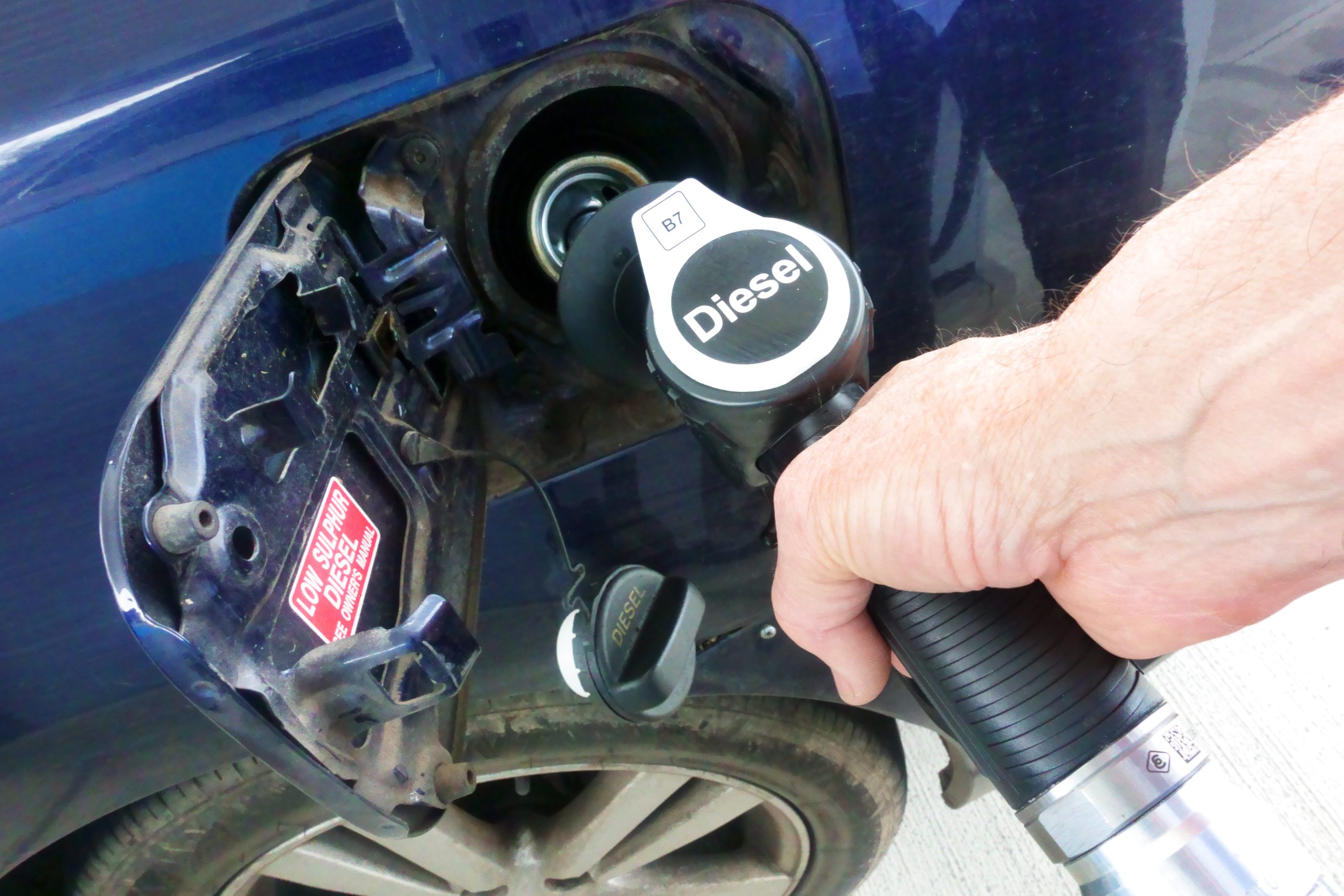
Diesel Drivers Pay £31 More Per Tank Than a Year Ago, DESNZ Data Shows
Trending on Motoring Chronicle

Porsche celebrates fifty years since the original audacious adventure [Photo Gallery]

London Congestion Charge Rises to £18 and Electric Cars Now Pay for the First Time

Why Drivers Without a Driveway Pay Four Times the VAT to Charge an Electric Car
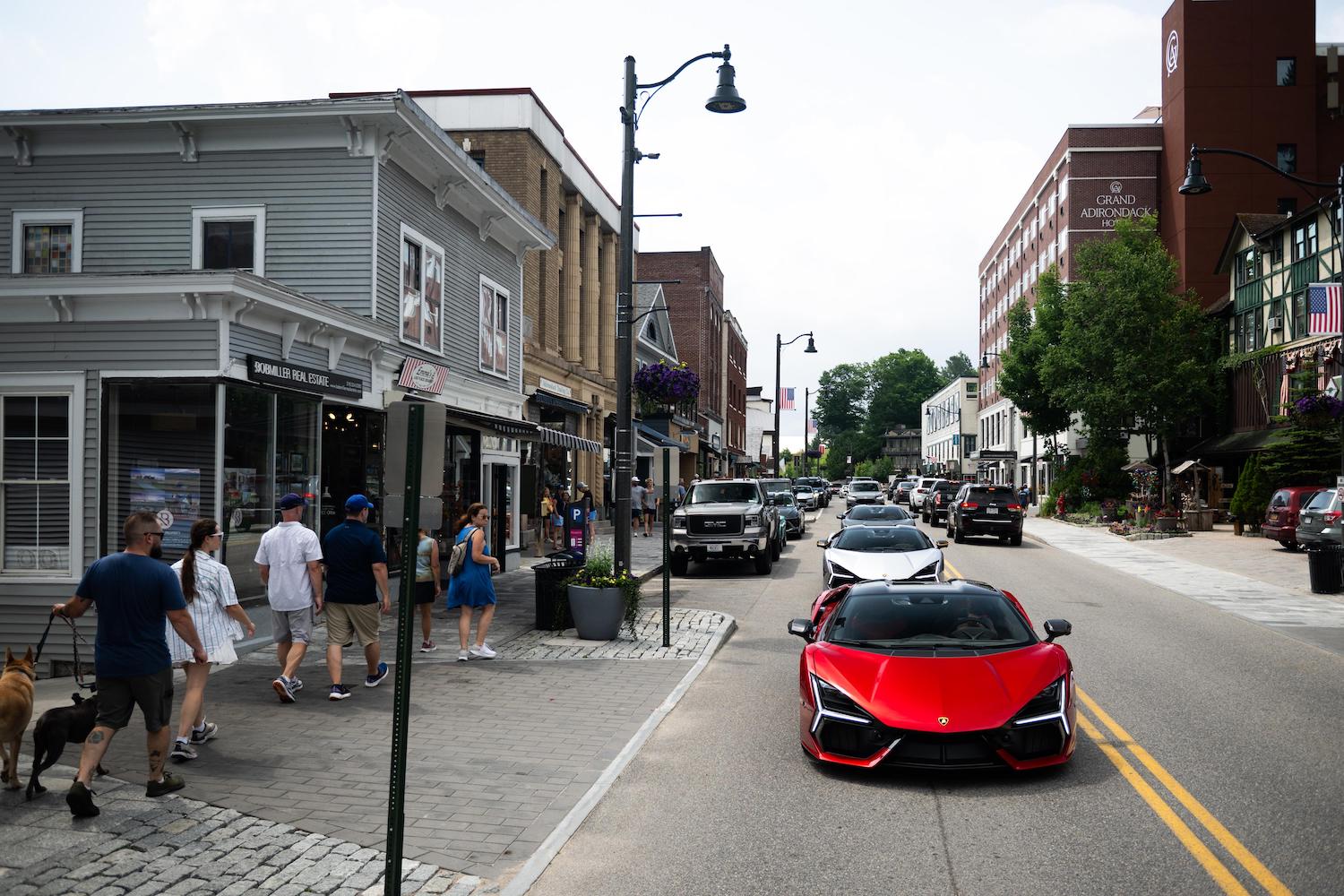
Lamborghini Esperienza Giro USA takes on New England [Photo Gallery]
