
Why a Record 33 Million Americans Are Traveling This Labor Day as Gas Prices Climb
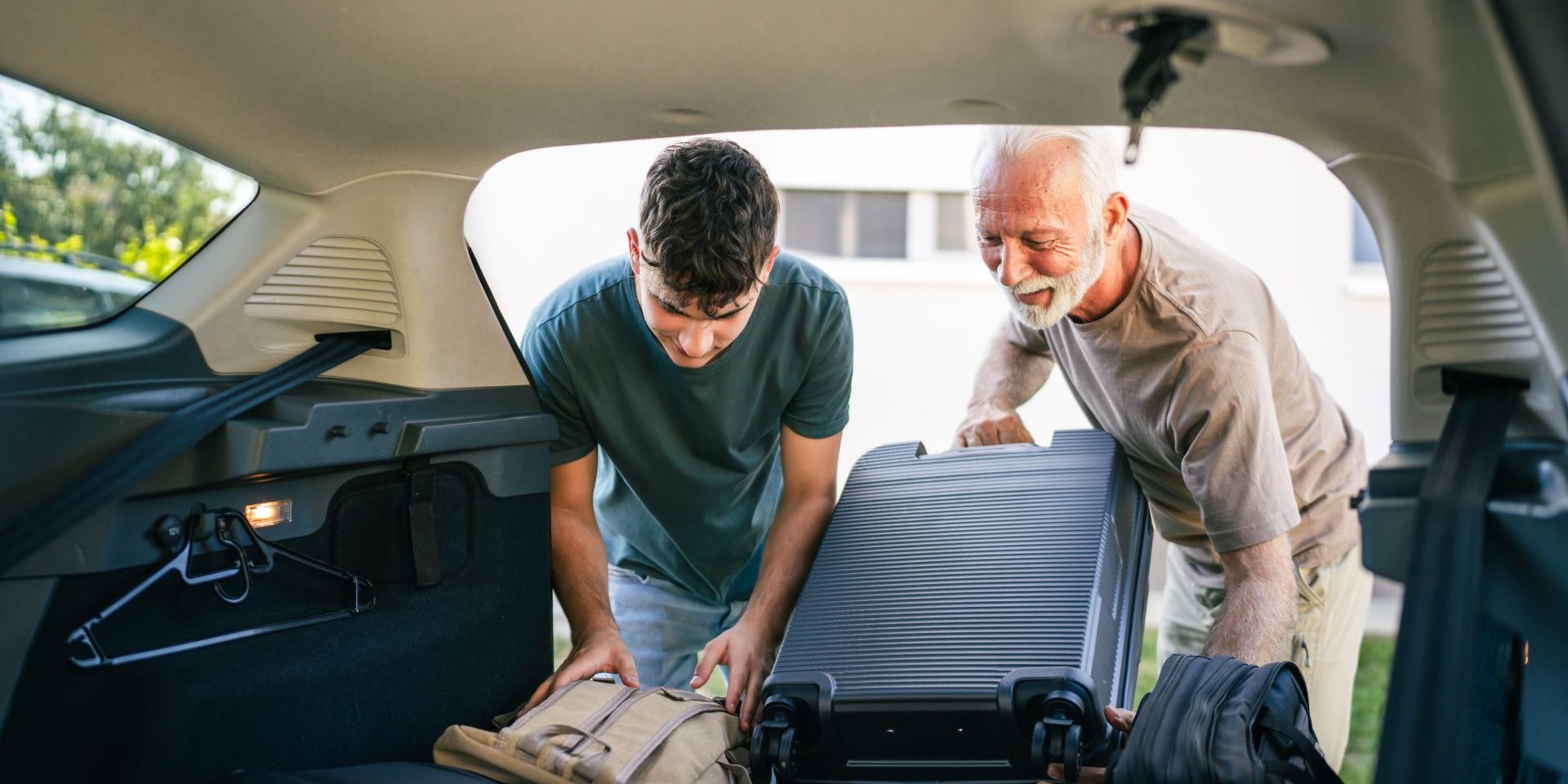
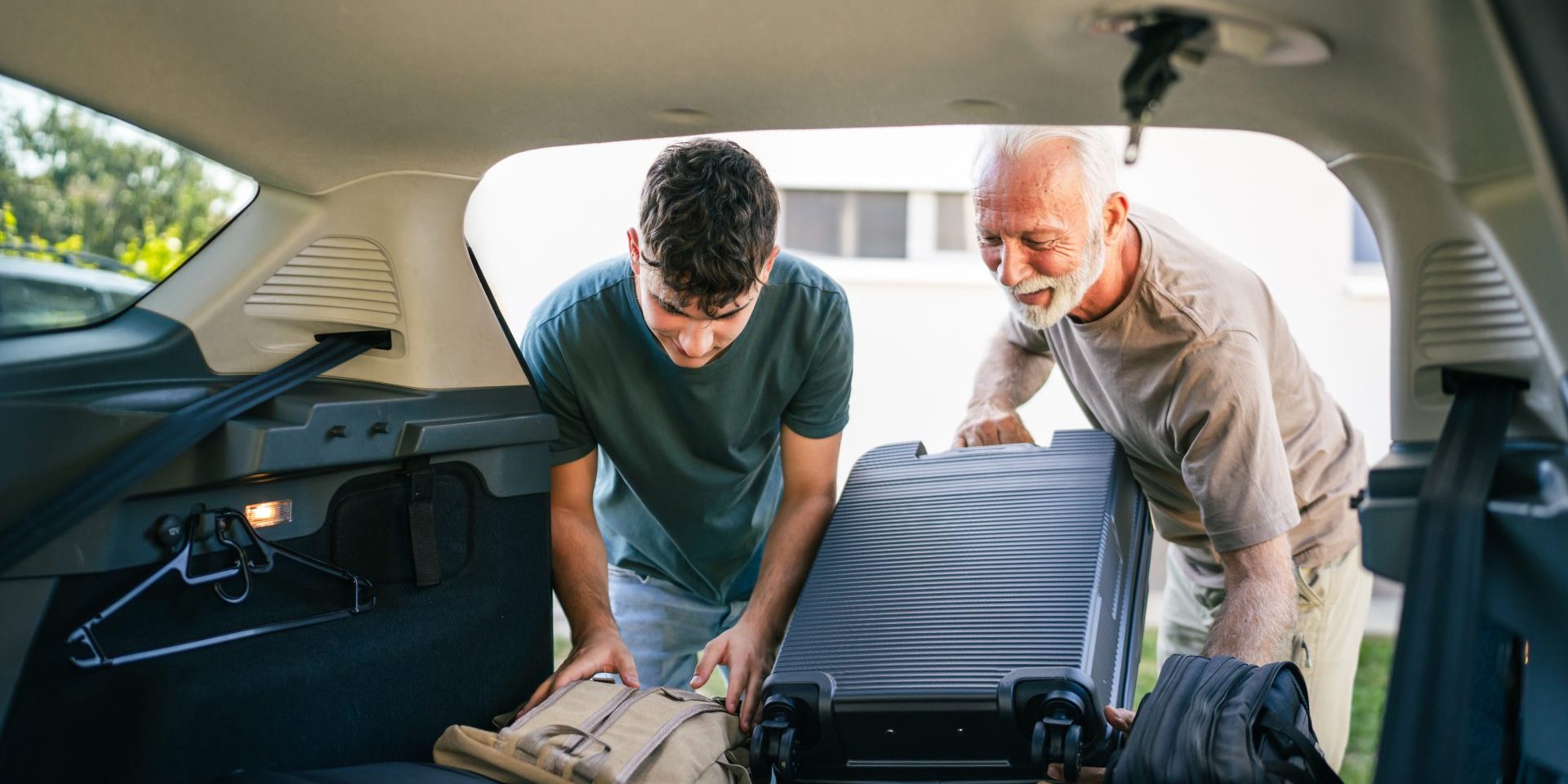
AAA expects 33 million Americans to hit the road or the skies for Labor Day weekend this year, the largest number of holiday travelers in almost two decades, a mark last reached in 2008, even as gas prices sit near $4.14 a gallon nationally and hotel and airfare costs climb across the board.
The holiday runs August 30 through September 3, and AAA’s booking data shows travel demand has not slowed even as the price tag climbs. About 28.2 million people plan to drive to their destination, a 3.1% increase over last year’s Labor Day travel volume.
What Gas Will Actually Cost This Weekend
Labor Day gas prices for 2026 were not finalized as this article published, but the trend line points higher. The national average sat at $3.19 a gallon over Labor Day weekend 2025. This week’s national average has already climbed to roughly $4.14, driven by higher crude oil prices, strong refinery demand and lower oil inventories heading into the holiday. The all-time record for the highest Labor Day gas price is $3.83 a gallon, set in 2012, a mark this year’s prices have already cleared well ahead of the holiday itself.
For a driver filling a 15-gallon tank twice over a long weekend road trip, the difference between last year’s Labor Day price and this week’s national average adds up to roughly $28 in extra fuel spending alone, before accounting for regional price gaps that can push costs even higher on the West Coast.
Where Everyone Is Headed
AAA’s top 10 domestic destinations for Labor Day 2026, ranked by booking volume, are Seattle, Orlando, Boston, Denver, New York, Chicago, the Anaheim and Los Angeles area, Las Vegas, Anchorage and Atlanta. Denver and Las Vegas both show up as gateway cities for national park travel, with AAA reporting strong interest in Rocky Mountain National Park, Arches National Park, Zion National Park and the Grand Canyon among travelers flying into those hubs and continuing by car.
International travel is climbing too, led by Rome, Vancouver, London, Dublin and Paris.
Every Category of Travel Cost Is Up, Except One
Airfare for a domestic roundtrip ticket now averages about $750, up 2% from last year. Flights to the most popular destinations run closer to $790, nearly 20% higher than the same routes cost last Labor Day. Hotel rooms are following the same pattern, with domestic bookings running about 9% above last year and international stays up roughly 12%.
Cruises stand out as the one travel category getting cheaper. A cruise departing a U.S. port now averages about $2,700 per booking, close to 4% less than last year, and strong demand for Alaska cruises is helping drive bookings to Seattle, Anchorage and Vancouver. AAA advisors point to cruises as one of the few travel formats where transportation, dining, entertainment and lodging bundle into a single fixed price, which shields travelers from some of the piecemeal cost increases hitting flights and hotels individually.
When the Roads Get Worst
Transportation analytics company INRIX has mapped out the exact windows when holiday travelers and regular weekday commuters will collide on the road. The heaviest congestion is expected in these windows:
- Thursday, September 3: 2 p.m. to 7 p.m.
- Friday, September 4: noon to 8 p.m.
- Saturday, September 5: 1 p.m. to 5 p.m.
- Monday, September 7: 2 p.m. to 5 p.m.
AAA recommends leaving early in the morning, building extra time into any road trip schedule and avoiding afternoon departures on the days listed above whenever a route allows for flexibility.
Gas Prices Vary Sharply by State
The national average hides a wide gap between states. Earlier this month, California led the country at close to $5.66 a gallon, followed by Hawaii near $5.45 and Washington near $5.13. Texas sat at the opposite end at roughly $3.60, with Indiana and Mississippi close behind in the low $3.60s and $3.65 range. A family driving from Texas into California for a Labor Day trip could see the price at the pump jump by close to two dollars a gallon before they even cross into the state, a gap worth planning around for anyone road-tripping across state lines this weekend.
Drivers can narrow the cost gap with a few habits: filling up before crossing into a higher-priced state when a route allows it, using a gas price comparison app to find the cheapest station along a planned route rather than the first station off the highway, and avoiding travel plaza pumps directly off interstate exits, which typically charge a premium over stations a few minutes off the highway.
Comparing a Road Trip Against Flying or a Train
For a family of four, a mid-size car with average fuel economy driving 600 miles round trip at this week’s national average gas price costs roughly $110 to $130 in fuel alone, well under the cost of four domestic plane tickets at the $750 average AAA is reporting this year. That math is a big part of why AAA still expects 28.2 million people to drive rather than fly this Labor Day, even with gas prices elevated. Amtrak and regional rail remain a smaller but growing option for travelers heading to major metro destinations on AAA’s top 10 list, including Boston, Chicago and New York, where driving into a downtown core often costs more in parking than the train fare itself.
A Higher-Risk Weekend on the Road
Labor Day consistently ranks among the busiest and most dangerous travel weekends of the year, a combination of heavy holiday traffic mixing with regular weekend drivers and, in past years, an increase in impaired driving over the unofficial end-of-summer celebration. The National Safety Council has flagged the holiday period as a priority for extra law enforcement patrols in past years, and drivers should expect the same heightened presence on interstates and popular travel corridors this weekend. Wearing a seat belt on every trip, arranging a sober ride home from any holiday gathering and building extra following distance into congested stretches all reduce risk over a weekend when the roads carry more traffic than usual.
Getting a Car Ready for the Trip
AAA responded to more than 400,000 roadside assistance calls over last year’s Labor Day travel period alone. The most common problems were dead batteries, flat tires, vehicle lockouts and cars that needed a tow, all issues that a short pre-trip check can catch before they strand a family on the highway.
Before starting a Labor Day road trip, check tire pressure against the number listed on the driver’s door jamb, not the number molded into the tire itself. Inspect coolant, oil and washer fluid levels, and test the battery if it is more than three years old. Summer heat accelerates battery wear even on a battery that starts the car normally in a driveway. Pack basic emergency supplies, including water, snacks, a flashlight and jumper cables, in case a breakdown happens somewhere without cell service.
A Long Summer of Rising Pump Prices
This Labor Day caps a summer where fuel costs stayed elevated from Memorial Day onward. Analysts have pointed to the same underlying pressures across the season: tighter crude oil supply, strong seasonal refinery demand and lower inventories than in past years. Drivers who filled up for Memorial Day travel at what felt like a high price then are now paying even more heading into the final long weekend of the season.
Fuel costs alone will not keep millions of Americans off the road this weekend, based on AAA’s own booking numbers. What the higher prices do change is the math behind the trip: budgeting an extra tank of gas, checking a car over before a long drive and building in time for slower traffic on the days INRIX flags as worst can turn an expensive holiday weekend into a manageable one.
Sources:

Leave a Comment
More in News
Why the FCA Found GAP Insurance Pays Out Just 6 Percent in Claims

DVSA Roadside Checks Caught 28,837 Dangerous Cars as Enforcement Fell 9 Percent

How Long Does It Take to Get Your Tires Changed?
Zapmap Data Shows EV Drivers Pay Almost 800 Percent More to Charge in Public

Electric Car Owners Pay £46 More a Year to Insure, MoneySuperMarket Reveals
Trending on Motoring Chronicle

New Jersey Drivers Face the Country’s Biggest Car Insurance Hike at 10.46 Percent

GM opens new UK advanced design studio, showcases Corvette-inspired concept car [Photo Gallery]

The Maserati GranTurismo and GranCabrio range comes home: a new chapter begins in Modena [Photo Gallery]

Is the Toyota Land Cruiser Worth the Price? What Buyers Need to Know for 2027
