
What Your Tyre Pressure Warning Light Actually Means (and How to Reset It)
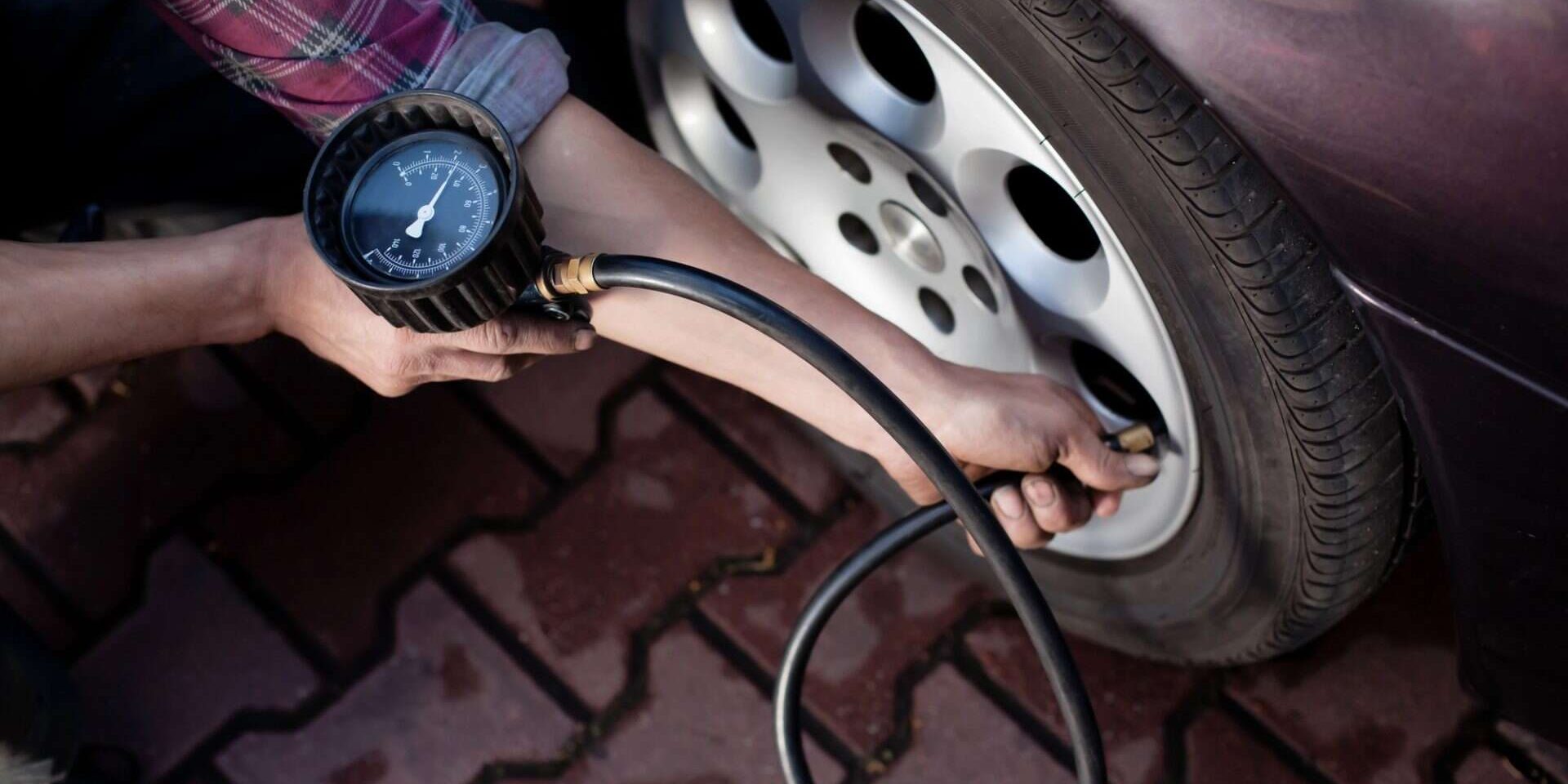
- The amber tyre pressure light means a tyre has lost a significant amount of air, often around 25 percent below the recommended level, not just a slightly soft tyre
- Check pressures against the placard on the driver’s door pillar or fuel flap, not the number moulded into the tyre sidewall, then correct all four tyres before you try to clear the light
- A failed or missing sensor is an MOT failure in its own right in the UK. Replacing one sensor typically costs £60 to £150 (about $81 to $203)
What the Tyre Pressure Warning Light Means and How to Turn It Off for Good
That amber horseshoe symbol with an exclamation mark on your dashboard is the tyre pressure monitoring system, TPMS, telling you at least one tyre has lost enough air to affect how the car handles and stops. It is not a general reminder to top up pressures every so often. On most systems the light stays off until a tyre drops to roughly 25 percent below its target pressure, so if it has come on, treat it as a genuine loss of air rather than a routine top-up reminder. Check every tyre with a proper gauge, correct any that are low against the figure on the door pillar sticker, and the light should clear on its own after a short drive. If it does not, the fix usually takes one of the extra steps below rather than a trip to a garage.
Why the Light Comes On, and Why It Is Not Just About Comfort
Underinflated tyres run hotter, wear unevenly along the edges of the tread, and take longer to stop in an emergency, as less of the tread grips the road properly under braking. A tyre 25 percent below its recommended pressure also drags more, part of why fuel economy drops noticeably on soft tyres, even before the TPMS light illuminates. The system exists to catch what most drivers cannot spot by eye alone: a slow leak. A tyre can lose several PSI a week from a small puncture, a corroded valve or simply cold weather (air contracts as the temperature drops, which is why the light often appears on the first properly cold morning of autumn) long before it looks visibly flat.
There are two types of system fitted to modern cars. A direct TPMS uses a small pressure sensor mounted inside each wheel that reports the exact reading to the dashboard, and it can tell you which specific tyre is low. An indirect system has no sensors at all. Instead, it uses the car’s existing wheel speed sensors from the anti-lock brakes to notice that one wheel is spinning very slightly faster than the others, a sign that tyre has a slightly smaller rolling diameter from running underinflated. Indirect systems are cheaper to build and never fail as a physical part, but they are less precise and usually will not tell you which tyre is affected.
How to Clear the Light Once Your Tyres Are Correct
Start every reset the same way: check the correct pressure for your car on the placard, usually on the driver’s door pillar, inside the fuel flap, or in the handbook, never the maximum pressure printed on the tyre’s sidewall, which is a different figure entirely. Inflate all four tyres, and the spare if it carries a sensor, to that figure using a gauge you trust rather than the readout on a petrol station airline that has not been calibrated in years.
On many cars the light clears itself after 10 to 20 minutes of driving at a steady speed once the pressures are correct, as the system recalculates. If it does not, look for a dedicated TPMS reset button, often near the steering column or in the glovebox, and hold it with the ignition on but the engine off until the light blinks three times to confirm the reset. Some manufacturers instead bury the reset inside the driver display menu under a heading such as vehicle settings or tyre pressure. Check your handbook for the exact steps for your model, as the process differs between manufacturers and even between model years of the same car.
If the light stays on after pressures are corrected and a reset attempted, the sensor itself has likely failed. TPMS sensor batteries are sealed inside the unit and typically last five to ten years, so a car of that age throwing a persistent fault is often simply due a new sensor rather than a fresh puncture.
The Legal Side: TPMS and Your MOT
TPMS has been a legal requirement on new cars sold in the UK and the wider EU from November 2014, brought in to cut accidents caused by underinflated tyres and to support better fuel economy. From 1 January 2015, UK MOT testers have failed any car fitted with TPMS from the factory if the system reports a fault or has clearly been disabled, regardless of whether the tyres themselves are otherwise fine. This catches out a surprising number of owners who fit replacement tyres or wheels without checking that the original sensors survived the job, or who fit a space-saver spare that does not carry a sensor and forget to swap it back.
If your dashboard shows a permanent TPMS fault rather than a simple pressure warning, usually a light that stays on solid rather than clearing after a correct-and-reset cycle, get it looked at before your next MOT rather than on the day of the test. A tyre fitter can usually diagnose whether a sensor has failed, lost its seal, or simply needs re-pairing to the car’s computer with a specialist tool, a job that takes a few minutes once the part itself is confirmed working.
What Replacement Actually Costs
A single direct TPMS sensor typically costs £60 to £150 (about $81 to $203) fitted, which includes the part, the labour to demount the tyre and access the wheel well, and the coding needed to pair the new sensor with the car’s onboard computer. A full set of four runs from roughly £220 to £450 (about $297 to $608), and garages will often flag that if one sensor has failed on age grounds, the other three from the same original set are not far behind and worth checking at the same time. Costs run higher in London and the South East than in the North of England or Scotland, and premium brands with proprietary sensors tend to cost more than mainstream models using more common parts.
A Few Things That Trip Drivers Up
A flashing light, rather than one that stays solidly lit, means something different again: on most cars a flashing TPMS light for 60 to 90 seconds followed by a solid light is telling you the system itself has detected a fault, not just low pressure, and points more directly toward a sensor problem than a puncture. Fitting a space-saver spare temporarily is another common trigger, as most space-savers carry no sensor at all, so the system correctly flags a wheel it cannot read, and the light will stay on until the full-size wheel goes back on.
Winter and summer tyre swaps catch out plenty of owners too. If a garage moves the sensors across when they change the tyres, the system usually needs re-pairing to know which sensor now sits at which corner of the car, a step some fitters skip if they are not asked directly. Always confirm with whoever changes your tyres that the TPMS sensors have been transferred and re-paired, not just left loose in the old wheels, before you drive away.
The Bottom Line
Treat the tyre pressure light as an instruction, not a suggestion. Check all four tyres against the door-pillar figure, correct any that are low, and give the system a short drive to recalculate before assuming anything is broken. If the light will not clear after that, a failed sensor is the most likely cause, and with TPMS faults now an MOT failure in their own right, it is worth sorting before it catches you out at your next test.
Sources

Leave a Comment
More in News
English Councils Banked a Record £1.1 Billion From Every Driver’s Parking Fines Last Year
How DVLA Promises 99% of Licences in Three Days After Admitting Services Fall Short
What to Do in a Motorway Breakdown (and When to Stay Inside)

How to Jump Start a Car Safely (and What a New Battery Costs)

Every Driver Gets Five Minutes Grace as Government Freezes Parking Charges at £100
Trending on Motoring Chronicle

How a Forgotten Mileage Limit Could Cost Classic Car Owners Their Insurance Payout
New Data on 1.6 Million Repairs Reveals Which Used Cars Cost the Most to Fix
What a Grinding Noise When You Brake Actually Means for Your Car

Skoda Has Added A New Karoq Trim That Costs £650 More Than The Standard Car But Adds Heated Seats, Sat Nav And 18 Inch Alloys
