What Actually Happens When You Make a Car Insurance Claim After a Crash


- After a crash, exchange names, addresses, registration numbers and insurance details with every other driver involved, and photograph the scene before anything is moved if it is safe to do so.
- Tell your own insurer what happened as soon as possible, whether or not you intend to claim: most policies require quick notification regardless of fault.
- Whether the accident affects your no claims discount depends on whether your insurer can recover its costs from the other driver’s insurer, not simply on who was at fault.
What Actually Happens When You Make a Car Insurance Claim After a Crash
The claims process starts at the roadside, not on the phone to the call centre. If the crash is minor and everyone involved is unhurt, UK law and standard insurer guidance both point to the same first steps: move vehicles out of traffic if it is safe, exchange names, addresses, vehicle registration numbers and insurance details with every other driver involved, and take the details of any independent witnesses. Citizens Advice recommends photographing the scene, the damage and the road layout before anything is moved: these images are often the clearest evidence an insurer has to work from later. If anyone is injured or the road is blocked, calling the police is the right move, and by law a driver involved in a crash must produce their insurance certificate to a police officer at the scene or take it to a police station within seven days if asked.
Telling Your Insurer, Even Without a Claim
Every motor insurance policy carries a duty to report an accident quickly, and this applies even to a driver who has no intention of claiming. Citizens Advice is direct on this point: tell your insurer about the accident straightaway. Delaying, or deciding privately that the damage is too minor to mention, can cause real problems later if the other driver later claims against you, or if damage that looked cosmetic turns out to need more extensive repair once a garage inspects it properly. An insurer that finds out about an accident from someone else’s claim rather than from its own policyholder can, in some cases, treat that as a failure to disclose, which puts a future claim at risk.
Fault, Non-Fault and What Happens to Your No Claims Discount
Whether an accident affects a no claims discount is not a simple matter of who was at fault. On a fully inclusive policy that covers your own car regardless of fault, a driver typically claims through their own insurer first, who then attempts to recover its costs from the at-fault driver’s insurer. If that recovery succeeds, the claim is usually recorded as non-fault and the no claims discount is protected. If the insurer cannot recover the money, perhaps the other driver denies responsibility or cannot be traced, the claim can affect the no claims discount even where the policyholder did nothing wrong. This is the detail that catches most drivers by surprise: being blameless at the scene does not automatically protect a no claims record, the outcome depends on what the insurer can prove and recover afterwards.
With third party only cover, the process runs differently. The driver notifies the other party in writing of an intention to claim and their insurer investigates who was responsible, with the at-fault driver’s insurer expected to cover the other side’s costs. A driver found at fault under third party cover is generally left to pay for their own vehicle’s repairs, which is one of the clearest practical reasons fully inclusive cover remains popular even at a higher upfront cost.
What Evidence Actually Helps a Claim
Photographs taken at the scene remain the single most useful piece of evidence in a disputed claim, covering vehicle positions, damage, road markings, weather conditions and any relevant signage. Dashcam footage, where available, is now treated as strong evidence by most UK insurers and can settle a fault dispute far faster than witness statements alone, most of all where the other driver’s account contradicts what actually happened. A written note of the time, location, weather and road conditions taken at the scene, while memory is fresh, also holds up better than a recollection given days later when a claim form finally arrives. None of this evidence needs to be submitted immediately; keeping it organised and ready for when the insurer asks is enough.
Edge Cases: Uninsured Drivers and Unhappy Outcomes
If the other driver turns out to be uninsured or cannot be traced, a claim does not simply disappear. The Motor Insurers’ Bureau exists specifically to handle these cases, compensating drivers hit by uninsured or untraced vehicles, funded by a levy built into every UK driver’s insurance premium. This route can take longer than a standard claim between two insured drivers: the Motor Insurers’ Bureau has to establish the facts of the accident independently, but it does provide a route to compensation that would not otherwise exist.
When a driver disagrees with how their own insurer has handled a claim, whether over a valuation, a fault decision or a repair dispute, the first step is the insurer’s own complaints process, which every regulated insurer is required to provide. If that does not resolve things, the Financial Ombudsman Service can investigate free of charge, covering disputes over vehicle valuations and write-offs, fault decisions, repair quality and no claims bonus disputes among others. The Ombudsman looks at the evidence from the driver, the insurer and any relevant third party, alongside the relevant law and industry standards, before deciding whether the insurer treated the policyholder fairly. Its aim, where it finds an insurer got something wrong, is to put the driver back in the position they would have been in without the mistake, which can include a financial award alongside a corrected decision.
How Long an Insurance Claim Actually Takes
There is no single fixed timeline, and insurers do not publish a guaranteed turnaround for every case, but the pattern is fairly consistent across most UK motor claims. A simple claim with clear fault, good evidence and no injuries is often settled within a few weeks, most of all where both insurers agree on responsibility early. A disputed claim, where each driver blames the other and there is limited independent evidence, can take considerably longer, sometimes several months, while both insurers gather statements, review any dashcam footage and, where needed, involve engineers to assess damage. Claims involving injury take longer still, as they typically cannot be finalised until the full extent of any injury is known, which can be many months after the accident itself. Keeping a simple written record of dates, who was contacted and what was said at each stage makes it considerably easier to follow up if a claim stalls without explanation.
What to Do If the Other Driver Disputes What Happened
A dispute over fault is one of the more stressful edge cases, and it is common enough that every UK insurer has a process for it. When the two drivers’ accounts conflict and there is no independent witness or camera footage, insurers typically apply what is known in the industry as a knock for knock arrangement in some cases, where each insurer covers its own policyholder’s damage regardless of fault, though this varies between insurers and is becoming less common as dashcam evidence becomes more widely available. Where one driver has dashcam footage and the other does not, that footage usually settles the question quickly, which is a significant part of why dashcam ownership has grown so much among UK drivers in recent years. A driver without footage and facing a disputed claim should still gather anything else available: photographs, the names of any witnesses noted at the scene, and the exact time and location. Even a rough timeline can support or undermine a conflicting account.
Sources

Leave a Comment
More in News

How to Remove Moisture From Inside Your Headlight Before It Costs You £500
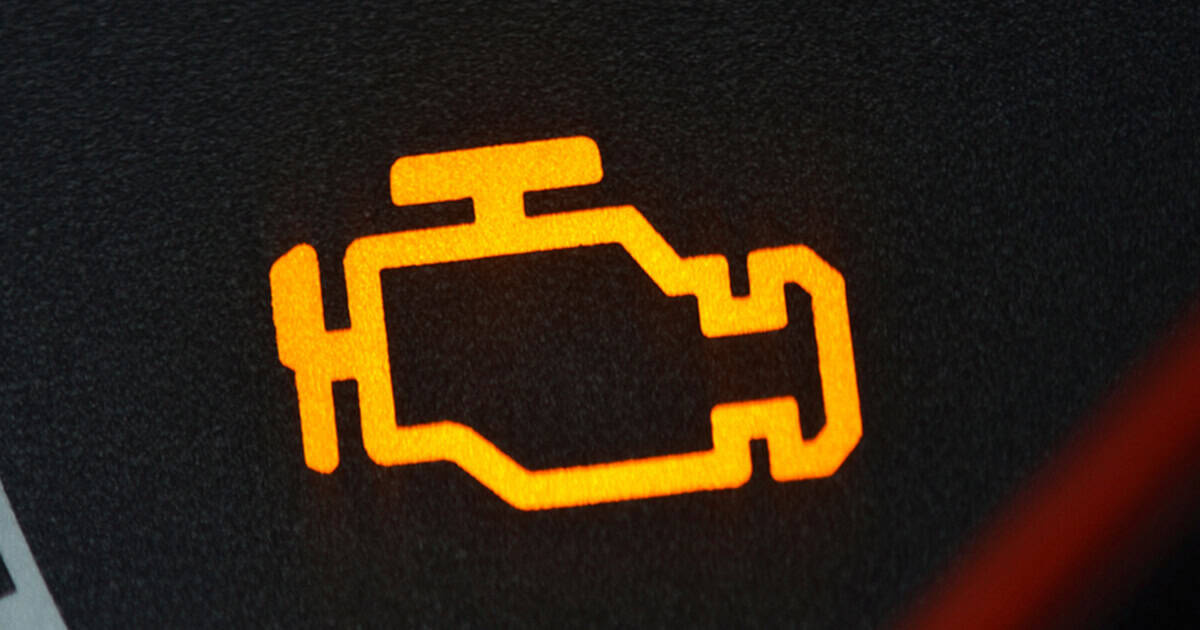
What Red and Amber Warning Lights Actually Mean (and Which Fail an MOT)

How to De-Ice Your Windscreen Fast Without Cracking It (and Staying Legal)

New Cars Face Euro 7 Rules From 29 November With a £264 Price Rise
What the Traffic Penalty Tribunal’s 33 Percent Success Rate Means for Every Driver
Trending on Motoring Chronicle

Why Some Electric Car Chargers Cost 33p More Per Unit Than Others, Zapmap Finds

Used Car Dealer Directors Sentenced After Leaving Buyers Thousands Out of Pocket
Honda Recalls 325,588 Odyssey Minivans Over Backup Cameras That Go Dark in Reverse
How New York Is Putting Speed Cameras in Nearly Every Work Zone