What Treasury’s Planned Rise Means for Every £200 Road Tax Bill From April 2027


- The Treasury confirmed in the Budget on 28 October that vehicle excise duty for cars, vans and motorcycles will rise in line with the Retail Prices Index from 1 April 2027.
- The standard rate is £200 a year, so each 1 percent of RPI adds £2, and September’s annual RPI rate of 3.9 percent would add £7.80 if it applied.
- The new rates have not been published, so the £200 on the GOV.UK rate table is the only confirmed figure until they are.
The Road Tax Rise With a Date but No Price
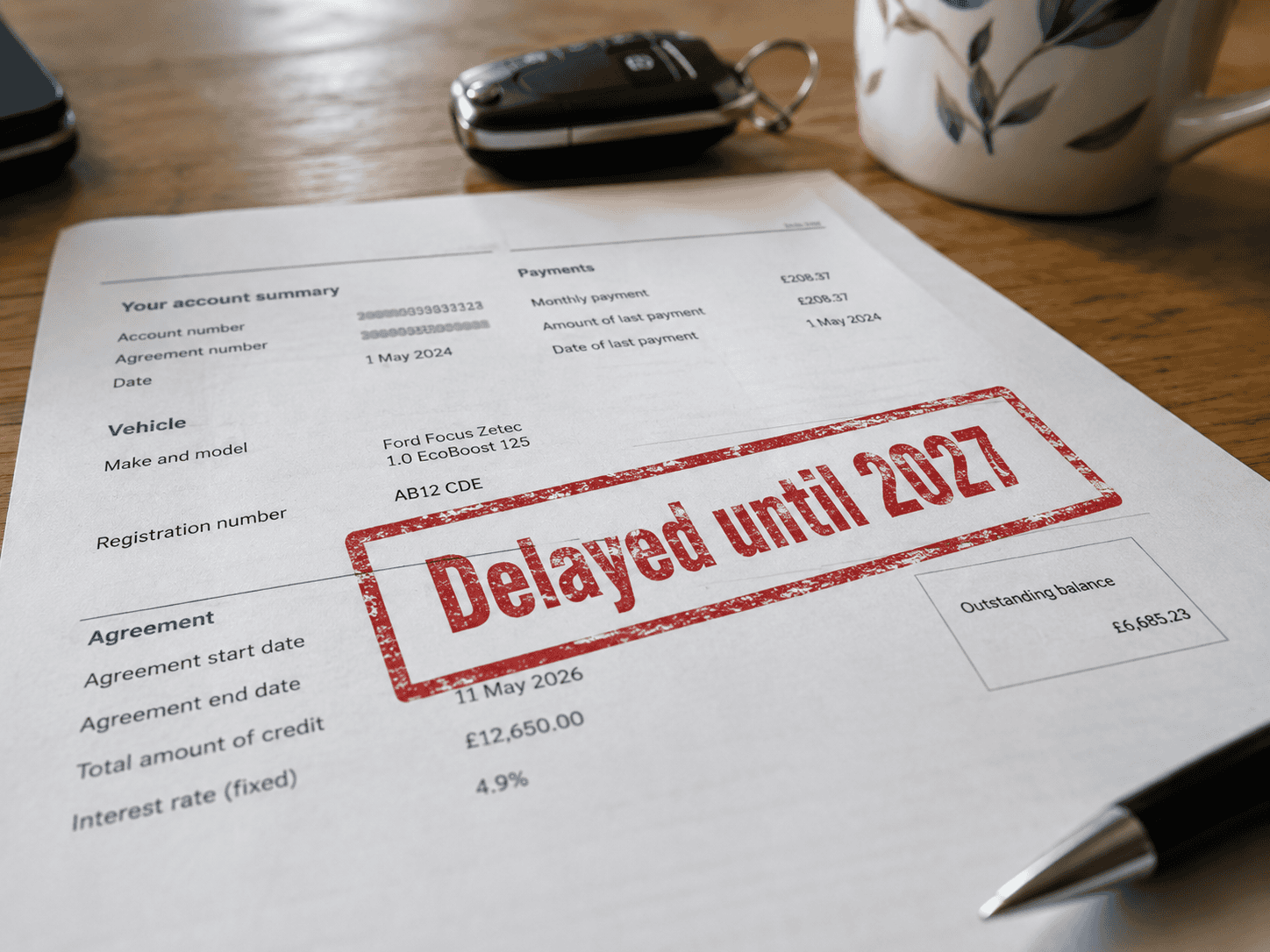
The Treasury has put a date on the next rise in vehicle excise duty (VED) and left the price blank. The Budget 2026 document, published on 28 October 2026, says: “The government will uprate VED rates for cars, vans and motorcycles in line with the Retail Prices Index (RPI) from 1 April 2027.” The government’s start date for the new rates is that day.
The arithmetic is simple even without the final numbers. A car registered on or after 1 April 2017 pays £200 for a single 12 month payment from the second tax payment onwards, so every 1 percent of RPI adds £2. Drivers who spread the bill over 12 monthly Direct Debit instalments pay £210 in total, so every 1 percent adds £2.10.
The rate itself does not exist yet. The Budget text gives no new figure, no rounding rule and no RPI month for the calculation, and the GOV.UK rate table still shows £200. The Office for National Statistics (ONS) put annual RPI at 3.9 percent for September 2026, and 3.9 percent of £200 is £7.80, which would take the bill to £207.80. That sum illustrates September’s rate and is the site’s own arithmetic.
What the Budget Text Confirms and What It Leaves Out
The uprating sits in the transport and environmental taxation list of the Budget document, next to a handful of other vehicle measures. Search and rescue charities receive a VED exemption for eligible vehicles from 1 April 2027, through the Finance Bill. A reduced annual rate of £1 is available to most heavy goods vehicles on licences or renewals taken out between 1 July 2026 and 30 June 2027. The Van Benefit Charge and the Car and Van Fuel Benefit Charges rise from 6 April 2027 in line with CPI, a different measure from the one that governs the road tax bill.
Fuel gets different treatment. The Budget cancels the plan to add 5p back onto fuel duty from January 2027, extends the temporary cut to 1 July 2027 and defers the planned RPI increase in fuel duty to that date. The Treasury notes that diesel exceeded £2 per litre in October 2026, describes the aim as breathing space for 35 million motorists and businesses, and says its fuel duty decisions across this Parliament are expected to have saved the average car driver £230 compared with plans under the previous government. The VED line carries no deferral. Its start date is 1 April 2027.
The choice of index decides the size of the rise. In September 2026 the ONS recorded annual RPI at 3.9 percent, CPI at 3.5 percent and CPIH at 3.6 percent. On a £200 bill the 0.4 point gap between RPI and CPI is 80p. The ONS also states that the RPI does not meet the required standard for designation as accredited official statistics and says it keeps publishing the index in recognition that it is widely used in contracts. From 2030 at the earliest, CPIH methods and data sources will be introduced into the RPI. The Budget text does not say which month’s RPI figure the Treasury will use, so 3.9 percent shows the scale and nothing more.
What Each Type of Car Pays Today
Three rate tables sit behind the phrase road tax, and the Treasury line refers to VED rates for cars without splitting them. Cars registered on or after 1 April 2017 pay a first-year rate set by CO2 emissions, from £10 at 0g/km to £5,690 above 255g/km. From the second payment they pay the flat rate: £200 for a single 12 month payment, £110 for a single 6 month payment, £105 for a single 6 month payment by Direct Debit and £210 across 12 monthly instalments. Petrol, diesel, electric and alternative fuel cars all pay the same flat rate.
Cars registered between 1 March 2001 and 31 March 2017 pay by CO2 band, and GOV.UK lists 13 of them, A to M. Bands A and B cost £20 a year as a single 12 month payment, and band M, above 255g/km, costs £790. Band E, covering 131 to 140g/km, sits at £200, the same as the flat rate. The CO2 figure is on the V5C registration certificate, and a separate guide explains what each car tax band means and how to find yours.
Older cars pay by engine size. A car or light goods vehicle registered before 1 March 2001 pays £230 for a single 12 month payment at 1549cc or under and £375 above that. Cars built before 1 January 1986 can stop paying from 1 April 2026, and the keeper has to apply for the exemption, which is sometimes called the historic tax class. The exemption does not arrive automatically.
Expensive cars pay more. A car or motorhome with a list price above £40,000, or an electric one above £50,000, carries an extra £440 a year for five years from the second time it is taxed. That takes the single 12 month payment to £640 and the 12 monthly Direct Debit total to £672. A zero emission vehicle registered before 1 April 2025 does not pay it. The background to the £440 luxury car tax is on the site. The Budget text does not itemise the supplement. Last April it rose from £425 to £440, the same day the flat rate rose from £195 to £200, so it moved with the flat rate last time. The Treasury has not said whether it will move again.
What a Rise Could Look Like in Pounds
Take September’s 3.9 percent as a placeholder. On the £200 flat rate it adds £7.80, giving £207.80. On the £210 Direct Debit total it adds £8.19, giving £218.19. A band M car at £790 would add £30.81 and reach £820.81, and a band L car at £760 would add £29.64 and reach £789.64. A pre-2001 car at 1549cc or under, now £230, would add £8.97 and reach £238.97. Every figure here is a calculation by Motoring Chronicle. The Treasury has set no rate, and the Budget text gives no rounding rule, so the published rates can differ from these sums.
Owners of cars above the £40,000 list price threshold have the largest bills to watch. A 3.9 percent rise on the full £640 would add £24.96 and give £664.96. If only the flat rate moved, the same car would pay £207.80 plus £440, which is £647.80. If the supplement moved as well, it would gain £17.16 and reach £457.16, taking the full bill to £664.96. The Budget text settles neither case.
The last rise gives a yardstick. The flat rate went from £195 to £200 on 1 April 2026, an increase of £5 or 2.6 percent, under an RPI uprating announced in the previous year’s Budget. A 3.9 percent rise on £200 would be £2.80 larger than that step. Spread over a year, £7.80 comes to 15p a week.
How to Pay Less and What Comes Next
GOV.UK applies a 5 percent surcharge to Direct Debit payments made monthly or every six months and none to a single yearly payment. On the flat rate that is the £10 gap between £200 and £210, and on a car carrying the supplement it is the £32 gap between £640 and £672. Two single 6 month payments at £110 cost £220, which is £20 more than paying once for the year. At a 3.9 percent rise the 5 percent surcharge on £207.80 would be £10.39, so the penalty for paying monthly grows with the bill.
A car that stays off the road for months does not have to be taxed, but it needs a Statutory Off Road Notification (SORN) made to DVLA. GOV.UK states that a vehicle with no tax and no SORN is fined £80 automatically, and that a SORN brings a refund for any full months of remaining tax. A SORN car can go on a public road only to a pre-booked MOT or other test appointment, and any other use risks court prosecution and a fine of up to £2,500.
Electric and plug-in hybrid owners face a second change later. The Budget confirms Electric Vehicle Excise Duty (eVED), a new mileage-based charge for electric and plug-in hybrid cars, from April 2028. Until then those cars pay the same £200 flat rate as petrol and diesel cars.
The next step belongs to the Treasury, which has to publish the new rates, and no date has been given for that. Until it does, check the GOV.UK rate table before the first renewal after 1 April 2027 and read the amount on the tax reminder, which reaches keepers as a letter, email or text message. The Budget text does not say how existing Direct Debit schedules will change, so the amount on that reminder is the one to trust. The ONS publishes its next inflation figures on 18 November 2026, so the 3.9 percent used here is a snapshot that can change.
Want more car content? Add us as a preferred source on Google to your favourites list for the best automotive news and analysis on the internet.
If you enjoyed this article, be sure to follow us on Microsoft Start.

Leave a Comment
More in News
Every Driver Missing a ULEZ Payment Faces £180 as TfL Accepts 72% of Challenges

NHTSA Opens Defect Petition on Camshaft Claims in 54,787 Ford 7.3L Trucks and Vans

2027 Fiat Topolino Adds Open-Air Roof and Free Street-Legal Kit From $13,995
Washington Requires Free Work Zone Course for First Licenses Under 25 From Nov. 1

How to Check a Used Car for Hidden Finance (and Whether You Keep It)
Trending on Motoring Chronicle
Your Driver’s License Is Now in Apple Wallet in 14 States, With Six More Signed Up

What a New DVLA Eyesight Test Could Mean for 6 Million Older Drivers
Nine London Boroughs Roll Out No-Flash Radar Speed Cameras That Catch Drivers in Both Directions

What Record £3.2 Billion Motor Insurance Payouts in Q2 2026 Mean for Your Next Renewal