What the Government’s £1 Road Tax Holiday Means for Hauliers and Drivers
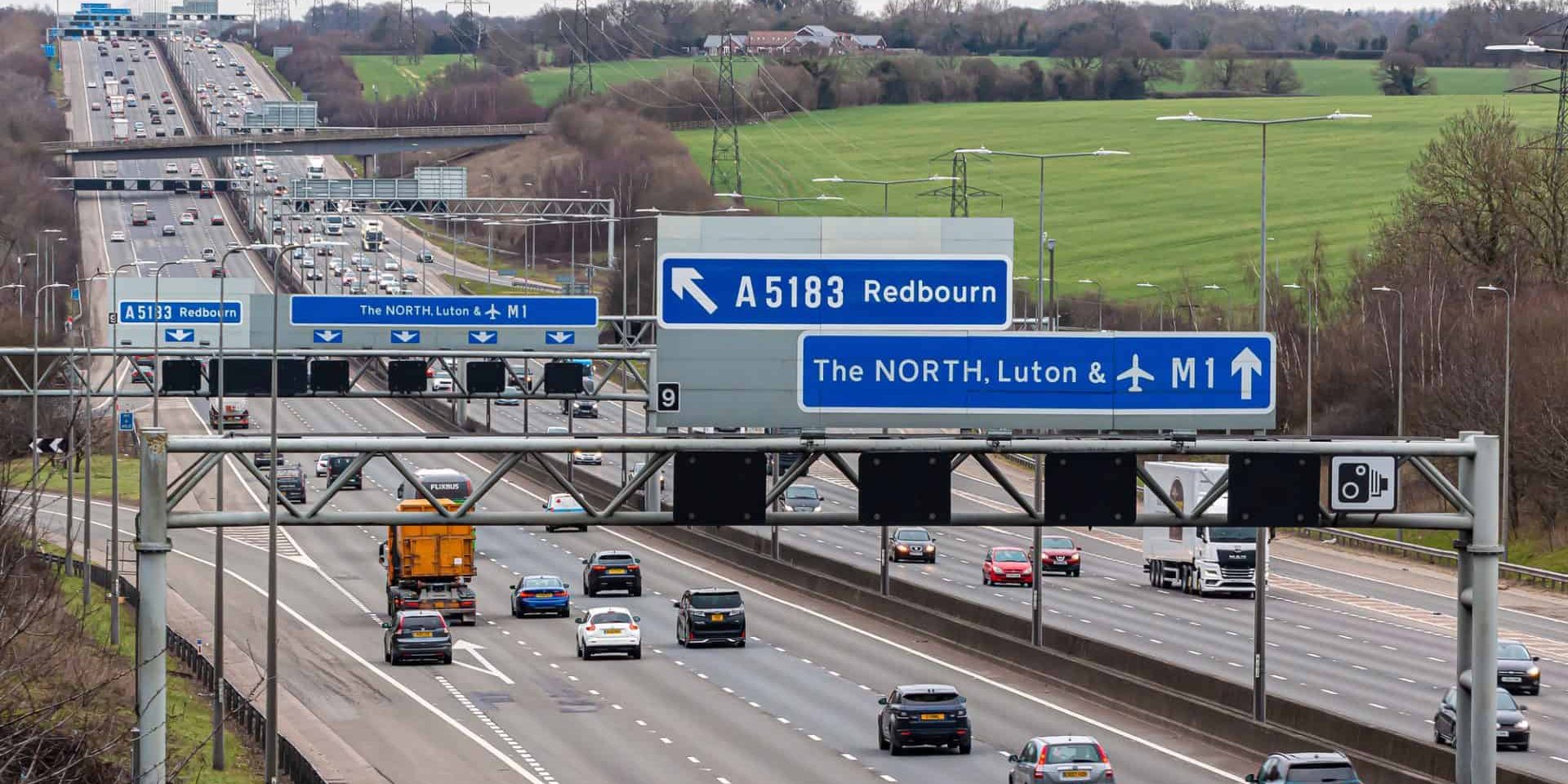
Every year, the operators of Britain’s heaviest lorries write a cheque to the DVLA worth up to £912 for the privilege of keeping their vehicles on the road. From May 2026, they will write one for £1 instead. The Chancellor’s announcement on 20 May 2026 handed hauliers a 12-month Vehicle Excise Duty (VED) holiday, and while the headline figure sounds like an administrative footnote, the implications ripple far beyond the logistics industry to the shelves you shop from and the prices you pay at checkout.
The move was part of a wider support package from Chancellor Rachel Reeves and Prime Minister Keir Starmer in response to the Iran conflict, which has pushed diesel to 185.73p per litre, up 25.7p since the war began in February 2026. For an industry that runs almost entirely on diesel, that rise has translated directly into a cost crisis threatening the solvency of smaller operators.
What Was Actually Announced
The May 20 package contained three distinct elements. First, the existing 5p per litre fuel duty cut stays in place until 31 December 2026, keeping duty at its lowest rate in over 16 years. The government calculates this has saved the average car driver £120 since 2025. Without the extension, duty would have started rising from September 2026, adding roughly 6p per litre by March 2027 and costing regular drivers around £55 more per year.
Second, red diesel, the rebated fuel used by farmers, rail freight operators, and construction, will see its duty rate cut by over a third until the end of 2026. Red diesel prices have climbed around 50 per cent above pre-crisis levels since the Iran conflict disrupted supply through the Strait of Hormuz. A farmer using 10,000 litres a year will see their annual fuel bill fall by approximately £1,200 under the cut.
Third is the VED holiday for hauliers. Heavy goods vehicle operators renewing their road tax any time in the next 12 months pay just £1 per vehicle, regardless of weight. A typical heavy lorry normally attracts £600 in VED. The heaviest articulated lorries normally pay £912. Both now cost £1 to tax for the year.
Who Is Affected and How the Saving Is Applied
Around 500,000 licensed HGVs operate on British roads at any one time, according to DVLA data. The companies running these vehicles range from sole-trader owner-operators to the national distribution fleets of supermarkets and online retailers. Between them, they carry around 80 per cent of all goods moved within the UK by volume.
The VED saving is not a rebate scheme. Operators do not need to apply for anything or submit any claim. When they come to renew their vehicle tax during the 12-month holiday period, the amount shown on the DVLA renewal will simply be £1. The saving is automatic. Operators who already renewed since the start of 2026 at the full rate will not receive a refund for the portion already paid.
Commercial operators with large fleets stand to save significant sums in aggregate. An operator running 200 articulated lorries would normally face a combined annual VED bill approaching £182,400. Under the holiday, that combined figure drops to £200. The Road Haulage Association called the measure “a genuinely practical intervention at a time when many operators were questioning whether they could keep vehicles on the road.”
Why the Iran Conflict Has Hit Hauliers Hardest
The Strait of Hormuz is a narrow waterway roughly 33 kilometres wide at its narrowest point, running between Iran and Oman. Around 20 per cent of the world’s oil and liquefied natural gas passes through it, making it one of the most strategically important shipping corridors on earth. The conflict that began in February 2026 has disrupted traffic through the strait at various points, pushing Brent crude sharply higher and feeding into UK pump prices within weeks.
For a lorry with a typical 400-litre tank, a fill-up now costs around £743 compared to approximately £623 before the conflict. A fleet operator running 200 lorries and filling up every week faces annual diesel costs that have risen by roughly £1.2 million compared to pre-crisis levels. For smaller operators running three or four vehicles on tight margins, the increase has been existential rather than merely uncomfortable.
Prime Minister Keir Starmer said at the announcement: “I know many are feeling the pressure of energy and fuel costs, and are worried about how the conflict in Iran will affect their finances. Because when global events drive up prices, it’s working people who feel it first.” The Chancellor described the package as “timely and targeted” rather than “kneejerk.”
Will Any of This Save You Money as a Consumer
The relationship between haulage operating costs and the prices you pay on supermarket shelves is rarely direct or fast-moving. Haulage contracts are typically negotiated months in advance. Fuel cost increases are often absorbed through surcharges built into commercial agreements, and when costs fall, those surcharges do not immediately disappear.
Analysts at Transport Intelligence estimated in April 2026 that every 1p per litre increase in diesel adds approximately £40 million annually to the UK’s total road haulage cost base. The 25.7p rise since February therefore represents an industry-wide cost increase of around £1 billion per year. The VED holiday saves roughly £250 million across the industry, so it offsets the diesel shock partially but not fully.
What the holiday does do is help keep operators solvent. When hauliers exit the market due to unsustainable costs, freight capacity tightens and rates rise, which does eventually reach consumer prices. By reducing one fixed cost, the government is trying to preserve capacity and prevent further inflationary pressure in the supply chain.
For drivers at the pump, the direct benefit is clearer. Average unleaded petrol is currently 157.4p per litre. Without the fuel duty freeze extension, pump prices would have risen by 6p per litre from September. For a driver doing 8,000 miles a year in a car achieving 40 miles per gallon, the freeze saves around £55 compared to the original schedule.
What To Do Now
If you run a business that operates HGVs, check your renewal dates. Any vehicle due for tax renewal in the next 12 months will benefit from the £1 rate automatically when you renew through the DVLA. There is no separate application process. If you are uncertain whether your vehicles qualify, contact the DVLA directly on 0300 790 6802.
If you use red diesel, the reduced duty rate applies from the date of the announcement. Speak to your fuel supplier about how and when the price reduction will be reflected in your supply agreements, as some contracts are priced on a delayed basis.
For car drivers looking to mitigate current fuel costs, use PetrolPrices.co.uk or the RAC Fuel Watch tool to compare prices at stations near you before filling up. Supermarket forecourts currently undercut motorway services by 15 to 25p per litre. Filling a 55-litre tank at a supermarket rather than a motorway service station saves up to £13.75 per fill-up at current price differentials. On a full year of weekly fill-ups, that saving exceeds £700.
Sources:

Leave a Comment
More in News
Why the Government Is Considering Cutting the UK Motorway Speed Limit to 60mph
What the Government’s £1 Road Tax Holiday Means for Hauliers and Drivers

Honda Prelude Returns: Sixth-Gen Coupe Begins European Deliveries with 184PS Hybrid
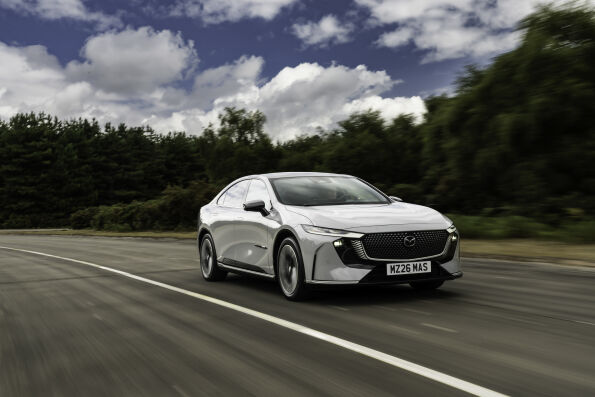
Mazda6e Lands in UK This Summer from £38,995 with Half-Price Home Charger Offer
Mazda6e Lands in UK This Summer from £38,995 with Half-Price Home Charger Offer
Trending on Motoring Chronicle

Phantom Goldfinger makes public debut at Concorso d’Eleganza Villa d’Este [Photo Gallery]

Chrysler Goes All In on Van Life With New Chrysler Pacifica Grizzly Peak Concept [Photo Gallery]

Is Synthetic Oil Really Worth the Extra Cost Over Conventional?

A Chinese Electric Supercar Is Coming For Lamborghini And Ferrari. It Will Make Its Global Debut In The UK