
What Cambridge’s New 20mph Zones Mean for Drivers This Summer

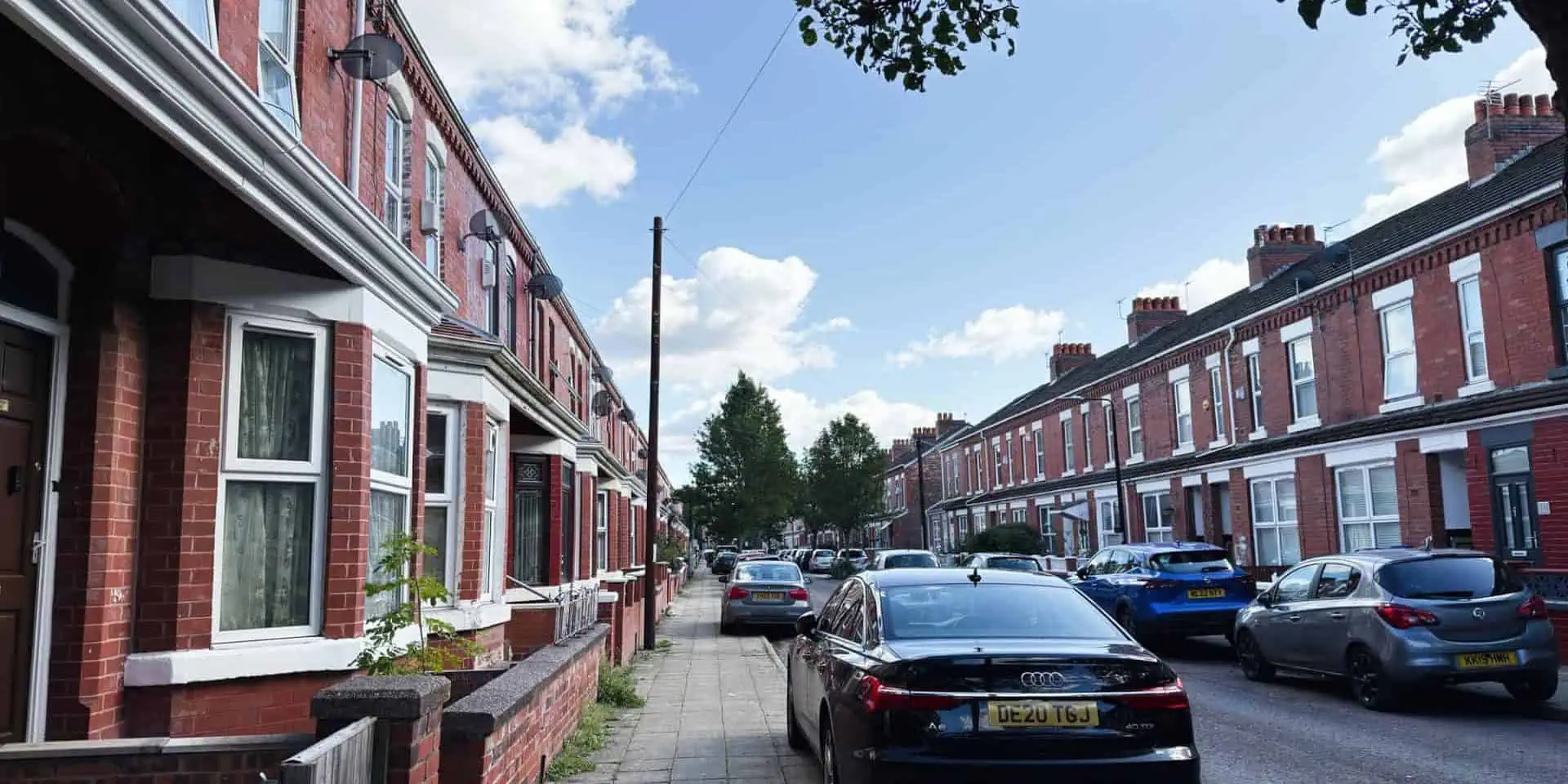
Drivers on 15 of Cambridge’s busiest roads could soon face a 20mph limit, after Cambridgeshire County Council opened a public consultation on new speed restrictions across the city centre. The consultation, which began on 1 July and runs until 5 August, follows a formal count of casualties that found more than 100 people have been seriously injured on the affected routes between 2017 and 2026.
Which Roads Are Affected
The proposed 20mph limits cover Barton Road (from Grantchester Road to Kings Road), Brooklands Avenue, Chesterton Lane, Chesterton Road (Mitcham’s Corner to Magdalene Bridge), Coldhams Lane (Cromwell Road to Brooks Road roundabout), Corona Road, Croft Holme Lane (part of the Mitcham’s Corner gyratory), East Road including the Grafton Centre service roads, Gonville Place, Hills Road (Lensfield Road to Brooklands Avenue), Lensfield Road, Milton Road at the Mitcham’s Corner junction only, Newnham Road, Northampton Street, Queen’s Road, Trumpington Road (Trumpington Street to Brooklands Avenue), Trumpington Street (Mill Lane to Trumpington Road), and Victoria Avenue at the Mitcham’s Corner junction. That list covers many of the routes drivers use to cross the city centre rather than a handful of quiet residential streets, so the practical effect on cross city driving times could be significant if the scheme goes ahead in full.
The routes were chosen using two criteria: locations where a previous round of engagement in 2024 found the strongest public support for lower limits, and known accident sites where casualty data shows a pattern of serious harm. That 2024 engagement had already led to more focused 20mph schemes in residential areas including Orchard Park, which the council says received a positive response from local communities.
Why the Council Says Lower Limits Save Lives
Councillor Alex Beckett, Chair of Cambridgeshire County Council’s Highways and Transport Committee, said: “There are far too many deaths and injuries on our roads. It’s clear that 20mph limits can make a huge difference in improving safety especially for our most vulnerable road users, children.” He added that the revised proposals had taken on feedback from the earlier engagement and focus on routes where more than 100 people have suffered serious injuries in the years to 2026, which the council believes are the routes where a lower limit would make the biggest difference to safety.
The council cites Department for Transport research showing a pedestrian is around five times more likely to be killed if hit by a vehicle travelling at 30mph than at 20mph, a gap that reflects both the physics of a slower collision and the shorter stopping distance a driver has to react. It also points to outcomes elsewhere: after 20mph limits were introduced in parts of London, the number of children killed in road traffic incidents in those areas fell by 75 percent, and the number of children injured fell by around 50 percent. Edinburgh recorded 20 percent fewer casualties and 22 percent fewer collisions in its own 20mph zones after they were introduced.
How the Consultation and Decision Process Works
This is a statutory consultation on a proposed Traffic Regulation Order, the same type of legal process that governs parking charges, red routes and bus lane restrictions elsewhere in the country. Residents, businesses and community groups can review a map of the proposals and submit comments through Appyway, an online planning consultation platform linked from the council’s website. Once the consultation closes on 5 August, road safety officers and councillors, including members of the Cambridge Joint Area Committee, will review the responses. A final decision on whether to introduce all, some or none of the proposed limits will be taken by the Highways and Transport Committee in the winter, with any approved changes not expected on the ground until early 2027.
This timeline shapes how drivers should plan ahead: nothing changes on Cambridge’s roads immediately, and the eventual outcome could see some roads on the list dropped, especially if objections raised in the consultation period flag concerns the council had not anticipated, such as bus route timings or delivery access for businesses along East Road and the Grafton Centre. A scheme covering 15 separate roads with different traffic patterns is unlikely to be approved or rejected as a single block, and past 20mph consultations in other English cities have often resulted in a reduced list rather than the full original proposal.
How Cambridge Compares With the Rest of the UK
Wales became the first UK nation to make 20mph the default limit on restricted roads in September 2023, applying it automatically to residential and other roads previously subject to a 30mph limit unless a local authority actively decides to keep 30mph in a specific location. Scotland introduced a similar default 20mph policy on its own restricted roads in 2023, phased in gradually by local authority area. England has taken a different route, leaving individual councils to decide where 20mph applies rather than setting a national default, which is why Cambridgeshire’s approach, a targeted list of named roads chosen by casualty data and public support rather than a blanket rule, looks different from the Welsh and Scottish models, while the underlying safety rationale stays the same.
A number of English cities, including Bristol, Portsmouth and parts of Greater Manchester, have already extended 20mph limits onto through routes that carry significant traffic volumes rather than confining them to residential side streets, the approach Cambridge is now proposing for roads such as Hills Road and Trumpington Road. Bus operators in those cities have generally reported only a modest effect on scheduled running times once drivers adjust to the new limit, though delivery firms have sometimes flagged concerns about tighter delivery windows on routes where 20mph applies at peak hours.
What This Means If You Drive Through Cambridge
Commuters and visitors who regularly drive through the city centre, especially along Hills Road, Trumpington Road and the Mitcham’s Corner area, should expect that a 20mph limit on these routes would add modest time to a typical cross city drive, though the council argues the safety gains for pedestrians and cyclists outweigh that cost. Drivers who want their view reflected in the final decision should submit a response before the 5 August deadline. The council has explicitly said it wants to hear from local residents, businesses and community groups before finalising anything.
Cambridge would join a growing list of UK cities extending 20mph limits onto through routes rather than confining them to residential side streets, a shift that has already taken hold in Wales and parts of Scotland. Drivers who frequently cross between these nations and England should expect the direction of travel on speed limits to keep narrowing the gap between the two approaches over the next few years, making it worth checking local signage carefully when driving through an unfamiliar city centre rather than assuming the previous limit still applies.
Cyclists and pedestrian groups in Cambridge, a city with one of the highest rates of everyday cycling in the country, have generally supported extending 20mph limits onto busier roads, arguing that routes such as Hills Road and East Road already carry heavy bike traffic mixing with cars, buses and delivery vehicles at a scale that residential side streets do not see. Motoring groups have historically taken a more mixed view of 20mph expansion onto arterial roads, accepting the safety case around schools and residential streets while questioning whether the same limit makes sense on wider routes designed to carry through traffic. That tension is likely to surface again in Cambridge’s consultation, especially around routes like Coldhams Lane and East Road that combine heavier traffic flows with the accident history the council has cited, and residents who use those roads daily are likely to hold the strongest views either way once the map of proposals becomes widely known.
Sources:

Leave a Comment
More in News

Why a 13-Year-Old Car Is Nearly Three Times More Likely to Fail Its MOT

Private Parking Firms Issued a Record 16.9 Million Tickets Worth £4.6 Million a Day

DfT Could Make Learner Drivers Wait Before Their Test After 273 Deaths
Edinburgh Drivers Paid £46.6 Million in Parking Income, Up 46 Percent in Three Years
Drivers Claimed £10.2 Million for Pothole Damage but County Councils Paid 6%, Quotezone Shows
Trending on Motoring Chronicle

Why Motorway Services Charge Drivers £9.41 More for a Tank of Fuel

How San Antonio Drivers Can Get Ready for Emissions Testing Starting November 1
World’s oldest Bentley T-Series returns home [Photo Gallery]

Why Alabama Just Made Fatal Hit and Run Crashes a More Serious Felony
