
The Most Dangerous Hour to Drive in Britain Has Been Revealed by New Data
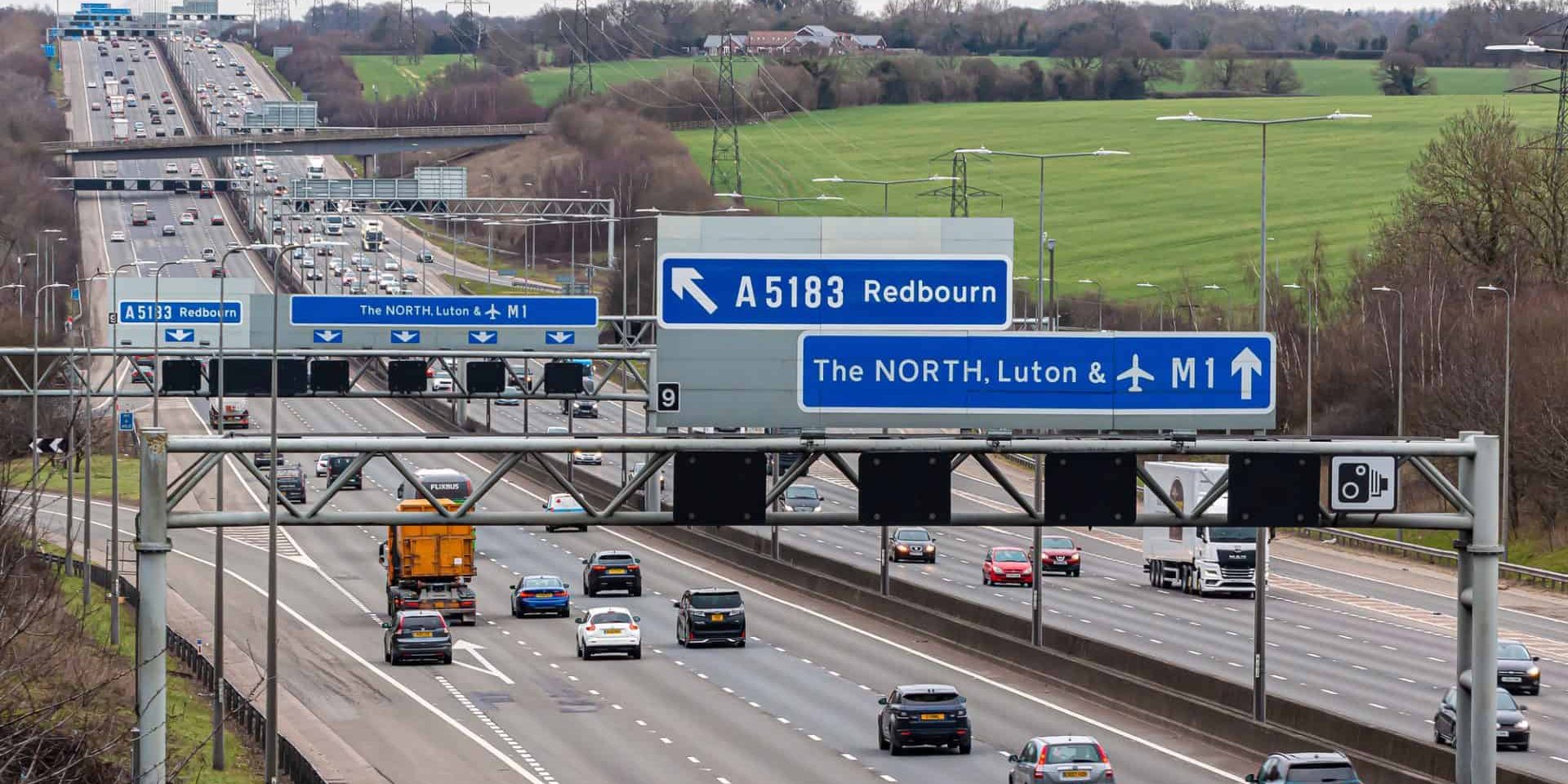
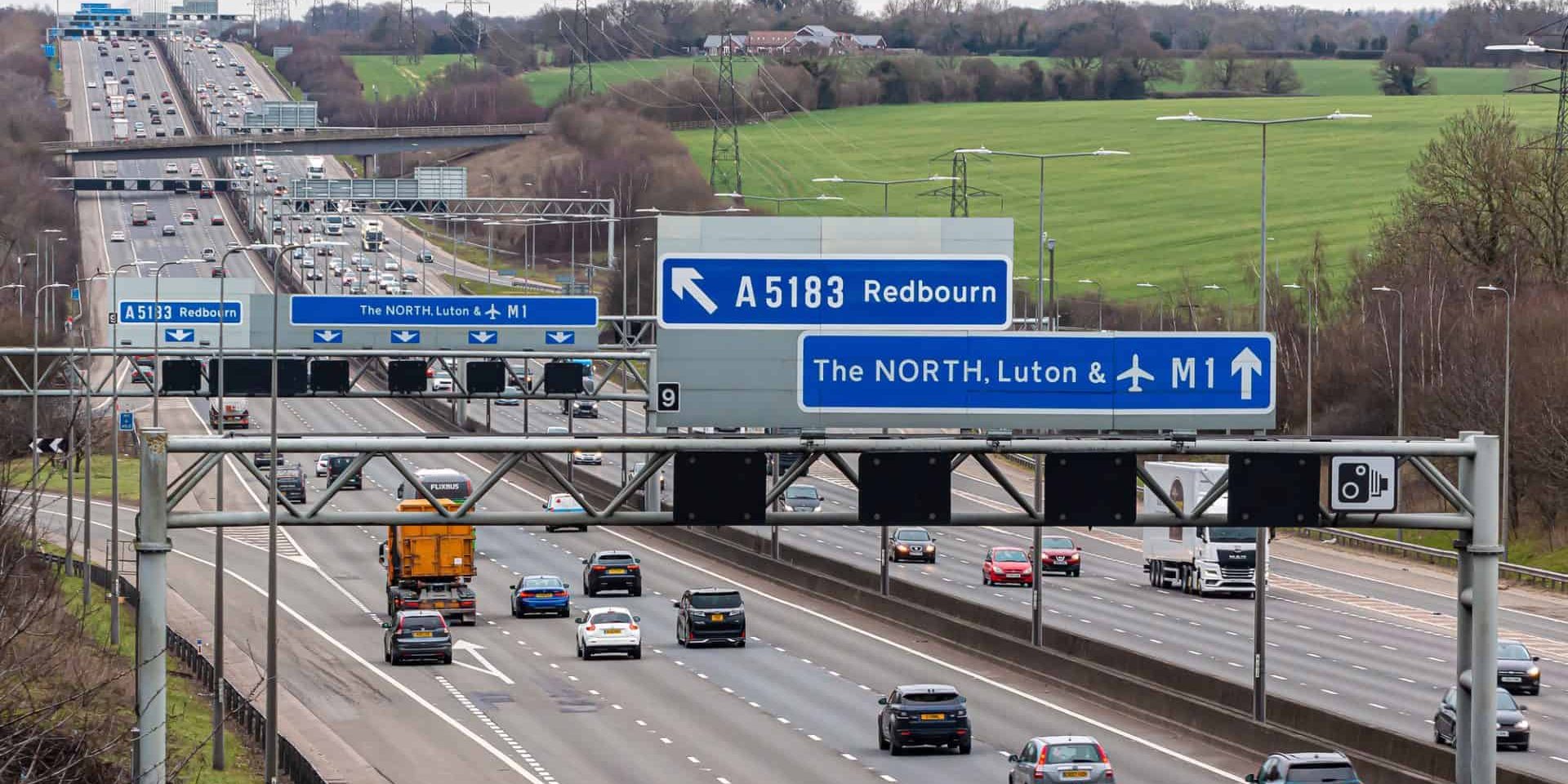
If you drive between 4.30pm and 5.30pm, you are on the road at the single most dangerous hour of the day. New analysis of collision data across 15 countries with high levels of car ownership found that this one hour accounts for around 9% of all daily crashes in the UK, more than any other 60-minute window.
The study, carried out by MoneySuperMarket, examined crash statistics from the UK alongside 14 other countries to establish exactly when drivers face the greatest risk. The consistent finding across most of the countries studied was that risk clusters tightly around the evening commute rather than spreading evenly across the day.
For a driver commuting five days a week, that single hour represents only around 6% of a typical working day but accounts for close to a tenth of all the collisions recorded nationally, a concentration of risk that is easy to underestimate when the roads feel no different to any other point in the afternoon.
Why 4.30pm to 5.30pm Is So Dangerous
The reasons will be familiar to anyone who has sat in traffic on the school run or the commute home. As the working day ends, roads fill with cars at the same time as pedestrians, cyclists and schoolchildren are also travelling, often in fading light for much of the year. Congestion brings more stop-start driving, more junctions to work through in quick succession, and more chances for a moment’s inattention to turn into a collision.
Alicia Hempsted, car insurance expert at MoneySuperMarket, said driving risk is not spread evenly through the day. “Rush hour is naturally one of the busiest times on the road, but it’s striking how many collisions are concentrated into such a short window,” she said, adding that the findings should encourage drivers to stay alert at the times when crashes are most likely to happen.
How Britain Compares With Other Countries
The UK was not alone in seeing its riskiest period fall in the late afternoon. Germany recorded its own peak between 4pm and 5pm, when 8.9% of daily crashes occurred, and Canada saw a similar pattern in its own data.
Not every country follows the same rhythm. In the United States, Japan and Taiwan, the morning commute proved more dangerous than the evening one, with the highest share of crashes falling between 7.30am and 8.29am. Italy’s most dangerous period fell later still, between 8pm and 9pm, while Greece recorded its highest concentration of collisions around midday, between 12pm and 1pm. The variation suggests that local commuting patterns, school run timing and daylight hours all shape when a country’s roads are at their most dangerous, rather than a single rush hour applying everywhere in the same way.
The Wider UK Pattern of When Crashes Happen
The finding sits alongside other UK road safety data pointing to a similar pattern. Separate analysis of speeding enforcement by the RAC found that collisions where excess speed was a factor are most common in the summer months and on Friday, Saturday and Sunday, when leisure traffic adds to the usual commuter flow. Combined with the 4.30pm to 5.30pm finding, a small number of predictable windows, the evening commute, weekend afternoons and summer weekends, together account for a disproportionate share of the crashes recorded across the whole year.
School run traffic adds another layer of risk in the danger hour, as many secondary school pick-up times overlap with the tail end of the working day, putting more child pedestrians and cyclists on residential streets at exactly the moment traffic volumes peak. Local authorities have responded in some areas with School Streets schemes that restrict motor traffic outside school gates at pick-up and drop-off times, though these remain concentrated in a minority of towns and cities rather than applying nationally.
What This Means for Your Driving and Your Insurance
For UK drivers, the concentration of risk in a single evening hour has practical consequences beyond the immediate danger of a crash. Insurers already price policies partly on the basis of when and how much a driver is on the road, and a driver whose daily commute regularly falls inside the riskiest hour could see this reflected in their premium, especially if they also drive through areas with heavy pedestrian or school traffic.
The average motor insurance premium stood at £560 in the first quarter of 2026, according to the Association of British Insurers, with insurers paying out £1.9 billion for vehicle repairs in the same three months. Claims linked to rush hour collisions, which tend to involve multiple vehicles at low speed in queuing traffic, form a significant part of that bill, and a claims history built up from driving in high-risk periods can push a policyholder toward a higher rating over time.
How to Reduce Your Risk in the Danger Hour
Drivers who can vary their journey times have a simple way to cut their exposure to the riskiest hour: leaving 20 or 30 minutes earlier, or later, than the peak window can mean lighter traffic and fewer other road users converging at junctions and crossings at the same moment. Where flexible timing is not possible, extra vigilance around school gates, pedestrian crossings and junctions between 4.30pm and 5.30pm can help offset the added risk the data highlights.
Drivers should also check their vehicle is in good condition before the evening commute. Worn tyres, weak brakes or faulty lights all reduce a driver’s margin for error at exactly the time when that margin counts most. Keeping headlights on in poor late-afternoon light, even when not legally required, can also make a car more visible to pedestrians and cyclists who are themselves moving through the same crowded hour, especially through autumn and winter when the 4.30pm to 5.30pm window falls after sunset.
Employers who run company vehicles or manage shift patterns could also factor the data into scheduling where possible, as staggering start and finish times can reduce the number of a fleet’s vehicles converging on the road network at its highest-risk hour. For families, building in a slightly earlier or later school pick-up where a school’s policy allows it can achieve much the same effect on a smaller scale.
Cyclists and Pedestrians Face the Same Window
The danger hour is not limited to people behind the wheel. Cyclists and pedestrians face greater exposure in the same 4.30pm to 5.30pm window, as they share the same junctions and crossings as the added traffic, often with less protection and, for much of the year, in the same fading light that makes drivers less able to spot them in good time. Anyone walking or cycling through this period, especially near schools or busy shopping streets, can reduce their own risk by using high-visibility clothing or lights, taking extra care at crossings rather than assuming a driver has seen them, and avoiding stepping out between parked cars where visibility for both parties is reduced.
Employers also carry a duty of care where staff drive for work, and the concentration of risk in a specific commuting window gives fleet managers a concrete reason to review whether journeys can be timed to avoid it, rather than treating rush hour risk as an unavoidable cost of doing business. A modest change to a delivery schedule or a shift handover time, applied across a whole fleet, can meaningfully cut a company’s total exposure to the hour when the data shows crashes are most likely. Even a small shift in timing, spread across dozens or hundreds of vehicles, adds up to a real reduction in how much traffic a business sends into the riskiest sixty minutes of the day.
Sources:
- Honest John: Most dangerous time to drive in the UK revealed
- MoneySuperMarket research, cited by Honest John
- Association of British Insurers: Motor premium and claims data, Q1 2026

Leave a Comment
More in News
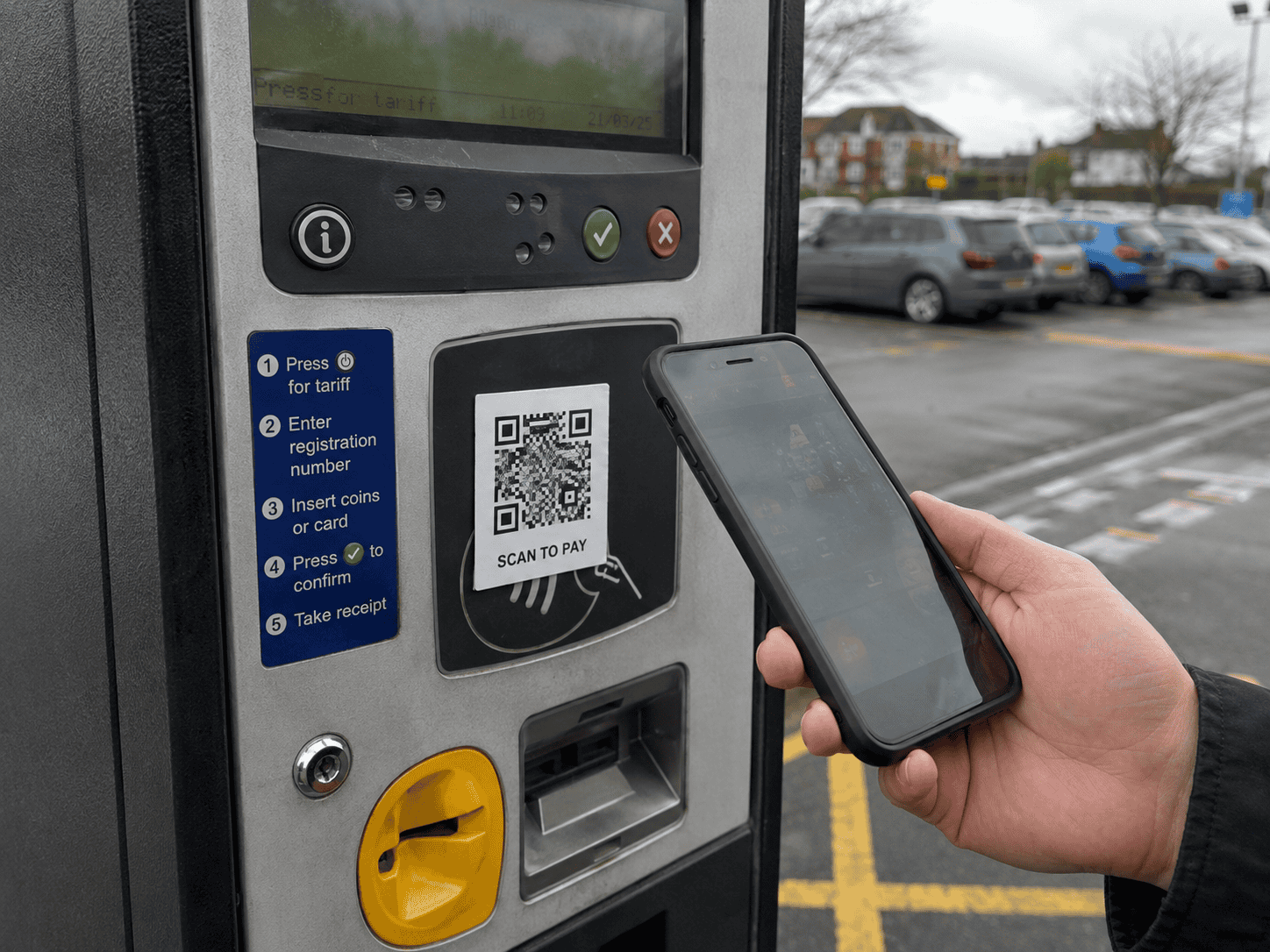
Edinburgh Drivers Paid £46.6 Million in Parking Income, Up 46 Percent in Three Years
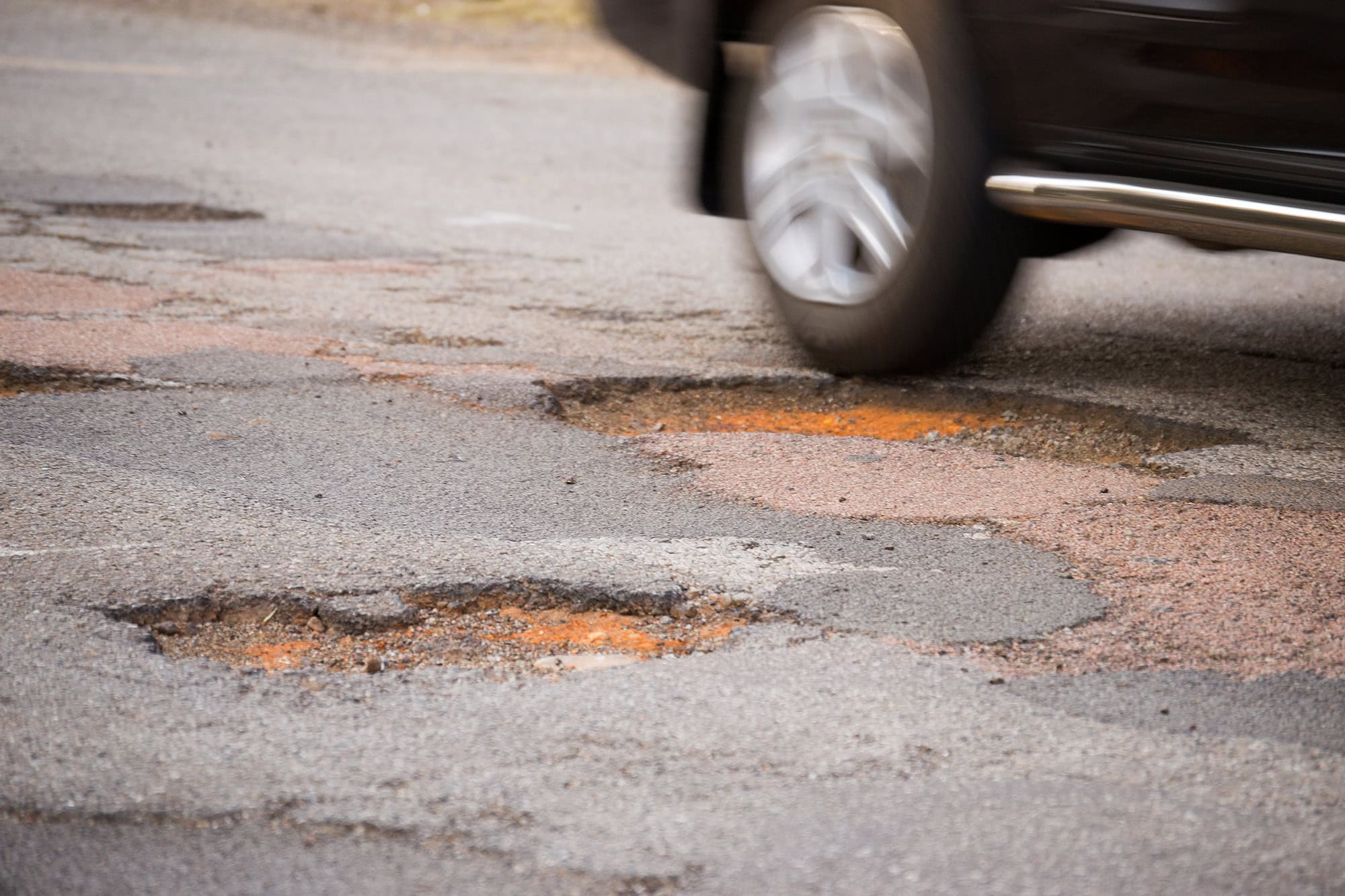
Drivers Claimed £10.2 Million for Pothole Damage but County Councils Paid 6%, Quotezone Shows
Car Insurance Bills Rose by £8 This Quarter as a Two-Year Price Drop Ends

Garage Complaints to the Motor Ombudsman Jumped 22 Percent as Payouts Hit £4,308

How Cap HPI Data Shows Some Used Electric Cars Losing 29 Percent of Value
Trending on Motoring Chronicle

Kia PV5 Passenger Beats Official Range with 260 Miles in Independent EV Test

Smoke Returns to NASCAR, Tony Stewart Joins Ram’s Free Agent Program With Kaulig Racing at Daytona Truck Race

Ferrari Unveils 849 Testarossa Spider

All-New 2026 Subaru Solterra EV Debuts Updated Styling, Additional Range, Upgraded Performance and Added Tech [Photo Gallery]
