The Government Wants To Test Your Eyes At 70, Fit Breathalysers To Cars And Lower The Drink Drive Limit
Two government consultations that could reshape driving in Britain close at 11:59pm on Monday 11 May, 2026. Between them, they propose mandatory eyesight tests for every driver over 70, alcohol interlock devices fitted to the cars of repeat drink-drivers, and a reduction in the legal drink-drive limit from 80mg to 50mg of alcohol per 100ml of blood. If any of these proposals become law, millions of drivers will be directly affected.
The consultations were launched on 7 January 2026 and have been open for public comment for four months. Today is the final day to respond. After the deadline passes, the government will review all submissions and publish a summary of responses within three months. What follows after that is a decision on whether to proceed with legislation.
Here is what each proposal involves, what the evidence behind it says, and what it would mean for you.
Mandatory Eyesight Tests For Drivers Over 70
Under the current system, drivers in Great Britain must renew their driving licence when they turn 70 and at most every three years after that. To renew, they make a legal self-declaration that they can meet the eyesight standards required to drive and confirm whether they have any listed medical conditions. There is no independent test. The driver simply confirms that their vision is adequate, and the licence is renewed.
The Department for Transport is consulting on replacing this self-declaration with mandatory eyesight testing as part of the renewal process. The consultation document describes vision as a critical component of safe driving and states that ensuring older drivers can meet the minimum standards required for driving directly addresses a key factor in road safety.
The government’s own road casualty data supports the case. According to the older driver factsheet published by the Department for Transport in September 2025, covering data from 2020 to 2024, the most common road safety factor assigned to older car drivers involved in fatal or serious collisions was “ineffective observation by the driver,” recorded in 33 per cent of cases. That compares to 23 per cent for drivers of other ages. Older drivers were also significantly more likely to have illness or disability recorded as a contributing factor, at 11 per cent compared to 2 per cent for other age groups.
In 2024, older car drivers accounted for 24 per cent of all car driver fatalities despite representing a much smaller share of total miles driven. The casualty rate per billion miles driven rises sharply for drivers over 70 and increases further for those over 80.
The consultation does not specify exactly how the tests would be administered or who would conduct them. It asks for views on the principle of moving away from self-declaration and on how mandatory testing could be introduced alongside the existing licence renewal process.
For the roughly five million drivers over 70 currently holding a licence in Great Britain, this would be the most significant change to the renewal process since it was introduced. For drivers approaching 70, it would mean planning for a formal eye test as part of keeping their licence.
Alcohol Interlock Devices For Repeat Drink Drivers
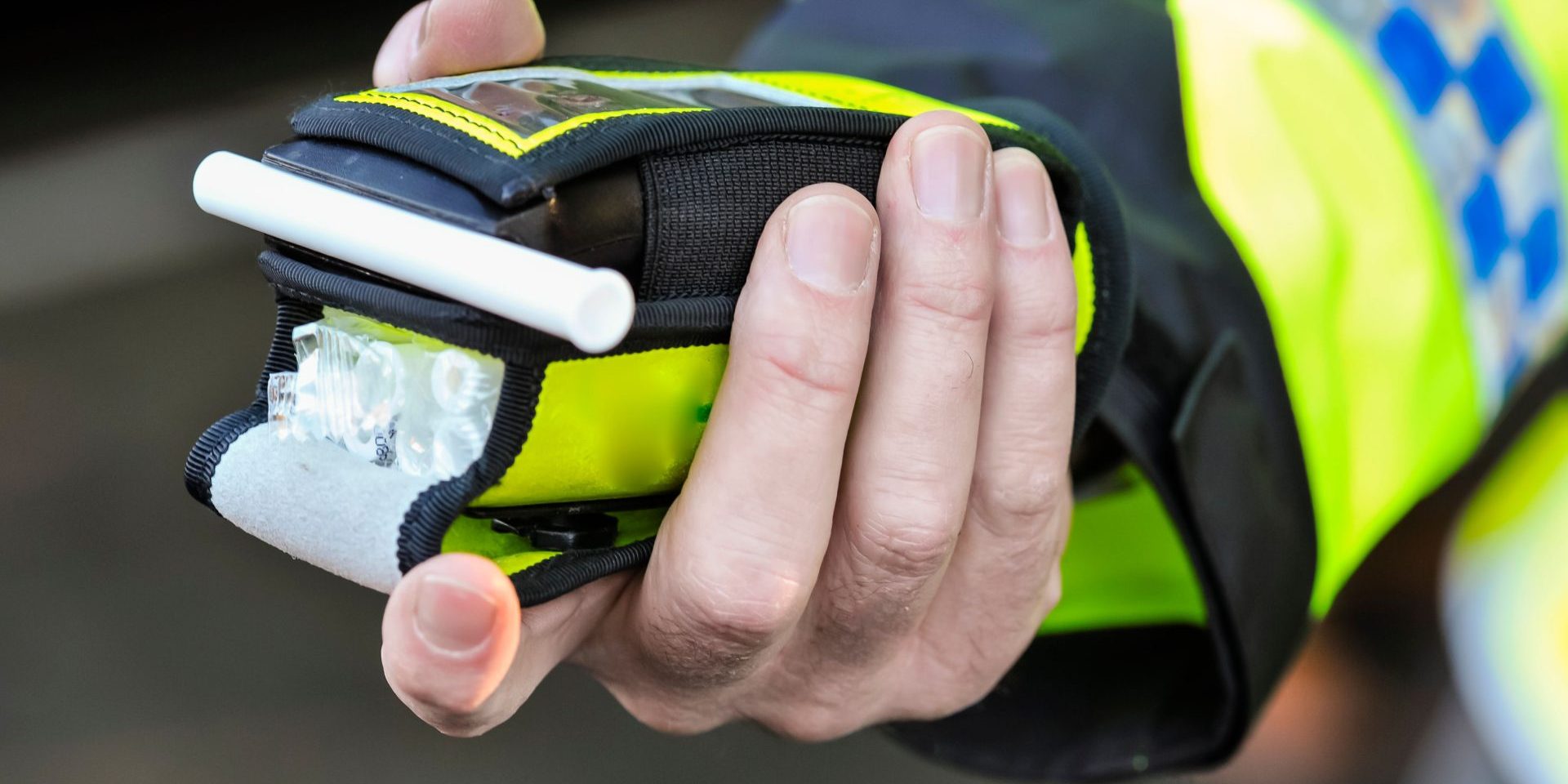
The second consultation, covering proposed changes to penalties for motoring offences, includes a proposal to allow courts to fit alcohol interlock devices, known as alcolocks, to the vehicles of convicted drink-drivers as part of their rehabilitation.
An alcolock prevents a vehicle from starting if the driver has alcohol on their breath above a set level. The driver must blow into a device connected to the ignition system before the engine will start. If alcohol is detected, the car will not move.
The technology is already widely used in America, Canada, Australia, New Zealand and across Europe. The Road Safety Act 2006 included legislation to enable alcolocks in the UK, but it was subject to a sunset clause that expired before the devices could be introduced. This consultation proposes bringing them back.
The evidence on effectiveness is mixed but broadly positive while the devices are installed. A 2017 synthesis of international studies examining alcolock programmes found that they are effective at reducing drink-drive reoffending for as long as they remain fitted. However, the same research found that once the devices were removed, reoffending rates returned to levels similar to those of offenders who had never had an alcolock fitted. That is a significant caveat and one the consultation document itself acknowledges.
Research commissioned by the Department for Transport and carried out by the Parliamentary Advisory Council for Transport Safety found that 44 per cent of drug driving offences committed between 2010 and 2019 were committed by someone with a previous drink or drug driving conviction. The scale of repeat offending is one of the primary drivers behind the alcolock proposal.
RAC research has found that 82 per cent of drivers support the introduction of alcolocks to prevent drink-driving. The consultation asks whether alcohol interlock devices should be allowed as part of a drink-drive rehabilitation process.
Lowering The Drink Drive Limit
The same consultation proposes reducing the legal drink-drive limit in England and Wales from 80mg of alcohol per 100ml of blood to 50mg. This would bring England and Wales into line with Scotland, which lowered its limit from 80mg to 50mg in December 2014. Northern Ireland is also planning to reduce its limit to 50mg in the near future.
The current limit of 80mg is one of the highest in Europe. Most EU countries operate at 50mg or lower. The UK has maintained the 80mg limit since it was first introduced in 1967.
To put the numbers in practical terms, at the current 80mg limit, some adults can drink roughly one to one and a half pints of standard-strength lager and remain under the limit, though this varies significantly depending on weight, metabolism, food intake and other factors. At 50mg, even a single pint could push a lighter person over the threshold. The effect would not be a ban on drinking before driving, but it would significantly narrow the margin.
The consultation document cites research by Professor Richard Allsop, published in 2015, estimating that a reduction from 80mg to 50mg would save around 25 lives and prevent approximately 95 serious injuries per year in Great Britain. The North Review, commissioned by the government, estimated that the first year after implementation could see between 43 and 168 lives saved.
However, the consultation also notes that Scotland’s experience after lowering its limit was complicated. An academic study found no significant reduction in casualties following the change. The study did find that the lower limit appeared to strengthen public attitudes against drink-driving and reinforce the behavioural message of not drinking before driving, but concluded that any reduction in the legal limit must be supported by stronger enforcement to achieve measurable results.
The consultation also asks whether there should be an even lower limit for novice drivers, reflecting evidence that younger and less experienced drivers are at greater risk of collision at any blood alcohol level.
What Else The Motoring Offences Consultation Covers
The drink-drive limit and alcolock proposals are part of a much broader review. The same consultation also seeks views on penalty points for not wearing a seat belt, increased penalties for failure to stop and report a collision, powers to suspend the driving licences of those arrested for drink or drug driving before their court date, powers to seize vehicles from those arrested for drink or drug driving, random breath testing at police checkpoints in England and Wales (mirroring powers already available in Northern Ireland), and increased penalties for driving unlicensed, uninsured or with false number plates.
The consultation describes this as the first comprehensive review of the Road Traffic Act 1988 and the Road Traffic Offenders Act 1988 since they became law.
What Happens Next
Both consultations close at 11:59pm tonight. After the deadline, the Department for Transport will review all responses. A summary of submissions and the government’s next steps will be published within three months of the closing date.
If you want to respond, the eyesight testing consultation is available on GOV.UK at gov.uk/government/consultations/introducing-mandatory-eyesight-testing-for-older-drivers. The motoring offences consultation is at gov.uk/government/consultations/proposed-changes-to-penalties-for-motoring-offences. Both can be completed online.
Any proposals that proceed would require new legislation and parliamentary approval before becoming law. There is no confirmed timeline for implementation. But the direction of travel is clear: the government is actively considering significant changes to how drivers are tested, how drink-driving is punished, and how much you can legally drink before getting behind the wheel.
If any of these proposals affect you, tonight is your last opportunity to tell the government what you think.
Sources:
- GOV.UK, Introducing mandatory eyesight testing for older drivers
- GOV.UK, Proposed changes to penalties for motoring offences
- GOV.UK, Reported road casualties in Great Britain: older driver factsheet, 2024
- RAC, Drink driving in the UK
- Autocar, Lower drink drive limit, new test for OAPs and harsher punishments

Leave a Comment
More in News

America Is Investigating This Engine. Britain Has Not Recalled One Car

Why Connecticut Drivers Cruising in the Left Lane Now Face an $88 Fine

Hurricane Isaias Flooded Thousands of Cars That Could Reach Used Lots

Gas Prices Jump to $4.36 a Gallon as the National Average Rises 40 Percent in a Year

NHTSA Recalls Over 346,000 Vehicles From Ram, Ford, VW and Land Rover
Trending on Motoring Chronicle

Trump Scraps Climate Endangerment Finding, Ends ‘Disastrous Obama Era Policy’
Half of Drivers Back £100 Fines for Misusing Parent and Child Parking Bays
Millions of Drivers Owe More Than Their Car Is Worth as Used Values Tumble

Cars in Some UK Postcodes Are Twice as Likely to Fail Their MOT