
How to Spot a Rolled-Back Odometer Before You Buy a Used Car
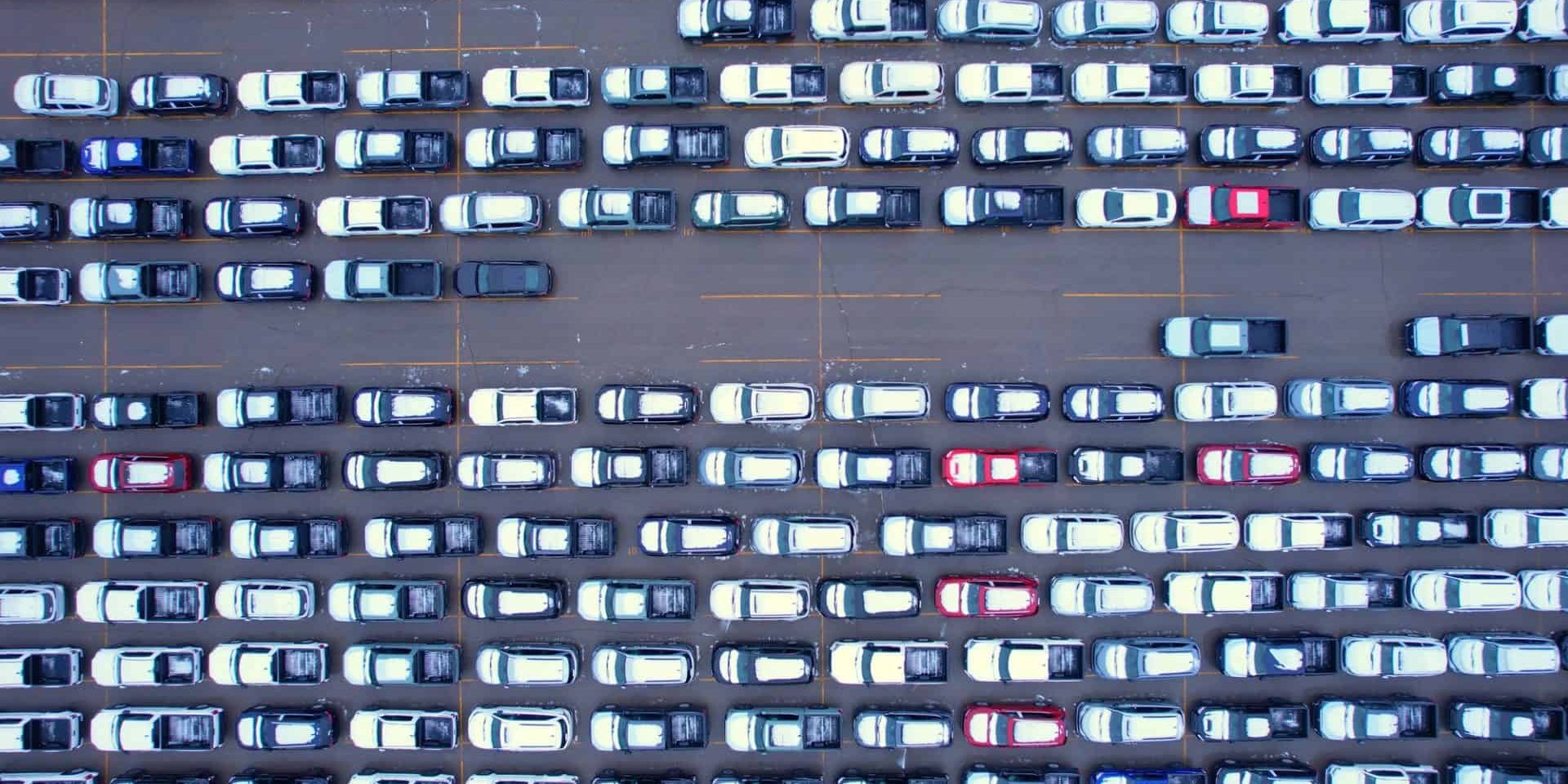
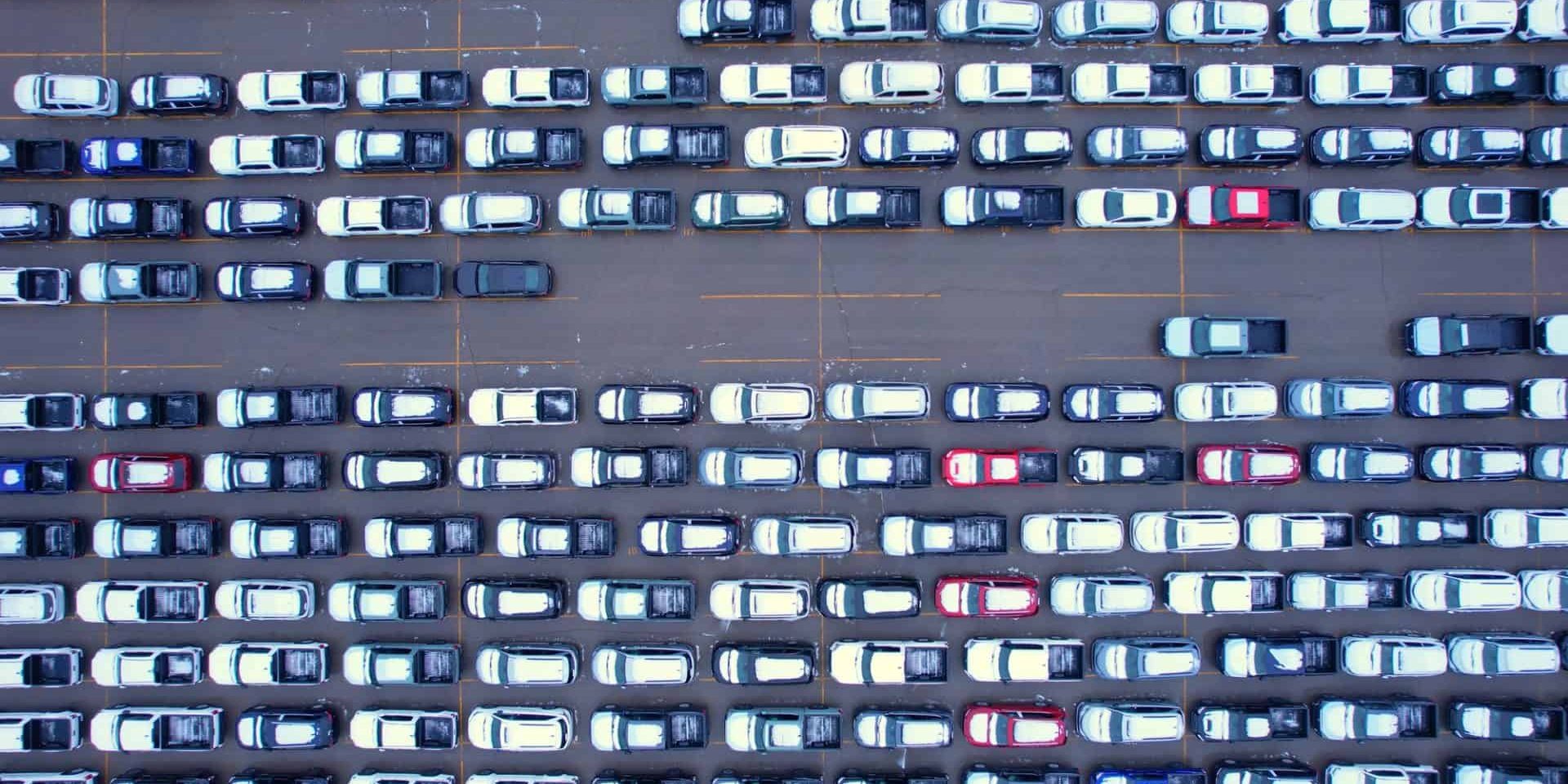
The mileage reading on a used car is supposed to be one of the few hard facts a buyer can trust. It tells you how much life a vehicle has left and helps set a fair price. Yet an estimated 2.45 million vehicles on United States roads are now suspected of carrying rolled-back odometers, a 14 percent jump from a year earlier, according to vehicle history company Carfax. Buyers who unknowingly purchase one of these cars lose about $3,300 on average, and that figure does not count the repair bills that follow when a car has covered far more miles than the dashboard claims.
Odometer fraud is rising because the tools to commit it have become cheap and easy to use. The protection has not kept pace, which puts the responsibility on buyers to check carefully before handing over money. Here is how the scam works, what red flags to look for, and the specific steps that stop you from paying for miles that were quietly erased.
Why Odometer Fraud Is Surging
For decades, rolling back a mechanical odometer meant physically tampering with a set of spinning number wheels, which often left telltale marks. Modern cars store mileage digitally, and that has made the crime faster and harder to spot. Scammers can change a vehicle’s electronic odometer reading in seconds using inexpensive, widely available digital tools that plug into the car. There are no scratched dials or misaligned digits to give the game away, just a clean screen showing a number that someone chose.
The financial incentive is obvious. Every 10,000 miles knocked off the reading can add hundreds or even thousands of dollars to a car’s apparent value, so a few minutes of tampering can turn into a large illicit profit. The Carfax data shows the problem spreading rather than shrinking, with sharp regional increases. Indiana, for example, recorded a 14 percent rise in suspected odometer fraud, and consumer warnings have gone out to drivers in states including Georgia, North Carolina and beyond as attorneys general and history-report firms track the trend upward.
Several forces are pushing the numbers higher at once. Used cars have held unusually high values in recent years, which raises the payoff for every mile erased. The shift to digital dashboards has removed the physical evidence that once exposed tampering. And a steady supply of plug-in tampering devices, sold openly online, has put the capability in the hands of anyone willing to break the law. Together those conditions explain why a crime that many buyers assume died out with mechanical odometers is instead at its highest level in years.
The Red Flags to Watch For
A rolled-back odometer rarely travels alone. The mileage on the dash should match the wear on the car. Be suspicious when a vehicle shows very low miles but has worn pedal rubber, a shiny or smooth steering wheel, sagging seats, or tires that look older or more worn than the reading suggests. A car claiming 40,000 miles should not be on its third set of tires.
Paperwork tells its own story. Check the mileage recorded on the title, on past registration and inspection documents, and on any service or oil-change records. Numbers that jump around, or a reading that is lower than a figure recorded years earlier, are a clear danger sign. Service stickers inside the door frame or under the hood often list a mileage that should rise steadily over time. Sellers who cannot produce service history, who are vague about the car’s past, or who pressure you to close the deal quickly all deserve extra caution, because urgency is a tactic used to stop buyers from checking.
Odometer rollback is also frequently bundled with other used-car scams. Title washing, where a salvage, flood or otherwise branded title is moved through another state to emerge looking clean, often travels with mileage fraud. Flood-damaged cars and fake online listings round out a set of tricks that together cost buyers thousands. A car that has been doctored in one way has often been doctored in another.
What To Do Before You Buy
The strongest protection is a vehicle history report combined with an independent inspection. Pull a report using the car’s VIN, which compiles the mileage readings recorded at title transfers, inspections and service visits over the vehicle’s life. A reading that drops at any point is the single clearest evidence of a rollback. The federal government also runs the National Motor Vehicle Title Information System, accessible through vehiclehistory.gov, which lets you confirm title and odometer data drawn from state records.
Next, have the car inspected by a mechanic you choose, not one the seller recommends. A professional can read the vehicle’s electronic control modules, which often store their own mileage data separate from the dashboard, and can spot wear that does not match the claimed figure. A diagnostic scan that shows a higher stored mileage than the odometer is powerful proof of tampering. Pay for this inspection before you buy, never after.
Buying from a reputable source lowers the risk but does not remove it. Franchised dealers and large used-car retailers face more oversight than anonymous private sellers and online listings, where much of the fraud originates, yet a doctored car can still slip into any inventory. The protections that count are the ones you control: the history report, the independent inspection and a careful read of the title. No seller’s reputation substitutes for confirming the numbers yourself.
Follow a few simple rules during the transaction. Never send money before seeing the car in person, and walk away from any seller who refuses an inspection, cannot provide service records, or pushes you to act fast. Confirm that the mileage written on the title matches the odometer and matches the history report. If the numbers do not line up, treat that as a deal-breaker rather than a detail to sort out later. Federal law also requires the seller to provide a written odometer disclosure on the title at the point of sale, so make sure that statement is completed and signed, and that the figure on it agrees with everything else you have checked.
If You Have Already Been Cheated
Odometer fraud is a federal crime as well as a violation of state law, and you have avenues for recourse if you discover after the fact that you bought a tampered vehicle. Report it to your state attorney general’s office, which handles consumer protection complaints, and to NHTSA, which tracks odometer fraud nationally. Keep every document from the sale, including the title, the bill of sale and any advertising, because that paperwork is the foundation of any claim.
Buyers who can show they were sold a car with a falsified reading may be entitled to damages under federal odometer law, which is one reason keeping records is so important. Consulting a consumer-protection attorney can help you understand whether you have a claim, and many handle such cases without an upfront fee.
The wider lesson is that the few minutes it takes to pull a history report and the cost of an independent inspection are small compared with the average $3,300 loss, and far smaller than the repair bills that arrive when a car has secretly driven tens of thousands of miles more than its dashboard admits. A car sold as a 50,000-mile vehicle that has really covered 120,000 miles is closer to the end of its timing belt, transmission and suspension life than the buyer believes, and the failures tend to arrive without warning. Treating the odometer as a claim to be verified rather than a fact to be trusted is the mindset that keeps you from paying for miles that someone else made disappear.
Sources:

Leave a Comment
More in News
What a Tyre Sealant Kit Actually Does (and How Far You Can Drive)
How to Tell If a Windscreen Chip Fails Your MOT (and Repair Cost)

What NHTSA’s Tesla Robotaxi Petition Over School Zone Speeding Means for You

Why Hyundai Is Telling 94,622 Genesis Owners to Park Outside

BMW Owners Have One Day Left to Claim This Shark Fin Antenna Payout
Trending on Motoring Chronicle

New HMRC Fuel Charges Are Now Live: What Every Company Car Driver Must Know

Pretty in pink: Bentayga now available in over 111 exterior colours [Photo Gallery]
Car Insurance Rates Are Rising in 32 States as the Average Hits $2,237

‘States of Endurance’ road trip across America honours the culture of McLaren
