
Every Electric Car Driver Without a Driveway Pays 20 Percent Tax From October 1
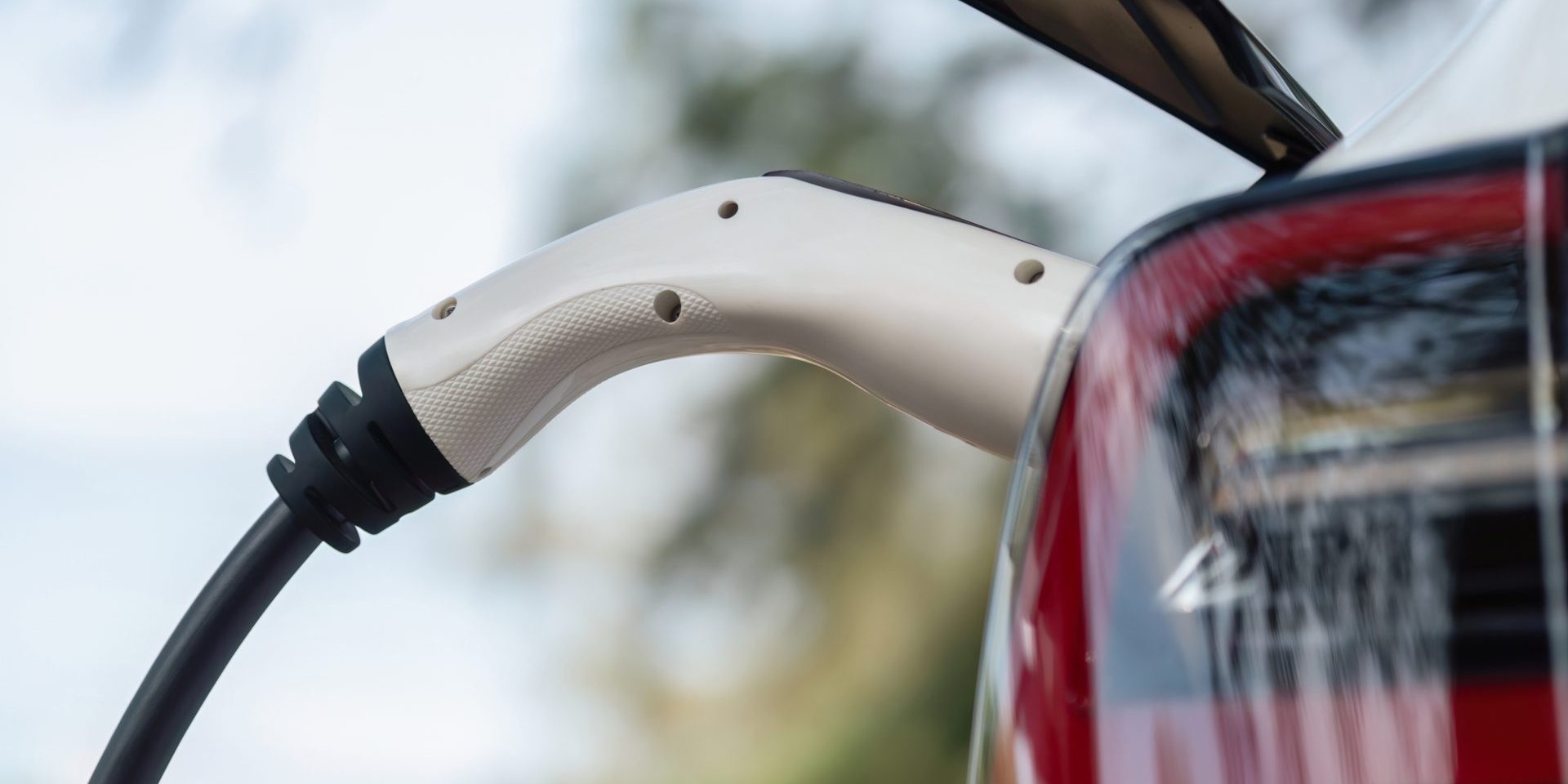

- Home electricity loses its 5 percent VAT charge from 1 October, but the 20 percent rate on public electric car charging stays exactly where it is.
- A driver who charges only on the public network already pays around four times more VAT a year than someone charging on their own drive, and that gap is about to get wider still.
- Roughly one in five of Britain’s electric car drivers has no home charger at all, and that share is expected to climb as more flats and terraced streets switch to electric.
The Tax Cut That Skips Millions of Electric Car Owners
From 1 October, the government is removing VAT from domestic electricity bills, a change confirmed by Prime Minister Andy Burnham as part of a package aimed at cutting household costs. For anyone who charges an electric car on their own driveway, that means the 5 percent VAT currently added to every kilowatt hour disappears completely. For the estimated one in five electric car drivers who rely on public chargepoints, parking on the street, in a flat or without off-road parking, the change makes no difference at all. Public charging will keep the standard 20 percent VAT rate, four times what home chargers will now pay.
The result is a tax system that hands one group of drivers a discount worth real money every year while leaving another group, often people who rent or live in terraced housing without a drive, paying the higher rate for identical electricity used for the identical purpose.
How Much the Change Is Actually Worth
According to analysis by Zapmap, a driver with a home charger paid an estimated £48 a year in VAT on their electricity in 2025, while a driver with no home charger paid £194, more than four times as much, purely down to where they plug in. Once the home rate drops to zero from October, that gap does not close. It widens: the home charging driver’s VAT bill falls to nothing while the public charging driver’s £194 stays exactly where it is.
Auto Express calculated the saving using the current energy price cap of 26.11 pence per kilowatt hour. A driver charging a Tesla Model Y, Britain’s best selling electric car, at that rate would save around 78 pence per charge once VAT is removed, working out to roughly £17.64 a year based on typical annual mileage. A driver charging overnight on a cheaper off-peak tariff of around 8 pence per kilowatt hour would save closer to 24 pence per charge, or about £5.43 a year. Small sums individually, but multiplied across the roughly 1.1 million UK electric car drivers who do have a home charger, according to Zapmap’s EV Charging Survey, it adds up to tens of millions of pounds a year in tax relief that simply is not available to drivers without a drive.
Public charging costs are already higher before tax is even added. Zapmap’s Price Index put the average cost of rapid and ultra-rapid public charging at 77 pence per kilowatt hour in August 2026, compared with typical off-peak home rates of well under 10 pence. Add a 20 percent VAT rate on top of that higher price, rather than the 5 percent rate that used to apply at home, and the total cost gap between charging on a driveway and charging on the street becomes stark.
Who Gets Left Paying the Higher Rate
Zapmap’s data shows around 80 percent of Britain’s battery electric car drivers had a home charger at the end of 2024, meaning roughly one in five did not. That is not a small or shrinking group. Zapmap’s own forecasts assume the share of new electric car buyers without access to home charging will grow to 24 percent by 2030, as adoption spreads beyond driveway owning suburbs into flats, terraced housing and streets with no off-road parking. Campaign group EVA England has pointed out that these are disproportionately the drivers who can least absorb an extra cost, and who are often already paying more for the electricity itself before tax is added.
Vicky Edmonds, chief executive of EVA England, said cutting VAT on household energy bills was welcome for drivers who charge at home, but warned that millions of EV drivers without a driveway will not fully benefit, as they lack easy access to home charging. John Lewis, chief executive of charging firm char.gy, went further, saying the new policy “throws the unfairness of the current VAT system into even sharper focus.” Drivers who rely on public charging, often without a driveway of their own, will still pay 20 percent VAT “for exactly the same electricity.”
Why Public Charging VAT Has Not Been Touched
A Treasury spokesperson told Auto Express that the domestic VAT relief was not specifically designed for electric car charging but applies to all household energy use, as energy companies cannot separate out electricity used to charge a car from electricity used to run a kettle or a washing machine. Equalising VAT on public charging down to 5 percent would cost the Treasury an estimated £85 million in the 2025 tax year, rising to £143 million by 2027 and £315 million by 2030, according to Zapmap’s modelling, a bill ministers have so far declined to take on.
The government has said it is reviewing the cost of public electric car charging, looking at energy prices and other cost pressures, with results expected later this year. Any announcement on public charging VAT specifically would most likely come at the Autumn Budget from Chancellor John Healey, though nothing has been confirmed.
How the Tax Gap Compares to Filling Up with Petrol
To put the numbers in context, fuel duty and VAT together already make up a large slice of what a petrol or diesel driver pays at the pump, so drivers switching to electric were promised a simpler, cheaper tax bill overall. The reality for anyone without a driveway is closer to the old system than the pitch suggested. A driver paying 77 pence per kilowatt hour on a public rapid charger, with 20 percent VAT built into that price, is paying a tax rate on their electricity that a driver on a home tariff, paying nothing in VAT from October, will never see on their bill again. The pound-for-pound saving from switching to electric is still real for most drivers, but it depends heavily on where you are able to plug in, not just what car you are driving.
What You Can Do If You Cannot Charge at Home
If you do not have a driveway, a few practical steps can reduce how much of the gap you end up paying. Check whether your workplace offers charging: many employer schemes now include free or subsidised electricity that sidesteps the public VAT rate entirely. Look into lamp post or on-street charging schemes run by your local council, which are being rolled out in more areas and sometimes undercut standard public network prices. Compare tariffs across public charging networks using a tool like Zapmap’s own price index. The gap between the cheapest and most expensive rapid chargers in the same postcode can be significant even before VAT is applied. And if the fairness of the system frustrates you, campaign groups including FairCharge and EVA England are actively lobbying the Treasury ahead of the Autumn Budget and welcome contact from affected drivers.
Sources:

Leave a Comment
More in News

What a New DVLA Eyesight Test Could Mean for 6 Million Older Drivers

Which? Finds Loyal Breakdown Cover Customers Now Pay Up to 77 Percent More
DfT Data Shows Police Recorded Speed in 52 Percent of 2025 Fatal Crashes
Driving at 70mph Instead of 60 Costs Every Driver 9 Percent More in Fuel
DVLA Data Shows Cloned Number Plates Rose 54 Percent as Drivers Fight Fake Fines
Trending on Motoring Chronicle

What Does S Mean on a Gear Shift?
UK Drivers’ Car Insurance Costs Rise 4.3 Percent a Year, ONS Confirms
Why Driving Test Waits Rose Even as DVSA Ran a Record Number of Tests

X Marks the Spot: INEOS Grenadier Trialmaster X Goes on Sale from £75,195
