
Volkswagen ID. Cross Orders Open at £30,260 With £1,500 Grant on 52 kWh Cars


- Volkswagen opens orders for the ID. Cross on Thursday 19 November, with the 52 kWh Life at £30,260 and the Style at £33,675.
- Both 52 kWh versions qualify for the £1,500 Electric Car Grant, while the 37 kWh cars from £26,985 arrive in January 2027 with their grant status still to be confirmed.
- Volkswagen quotes up to 265 miles of WLTP range, a 475-litre boot and a 1,200 kg towing limit for the compact electric SUV.
What a £30,260 Electric SUV Costs and Where the £1,500 Grant Fits
Volkswagen takes orders for the ID. Cross from Thursday 19 November. The Life with the 52 kWh battery and 211 PS costs £30,260, and the Style with the same powertrain costs £33,675. Both are on-the-road recommended retail prices including VAT.
The government’s Electric Car Grant takes £1,500 off each of those cars. Buyers do not apply for it: under the grant rules the seller includes the discount in the purchase price, a process covered in the guide to how the electric car grant works. Simple subtraction puts the Life at £28,760 and the Style at £32,175, a sum that holds only if the seller applies the discount to the figures above. Ask the dealer whether a quoted price is before or after the grant, as the two differ by £1,500.
The cheaper cars wait. The 37 kWh Life at £26,985 and the 37 kWh Style at £30,400 go on sale in January 2027, at least six weeks after orders open on the 52 kWh cars. Their grant status is expected to be confirmed soon.
Four Versions, Two Batteries and a £3,275 Gap
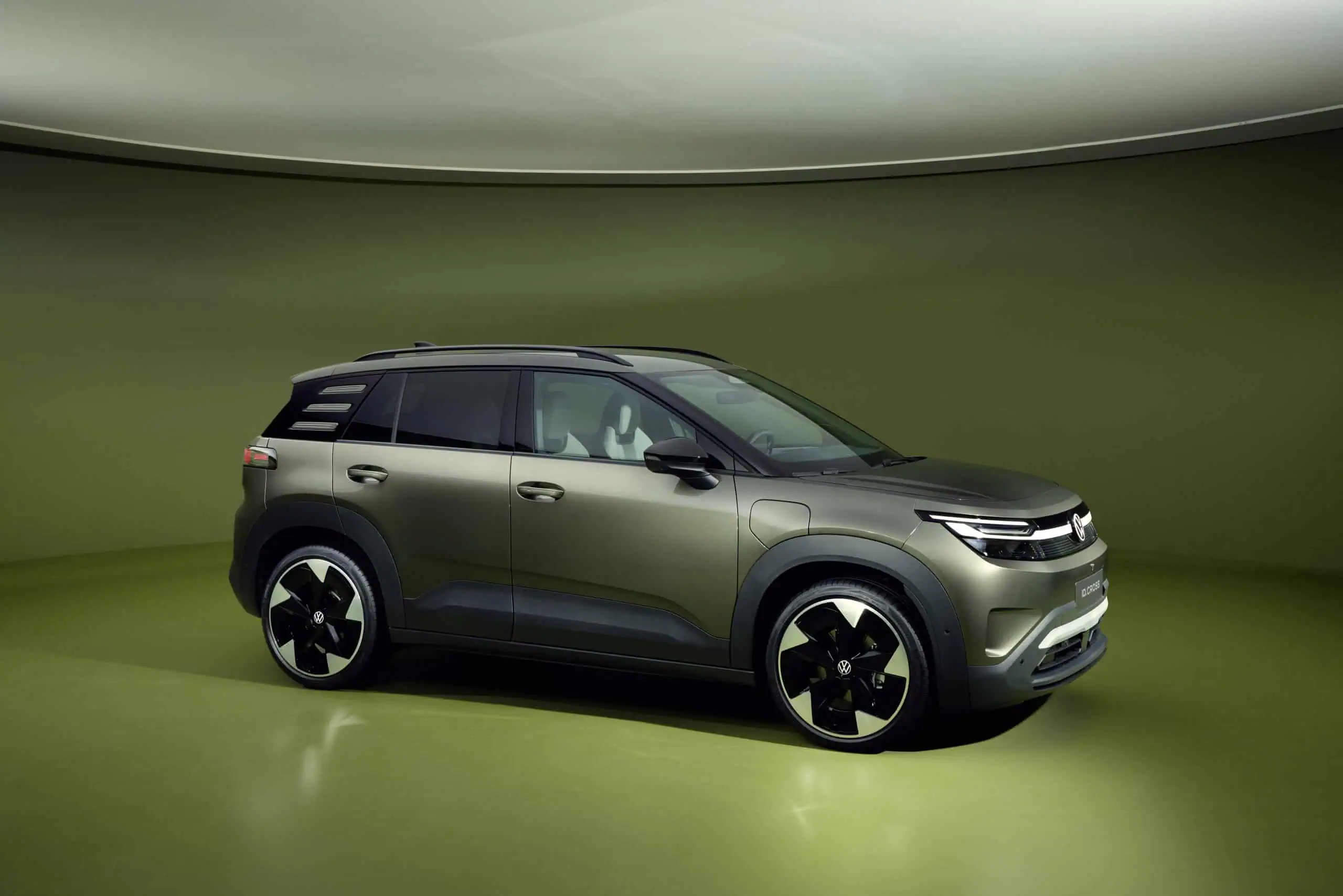
The ID. Cross comes in two trims, Life and Style, each with a choice of battery. The smaller 37 kWh pack comes with 135 PS. The 52 kWh pack comes with 211 PS, which is 76 PS more.
Choosing the larger battery adds £3,275 on either trim: £30,260 against £26,985 for the Life, and £33,675 against £30,400 for the Style. The step from Life to Style costs £3,415 on either battery.
That £3,275 buys 71 miles of extra WLTP range: Volkswagen quotes 265 miles for the 52 kWh car and 194 miles for the 37 kWh car. Spread across those miles, the larger battery costs about £46 for each additional mile of quoted range, before any grant. Buyers who rarely leave town and can wait until January have the lower price. Buyers who want the first cars, and the faster charging that comes with the bigger pack, pay the premium.
How the £1,500 Grant Works for ID. Cross Buyers
The Electric Car Grant works in bands and covers cars priced at £37,000 or below. The most expensive ID. Cross, at £33,675, sits £3,325 under that ceiling.
GOV.UK lists the ID. Cross in Band 2, where the maximum discount is £1,500, and its list does not split the car by battery size. Band 1 pays up to £3,750, a gap of £2,250, and takes in the Kia EV4, Nissan Leaf, Renault 4 and the 52 kWh Renault 5. Drivers comparing the two bands can read about the Kia EV4’s full £3,750 grant at the top of the scale.
Band 2 is crowded. The same list names the ID.3, ID.4, ID.5 and ID. Polo from Volkswagen, along with the Skoda Elroq and Epiq, the Cupra Raval and the Vauxhall Frontera Electric. ID. Polo orders opened on 30 July from £23,945, and the ID. Cross follows it and the ID. Polo GTI as Volkswagen’s newest compact electric model.
To qualify, a car must be an M1 passenger vehicle with no tailpipe emissions, a battery range of at least 100 miles, a warranty of 3 years or 60,000 miles and a battery warranty of 8 years or 100,000 miles, and it must meet the minimum sustainability criteria. Manufacturers and dealerships claim the money through an online portal, so the buyer has no form to fill in.
Range and Charging Figures From Volkswagen
Volkswagen quotes a WLTP combined range of 265 miles for the 52 kWh car and 194 miles for the 37 kWh car. The larger pack charges at up to 105 kW and the smaller at up to 88 kW, a difference of 17 kW. The maker’s best time for a 10 to 80 per cent charge is 23 minutes.
Boot, Towing and Daily Use
The ID. Cross sits on Volkswagen’s front-wheel drive MEB+ platform and measures 4,153 mm long, about the footprint of the T-Cross. It seats five. The boot holds 475 litres, which is 20 litres more than the petrol T-Cross offers with its rear bench slid fully forward, so that car’s figure works out at 455 litres. Folding the rear seats lifts the volume to 1,345 litres, an extra 870 litres. A 25-litre frunk adds a further compartment.
Towing is rated at up to 1,200 kg. The tow bar is removable and stores in the boot. The tow bar takes a 75 kg load, which Volkswagen pitches at a bike rack carrying e-bikes, and the roof takes a further 75 kg for a roof box. Vehicle-to-load capability lets the high-voltage battery run e-bikes and power tools.
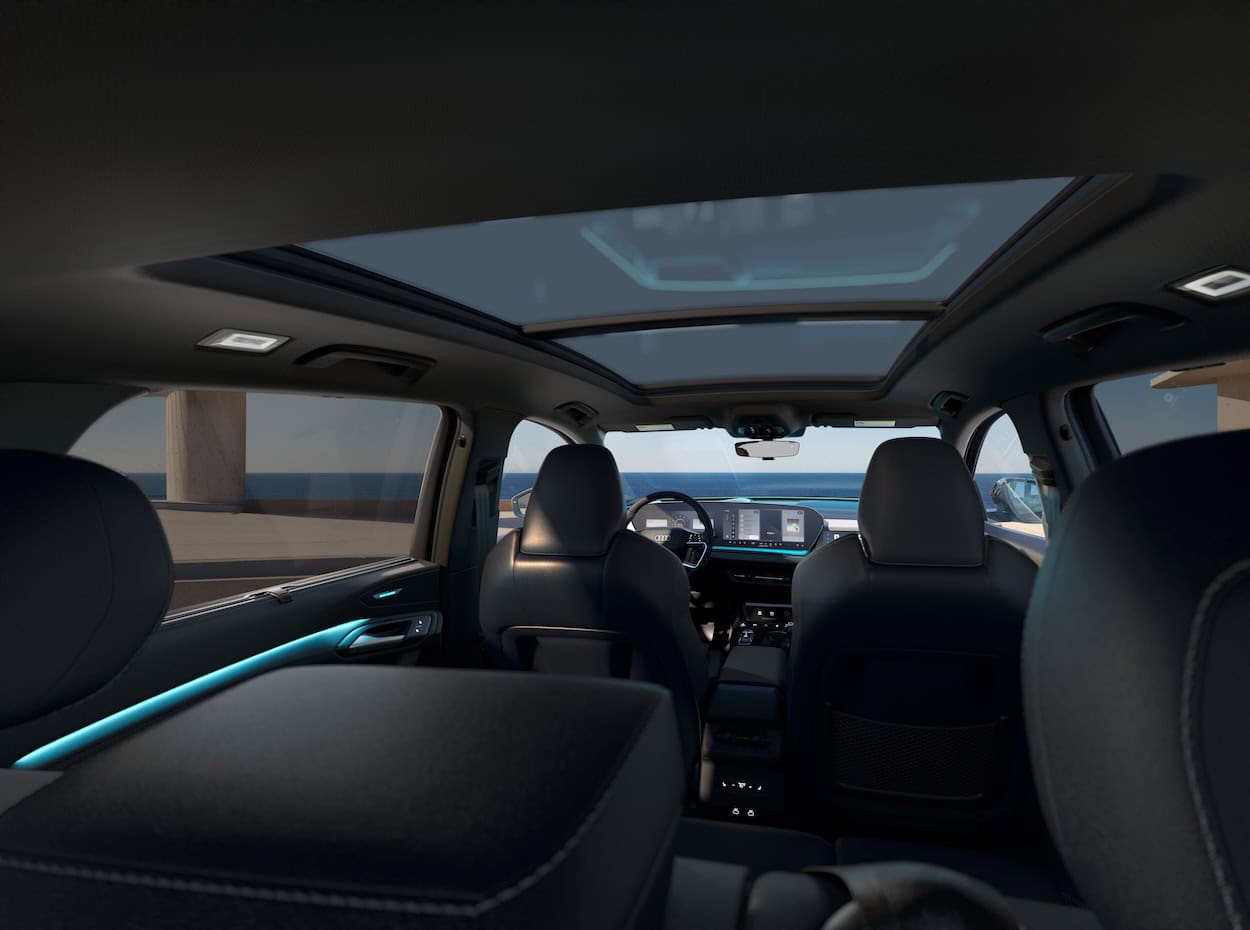
What each car carries depends on the specification, with some items standard and others optional. A smartphone can park and manoeuvre the car through Park Assist Pro, which has a memory function, and 360-degree Area View covers the surroundings. Connected Travel Assist includes traffic lights recognition, and the accelerator alone handles one-pedal driving. The driver faces a 10.25-inch Digital Cockpit Pro display, and a 12.9-inch screen handles infotainment, and cars specified with the IQ.LIGHT matrix headlamps get 3D LED rear lights with illuminated crossbars to match. Options run to a Harman Kardon sound system, electric front seats with massage, a panoramic roof and cockpit displays that recall early Golfs.
Want more car content? Add us as a preferred source on Google to your favourites list for the best automotive news and analysis on the internet.
If you enjoyed this article, be sure to follow us on Microsoft Start.
Reviewed by Preetam Gadekar

Leave a Comment
More in News

Woman wins a car on the ‘Price Is Right.’ Then she tries to take it home
NHTSA Probes Chicco Fit360 Seats After 5 Reports of Chest Clips Breaking

DVSA Pulled 288 MOT Testers and 145 Garage Authorisations, Down 6 Percent
Every Driver Must Switch Fog Lights Off When Visibility Improves, Rule 236 Requires

DVSA Plans a Drone Fraud Lab and 10% More MOT Fraud Cases in Court
Trending on Motoring Chronicle

How a Bristol Garage Passed 223 Untested Cars and Banked £11,428 in Bribes

Hyundai KONA Electric Now Qualifies for Full £3,750 Government Grant

BookMyGarage Data Shows Drivers Now Pay £425 to Fix a Failed MOT

Rolls-Royce Spectre Inspired by Primavera: a springtime vision to carry into the year ahead [Photo Gallery]
