Why TfL’s New Radar Speed Cameras Defeat Every App That Warns UK Drivers
- Transport for London and the Metropolitan Police have started installing a new generation of speed camera at up to 10 sites across nine London boroughs, using radar and a 4K camera instead of a flash or road markings.
- The new cameras need no painted lines, no sensors buried in the road and no visible flash, and each one can cover up to five lanes of traffic in both directions, compared with three lanes for existing spot cameras.
- Drivers who rely on sat-nav or app warnings to spot cameras in advance get no notice this time: those databases are built around visible markers this camera does not have.
What Driving Past One of London’s New Speed Cameras Actually Looks Like Now
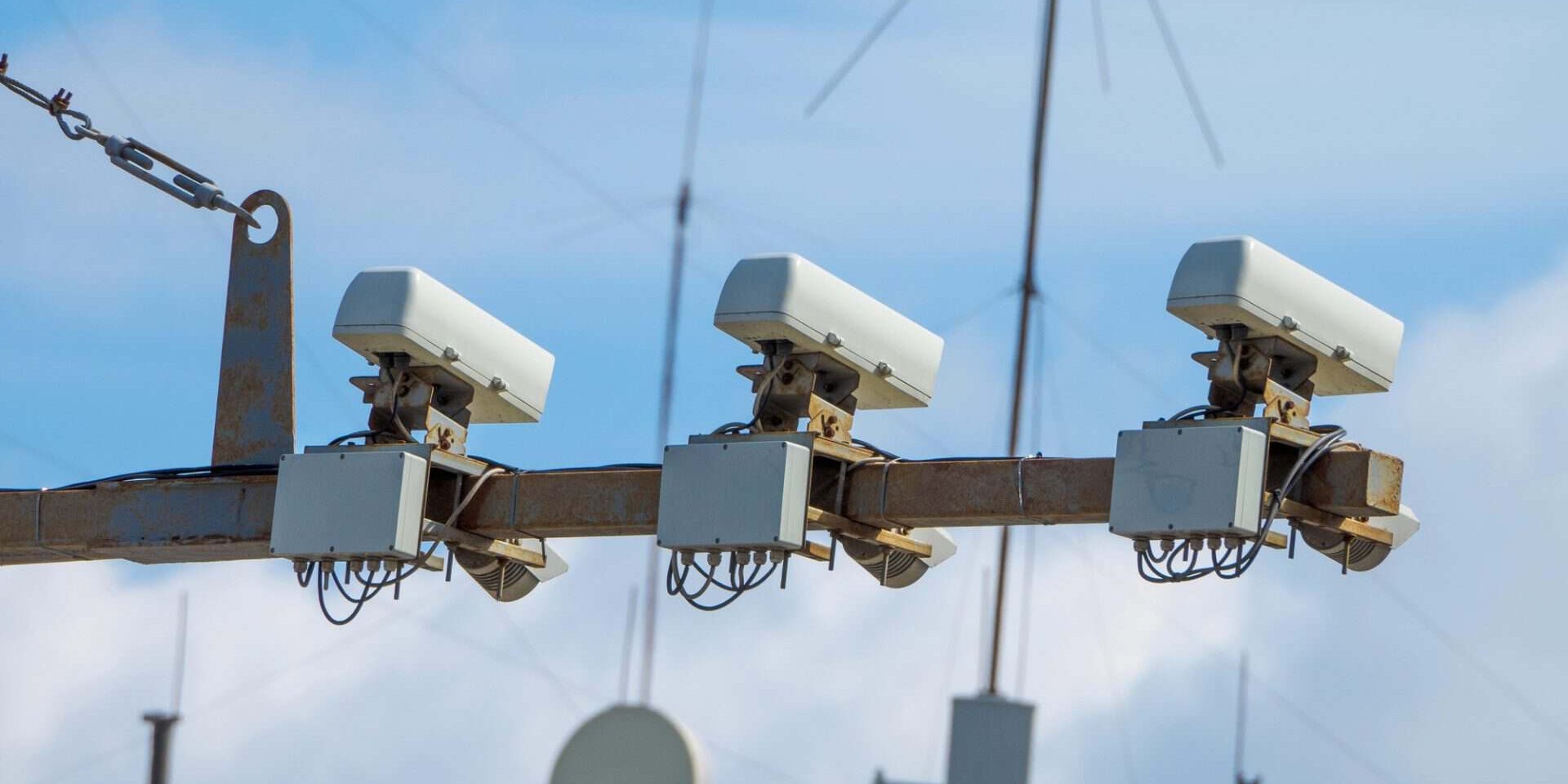
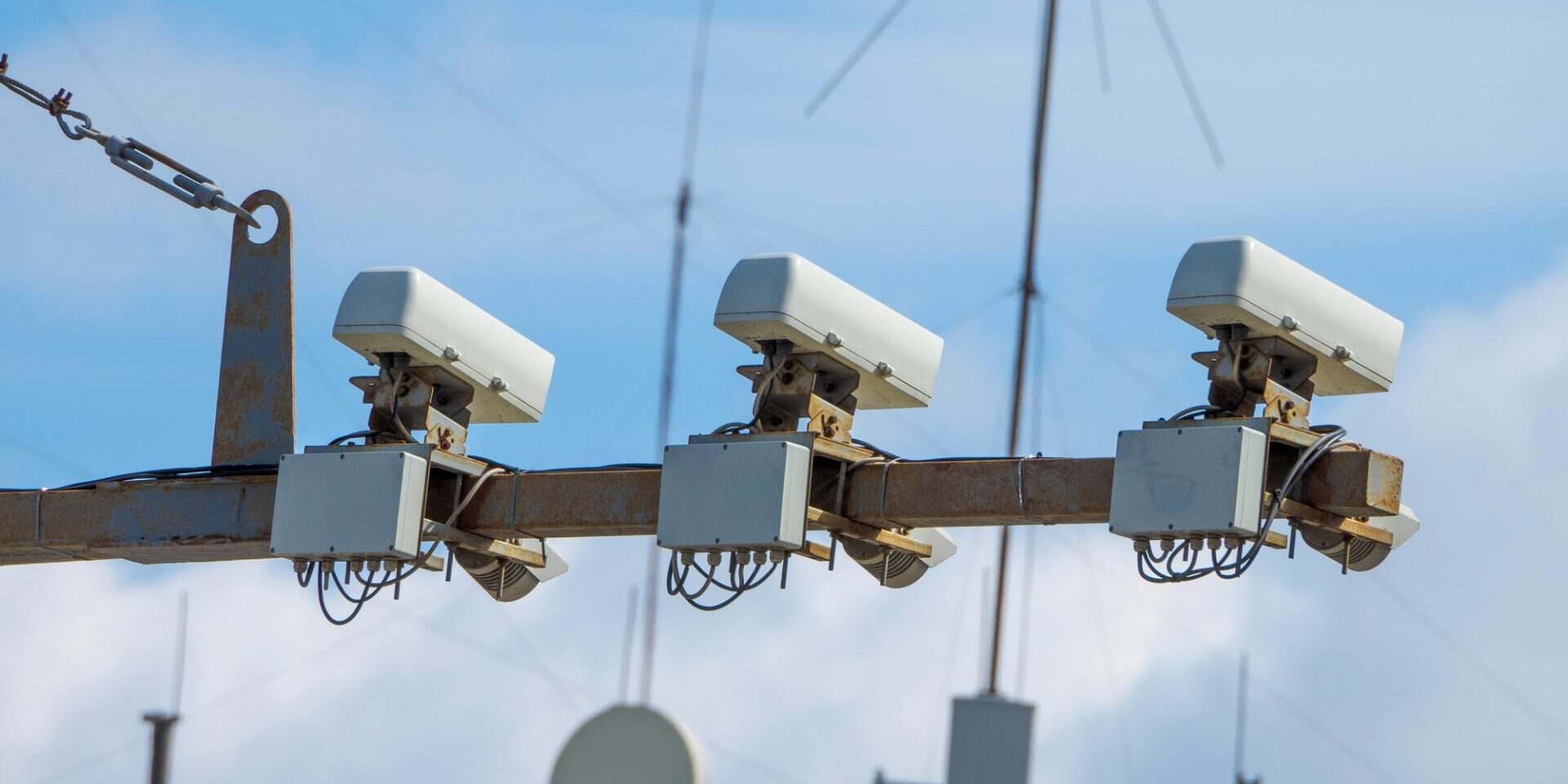
There is no yellow box painted on the road. No flash. No markings to warn a driver this stretch is watched. Transport for London and the Metropolitan Police Service have begun installing a new type of camera that combines a 4D radar unit with a 4K colour camera, and the first drivers caught speeding under the system will likely have had no idea it was there until a letter lands on the doormat.
The trial covers up to 10 sites across nine London boroughs: Haringey, Tower Hamlets, Havering, Croydon, Hammersmith and Fulham, Brent, Hackney, Ealing and Sutton. TfL announced the scheme on 17 March 2026, with cameras going in “over the next few weeks” at locations on 20mph and 30mph roads chosen for their collision risk. Each site will have its signage checked and its camera calibrated before police start issuing penalties.
How the New Cameras Actually Work
Existing spot speed cameras rely on sensors set into the road surface, one for each lane, which trigger a flash and a photograph the moment a vehicle crosses a fixed speed threshold. That design caps most cameras at three lanes and makes their presence obvious: a camera housing, a loop of cable visible in the tarmac, and often a warning sign well before the site itself.
The new camera needs none of that. Its radar tracks vehicles directly, and the 4K camera captures a clear image without a flash, which means a single unit can cover up to five lanes of traffic moving in both directions at once. TfL says the change improves reliability and produces better quality images for the police enforcement process that follows a suspected offence, as there is no sensor loop that can fail or drift out of calibration unnoticed.
Why Speed Camera Apps Can’t Help This Time
Sat-nav alerts and dedicated camera-warning apps work by matching a vehicle’s position against a database of known camera locations, usually built from the visible housings, road markings or warning signs that accompany a traditional camera. Remove all three of those physical clues, and there is nothing for a crowdsourced app to log in the first place. A driver checking a phone app before setting off on one of the trial roads would see nothing flagged. The data is not out of date; the site simply gives off none of the signals those databases are built to spot, and there never was a sign or road marking for anyone to log.
Some drivers affected by the trial have pushed back on exactly this point. Reaction gathered from London’s taxi and private hire trade has described the rollout as enforcement without warning, arguing that a painted road marking or a visible sign makes a driver slow down in the moment, while a hidden radar camera offers no such cue and simply produces a fine afterwards. Others in the trade have questioned whether the radar measures speed continuously along a stretch of road or only at a single point, leaving drivers unsure exactly where their speed will be judged.
The Safety Case TfL Is Making
TfL’s justification rests on collision data rather than revenue. Figures from the organisation’s own Road Danger Reduction dashboard show that speed was a contributory factor in around half of London’s fatal collisions in 2024. Siwan Hayward, TfL’s Director of Security, Policing and Enforcement, has said speeding remains a major cause of the most serious collisions on the city’s roads, while Detective Chief Superintendent Donna Smith of the Met’s Roads and Transport Policing Command has pointed to the improved image quality as a way to hold offending drivers to account more reliably than the current camera network allows.
Critics in the trade are not convinced the case is purely about safety. Comments gathered from drivers affected by the trial include the view that a camera which only issues fines, without a visible deterrent in the moment, will do little to change driving behaviour, and that the policy risks punishing otherwise careful drivers who edge a mile or two over a 20mph limit rather than targeting the small number of drivers who actually drive dangerously. For London’s taxi and private hire drivers, who cover far higher mileage than an average motorist, even a small rise in enforcement translates into a real risk to a licence that penalty points can put in jeopardy.
Why This Trial Is Bigger Than Nine Boroughs
The nine-borough trial sits inside a much larger commitment. TfL’s Vision Zero Action Plan 2, published the week before the camera trial was announced, covers the next five years and commits the organisation to at least 20 new safety camera locations, chosen by speeding risk and local concerns, and at least 65km of additional safer speed limits across the TfL road network. If the radar system performs as TfL expects, the technology behind this trial is the obvious template for most of those future camera sites, not a one-off experiment confined to nine boroughs.
The stakes here reach well beyond London. Average speed camera networks already operate on major routes across the rest of the UK, and police forces outside the capital have shown a consistent pattern of adopting whatever detection technology London and National Highways prove out first, from digital spot cameras to the average speed systems now common on motorway roadworks. A hidden radar camera that needs no road markings, no buried sensors and no flash removes most of the practical barriers that have limited how densely cameras can be installed, which is exactly the kind of change that tends to spread once it has been tested somewhere first.
Camera technology rarely stays confined to a trial area for long. Spot speed cameras began life as a small pilot scheme before becoming a fixture of almost every urban road network in the country, and the current generation of average speed cameras followed a similar path, growing from a handful of motorway roadworks to permanent coverage of entire routes over the following decade. A camera that removes the cost and disruption of digging in road sensors and painting fresh markings is, if anything, cheaper and faster to install at scale than the technology it replaces, which gives councils and police forces outside London every reason to watch this trial closely.
What Drivers Can Actually Do
There is no way to spot one of these cameras in advance, which makes the usual advice of checking an app before a journey largely useless on any of the nine trial boroughs for now. The only reliable response is the one TfL and the Met are explicitly asking for: treat every 20mph and 30mph sign as the actual limit, not a rough guide, above all on residential roads where enforcement risk has historically been lowest. Anyone who receives a penalty notice from one of the new sites should check the fixed penalty paperwork carefully. The same appeal routes that apply to any other speeding offence, including requesting a speed awareness course where eligible, still apply regardless of which type of camera caught the offence, and the right to request the original image before deciding whether to accept the penalty has not changed either.
Want more car content? Add us as a preferred source on Google to your favourites list for the best automotive news and analysis on the internet.
If you enjoyed this article, be sure to follow us on Microsoft Start.
Sources:

Leave a Comment
More in News

Every Car Finance Customer Before November 2024 Could Be Owed £830 by the FCA

DfT Proposes Unlimited Fines for Removing Emissions Filters on Vehicles From 2001 Onwards

Windscreen Repairs Now Cost £283 on Average as ABI Reports Record £3.2bn Motor Payouts

What a Dangerous MOT Fail Means (and Whether You Can Drive Home)

2027 Jeep Gladiator Adds Sport S Trim and Factory 35-Inch Tire Package
Trending on Motoring Chronicle

Mitsubishi Outlander PHEV review: Pioneering plug-in hybrid SUV is back – and it’s better than ever
Why Trump’s Freedom to Fix Order Could Lower Your Car Repair Bill

MOT Failure Rates Double Between Ages Four and Twelve, According to 33 Million Tests

Every UK Driver Wins as DfT Fines Weekend Roadworks Overruns £10,000 a Day