Diesel Hits $8.50 a Gallon in California as Truckers Warn Grocery Prices Will Follow
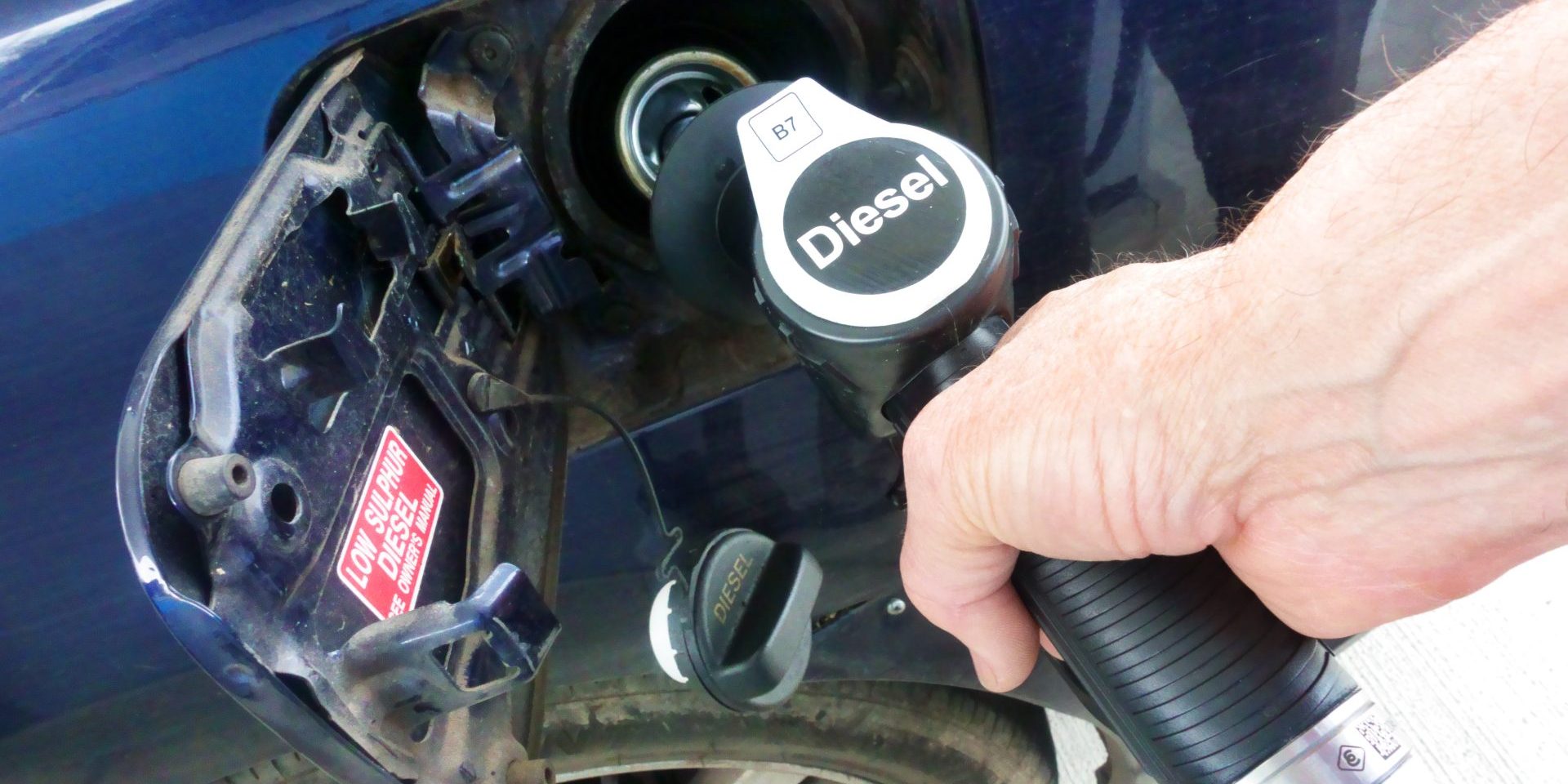
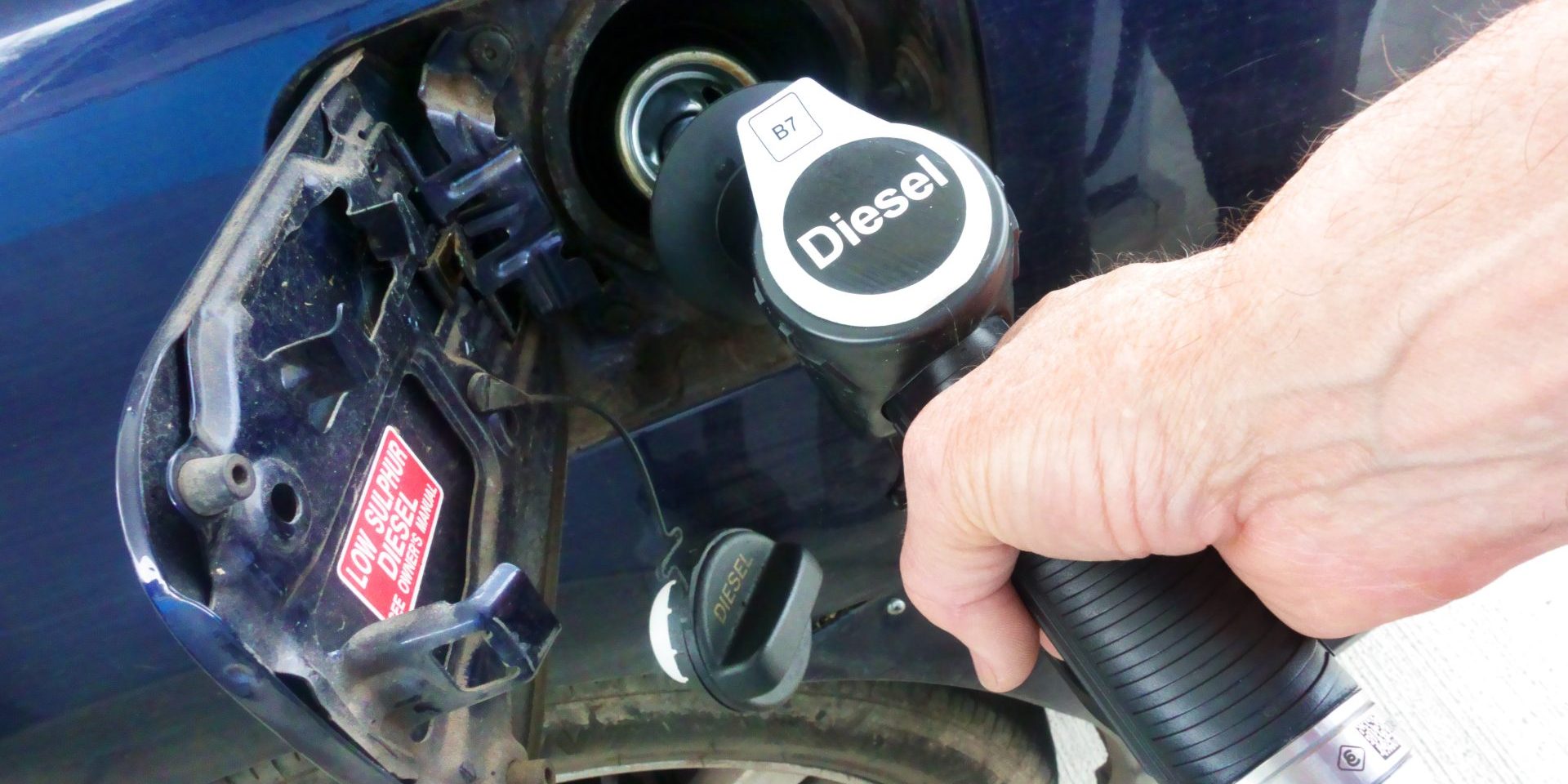
- AAA’s state-by-state data shows diesel averaging $8.50 a gallon in California and topping $6 in most other states, with the nationwide price up roughly a third from January’s level.
- President Trump signed an emergency order on October 5 letting truckers burn untaxed, off-road diesel on public highways through December 31, a stopgap that independent owner-operators say barely touches their weekly fuel bill.
- The Food Industry Association estimates that higher diesel costs take 30 to 45 days to reach grocery store shelves, because nearly everything sold in the United States travels by truck at some point.
A Fuel Bill That Keeps Climbing
Diesel costs more than it has in years, and the increase lands on every shopper’s receipt eventually, not just a trucker’s fuel card. AAA’s current state averages put California diesel at $8.50 a gallon, Washington at $7.31, Hawaii at $7.25, Nevada at $6.87 and Oregon at $6.74. Even the cheapest states aren’t cheap: North Carolina sits lowest at $5.60, with Georgia at $5.74 and Texas at $5.78. Every one of the 50 states now averages above $5.50 a gallon for diesel.
Regional gaps that wide aren’t typical. California’s diesel tax structure and stricter clean-fuel blending rules have long made it the most expensive state for truckers, but an $8.50 average pushes the gap between California and the cheapest states past $2.90 a gallon. For a long-haul rig that burns 150 to 200 gallons crossing the state, that spread alone can run $400 to $600 more than the same miles driven through the Southeast.
That nationwide climb has been steady rather than sudden. Diesel in Texas averaged about $3.30 a gallon in 2025, according to the Texas Trucking Association. By September 2026 it had topped $6 a gallon in the state, nearly double. In the Los Angeles area, independent driver Angel Diaz told RTTNews that diesel at some stations has reached $8.38 a gallon, up from just over $5 earlier this year. The spread between regions is wide, but the direction is the same everywhere: up.
Why Diesel Jumped So Far, So Fast
Several forces are stacking on top of each other. The Texas Trucking Association points to seasonal refinery shifts, as plants that make both diesel and heating oil start favoring heating oil ahead of winter, tightening diesel supply just as demand holds steady. The association also cites overseas supply disruptions pushing crude and refined product costs higher worldwide.
Layered on top of that is the state the trucking industry was already in. RTTNews reports the sector is still climbing out of a prolonged freight downturn marked by falling shipping rates, business failures and job losses. Just as freight rates started to recover, fuel costs outran them. The driver pool has also shrunk, following job losses and new federal restrictions on certain commercial driver’s license holders, leaving fewer trucks available to absorb the added cost of each mile.
None of these pressures are new on their own. Freight markets run in cycles, and diesel has spiked before without lasting consequences for consumer prices. What’s different this time, industry representatives told RTTNews, is that several of these pressures arrived together: tighter supply, a weaker driver pool and a freight market still recovering from losses all at once. That combination makes a seasonal diesel bump harder for carriers to absorb quietly the way they might in an ordinary year.
Independent owner-operators feel it hardest. The Texas Trucking Association says 80 to 85 percent of the trucking industry is made up of small companies, often a single driver and a single rig, who buy their own fuel and have usually already locked in a freight rate before a load ships. When diesel jumps mid-haul, that cost comes straight out of the driver’s pocket rather than a shipper’s.
The White House’s Temporary Fix
On October 5, President Trump signed an executive order responding directly to the diesel surge. It temporarily lifts the long-standing ban on running red-dyed, untaxed diesel, normally reserved for farm equipment, construction machinery and generators, in highway trucks. The order defers the 24.4-cent-per-gallon federal highway excise tax on qualifying dyed fuel used on public roads from October 5 through December 31, 2026, with no interest or penalties in that window. The White House also directed the Treasury Department to look into canceling the deferred tax bills outright before year’s end.
The relief is smaller than the headline suggests. On a 250-gallon commercial fill, the federal tax deferral alone saves an owner-operator roughly $50 to $60. A fuller estimate, adding an average 35.5-cent-per-gallon state highway tax, puts total potential relief near $150 per fill, but only in states that choose to match the federal waiver and enforce it locally. Nebraska, where Trump signed the order, instead raised its own dyed-diesel tax rate on October 1. North Dakota Governor Kelly Armstrong welcomed the move, saying record-high diesel prices were “squeezing our ag producers” heading into harvest season.
There’s also a practical catch: standard truck stops and gas stations rarely sell dyed diesel at the pump. It typically goes straight to farms, construction sites and storage yards rather than retail islands. A trucker hoping to fill up on the cheaper fuel at a normal interstate stop will likely come away disappointed, and one who crosses into a state that hasn’t matched the federal waiver still risks a fine for running dyed fuel on that state’s highways.
What It Means for Your Grocery Bill
Diesel isn’t a cost drivers only pay at a truck-stop pump. Trucks carry the overwhelming majority of freight tonnage in the United States, including the food that stocks grocery shelves. The Food Industry Association estimates that a jump in diesel prices takes 30 to 45 days to work its way through the supply chain and show up as higher prices in a store. That lag means price increases tied to this fall’s diesel spike are still arriving as 2026 closes out, even if diesel itself levels off before then.
Retailers and consumer brands have told RTTNews they’re already absorbing higher fuel and labor costs. Industry representatives caution that the October 5 tax relief, while welcome, is unlikely to offer a lasting fix. It expires at the end of the year and depends on fuel that most trucks can’t access through a normal pump anyway.
What To Do
- Check AAA’s state gas price averages (gasprices.aaa.com) before a long highway trip; the gap between neighboring states can run a dollar a gallon or more for diesel.
- RV owners and anyone towing with a diesel pickup should expect fill-up costs well above last year’s, especially on the West Coast, and budget trips accordingly.
- Watch grocery and household goods prices over the next one to two months rather than today; the Food Industry Association’s 30-to-45-day lag means the full effect of this fall’s diesel spike hasn’t reached shelves yet.
- Small-business owners who rely on trucking or delivery services should ask carriers directly whether fuel surcharges are changing, rather than assuming a quoted rate still holds.
Diesel prices move in cycles, and seasonal refinery shifts toward heating oil typically ease by late winter. But with freight capacity still tight and the federal relief set to expire December 31, drivers and shoppers alike have reason to keep watching the pump, and the receipt, through the rest of the year.
Want more car content? Add us as a preferred source on Google to your favourites list for the best automotive news and analysis on the internet.
If you enjoyed this article, be sure to follow us on Microsoft Start.
Sources:

Leave a Comment
More in News

What a Coolant Warning Light Means Before It Costs You a £1,000 Repair

Progressive’s Profit Fell 3 Percent Even as It Added 1.4 Million Car Insurance Policies

NHTSA Picks 23 Vehicles for 2027 Crash Tests and Adds a New Pedestrian Safety Score

GAP Insurance Paid Back Just 6 Percent of What Drivers Paid, FCA Figures Show

A £4,300 Vauxhall Made Hagerty’s List of Classic Cars Worth Watching in 2026
Trending on Motoring Chronicle
Almost One Million Drivers Face a £1,000 Fine Over Expired Photocard Licences

Why the 2027 Audi Q9 Could Solve the Headlight Glare Problem for US Drivers
Why Your New Car Keeps Showing the Wrong Speed Limit (and What to Do)

Automotive Couture: The Art of Color, Material and Finish for the Bugatti Tourbillon