
London’s Congestion Charge Now Costs Commuting Drivers £4,500 a Year, TfL Data Shows


London’s Congestion Charge Now Costs Commuting Drivers £4,500 a Year, TfL Data Shows
- The daily Congestion Charge rose from £15 to £18 on 2 January 2026, a 20 percent jump confirmed by Transport for London.
- A driver who enters the zone five days a week now pays £4,500 a year, up £750, according to a Freedom of Information analysis by online car retailer cinch.
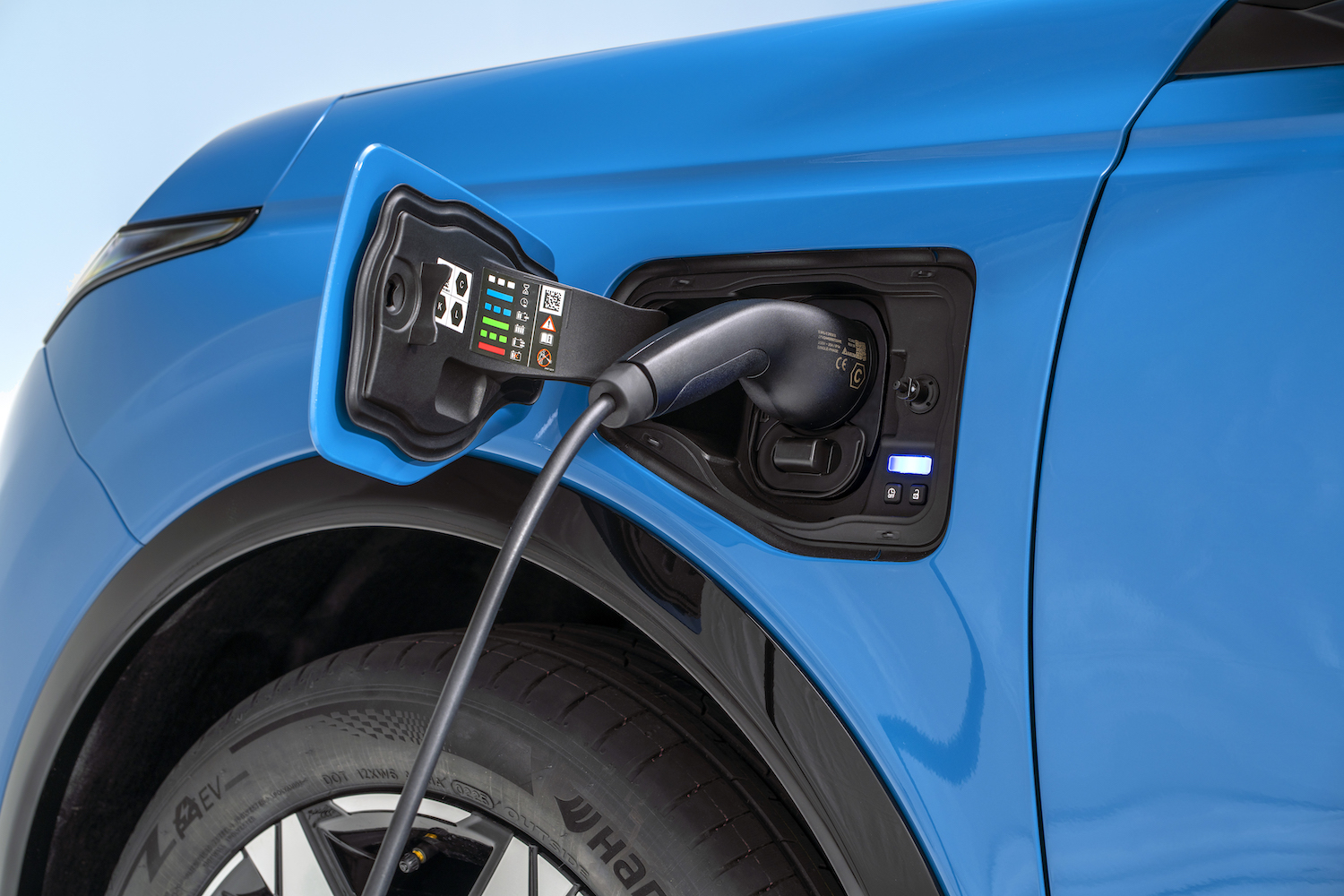
- Electric car drivers lost their full exemption in December 2025 and now pay £13.50 a day even with the maximum Auto Pay discount.
Drivers heading into central London on a regular commute are now £750 a year worse off. The Congestion Charge climbed from £15 to £18 a day on 2 January 2026, a 20 percent rise that Transport for London confirmed as part of a wider plan to raise the fee each year from 2027 in line with other TfL fares on buses, trains and the Underground. For anyone crossing the boundary five mornings a week, the change turns a background cost of driving into one of the largest single line items on a commuter’s annual budget.
Online car retailer cinch submitted a Freedom of Information request to TfL and found the Congestion Charge brought in £202.8 million between April 2024 and March 2025. Working from that figure and the new £18 rate, cinch’s analysis puts TfL’s take for 2026 at more than £243 million, an increase of roughly £40 million in a single year.
For the individual driver, the maths is blunt. cinch’s motoring expert Ben Welham calculated that a commuter who drives into the zone five days a week, across 250 working days a year, now pays £4,500 in Congestion Charge fees alone. A year ago the same commute cost £3,750. That is a £750 rise before fuel, parking or insurance are counted.
Why the bill just got bigger for electric car owners too
The charge has always fallen hardest on the vehicles TfL wants off the road, but the January 2026 change closed a gap that had protected one group of drivers completely: electric car owners. The 100 percent discount for electric vehicles ended on 25 December 2025. From 2 January 2026, an electric car registered for Auto Pay pays a reduced rate of £13.50 a day, a 25 percent discount on the full £18. Electric vans get a bigger 50 percent cut through Auto Pay, as do diesel and petrol HGVs.
Welham said the change would land hardest on frequent business drivers rather than occasional visitors. “The £3 daily increase means a commuting driver will pay £4,500 per year in Congestion Charge fees if they drive into the capital five days a week, a hike of £750,” he said. “Our analysis, based on 250 working days per year, highlights the heavy financial impact the increase will have on individual drivers and businesses.”
The impact reaches beyond private commuters. Delivery firms, tradespeople and taxi and private hire operators who cross the zone boundary daily face the same £18 charge per vehicle, per day, unless they qualify for a fleet Auto Pay discount. A small business running three vans into central London five days a week, none of them electric, would face a Congestion Charge bill of £13,500 a year on the vans alone, an increase of £2,250 on the previous £15 rate. That cost typically gets passed on through delivery fees or call-out charges rather than absorbed by the business.
The scheme has come a long way from its launch. When the Congestion Charge began in February 2003, drivers paid £5 a day to enter the zone. That fee climbed to £15 over the following two decades, a 200 percent rise, before the latest change took it to £18, a total increase of 260 percent from the scheme’s 2003 start. TfL has already flagged that the charge will keep rising each year from 2027, tied to the same inflation-linked formula used for its other fares.
The zone itself has not changed shape. Drivers pay the charge for entering central London between 7am and 6pm Monday to Friday, and between midday and 6pm on Saturdays, Sundays and bank holidays. There is no charge on the days between Christmas Day and New Year’s Day bank holiday, inclusive of both dates.
The £18 figure is not always the full bill either. TfL’s own guidance confirms that a vehicle failing to meet Ultra Low Emission Zone standards must pay the ULEZ charge on top of the Congestion Charge. That adds another £12.50 a day, taking the combined daily total for an older, non-compliant petrol or diesel car to £30.50 for a single trip into central London. Over a five-day working week, that stacked charge alone comes to £152.50, before fuel, parking or a permit for the car park at the other end are added.
Miss the payment window and the bill rises again. Pay on the day of travel or in advance and the charge stays at £18. Pay up to three days late and the price jumps to £21, a further £3 on top of the higher rate that only took effect in January.
Can you avoid it?
Not every driver who enters the zone pays the full £18, and some routes around the charge exist for those who plan ahead.
Set up Auto Pay if you drive an electric car, electric van or HGV. Car drivers get a 25 percent discount, cutting the daily rate to £13.50, and van and HGV drivers get 50 percent off, cutting the charge to £9. Auto Pay also removes the risk of forgetting to pay and being hit with the £21 late rate or a penalty charge notice, which can run into three figures.
Check whether you qualify for the residents’ discount. Anyone living inside the zone can apply for a 90 percent reduction on the daily charge, and existing holders keep that discount regardless of what car they drive. From March 2027, new applicants for the residents’ discount will only qualify if they drive an electric vehicle, so anyone planning a move into the zone with a petrol or diesel car should factor that change into their decision now rather than later.
Time your trip around the charging hours. The charge only applies from 7am to 6pm on weekdays and midday to 6pm at weekends and on bank holidays. A driver who can shift a delivery, a meeting or a school run outside those windows avoids the fee altogether, as does anyone travelling in the free period between Christmas and New Year.
Pay on time, every time. The jump from £18 to £21 for late payment is avoidable simply by paying on the day of travel or setting up Auto Pay so the charge is taken automatically. For a driver making the trip five days a week, paying late even once a month would add roughly £36 a year on top of the £4,500 already being spent.
Finally, work out whether the drive is worth it at all. With the daily cost now £18 for a petrol or diesel car, £13.50 for an Auto Pay-registered electric car, and public transport unaffected by the charge, some commuters and delivery businesses could find that a change of route, a switch to rail or a shift to off-peak travel saves more over a year than any discount on offer inside the zone. For a household running two cars into the zone, or a small firm with a handful of vans on the road, the combined annual total from this one charge alone can now run into five figures, well before fuel, insurance and parking are added to the bill.
Sources: cinch, “Estimated £40m increase in Congestion Charge earnings for TfL in 2026,” published 25 September 2025, based on a Freedom of Information request to Transport for London covering Congestion Charge revenue from April 2024 to March 2025; Transport for London, Congestion Charge scheme rates, charging hours, exemptions and Auto Pay discount tiers, in force from 2 January 2026.

Leave a Comment
More in News

Porsche Cayenne Electric Gets Auto-Opening Doors for 2027, Starts at $109,000

MINI 1998 GT Edition Priced at $36,875 as Sixth Icon Drop of 2026

2027 Lexus IS Priced from $47,545 with New Special Appearance Package

UK Councils Fined Drivers £37.7 Million for Bus Lane Mistakes in Six Months

What Your Airbag Warning Light Actually Means (and Is It Safe to Drive?)
Trending on Motoring Chronicle

Lamborghini Revuelto SV Arrives with 1,065 CV and Sets Hockenheim Lap Record
Why Home EV Charging Now Costs Half as Much as Gas at 5 to 6 Cents a Mile

What Euro 7 Means for Every New Car Buyer From November and Why It Could Cost You More

How to Tell if a Car Was Written Off Before You Buy It
