Westminster Made £90.6 Million From Parking As English Councils Banked £1.1 Billion
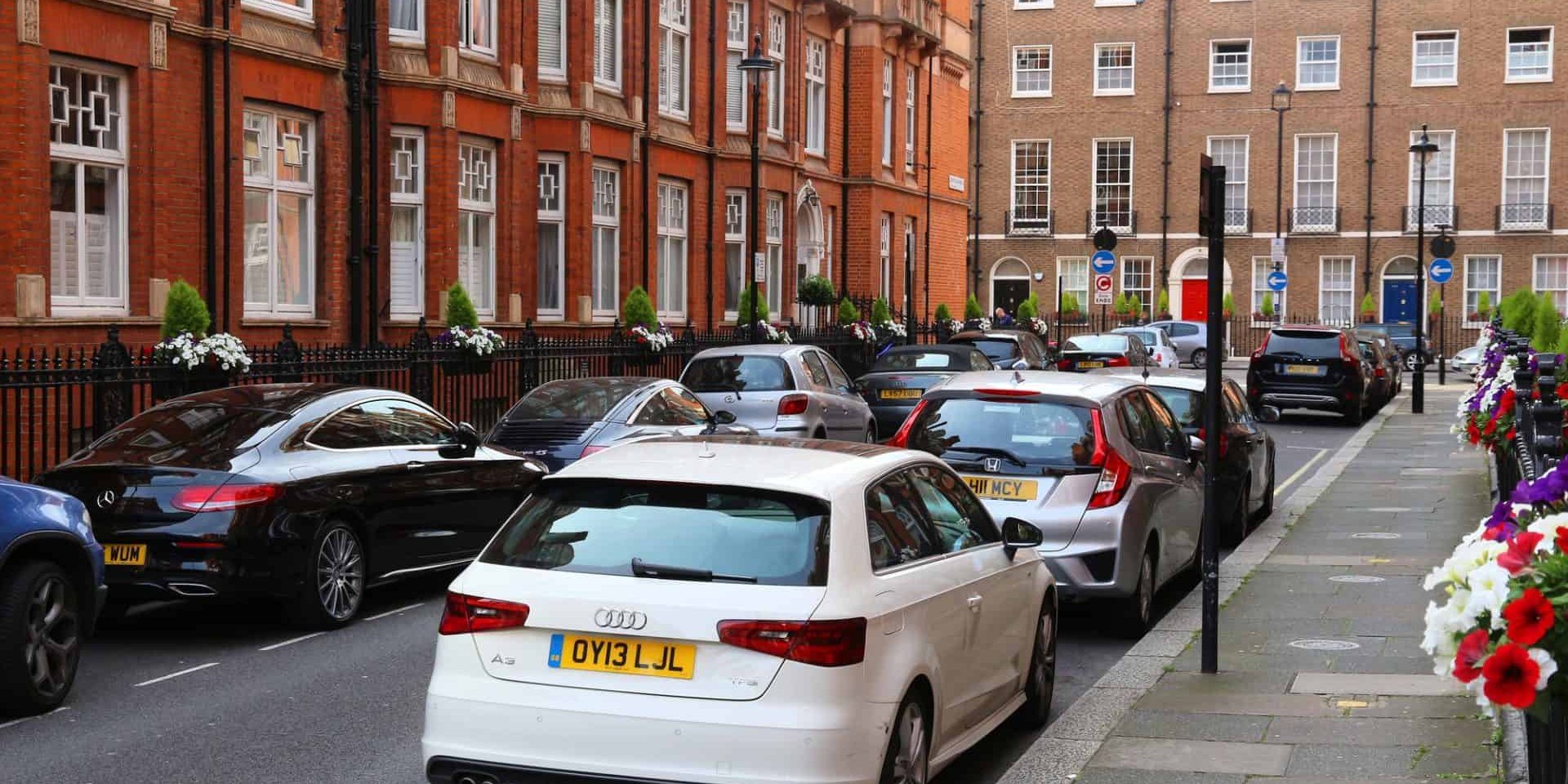

Headline: Westminster Made £90.6 Million From Parking As English Councils Banked £1.1 Billion
- English councils made a combined profit of almost £1.1 billion from parking in 2024-25, according to RAC Foundation analysis of official local authority figures.
- Westminster City Council alone banked £90.6 million, up 19.3% on the £75.9 million it made the year before.
- By law, councils cannot spend most of that surplus on general services. It has to go back into transport, meaning higher charges rarely translate into lower council tax.
Councils Made Almost £1.1 Billion From Your Parking Charges Last Year
If you have paid for a parking space in an English town or city centre in the past year, you contributed to a national surplus that has now topped £1 billion for several years running. New analysis from the RAC Foundation, based on data reported to the Ministry of Housing, Communities and Local Government (MHCLG), shows that 295 English councils brought in £2.163 billion from on-street and off-street parking in 2024-25, against £1.07 billion in running costs. That leaves a profit of £1.094 billion, close enough to call it £1.1 billion.
The figures cover pay-and-display bays, resident permits, council-run car parks and penalty charge notices issued for parking contraventions. They do not include fines issued by private parking companies on supermarket or retail car parks, which run under a separate system and add hundreds of millions more on top.
Who This Hits: Anyone Who Parks in a Council Bay or Car Park
This is not a story about a small group of persistent rule-breakers. Every driver who parks on a residential street with a permit scheme, feeds a meter outside a high street shop, or leaves a car in a council-run multi-storey is contributing to these totals. Older drivers doing a weekly shop, parents on the school run, and commuters who drive to a station car park all pay into the same pot.
The RAC Foundation’s study covers 295 of England’s 317 local authorities that had reported their 2024-25 figures to the MHCLG at the time of writing. National parks are excluded from the main total. The Foundation says it expects the final figure to rise slightly once the remaining councils file their returns, as has happened in every previous year of this annual study.
The Number Behind the Headline: Westminster’s £90.6 Million
Westminster City Council generated the largest single profit of any English authority: £90.6 million in 2024-25, up from £75.9 million the year before, a rise of 19.3%. Westminster’s income reflects its position as the country’s busiest commercial and tourist district, where parking charges run higher than almost anywhere else and enforcement is constant.
Westminster is the extreme example, not the only one. Milton Keynes City Council, a mid-sized authority far outside London, took £15.8 million in parking income last year and kept a surplus of £12.8 million once running costs were deducted, figures the council itself has confirmed. The RAC Foundation’s report shows dozens of authorities of every size turning parking into one of their largest single sources of income outside central government grants and council tax. For town halls facing budget pressure elsewhere, that income has become difficult to give up.
A Surplus That Has Grown for Five Straight Years
This is not a one-off spike. RAC Foundation figures show the national parking surplus has climbed almost every year this decade: £891 million in 2019-20, £923 million in 2022-23, £1.019 billion in 2023-24, and now £1.094 billion in 2024-25. Income has grown from £1.746 billion to £2.163 billion over the same period, a rise of almost a quarter, while the population of drivers using these spaces has not grown anywhere near as fast.
Part of that rise reflects more councils adopting camera-based enforcement and expanding paid zones into areas that were previously free, rather than existing charges simply going up. Either way, the direction of travel is the same: parking has become a steadily larger line in council budgets, not a shrinking one, sitting alongside other local enforcement schemes such as low emission zones that now generate their own multi-million pound totals.
What It Means for Your Wallet
Here is the detail that surprises most drivers: councils are not free to spend this money however they like. Under the Road Traffic Regulation Act 1984, any surplus a council makes from on-street parking has to be ring-fenced. It can only be spent on transport-related purposes such as highway maintenance, public transport support, road safety schemes or environmental improvements connected to traffic. Off-street car park surpluses are treated more flexibly, but many councils choose to apply similar rules across the board to reduce the risk of legal challenge from residents or campaign groups.
In practice, this means a growing parking surplus rarely shows up as a cut to your council tax bill. Instead, it tends to fund the same road and transport budgets that parking charges are meant to manage in the first place, while the charges themselves keep climbing. Several councils have raised on-street tariffs or extended charging hours into evenings and Sundays over the past year, citing exactly these transport funding pressures. For a driver, that means a card that once covered a two-hour shopping trip for £2 can now run out closer to £4, with no obvious link back to anything you would call a service improvement.
Councils themselves generally argue that the figures overstate how much cash is truly free to spend. Enforcement staff, camera maintenance, ticket machines and appeal handling all come out of the same budget line before a surplus is even calculated, and several town halls point out that parking income also has to cover long-term structural repairs to multi-storey car parks built decades ago. What the RAC Foundation figures make clear, though, is that whatever the running costs, the money left over after those costs still runs into nine figures at dozens of authorities, and that pot has grown almost every year after the pandemic dip of 2020-21.
There is also a fairness question buried in the totals. On-street surplus has to fund transport projects across an entire borough, so a driver who rarely leaves their own street can end up subsidising cycle lanes, bus priority schemes or road resurfacing on the other side of town, funded by charges paid almost entirely by people visiting the centre to shop, work or see a doctor. Campaigners for older and disabled drivers have raised this point repeatedly, arguing that the people paying the highest share of parking charges are often the ones with the least choice about driving into town in the first place.
What You Can Do About It
Check whether your council offers a resident’s permit discount before defaulting to daily pay-and-display rates, and compare nearby off-street car parks run by a different operator: prices for a similar walk into town can vary by several pounds between operators on the same street. Many councils now publish their parking accounts under the Local Government Transparency Code, so you can see exactly how much your own council made last year and where the surplus went before assuming the worst.
If you are issued a penalty charge notice, remember that civil parking PCNs, the kind issued by councils rather than private firms, carry a right of formal representation and, if that is rejected, a free appeal to an independent tribunal such as the Traffic Penalty Tribunal or London Tribunals. Councils are required to look at mitigating circumstances, and adjudicators regularly overturn tickets where signage was unclear or a genuine, one-off error occurred. Given how much of this surplus depends on volume rather than any single large penalty, checking your options before paying is rarely wasted effort.
Blue badge holders should also double-check local rules before paying anything at all: most councils still offer free or discounted parking to badge holders in on-street bays, though the exemption often does not extend to council-run multi-storeys or to private car parks on council land. Before a longer trip into an unfamiliar town centre, a quick look at the council’s own website, rather than a generic parking app, will usually show the current tariff, any resident discount, and whether a blue badge exemption applies at that specific location. With charges rising most years, five minutes of checking can be the difference between a reasonable parking bill and a truly unpleasant surprise on the ticket machine.
Sources
RAC Foundation, “Council parking revenue in England 2024-25”, published 19 November 2025: racfoundation.org/research/economy/council-parking-revenue-in-england-2024-25

Leave a Comment
More in News
AA Data Shows Computer Faults Cost Drivers Up To £900 as Breakdowns Double

How a Deer Strike This Autumn Could Cost UK Drivers £2,713 in Repairs

How to Tell If Your Car Is Overheating (and What to Do Immediately)

Every UK Driver Faces an 11 Percent Crash Rise When the Clocks Go Back

What Your Oil Pressure Warning Light Actually Means (and When to Stop Driving)
Trending on Motoring Chronicle

Ferrari Roma Spider Tailor Made: refined and elegant techniques bring an innovative car to life [Photo Gallery]

One plus One: First Batur Convertible produced by Mulliner [Photo Gallery]

Three Volkswagen models named Car and Driver Editors’ Choice picks for 2026
What Every UK Driver Needs to Know Now the Digital Driving Licence Is Live