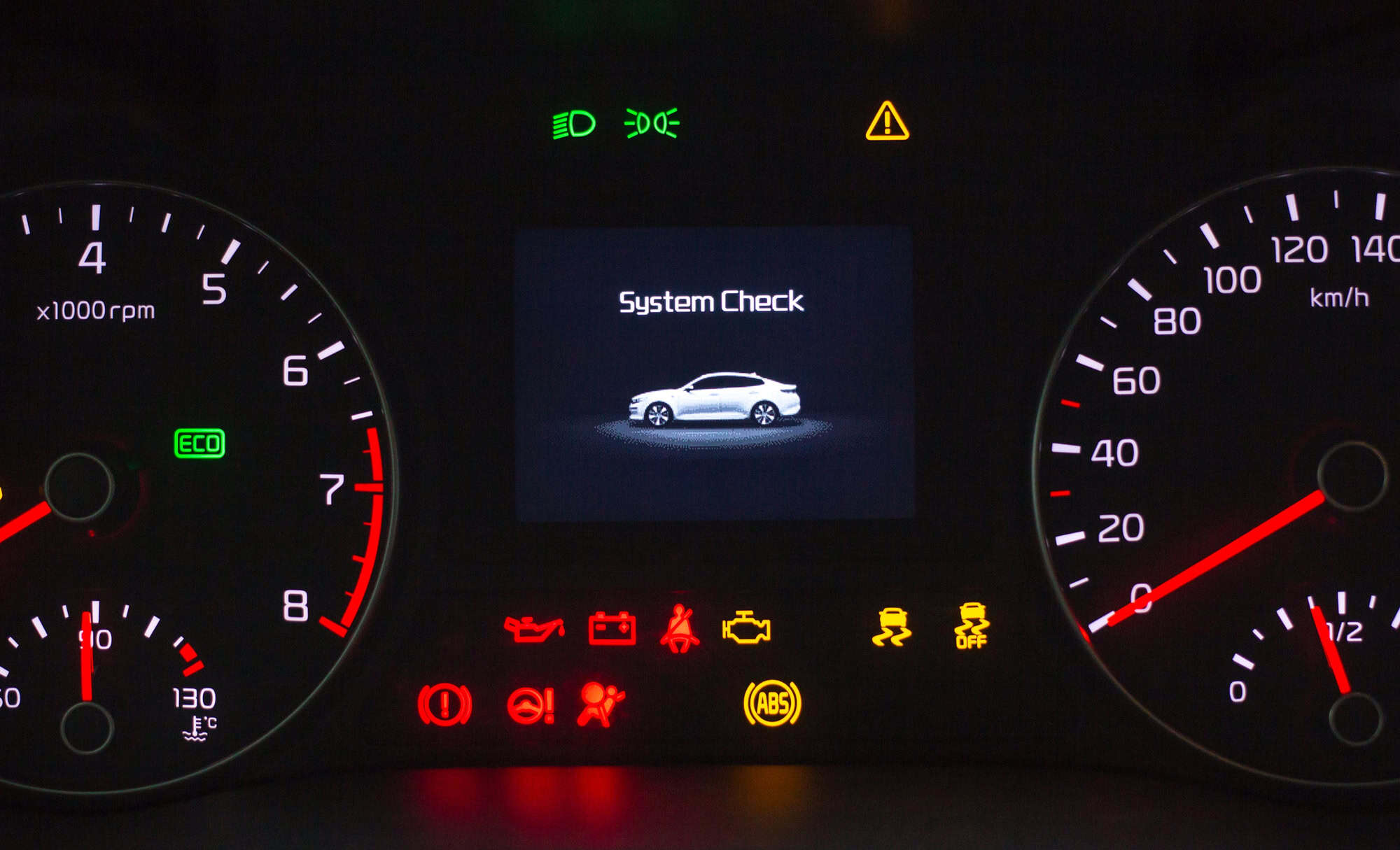
How to Restart Your Car After It Runs Out of AdBlue
Key Points
- If your diesel car runs out of AdBlue, it will start one more time after the warning appears, then refuse to restart until you refill the tank.
- A 10 litre bottle from a supermarket or motor factor costs around £10 to £18 ($13 to $24), while a dealer top-up can run to £3 to £5 ($4 to $6.70) per litre.
- Most cars need a minimum top-up of 3 to 5 litres before the engine will fire again, and some models need a full tank plus a system reset that a garage will charge for separately.
How to Restart Your Car After It Runs Out of AdBlue
If your diesel has stopped starting and a message about AdBlue or “exhaust fluid” has been on the dashboard for days, the fix is almost always the same: buy AdBlue, pour in enough to clear the lockout, then start the engine again. On most cars a bottle from a supermarket, garage forecourt or motor factor is all that is needed. The tank sits under the bonnet, in the boot, or occasionally next to the fuel filler, and it is clearly marked with a blue cap. Unscrew it, pour in at least 3 to 5 litres, replace the cap, and try the engine again. If it starts, the problem is solved for now, and the tank should be topped up properly within the next day or two rather than left running near empty again.
Some cars, especially Volkswagen Group models (VW, Audi, SEAT, Skoda) and certain Mercedes-Benz diesels, are stricter. They allow the engine to run once after the first serious warning, then lock out completely once the tank hits empty, and a handful need a garage visit to reset the system electronically even after fresh AdBlue has gone in. If pouring in AdBlue does not get the engine running within a couple of attempts, that is a sign of one of these stricter systems, or of a tank that is completely empty that needs more than a token top-up to satisfy the sensor.
Why Diesel Cars Are Built This Way
AdBlue is not an engine fluid in the way oil or coolant is. It is a solution of urea and water, held to the ISO 22241 purity standard, that gets injected into the exhaust system of most modern diesel cars, where it reacts with nitrogen oxide emissions and turns them into harmless nitrogen and water vapour. The system is called Selective Catalytic Reduction, or SCR, and it is how diesel engines built to the Euro 6 emissions standard keep their nitrogen oxide output low enough to pass. Running the SCR system dry does not damage the engine on its own, but it does mean the car would be emitting far more nitrogen oxide than it is legally allowed to, so EU and UK emissions rules require the car to refuse to restart once the AdBlue tank is empty rather than let it keep driving and polluting at full strength.
Manufacturers build in a long warning period before that happens, precisely so drivers have time to act. Most dashboards flag a low AdBlue level somewhere between 1,500 and 2,400 kilometres before the tank actually runs dry, then escalate to more urgent warnings as the range drops, often showing an exact countdown in miles or kilometres. The trouble is that plenty of drivers do not know what AdBlue is, especially if they are in a hire car, a company car, or a diesel they do not drive often, and the warning gets ignored right up until the car will not start one morning.
What It Costs to Refill
AdBlue itself is cheap. A 10 litre container from a supermarket, Halfords or a motor factor typically costs £10 to £18 ($13 to $24), and some fuel station forecourts sell it by the litre from a pump at roughly £1.30 to £1.80 ($1.75 to $2.40) per litre. Buying it and topping up at home is by far the cheapest way to deal with a low AdBlue warning, and most cars only get through a small amount of it, often no more than a litre or two a month for an average driver covering typical UK mileage.
Costs rise sharply at a main dealer. Dealer top-ups are commonly charged at £3 to £5 ($4 to $6.70) per litre, largely as a service and convenience charge rather than a reflection of what the fluid itself is worth. If the car has fully locked out and needs a diagnostic reset on top of the refill, expect to pay upwards of £150 ($200) for that alone, as it involves plugging in diagnostic equipment to clear the fault code rather than simply refilling a tank. That combination, running the tank fully dry and then needing a dealer to sort it out, is the expensive route, and it is avoidable by responding to the warning light the first time it appears rather than the third or fourth.
How to Check Your Level Before It Becomes a Problem
Most cars display the AdBlue range in miles or kilometres somewhere in the trip computer menu, usually alongside the fuel range readout, and it is worth checking this every time the car goes in for a service or an oil change rather than waiting for a warning light. A typical family diesel covering around 12,000 miles a year gets through roughly one full 10 litre bottle across that time, which puts the annual cost at somewhere between £10 and £20 ($13 and $27) if it is bought and topped up at home rather than left to the dealer. That is a small running cost next to fuel, tyres or insurance, and it only becomes expensive when the warning is ignored until the car refuses to start.
Mistakes That Make the Problem Worse
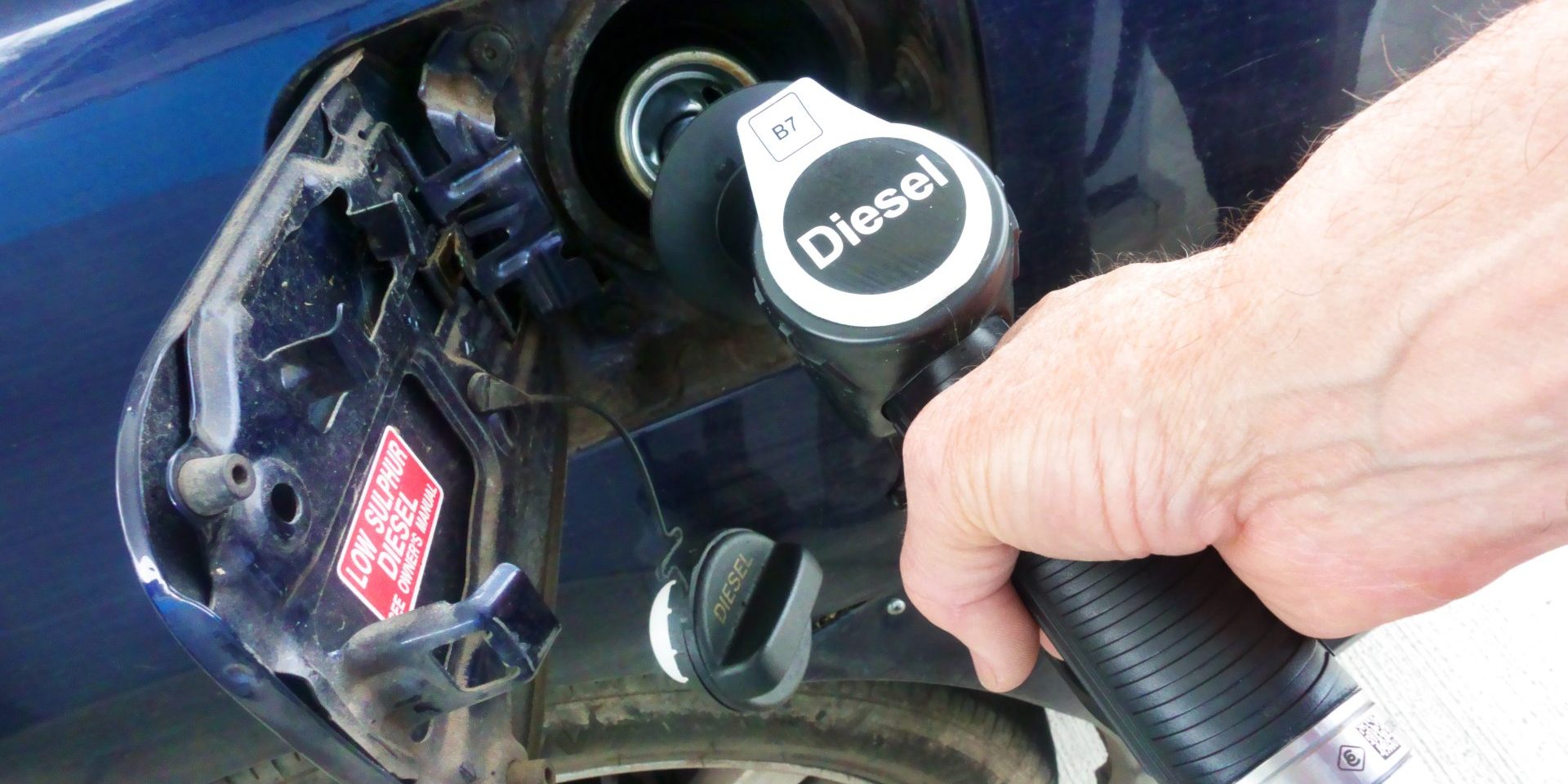
The most damaging mistake is putting AdBlue in the diesel fuel tank, or diesel in the AdBlue tank, a mix-up that happens more often than it should, as the filler caps and fluids can look similar and are sometimes positioned close together under the bonnet or in the boot. Both errors can badly damage the fuel system or the SCR system and lead to repair bills running into thousands of pounds, so it is worth checking the cap markings carefully every time before pouring anything in. AdBlue tanks are almost always marked with a blue cap or a clear AdBlue label, kept separate from the black or dark grey fuel filler cap.
A second common error is treating an unbranded or very cheap AdBlue as interchangeable with a properly certified one. Genuine AdBlue is made to the ISO 22241 standard and has a set concentration of urea, roughly 32.5 percent, that the SCR system is calibrated for. A diluted or contaminated fluid can throw fault codes, damage the injector that feeds it into the exhaust, or fail to clear the emissions readings the sensor is checking for, turning a cheap top-up into an expensive repair.
Cold weather adds one more wrinkle worth knowing about. AdBlue freezes at around minus 11 degrees Celsius, which sounds alarming, but nearly all manufacturers fit a heating element around the tank and lines specifically to stop this becoming a problem, so a frozen tank on a UK winter morning is rare rather than routine. Where it can catch drivers out is if the heater itself has failed, in which case the same low AdBlue warning symptoms can appear even with a full tank, and a garage diagnostic is the only reliable way to tell the two faults apart.
Do not assume the warning light is a fault rather than a genuine low level indicator, and keep driving on the basis that it will resolve itself. It will not. The countdown on modern systems is accurate, and ignoring it simply guarantees the car will strand you, often at the least convenient moment rather than when a bottle of AdBlue and ten spare minutes are close at hand. Keeping a spare bottle in the boot, especially before a long trip, removes the risk entirely for the cost of a supermarket shop, and checking the level alongside oil and screen wash at each service is a habit worth building for any diesel owner.
Sources

Leave a Comment
More in News

Every UK Driver Risks a £70 Fine as Yellow Box Junctions Earn Councils Millions

DVLA Eases Registration Rules for Reconstructed Classic Cars, Unlocking Tax and MOT Exemptions

How an Ordinary DVLA Number Plate Sold for £17,644 (and How to Check Yours)

Autotrader Data Shows Buyers of Older Used Cars Now Pay £463 More
How to Check If a Used Car Has Outstanding Finance Before You Buy
Trending on Motoring Chronicle

How to clean car windows without streaks

Bentley Motors opens applications for 2026 apprenticeship intake

Child Road Casualties Are Rising as Councils Cut School Crossing Patrols

Does Turning Off the Engine at Lights Save Fuel?