
What an MOT Advisory Actually Means (and When You Must Fix It)

Key points:
- An MOT advisory is a warning about a part that is wearing out but not yet bad enough to fail the test on the day.
- Tyre wear is the single most common advisory, showing up on 42 percent of cars that get one, followed by brake pads or discs on 34 percent.
- Nearly one in six drivers who ignore an advisory ends up with a breakdown or a collision linked to that same fault within the year.
An MOT Advisory Is Not a Pass. It Is a Warning With a Deadline Attached
An MOT advisory means the tester found a part of your car that is worn, deteriorating or close to a legal limit, but not so far gone that it fails the test on the day you drove in. Your car still passes. The advisory goes on the certificate as a note, and the clock starts running on how long that part has left before it either fails outright or turns into a bigger repair.
Roughly 44 percent of MOT tests in the UK now come back with at least one advisory attached, according to RAC survey data covering the past year. The four most common categories are tyre wear, brake pads or discs, suspension components and lights, with corrosion close behind. None of those are safe to leave for another year purely on the strength of a “pass” printed at the top of the certificate.
What Counts as an Advisory, and What Does Not
The DVSA is direct about where advisories sit in the test. Its own testing guidance states that advisory items “aren’t covered by the test regulations and the guidance in the MOT Inspection Manual is best practice.” In plain terms, an advisory is the tester’s professional judgement rather than a legal requirement, based on what they expect to happen to that part before your next test.
There is a separate, more serious category testers must flag on the spot: a defect judged dangerous to drive on today. If a tester considers a fault so severe that driving the car home is not safe, they are required to say so directly rather than quietly noting it as an advisory. An advisory says “watch this.” A dangerous defect says “do not drive this car until it is fixed,” regardless of what the certificate says about anything else on the vehicle.
A third category sits between the two: “failed,” which stops the car being legally driven on the road at all except to a pre-booked repair or retest. Knowing which of the three categories a line item falls into, rather than skimming the certificate for the word “pass,” is the actual skill here.
Why Drivers Who Ignore Advisories Keep Ending Up in the Same Trouble
RAC data puts a number on what happens when advisories get filed and forgotten. Seventeen percent of drivers who ignored an advisory item went on to suffer a breakdown or a collision connected to that same fault before their next MOT. That is close to one in six, from a single missed job that a garage had already flagged and priced up on the day.
Tyres show the pattern most clearly. DVSA figures for 2023 to 2024 record 2,152,849 vehicles failing their MOT for tyre defects. Of those, more than 750,000, or 36 percent, had already received a tyre-related advisory the year before. The fault did not appear overnight. It was written down, priced, and left.
Cost is part of the reason so many drivers delay. A full set of replacement tyres in the UK runs from around £45 to £250 each depending on size and brand, or roughly $60 to $333, and garage surveys suggest around a third of drivers get advisory work sorted before they even leave the forecourt, while the other two-thirds delay it, often citing the cost of doing it there and then rather than booking it for a later date.
How to Read Your Advisory List and What to Do About Each Line
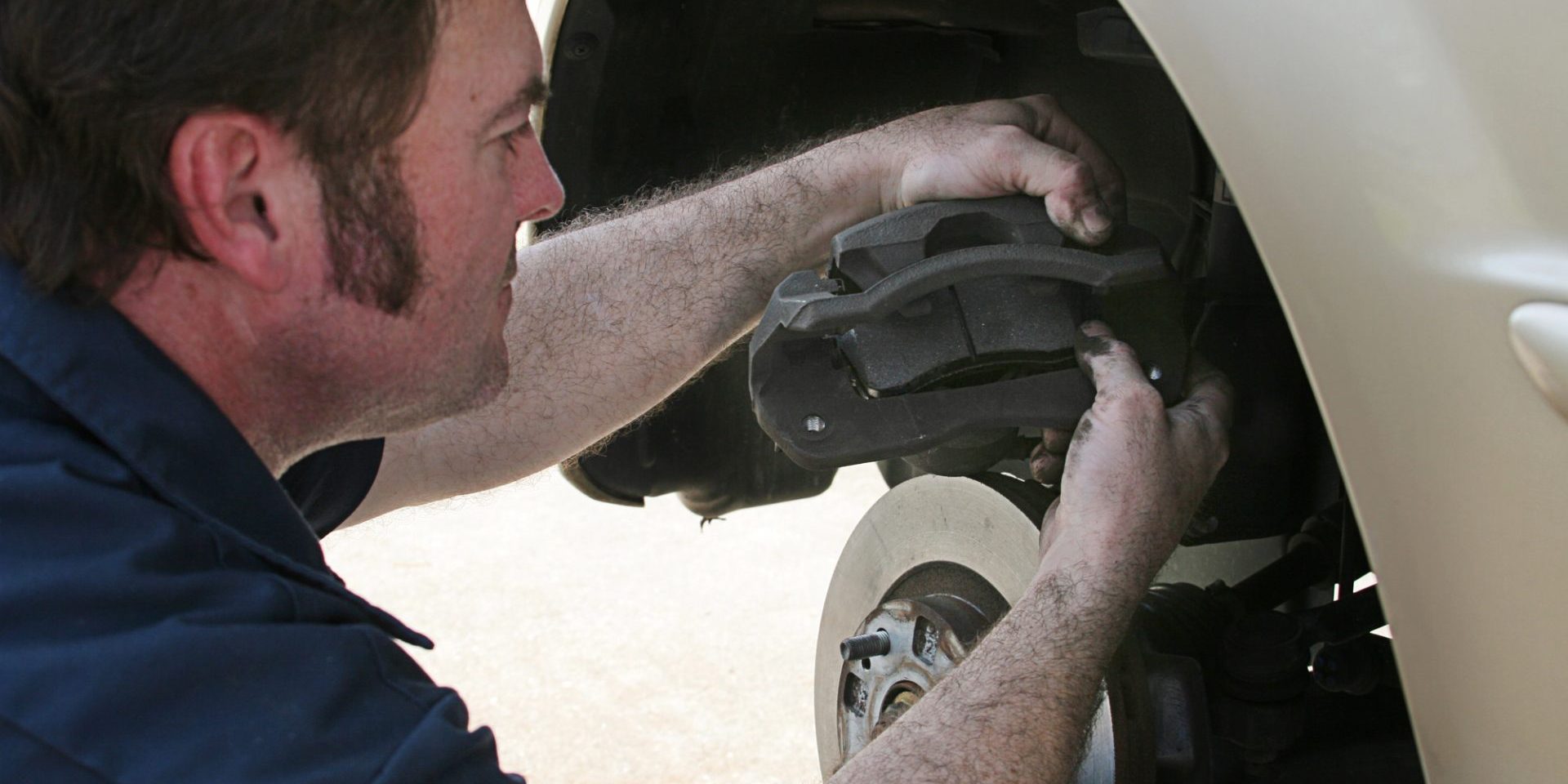
Start by splitting your advisories into two groups: parts that wear on a predictable curve, and parts that fail suddenly. Tyres, brake pads and suspension bushes wear gradually, so an advisory gives a genuine window to plan the work and shop around for a price. A brake pad advisory today, at UK prices of roughly £105 to £135 a side (about $140 to $180) for the front axle, or £210 to £263 (about $279 to $350) for a full set of four, is a job you can book on your own schedule rather than waiting for a warning light or a grinding noise to force the issue.
Corrosion and exhaust advisories behave differently. Rust does not pause between MOTs, and a patch flagged as “surface corrosion, monitor” this year can turn into a structural failure item next year, especially on the sills, chassis rails or suspension mounting points on cars built before 2015. If your advisory mentions corrosion near a structural point rather than just a wheel arch or trim panel, get a second opinion from an independent garage rather than waiting twelve months to find out how far it has spread.
Lighting advisories are the cheapest and quickest to clear, usually a bulb, a cracked lens or a hazy headlight, and there is no reason to carry one of these into the following year. A moisture-related headlight advisory is worth fixing early too. Standing water inside a lens speeds up corrosion of the reflector and connector sitting behind it, turning a £15 bulb job into a £150 headlight unit replacement if it is left long enough.
The Exceptions Worth Knowing
Not every advisory demands immediate action. Cosmetic corrosion on a boot lid or door skin, minor play in a component still within tolerance, or an oil misting seal that is weeping rather than leaking are all things a competent independent garage will tell you to keep watching rather than book in right away. The DVSA’s own guidance is built around best practice rather than blanket rules, and testers are trained to use judgement about how quickly a given fault is likely to progress on your specific car and mileage.
An advisory carries no legal force on its own. You will not be fined for driving with one, and it does not automatically affect your insurance. Where it can catch drivers out is if the advisory contributed to a later collision. An insurer investigating a claim can ask whether a known, documented fault, such as heavily worn tyres flagged twelve months earlier, played a part, and a paper trail showing it was ignored is not a good position to be defending from.
There is also a timing quirk worth knowing about. An MOT is valid for a full year regardless of when in that year the advisory was noted, so a tyre flagged at 3mm of tread in month one of the certificate could easily drop below the legal minimum of 1.6mm well before the next test is due. Garages that also do general servicing will often check tread depth again at a six-month interval for exactly this reason, and it is worth asking for that check if your advisory involved anything with a wear rate that is hard to predict from a single reading.
The simplest rule that comes out of the data: treat a tyre or brake advisory as a job with a deadline measured in a few months, not a year, and treat anything marked dangerous as a job with a deadline of today, before you get back in the driving seat.
Sources

Leave a Comment
More in News

Aberdeen’s Low Emission Zone Fined Drivers Almost £4 Million in a Single Year
How to Restart Your Car After It Runs Out of AdBlue

Every UK Driver Risks a £70 Fine as Yellow Box Junctions Earn Councils Millions

DVLA Eases Registration Rules for Reconstructed Classic Cars, Unlocking Tax and MOT Exemptions

How an Ordinary DVLA Number Plate Sold for £17,644 (and How to Check Yours)
Trending on Motoring Chronicle

What Drivers With a Current MOT Need to Know About Outstanding Safety Recalls

New Volvo XC60 and XC90 Plug-In Hybrids Offer Up to 78 Miles of EV Range

Child Road Casualties Are Rising as Councils Cut School Crossing Patrols

Automatic Emergency Braking, What It Can Miss
