Nevada Car Insurance Hikes Hit 150,000 Drivers as Rates Lead the Nation


More than 150,000 Nevada drivers are about to open their auto insurance bill and see a higher number. Eleven insurers, including Allstate and CSAA, received state approval to raise rates between July and October, and Nevada already holds the second-highest average premium in the country.
The Rate Hikes, State by State Approved
The Nevada Division of Insurance approved rate increases from eleven separate carriers affecting 157,891 policyholders, according to state filings reported by the Las Vegas Review-Journal. Allstate Fire and Casualty Insurance Company was first to raise rates, increasing private passenger auto premiums by about 8 percent for 55,814 policyholders. Allstate Indemnity Company raised rates by 6.7 percent for another 1,015 policyholders the same week.
CSAA General Insurance Company follows with an 8 percent increase affecting 71,377 policyholders on August 2, the largest single group hit by this round of hikes. Coast National Insurance Company raised rates 6.7 percent for 9,032 policyholders on July 10. Permanent General Assurance Corp adds a 3.6 percent increase for 5,235 policyholders on July 16.
Later increases stack up through the fall. Teachers Insurance Company raises rates 7.8 percent for 2,927 policyholders on July 28. American National Property and Casualty Company and American National General Insurance Company raise rates 4.1 percent and 20.9 percent respectively that same day, covering 8,759 policyholders combined. Central Insurance Company adds a 26.4 percent increase on August 1 for 1,565 policyholders, the steepest percentage jump in the group. Nevada Capital Insurance Company raises rates 13.3 percent on September 1, and American Access Casualty Company closes out the schedule with a 6.1 percent increase on October 26.
Six more insurers already raised rates between May and June before this latest batch of approvals. AIG Property Casualty Company raised rates about 25 percent on May 6 for 248 policyholders. Amica Mutual Insurance Company and Amica Property and Casualty Insurance Company together raised rates by roughly 12 percent for 2,316 policyholders. Trexis Insurance Corporation raised rates 20.2 percent on June 22 for 7,232 policyholders, and Safeco Insurance Company of Illinois added a 6 percent increase for 8,943 policyholders.
Why Nevada Costs So Much to Insure
Nevada policyholders spend $335 a month on full coverage auto insurance on average, according to a LendingTree ValuePenguin study, putting the state second nationally behind only Florida on a percentage-of-income basis. Nevada drivers spend 4.7 percent of their income on full coverage insurance, more than double the burden felt by drivers in the cheapest states.
Insurance expert Rob Bhatt of ValuePenguin points to traffic density and crash frequency as the core driver of Nevada’s costs. “It’s a 24-hour town, traffic at all times of the day,” Bhatt said. “Any time you have high crash rates, it pushes car insurance costs higher for everyone in the area.”
Las Vegas driver Darius Knight has felt the increases directly. “I’m paying roughly $400 a month for full-coverage insurance,” Knight said. “I was paying about $350 last year.” Knight said the state’s latest numbers, showing a 6.42 percent average increase in 2026 following a 13.65 percent jump the year before, motivate him to start shopping for a new policy. “Knowing it’s a six-percent increase definitely pushes me to start looking,” he said.
How Nevada Compares Nationally
Nationwide, auto insurance rates are barely moving this year, rising by an average of just 0.67 percent according to LendingTree data, a sharp slowdown from the double-digit increases many states saw in 2024 and 2025. That makes Nevada’s continued climb stand out. Nevada, Louisiana, Florida, Connecticut, and Delaware all average more than $300 a month for full coverage, while Vermont, Maine, and Wyoming sit under $135 a month. A Nevada policyholder pays more than two and a half times what a driver in Vermont pays for comparable coverage.
All insurers must go through the Nevada Division of Insurance before changing rates, and the agency says approved increases cannot be “excessive or discriminatory.” The division’s approved figures typically come in lower than what insurers initially request, though the difference varies by carrier and filing.
How Rate Filings Actually Reach Your Bill
Few drivers realize that an approved rate increase does not hit every policyholder on the same day. Insurers stagger effective dates across their book of business, which is why the schedule above spans from early July through late October even though the Division of Insurance approved most of these filings around the same time. A policyholder’s actual increase takes effect on their next renewal date after the insurer’s effective date, meaning two neighbors with the same insurer and the same percentage increase could see the change on completely different bills depending on when their policy period started.
That staggering also explains why a driver might not notice a rate change immediately even after reading about it in the news. Anyone who wants certainty about when their own premium will change should call their agent or insurer directly and ask for the specific effective date tied to their policy number, rather than assuming a statewide announcement applies to their next bill right away.
The Broader 2026 Insurance Outlook
Nevada’s climb comes at an unusual moment for the auto insurance industry nationally. After several years of double-digit premium growth driven by higher repair costs, more expensive replacement parts, and a wave of litigation-related claims payouts, most states are finally seeing that growth slow to a near standstill. Only a handful of states are bucking that trend with double-digit increases this year, and Nevada sits alongside New Jersey, Washington D.C., Rhode Island, and Michigan as one of the outliers still absorbing steep hikes while much of the rest of the country catches a break.
Industry analysts point to a mix of local factors driving Nevada’s continued increases beyond simple traffic volume. Las Vegas draws tens of millions of visitors a year who rent cars and drive unfamiliar roads, litigation costs in Clark County have climbed alongside jury award trends seen in several other large metro areas, and the state’s rapid population growth over the past decade has added drivers faster than road infrastructure and traffic enforcement have been able to keep pace.
What Nevada Drivers Can Do Now
Drivers facing a renewal notice with a higher premium have several options before accepting the increase. Shopping around remains the single most effective move, especially for anyone whose credit score has improved or who has gone several years without a ticket or claim from the time their policy was last priced. Bhatt recommends asking a current insurer directly about available discounts, as many carriers do not apply every discount on their own.
For drivers who need to lower a bill immediately, raising the deductible is the fastest lever available. “Raise your deductible,” Bhatt said. “If you have a $500 deductible, consider increasing it to $1,000 or even $2,000.” That trade-off lowers the monthly premium in exchange for a larger out-of-pocket cost if a claim does happen, so it works best for drivers with savings set aside to cover the higher deductible.
Low-mileage drivers, especially older adults who drive less than average, should also ask their insurer about low-mileage discounts, which Bhatt says can save policyholders hundreds of dollars a year. Bundling auto coverage with a renters or homeowners policy, maintaining continuous coverage without a lapse, and taking a defensive driving course can each shave additional dollars off a renewal quote in Nevada’s market.
Drivers whose current insurer is on the list of approved increases should check the effective date against their own renewal date. A policy that renews before an insurer’s approved effective date will not reflect the new rate until the following renewal cycle, giving some drivers a short window to shop for a better rate before the higher premium takes hold.
Sources:

Leave a Comment
More in News

Car Insurance Fronting Now Risks a Voided Policy for Half of UK Drivers
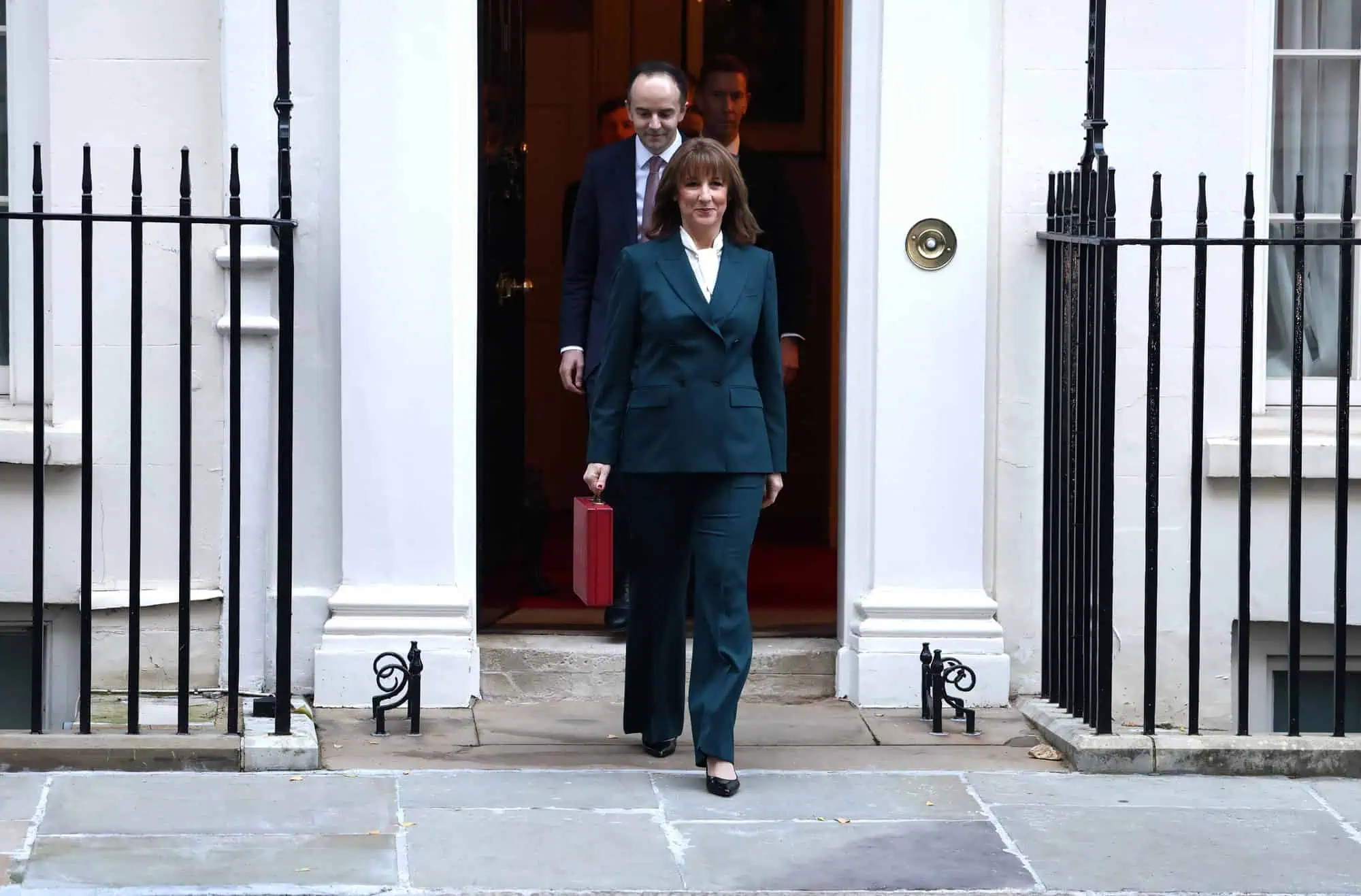
What the October 28 Budget Could Mean for Every UK Driver’s Fuel and Car Tax Bills

America Is Investigating This Engine. Britain Has Not Recalled One Car

Why Connecticut Drivers Cruising in the Left Lane Now Face an $88 Fine
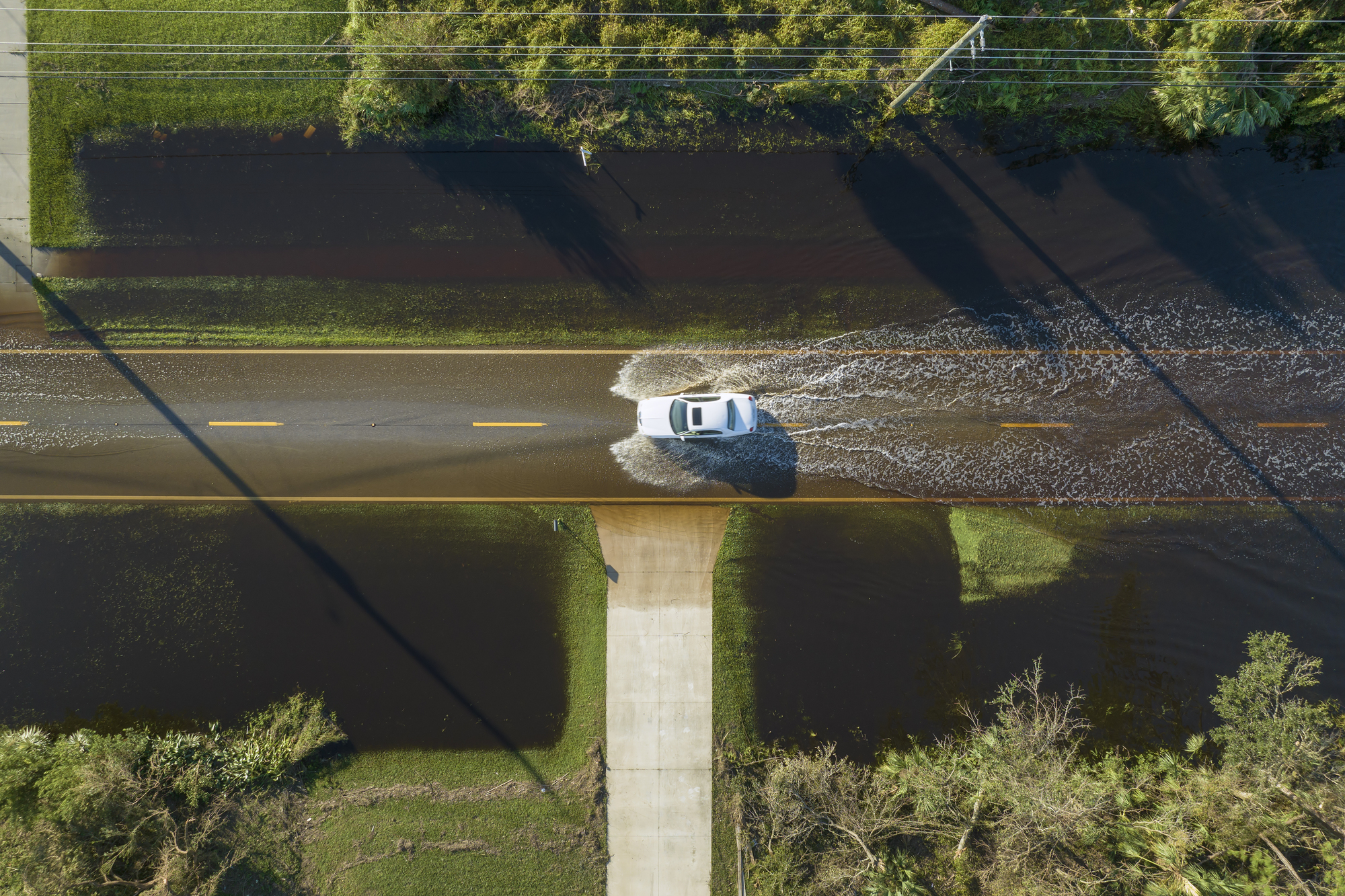
Hurricane Isaias Flooded Thousands of Cars That Could Reach Used Lots
Trending on Motoring Chronicle

Seven Honda Models Earn 2026 “Editors’ Choice” Awards from Car and Driver

Why Your Car’s Stop-Start System Stops Working (and What a New Battery Costs)

Dodge Hustles Harder: Introducing First Dodge Charger Hustle Stuff Drag Pak
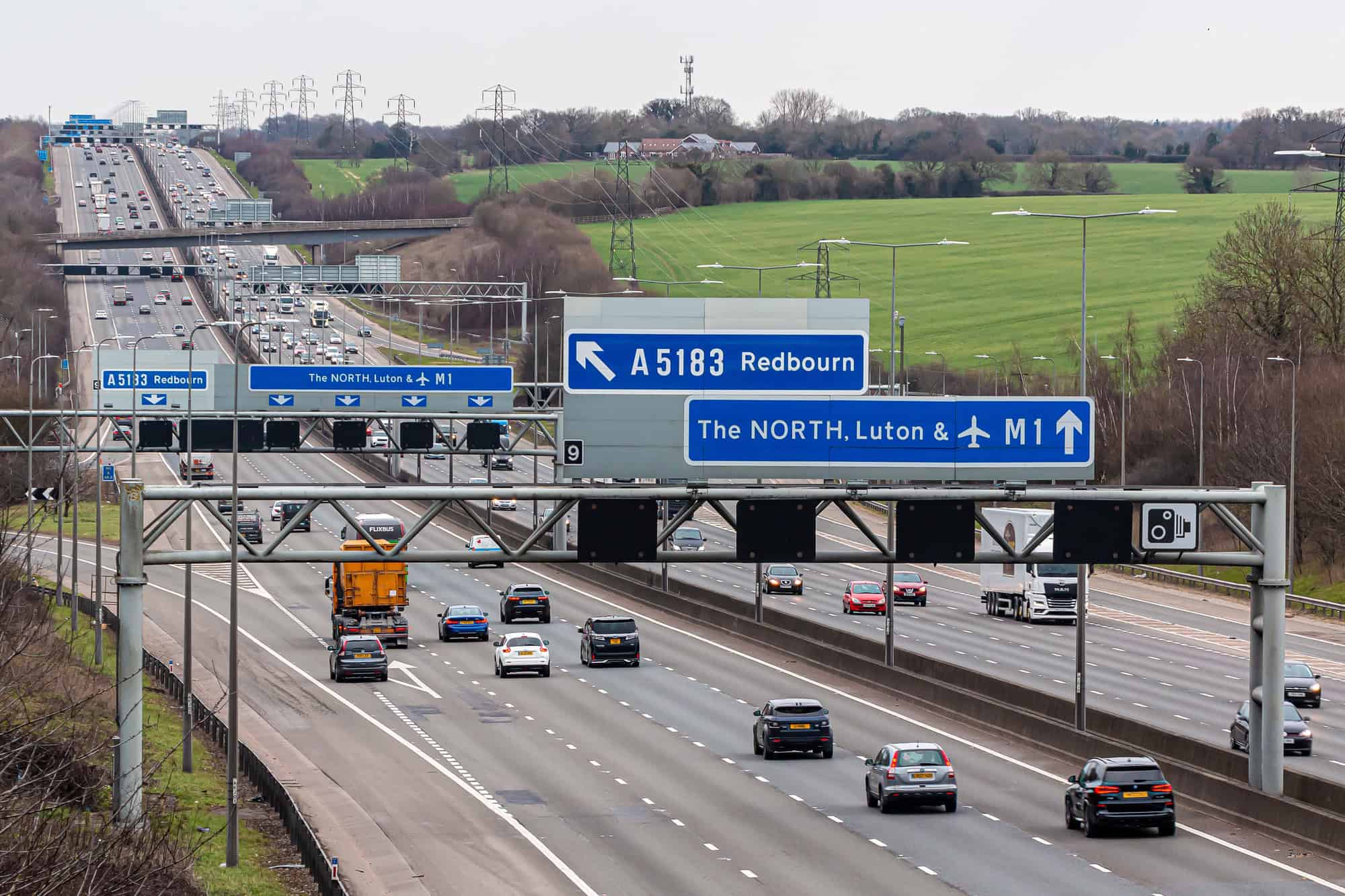
What Six Summer Motorway Closures Mean for West Midlands Drivers Between June and August