Zapmap Data Shows EV Drivers Pay Almost 800 Percent More to Charge in Public
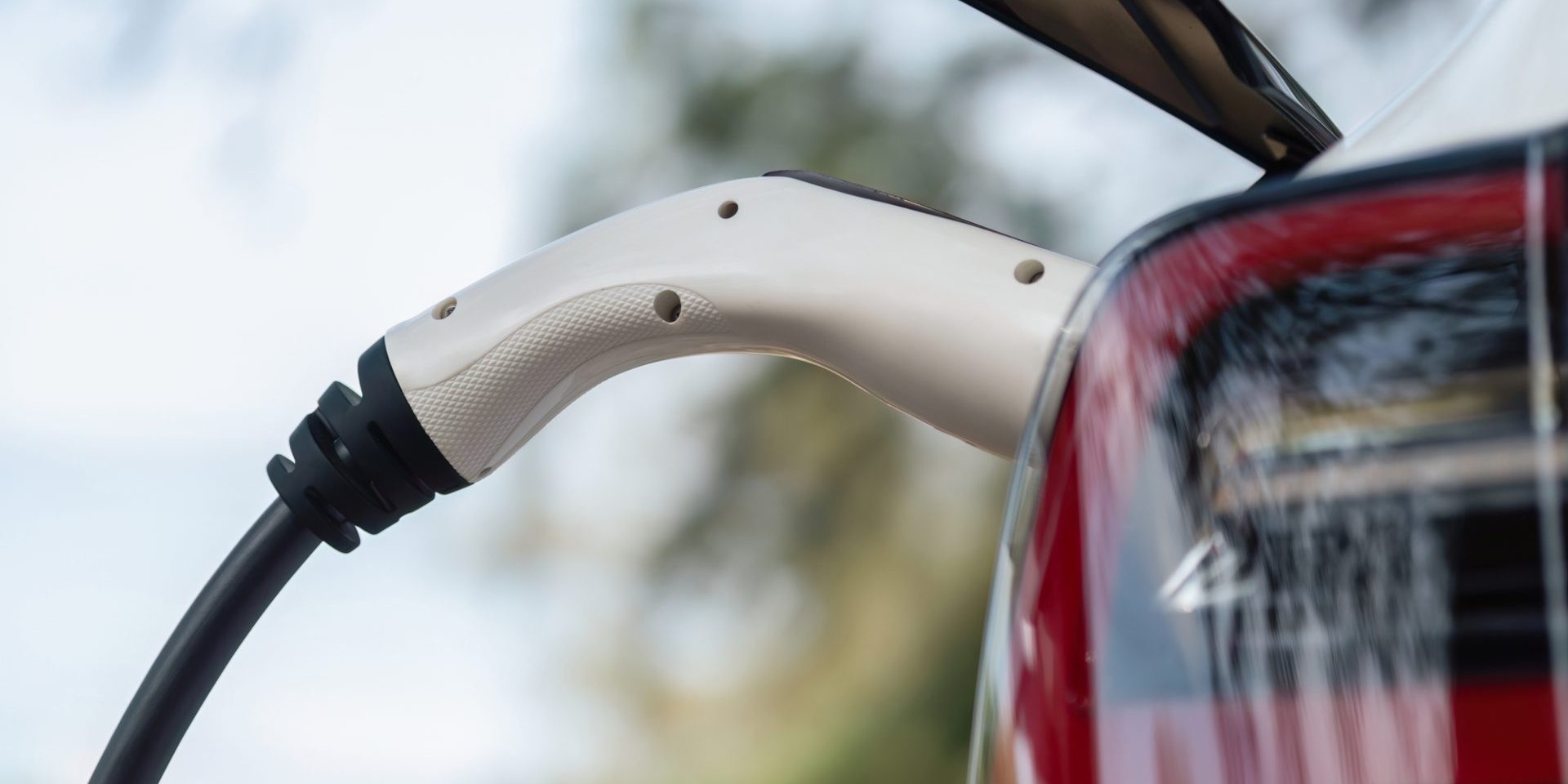

- Rapid and ultra rapid public chargers now average 77p per kWh, against a typical EV home tariff of 8.6p per kWh, a gap of almost 800 percent
- Standard public charger prices are up 6 percent year on year and rapid charger prices are up 1 percent, with the overall weighted average now 74p per kWh
- Drivers who charge mainly at home save around £1,030 a year against running a petrol car, while drivers with no home charging option save nothing at all
Electric car drivers without a driveway are paying close to the same amount to run their car as someone filling up with petrol, new data from Zapmap shows. The company’s Price Index, updated on 4 September 2026 and built from more than two million charging sessions a month across roughly three quarters of the UK’s public chargers, puts the weighted average cost of rapid and ultra rapid public charging at 77p per kWh in August 2026. A typical home electricity tariff for EV owners averages 8.6p per kWh, according to the same Zapmap data. That means a driver relying entirely on the public rapid network pays almost 800 percent more per unit of electricity than a driver who can plug in on their own drive overnight.
Standard and standard plus chargers, the lower powered units typically found on residential streets or at destinations such as supermarkets and car parks, average 54p per kWh. Using an average efficiency electric car, Zapmap calculates that works out at 16 pence a mile on a standard charger and 23 pence a mile on a rapid or ultra rapid charger. Both figures have moved in the past year. Standard charger prices are up roughly 6 percent over the past year to August 2025, and rapid charger prices are up roughly 1 percent over the same period, pushing the overall weighted average across all public charging to 74p per kWh.
Zapmap’s own worked examples make clear how much this splits electric car owners into winners and losers. The company sets out three driver profiles built from real charging behaviour. A couple who charge almost entirely at home save around £1,030 a year compared with running an equivalent petrol car. A couple who split their charging between home, supermarket top ups and motorway rapid chargers on longer trips save a smaller £590 a year. A third driver who has no home charging option and relies entirely on the public network, mixing standard on street chargers for day to day use with rapid chargers for longer journeys, does not save any money on charging costs at all compared with running a petrol car. He keeps the other advantages of electric ownership, including lower car tax and servicing costs, but the fuel saving that persuades most buyers to go electric disappears completely once home charging is off the table.
The Price Gap Between Charging Networks Is Just as Wide as the National Average
The 77p per kWh figure is a weighted average across the whole rapid and ultra rapid network, and it hides a large spread between individual charge point operators. Zapmap’s data shows Sainsbury’s Smart Charge pricing rapid charging at 72p per kWh and Believ at 66p per kWh, both below the national average. Tesla offers the cheapest rapid charging by some distance. At Tesla Supercharger sites that are open to non-Tesla drivers, the average price is 63p per kWh, and Tesla owners who can access the full Supercharger network pay an average of just 46p per kWh, little more than half the 77p per kWh national weighted average and only around five times the typical home rate rather than nine times.
For drivers without off street parking, most local authorities have been slow to close the gap. On street charging points, usually lamppost or bollard units built into residential streets, sit in the standard and standard plus category rather than the cheaper rapid tier, but they are still priced well above home electricity. A driver using an on street charger every night effectively pays close to the 54p per kWh standard rate for electricity that would cost them 8.6p at home on an EV tariff, or as little as 8.5p per kWh on some off peak overnight tariffs identified in the same Zapmap data. Over a year of typical driving, that difference adds up to several hundred pounds even without ever touching a rapid charger.
The gap is significant as the government’s own zero emission vehicle mandate is pushing more car buyers into electric models every year, and not every buyer has a driveway. Terraced housing, flats and streets without dedicated parking are common across much of urban Britain, and drivers in these areas have far less control over where and how they charge than someone who can install a home charge point and switch to a cheap overnight tariff. Zapmap’s data suggests these drivers are not being rewarded for choosing an electric car in the way the government’s wider messaging on running costs implies.
Promotional pricing and loyalty schemes complicate this comparison further. Zapmap notes that its Price Index tracks the pay as you go rate available to any driver without a membership or app based deal, and that many drivers pay less than this headline figure once time limited offers, subscription discounts and partner deals are taken into account. The real gap between home and public charging costs can be narrower than the headline 77p versus 8.6p comparison for drivers who actively shop around and sign up to multiple charging apps, but it still requires far more effort than simply plugging in on a driveway overnight.
Can You Avoid the Higher Public Charging Costs
The single biggest saving available to any electric car driver is switching to an off peak home tariff if a home charge point is an option. Zapmap’s data points to overnight EV tariffs priced as low as 8.5p per kWh, against a typical standard EV tariff of 8.6p per kWh and a public standard charger price of 54p per kWh. Drivers who have not already switched supplier or moved to a dedicated EV tariff should compare rates before their next charging session, as the saving compounds every time the car is plugged in.
For drivers who cannot charge at home, choosing the right network before joining a queue at a service station makes a real difference. Zapmap’s own data names Tesla Superchargers open to all drivers, Believ and Sainsbury’s Smart Charge as consistently priced below the 77p per kWh national weighted average for rapid charging, in some cases by 10 to 30p per kWh. Downloading more than one charging app and comparing the price at each nearby rapid charger before starting a session, rather than defaulting to whichever charger is most visible from the road, can meaningfully cut a driver’s annual charging bill.
Subscription and membership schemes are worth checking even for occasional public charging. Several networks offer a lower per kWh rate to members in exchange for a monthly fee, and for a driver who charges in public regularly, the membership rate can undercut the pay as you go price used in Zapmap’s headline figures. Drivers who charge on the public network only occasionally are usually better off on pay as you go, as the monthly membership fee can outweigh the saving. Councils and housing associations installing on street charging points should also be pushed, where residents have the opportunity through consultations, to negotiate lower tariffs with charge point operators given the scale of demand from streets with no off street parking, as price is set individually by each operator and network rather than fixed nationally.
Sources
Zapmap, Zapmap Price Index, updated 4 September 2026 (August 2026 data)
Zapmap, Rapid charging: Top 10 network pricing, updated 1 September 2026
Zapmap, Home and community EV charging stats, updated 24 August 2026

Leave a Comment
More in News

Electric Car Owners Pay £46 More a Year to Insure, MoneySuperMarket Reveals
Why Dashcam Footage Could Decide Your Insurance Claim (and How to Submit It)

HMRC Tax Change Costs Pickup Truck Drivers Up To £2,000 More a Year

How to Lower Your Car Insurance Premium Without Cutting Your Cover

Why Millions of Totaled-Car Owners Could Be Owed Money From Their Insurer
Trending on Motoring Chronicle

Glasgow Begins Britain’s Largest 20mph Rollout With £100 Fines for Speeding Drivers

Volvo Updates XC40, EX40 and EC40 with New Safety Tech and Google Gemini
Nissan Kicks, Murano named to U.S. News 2026 Best Cars for the Money Awards
2026 Lexus IS: perfecting the sport sedan