DVSA Survey Finds a Third of Learners Paid Up to £500 for a £62 Test
A £62 Test Turned Into a £500 Bill
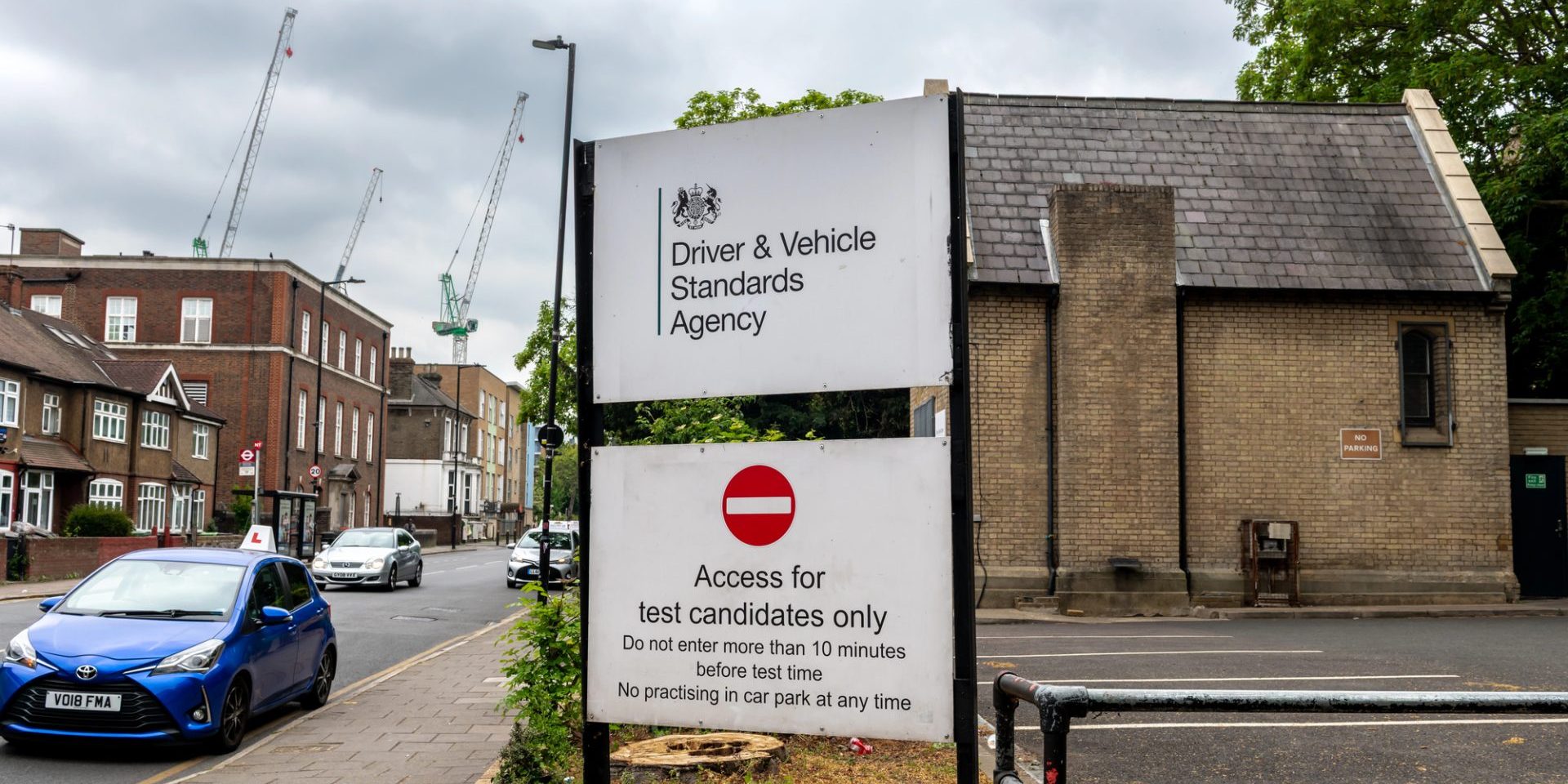
Learners across Britain have been paying up to eight times the official price for a driving test slot, and the government’s own figures prove it. A DVSA survey of 21,656 candidates found that 31 percent had used a third-party reseller or “cancellation finder” service to get a test booked, with some handing over as much as £500 for a slot that costs £62 through the official channel on a weekday.
The gap between what the DVSA charges and what desperate learners actually pay is not a rumour passed around driving schools. It is the DVSA’s own data, collected after the agency needed hard evidence of how big the black market around its booking system had become before it could justify shutting it down.
How the Bots Beat You to Every Slot
New test slots release in batches, and for years the release moment has turned into a race no human can win. Automated bots can search and book a released slot in under 10 seconds. A person clicking through the same booking service takes roughly four minutes. By the time a learner has typed in their licence number, the slot is gone.
Two types of paid service have grown around this gap. Cancellation finder services scan constantly for newly freed slots and either alert a customer or book on their behalf. Resellers take a different approach: they tell a candidate to book any test anywhere in the country, then charge a fee to swap that booking for one closer to home on a date the candidate actually wants. Neither service breaks any law by existing, but both rely on out-competing ordinary learners for a public resource that is supposed to be allocated on a first-come basis.
The practice thrives on a wait long enough to make paying feel worth it. National average waits for a practical test ran between 14 and 22 weeks through May 2026, and the range hides a wide gap between areas. London learners faced an average wait of 14.7 weeks, the longest in the country, while some rural Scottish centres offered tests within six to ten weeks. A National Audit Office investigation found the Department for Transport had promised to cut waits to seven weeks by the summer of 2026 and had not delivered that target, even after squeezing in roughly a quarter of a million extra tests between June 2025 and May 2026.
Who Profits, Who Pays
The people paying are mostly 17 to 25 year olds who need a licence for work, college or a first job that requires driving, plus parents footing the bill on their behalf. A £500 reseller fee sits on top of lesson costs that already run into the thousands, and a failed test means starting the search for a slot all over again from a standing start.
The people profiting are anonymous operators running scripts against a public booking system, some advertising through WhatsApp groups and social media rather than registered businesses. A resold slot is still booked under the DVSA’s normal price, so the agency collects the same £62 either way. The entire premium a family pays goes to the middleman, not to any extra service the DVSA itself provides.
Driving instructors sit in an unusual position in this market. Many built a legitimate side business booking tests in bulk on behalf of multiple pupils, spreading the administrative load and passing on genuine savings in time. That practice is now banned outright rather than only the exploitative version of it: the DVSA concluded there was no reliable way to separate a helpful instructor from a bot operator hiding behind an instructor’s account.
The Rules Changing Underneath the Racket
The DVSA has moved through three separate rule changes in 2026 aimed at cutting off the bot economy rather than just asking learners to wait patiently.
From 31 March 2026, the number of times a candidate can change their test date dropped from six to two. Endless free swapping had made it easy for bots to hold a slot open while shopping it around for a buyer.
From 12 May 2026, it became a breach of the DVSA’s terms of service for a third party, including driving instructors, to book, change, swap or cancel a test on behalf of someone else through the online service. The same update explicitly outlawed bots and automated searching of the booking system. A learner now has to hold their own account and make their own booking.
From 9 June 2026, learners can only move a booked test to one of the three centres nearest their home address. The change closes a loophole where resellers grabbed slots at quiet rural centres purely to trade them later for bookings at high-demand city centres.
A System Built for a Different Era
The DVSA’s booking platform was not designed with a scalper economy in mind, and the agency has spent much of 2026 patching a system built for a smaller, slower market. Weekly slot releases at fixed times, a single national queue, and unlimited free date changes were all reasonable design choices when demand and supply were roughly in balance. Once the post-pandemic backlog pushed waits into double-digit weeks, the same design choices became the exact features a bot needed to build a business on top of a public service.
Other government booking systems, from passport appointments to some NHS services, have faced versions of the same problem, and the DVSA’s response, banning third-party bookings outright rather than trying to detect and block bots individually, reflects a judgment that the agency could not win a purely technical fight against operators willing to keep adapting their scripts.
What You Can Do Right Now
- Book only through the official gov.uk driving test booking service. If a website or WhatsApp contact asks for a fee to secure or swap a slot, it is operating outside DVSA rules regardless of how official it looks.
- Log in and check for cancellations yourself at quiet times, especially early morning, as new slots and cancellations both appear on the same public system for free.
- Use your two permitted date changes carefully. Once they are used, cancelling and rebooking from scratch is the only option, which can mean losing your place in the queue entirely.
- If you already paid a reseller, report it. The gov.uk page “Report driving test resellers, cancellation finders or booking services” lets you flag the operator, and you can choose to stay anonymous.
- Ask your instructor whether they can help you get test-ready faster rather than chasing a slot for you. From 12 May 2026, instructors booking on a learner’s behalf breaches DVSA terms, so a legitimate instructor should no longer offer to do this, and one who still does is putting your booking at risk of cancellation.
The Root Problem Behind the Racket
None of the 2026 rule changes fix the underlying cause, which is a national shortage of test capacity against demand that outstrips it in the areas where most learners actually live. Extra tests added over the past year have not closed the gap in London and other high-demand regions, and the National Audit Office has been clear that the government’s own timetable for a seven-week wait has slipped well past its target date. Cutting off bots and resellers removes the premium built on top of the wait, but it does not shorten the wait itself, and examiner recruitment has lagged behind the extra demand for years.
For families budgeting for a teenager to learn to drive, the practical advice is to treat any offer of a guaranteed slot for a fee as a warning sign rather than a shortcut, and to put the two free date changes DVSA still allows to careful use rather than losing them on a whim early in the process.
Sources:

Leave a Comment
More in News
English Councils Banked a Record £1.1 Billion From Every Driver’s Parking Fines Last Year
How DVLA Promises 99% of Licences in Three Days After Admitting Services Fall Short
What to Do in a Motorway Breakdown (and When to Stay Inside)

How to Jump Start a Car Safely (and What a New Battery Costs)

Every Driver Gets Five Minutes Grace as Government Freezes Parking Charges at £100
Trending on Motoring Chronicle

New High Performance Hybrid Continental GT, GTC and Flying Spur – the daily supercar family expands [Photo Gallery]

Why Does Your Car Shake While Driving?
7 Steps To Successfully Change Your Oil
How to set up your mirrors to cut blind spots